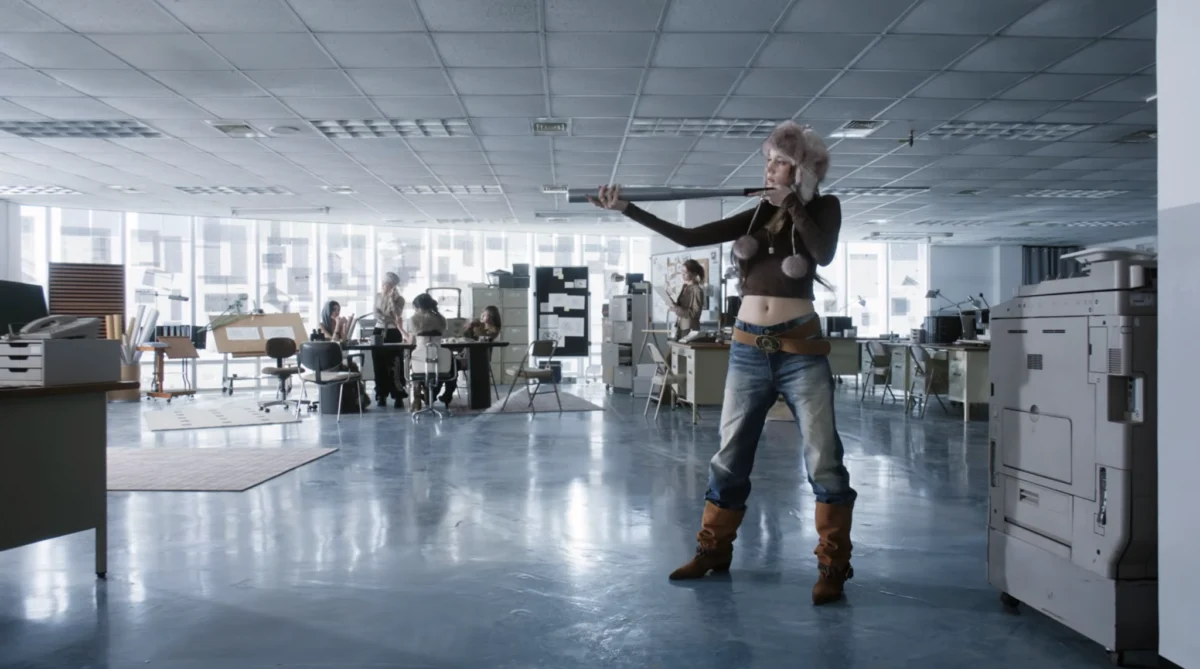
Kep1er’s latest music video for "Killa (Face the Other Me)" showcases the group’s undeniable prowess in performance, a consistent hallmark of their artistry. The video heavily emphasizes sharp choreography, dynamic formations, and a concluding dance break, all designed to amplify the track’s impact. However, despite a narrative attempt to explore the duality of "facing the other me," the MV ultimately prioritizes performance over conceptual execution, leaving the audience with a strong impression of the group’s stage presence but a less developed understanding of the song’s thematic underpinnings. This reliance on their core strength, while visually engaging, inadvertently limits the MV’s potential as a fully realized narrative piece, leaning more towards a high-quality performance video.
Conceptual Ambitions and Visual Execution
The full title, "Killa (Face the Other Me)," immediately suggests a thematic exploration of duality and self-confrontation. The concept hints at an internal struggle, a journey of confronting one’s hidden self and breaking free from perceived limitations to emerge as a "true killer." This lyrical theme, as elaborated in the provided context, speaks to the existence of an alternate self within everyone, and the awakening that occurs when this hidden nature is faced. The lyrics articulate a desire to shed an "oppressed self," break through "limits," and target an "anxious inner self."
The music video attempts to visually represent this complex idea, primarily through the strategic use of mirrors. Scenes featuring individual members, such as Dayeon’s opening and closing moments of self-reflection in a mirror, and group sequences like Yujin, Xiaoting, and Chaehyun in a mirror-laden room, all serve as visual cues for introspection and the search for one’s true identity. These elements directly echo the song’s lyrical content, aiming to create a tangible connection between the auditory and visual experience.

Further symbolic elements are incorporated to enhance the narrative. Shadows are employed to create contrast and add a sense of depth to certain scenes, though these visual motifs are often fleeting. In a reaction video, Kep1er members themselves explained that the recurring cube motif symbolizes anxiety and uncomfortable emotions or aspects of the self. The visual progression of the cube becoming increasingly fractured, coupled with the concluding scene where Dayeon touches a cracked mirror and the crack vanishes, offers a subtle, albeit vague, suggestion of the group confronting their inner selves. This final image implies a resolution or acceptance of this "other me."
The Performance-Centric Approach
While the conceptual elements are present, they often feel underdeveloped and less impactful than Kep1er’s undeniable performance skills. The MV’s narrative arc, particularly concerning the exploration of the "other me," seems to be an afterthought rather than a fully integrated component. This allows the group’s inherent strengths to take center stage. The music video excels in showcasing Kep1er’s charisma and stage presence through engaging transitions, meticulously crafted dance formations, and captivating choreography.
Key moments that define the "Killa" MV include a brief but striking dance duet between Yujin and Xiaoting, Hikaru’s commanding presence in the chorus, and the impactful dance break that serves as a powerful climax. These performance-driven segments are where the MV truly shines, demonstrating the group’s synchronized execution and individual member appeal. The transitions between scenes are often fluid and visually interesting, maintaining a high level of energy throughout.
Context and Trends in the K-Pop Landscape
The sonic and visual style of "Killa" aligns with contemporary trends within the K-pop industry, with some observers noting a potential resemblance to the aesthetic of groups like aespa, known for their futuristic and concept-driven releases. This positions "Killa" within the current sonic and visual landscape of popular music. However, the MV’s struggle to carve out a unique identity in an already saturated market is a notable challenge. The perceived lack of a distinct "spice" or defining edge, coupled with an MV that, despite its performance strengths, doesn’t fully captivate on a narrative level, raises questions about its ability to stand out.

The song itself is not sonically flawed, offering a polished and energetic track. However, the inability to fully flesh out certain conceptual ideas can hinder a group’s ability to create a truly memorable and impactful release. In the case of "Killa," the ambition of the "Face the Other Me" concept, while promising, remains largely unexplored. This leaves the overall experience feeling somewhat surface-level – visually impressive in its performance elements, but lacking the thematic depth that its bold and intense concept suggests.
Release and Reception Timeline
The release of "Killa (Face the Other Me)" on April 2nd, 2026, marked a significant moment for Kep1er as they continue to solidify their presence in the competitive K-pop industry. The song and its accompanying music video were launched following a period of intense promotional activities, including teasers and concept photos, which had built anticipation among their fanbase, known as "Kep1ians."
Initial reactions from fans and media outlets often highlighted Kep1er’s powerful performance capabilities. Social media platforms buzzed with discussions about the intricate choreography and the members’ stage presence. However, critiques, such as those presented here, also emerged regarding the conceptual depth of the music video. The dialogue surrounding the MV’s narrative versus its performance focus underscores the ongoing discussion within the K-pop community about the balance between artistic concepts and polished execution.
Analysis of Implications
The "Killa" MV’s emphasis on performance over narrative exploration has several implications for Kep1er’s career trajectory. Firstly, it reinforces their established reputation as a group with exceptional stage presence, which is crucial for live performances and fan engagement. This strength is a valuable asset, particularly in the highly competitive K-pop market where live stages are a significant part of a group’s appeal.

Secondly, the underdevelopment of the "Face the Other Me" concept presents a missed opportunity for deeper thematic engagement with their audience. While the current approach may resonate with fans who primarily appreciate the group’s performance, a more robust exploration of the song’s lyrical themes could have broadened their appeal and offered a more profound artistic statement. This could have potentially attracted a wider audience interested in the conceptual depth often associated with K-pop’s narrative-driven music videos.
Furthermore, the observation that "Killa" fits within current K-pop trends but struggles to stand out suggests a need for Kep1er to refine their unique identity. While adhering to popular trends can be beneficial, developing a distinct artistic signature is essential for long-term differentiation and recognition. The success of "Killa" will ultimately be measured not only by its immediate performance impact but also by its contribution to Kep1er’s evolving artistic narrative and their ability to connect with audiences on multiple levels.
The song’s sonic qualities, while not inherently problematic, highlight a broader industry challenge: the difficulty of achieving distinctiveness in a saturated soundscape. The success of future releases may hinge on Kep1er’s ability to synergistically blend their strong performance skills with more fully realized and uniquely executed concepts, thereby creating a more potent and memorable impact.