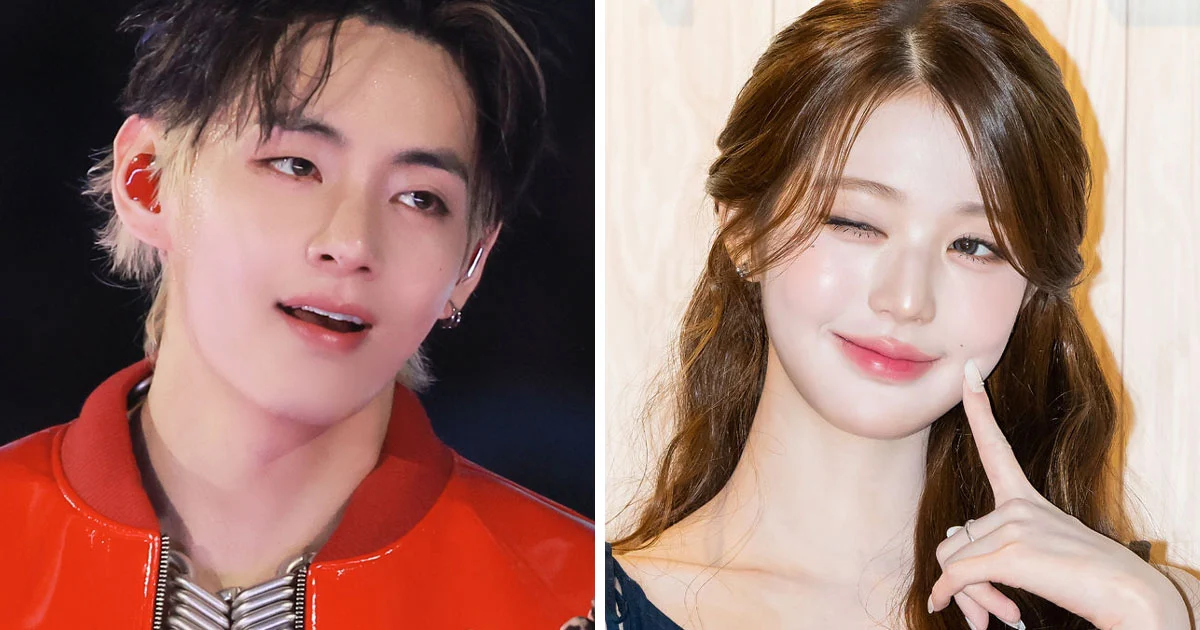
The launch of a new public poll invites K-Pop enthusiasts globally to weigh in on the veracity of recent dating rumors surrounding prominent idols, underscoring the intense public scrutiny and fervent speculation that characterize the K-Pop industry. This interactive survey, allowing participants to cast their vote every two hours, serves as a digital barometer of fan sentiment and collective belief regarding the highly guarded personal lives of South Korea’s biggest stars. The phenomenon of idol dating rumors is a complex interplay of fan culture, media narratives, agency management, and the unique pressures inherent in the K-Pop ecosystem, often leading to widespread discussions across social media platforms and fan communities.
The Enduring Allure and Anatomy of K-Pop Dating Rumors
K-Pop idols exist in a unique space where their professional personas are meticulously crafted, and their personal lives are often subject to unprecedented levels of public and fan interest. This environment naturally breeds speculation, particularly concerning romantic relationships. Dating rumors are not a new phenomenon in the entertainment industry, but in K-Pop, they carry a distinct weight due to the industry’s emphasis on idols maintaining an "available" or "aspirational" image for their often intensely devoted fanbases. These rumors typically originate from a variety of sources, ranging from subtle social media interactions and alleged "couple items" (matching accessories, clothing) spotted in public, to anonymous online posts claiming insider knowledge, and eventually, reports from specialized entertainment news outlets known for their investigative journalism.
The sheer volume of content produced by and about K-Pop idols—from reality shows and vlogs to daily social media updates and concert footage—provides an extensive canvas for fans to meticulously analyze. Every glance, every interaction, every shared background detail in a photo can be dissected and interpreted as potential "evidence." This dedicated fan-driven "detective work" is a significant contributor to the proliferation and longevity of dating rumors, often culminating in highly detailed threads and analyses shared across platforms like X (formerly Twitter), Reddit, and various K-Pop forums.
A Chronology of Speculation: How Rumors Unfold
The lifecycle of a K-Pop dating rumor typically follows a discernible pattern, characterized by rapid dissemination and escalating public interest.
Phase 1: Incubation and Initial Whispers (Online Forums & Social Media)
Rumors often begin in niche online communities, such as Korean fan forums (e.g., Pann Nate, Instiz, Theqoo) or international K-Pop discussion boards. An anonymous post, a screenshot, or a cryptic message might suggest a potential relationship between two idols. These initial whispers are often based on circumstantial evidence like matching outfits, similar backgrounds in social media photos, or alleged sightings by "sasaeng" fans (overly obsessive fans who invade idols’ privacy). At this stage, the rumors are largely confined to dedicated fan circles.
Phase 2: Evidence Compilation and Amplification (Fan Communities)
Once a rumor gains a modicum of traction, dedicated fans, both those who support and those who oppose the idea of a relationship, begin to compile "evidence." This can involve cross-referencing schedules, analyzing social media posts for hidden clues, comparing fashion choices, or even scrutinizing reflections in sunglasses. This "evidence," whether compelling or entirely coincidental, is then widely shared across larger fan platforms, often with elaborate theories and timelines attached, leading to significant organic amplification.
Phase 3: Mainstream Media Attention (Entertainment News Outlets)
If the rumor gains sufficient momentum and public interest, it often catches the attention of mainstream entertainment news outlets. Influential Korean media entities like Dispatch, Sports Chosun, or Naver Entertainment, known for their investigative reporting on celebrity relationships, may begin their own inquiries. A report from one of these outlets, especially Dispatch, which often publishes paparazzi photos as proof, typically serves as a major turning point, transforming a fan-led speculation into a widely discussed public event.
Phase 4: Agency Response and Public Reaction
Following a mainstream media report, the involved idols’ respective agencies are typically pressured to issue a statement. Their responses vary widely:
- "Checking with the artist": A common initial response, buying time for internal discussion.
- "It’s a personal matter, difficult to confirm": Often used when a relationship is true but the agency wishes to neither confirm nor deny explicitly, aiming to protect the idol’s privacy while implicitly acknowledging the situation.
- "Groundless rumors, false information": A firm denial, often accompanied by threats of legal action against those spreading misinformation.
- Confirmation: Less common, but it does happen, particularly if the evidence is irrefutable or if the relationship has reached a stage where denial is unsustainable.
Each type of agency response elicits different reactions from the public and fanbases, ranging from support and congratulation to disappointment, anger, or even demands for the idol to leave their group.
The Socio-Cultural Dynamics: Fan Engagement and Parasocial Bonds
The intense scrutiny surrounding K-Pop idol dating rumors is deeply rooted in the unique socio-cultural dynamics of the industry and the nature of fan-idol relationships.
Parasocial Relationships: Many K-Pop fans develop strong parasocial relationships with their idols, feeling a deep emotional connection and a sense of intimacy, despite the one-sided nature of the interaction. Idols are often presented as accessible, friendly, and aspirational figures, fostering an illusion of closeness. When an idol is rumored to be dating, it can be perceived by some fans as a "betrayal" of this parasocial bond, disrupting the fantasy of personal connection.
The "Idol as Product" Mentality: For many years, the K-Pop industry has operated on a model where idols are, to a certain extent, marketed as aspirational partners. Their image is carefully curated to appeal to a wide demographic, including those who envision them romantically. Dating news can disrupt this carefully constructed image, potentially affecting an idol’s marketability, especially in terms of endorsements and fan merchandise sales. This commercial aspect often underpins agency decisions regarding dating policies.
Fandom Divisions and "Shippers": Dating rumors frequently create schisms within fanbases. On one side are "shippers," fans who actively support and fantasize about specific idol pairings (often within the same group or across groups). On the other are fans who strongly oppose the idea of their idol dating, fearing the impact on their group, career, or their own emotional investment. These divisions can lead to heated online debates, the creation of "anti-fan" accounts, and even organized campaigns to discredit or support rumors.
Mental Health Impact: The relentless scrutiny and often vitriolic comments that accompany dating rumors can have a severe impact on the mental health of idols. The pressure to maintain a perfect image, coupled with the invasion of privacy and the potential for backlash from fans, contributes to an incredibly stressful environment. Several idols have spoken out about the difficulties of navigating their personal lives under constant public surveillance.
Agency Strategies and Evolving Industry Standards
K-Pop entertainment agencies play a crucial role in managing dating rumors, often employing sophisticated strategies to protect their artists and their brand.
Traditional "Dating Bans": Historically, many K-Pop agencies implemented explicit "dating bans" for their trainees and newly debuted idols, often lasting for several years post-debut. While explicit bans are less common or publicly acknowledged today, the implicit pressure to avoid public relationships remains strong. The rationale behind these bans is rooted in maintaining the idol’s "fantasy" image and preventing potential fan backlash that could impact commercial success.
Crisis Management Protocols: Agencies typically have established protocols for handling dating rumors. This includes internal investigations, communication with the idols involved, and strategic planning for public statements. The goal is to control the narrative, minimize damage, and maintain the idol’s and the group’s public image. In cases of firm denials, agencies often emphasize the intention to take legal action against the spreaders of "malicious rumors," a tactic aimed at deterring further speculation and protecting the idol’s reputation.
Shifting Perspectives: In recent years, there has been a noticeable, albeit slow, shift in how some agencies and the public view idol dating. With the increasing globalization of K-Pop and the influence of international fans who often hold more liberal views on celebrity relationships, the traditional Korean fan culture’s strictures are being challenged. Some agencies have begun to adopt a more nuanced approach, occasionally allowing confirmed relationships, particularly for more established idols, if handled discreetly and without significant disruption to their careers. This reflects a growing understanding that idols are adults with personal lives, and that an overly restrictive approach can lead to more negative consequences in the long run.
Broader Implications: Commercial, Ethical, and Future Trajectories
The ongoing fascination with K-Pop idol dating rumors extends beyond mere gossip, carrying significant commercial, ethical, and sociological implications.
Commercial Impact: The commercial ramifications of dating news can be substantial. For publicly traded entertainment companies, a confirmed dating announcement can sometimes lead to a temporary dip in stock prices, reflecting investor anxiety over potential fan backlash and its impact on revenue streams (album sales, merchandise, concert tickets, endorsements). Conversely, a well-managed confirmation, particularly for popular and mature idols, can sometimes solidify their public image and even open doors to new endorsement opportunities that align with a more mature, relatable persona.
Media Ethics and Privacy: The prevalence of dating rumors raises significant ethical questions regarding media responsibility and celebrity privacy. The line between public interest and invasion of privacy is often blurred. While fans and media outlets may argue for the public’s right to know, the intense scrutiny and speculation can infringe upon an idol’s fundamental right to a private life, contributing to mental health challenges and an atmosphere of constant surveillance.
The Evolving Role of Fan Culture: The current poll, allowing fans to vote on the truthfulness of rumors, highlights the active and participatory nature of K-Pop fan culture. Fans are not just passive consumers; they are active participants in shaping narratives, influencing public opinion, and, to some extent, dictating the terms under which idols operate. This collective engagement, while powerful, also carries the responsibility of discerning fact from fiction and considering the human impact of widespread speculation.
The Future of Idol Relationships: As K-Pop continues its global expansion and the industry matures, there is an ongoing dialogue about the future of idol relationships. Will the industry eventually move towards a more open and accepting stance, allowing idols greater freedom in their personal lives without fear of severe career repercussions? Or will the deeply ingrained cultural expectations and commercial pressures continue to dictate a more secretive approach? The answer likely lies in a gradual evolution, influenced by changing societal norms, fan demands, and strategic decisions by entertainment agencies.
Ultimately, polls such as the one inviting votes on K-Pop dating rumors serve as a powerful indicator of the public’s enduring fascination with the private lives of celebrities. They reflect not only the widespread curiosity but also the collective engagement of a global fanbase deeply invested in the narratives surrounding their beloved idols. While such polls may never provide definitive answers, they undeniably contribute to the vibrant, complex, and often challenging discourse that defines the K-Pop phenomenon. The discussions generated, whether on social media or in dedicated fan communities, underscore the unique bond between K-Pop idols and their followers, a bond that continues to evolve under the relentless gaze of public attention.