
The global entertainment landscape witnessed an unprecedented intersection of pageantry and pop culture in late December 2015, as the newly crowned Miss Universe, Pia Wurtzbach of the Philippines, was revealed to be a dedicated follower of South Korean music. Following a coronation ceremony defined by a high-profile broadcasting error, the discovery of Wurtzbach’s historical engagement with the "Hallyu" or Korean Wave provided a unique cultural bridge between the Western-centric pageant world and the burgeoning global influence of K-pop. This revelation not only humanized the titleholder for millions of fans but also underscored the pervasive reach of South Korean entertainment exports across Southeast Asia and beyond.
The 64th Miss Universe Pageant and the Crowning Controversy
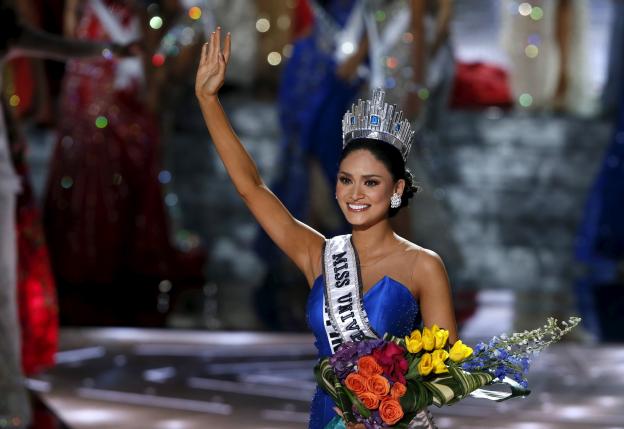
The 64th Miss Universe pageant, held on December 20, 2015, at the AXIS in Planet Hollywood Resort and Casino, Las Vegas, initially gained international notoriety for reasons unrelated to the contestants’ backgrounds. During the live broadcast, host Steve Harvey mistakenly announced Miss Colombia, Ariadna Gutiérrez, as the winner. Gutiérrez was crowned and began her first walk as the titleholder before Harvey returned to the stage to apologize, clarifying that Wurtzbach was the actual winner and Gutiérrez was the first runner-up.
The incident sparked a massive media frenzy, with the "Steve Harvey Flub" dominating headlines for days. Amidst this atmospheric tension, digital archivists and K-pop enthusiasts began exploring Wurtzbach’s social media history. They discovered that the 26-year-old Filipina-German model had a long-standing affinity for the South Korean boy band Super Junior, specifically focusing on member Choi Si-won. This discovery shifted the digital discourse from the pageant’s technical errors to Wurtzbach’s personal interests, effectively bridging two distinct global fanbases.
Chronology of the Hallyu Discovery
The timeline of Wurtzbach’s public association with K-pop predates her Miss Universe journey by several years, illustrating the genuine nature of her fandom. Digital footprints on Twitter (now X) dating back to 2009 and 2011 showed Wurtzbach—then a rising actress and model in the Philippines—frequently mentioning Super Junior.
In tweets from 2009, during the height of Super Junior’s "Sorry, Sorry" era, Wurtzbach referred to herself jokingly as "Mrs. Siwon Choi" and expressed her admiration for the group’s performances. These posts were shared during a period when K-pop was beginning its rapid expansion into the Philippine market. The discovery of these archives occurred within 72 hours of her coronation, as fans from the Philippines and South Korea began sharing screenshots of her historical posts.
By December 27, 2015, the narrative had reached the members of Super Junior themselves. Choi Si-won, who was serving his mandatory military service at the time, took to Instagram to acknowledge Wurtzbach’s victory. He posted a photo of himself alongside a congratulatory message, inviting the new Miss Universe to attend the group’s next "Super Show" concert. This interaction solidified the connection between the global pageant icon and the K-pop industry, generating millions of engagements across social media platforms.
Supporting Data: The Scale of Hallyu in the Philippines
The resonance of Wurtzbach’s K-pop fandom is best understood through the lens of the Philippines’ consumption of South Korean media. According to data from the Korea Foundation’s "Global Hallyu Status" reports, the Philippines consistently ranks as one of the top consumers of Korean dramas and music in Southeast Asia.
In 2015, Twitter data indicated that the Philippines was among the top five countries globally for K-pop-related conversations. The intersection of Miss Universe—a pageant that holds immense cultural weight in the Philippines—and K-pop created a "perfect storm" of digital engagement. During the week following the pageant, mentions of "Pia Wurtzbach" and "Siwon" trended globally, illustrating how celebrity personal interests can drive cross-cultural dialogue.
Furthermore, the popularity of Super Junior in the Philippines is historically significant. They were the first K-pop group to hold a solo concert in the country (Super Show 2 in 2010), a period that aligns with Wurtzbach’s most active years as a "stan" or dedicated fan. Her trajectory from a fan in the audience to a global icon recognized by her idol served as a powerful aspirational narrative for the "ELF" (Ever Lasting Friends) fandom, the official name for Super Junior supporters.
Official Responses and Industry Reactions
The response from the K-pop industry was both swift and strategic. Beyond Siwon’s personal greeting, other members of Super Junior, including Leeteuk and Donghae, acknowledged the news. Leeteuk, the group’s leader, posted a congratulatory message on Instagram, noting the incredible power of the "ELF" fandom and how a member of their community had become the "most beautiful woman in the universe."
SM Entertainment, the agency representing Super Junior, did not issue a formal corporate statement but allowed its artists to engage freely with the news, recognizing the positive publicity. In the Philippines, local media outlets like ABS-CBN and GMA Network, where Wurtzbach had previously worked, leaned into the story, highlighting her relatability to the average Filipino youth who grew up during the Hallyu wave.
Pageant analysts noted that this revelation served Wurtzbach well in the early days of her reign. By being open about her fandom, she dismantled the traditional, often rigid image of a Miss Universe titleholder. This accessibility helped maintain her popularity during a period that could have been overshadowed by the Harvey controversy.
Analysis of Implications: Celebrity Relatability and Brand Value
The revelation of Pia Wurtzbach’s K-pop fandom carries several implications for modern celebrity branding and international relations.

1. The Humanization of the Global Icon
Traditional pageant winners are often viewed through a lens of perfection and poise that can create a distance between the titleholder and the public. Wurtzbach’s "fangirl" history provided a layer of relatability that resonated with the millennial demographic. It demonstrated that even individuals at the pinnacle of global beauty standards participate in digital fan cultures, effectively bridging the gap between "high" and "popular" culture.
2. Strengthening Korea-Philippines Cultural Ties
The event served as a form of soft power diplomacy. The mutual recognition between a Philippine national icon and a South Korean cultural ambassador (Siwon) highlighted the deep-seated cultural exchange between the two nations. This synergy has long-term economic implications, as it encourages tourism, media consumption, and brand endorsements across borders.
3. The Power of Social Media Archives
Wurtzbach’s experience serves as a case study in the longevity of digital footprints. Tweets made years before her rise to global fame became a central part of her narrative as Miss Universe. This underscores the shift in how public figures are vetted and understood by the public; the "authentic" self discovered through old social media posts is often more valued by fans than contemporary, polished PR statements.
4. Expansion of the Pageant Audience
By linking Miss Universe to the K-pop world, the pageant organizers inadvertently tapped into one of the most organized and active digital demographics in the world. The K-pop fandom is known for its ability to mobilize and drive trends, and their embrace of Wurtzbach provided the Miss Universe Organization with increased visibility in markets where K-pop is dominant, including East and Southeast Asia.
Future Outlook and Legacy
As Pia Wurtzbach began her duties in New York City as Miss Universe, the "Siwon" narrative remained a recurring theme in her interviews. She eventually met members of Super Junior and attended their events, fulfilling the "fan-to-idol" narrative that had captivated the internet.
The 2015 Miss Universe pageant will likely be remembered for the crowning error, but for a significant portion of the global population, it also marks the moment a K-pop fan took the world stage. Wurtzbach’s reign proved that the modern Miss Universe is not just a representative of her country’s beauty, but also a participant in the globalized digital culture that defines the 21st century. Her openness about her interests set a precedent for future titleholders to share their authentic personalities, moving the pageant industry toward a more modern, relatable, and digitally integrated future.