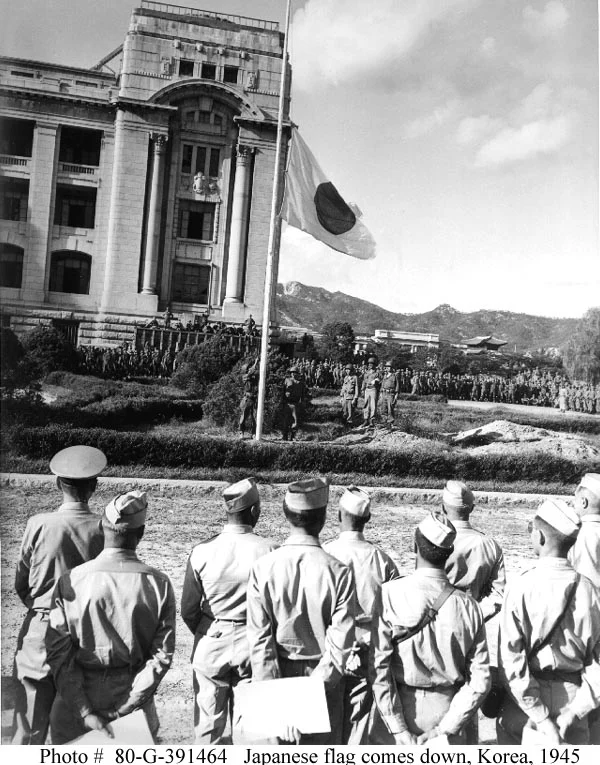
The announcement of North Korea’s first domestic smartphone, the Arirang, marks a significant intersection of technological aspiration and deep-seated cultural symbolism within the hermit kingdom. Named after the peninsula’s most beloved folk song, the Arirang smartphone—specifically the model AS1201—was unveiled during a highly publicized visit by Supreme Leader Kim Jong-un to the "May 11 Factory." While the device itself has been met with technical skepticism by international analysts, its nomenclature serves as a potent reminder of a shared Korean identity that predates the 1945 division. The introduction of this technology into the North Korean market occurs against a backdrop of heightened military tensions, yet it highlights a curious paradox: even as the North and South remain technically at war, they continue to claim the same cultural heritage to bolster their respective national narratives.
Technical Specifications and the Mystery of Production
The Arirang smartphone was presented to the North Korean public as a triumph of domestic manufacturing. During his inspection of the facility, Kim Jong-un reportedly praised the "creative ingenuity and patriotic enthusiasm" of the factory workers, noting that the production of a domestic phone is essential for national pride and security. State media reports emphasized the device’s "high pixels" and its touch-screen functionality, which were framed as cutting-edge developments for the Democratic People’s Republic of Korea (DPRK).
However, international technology experts and intelligence agencies have questioned the "domestic" nature of the device. Analysis of the hardware suggests that the Arirang is likely a rebranded version of the Uniscope U70, a budget smartphone manufactured in China. Critics argue that the phones are likely shipped from China as finished or nearly finished products and then packaged or finalized at the May 11 Factory to create the appearance of a home-grown industry. Despite these claims, the software within the phone is heavily modified to suit the DPRK’s restrictive information environment. The device runs a modified version of the Android operating system, though it lacks access to the global internet, connecting instead to the country’s domestic "Kwangmyong" intranet.
The Cultural Significance of the Arirang Name
To understand why the name "Arirang" was chosen for a piece of 21st-century technology, one must look back at the historical weight the song carries across the peninsula. "Arirang" is not merely a folk song; it is often referred to as the unofficial national anthem of both Koreas. Its origins are shrouded in mystery, with some scholars tracing its roots back over a thousand years to the Silla Dynasty, while others suggest it emerged more recently in the late 19th century.
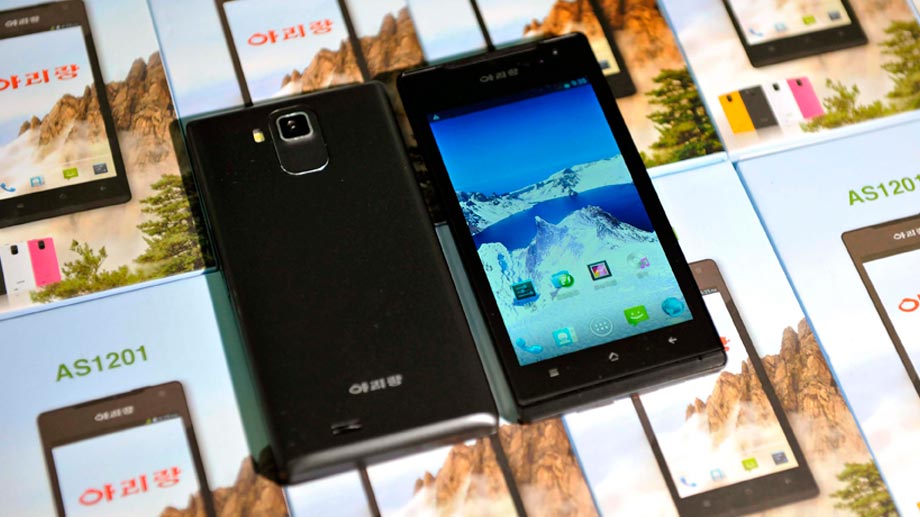
The song’s rise to prominence as a symbol of national resistance occurred during the Japanese colonial occupation (1910–1945). In 1926, filmmaker Na Woon-gyu released a silent film titled Arirang, which depicted the struggles of Koreans under imperial rule. The film and its theme song became a focal point for Korean identity, offering a sense of unity and defiance against foreign erasure of their culture. Because the lyrics—centered on a traveler crossing the Arirang Pass—were ostensibly about a lost lover, they often bypassed Japanese censors, even as audiences interpreted the "lost lover" as their lost national sovereignty.
In the modern era, the song has been institutionalized by both governments. In 2012, following an intensive diplomatic push by the Republic of Korea (South Korea), UNESCO added "Arirang" to the Representative List of the Intangible Cultural Heritage of Humanity. Not to be outdone, North Korea submitted its own version of the song for UNESCO recognition shortly thereafter, which was officially inscribed in 2014. This "Arirang war" in the halls of international diplomacy underscores how both regimes view the song as a primary vessel for Korean legitimacy.
Chronology of Cultural and Political Tensions
The launch of the Arirang smartphone follows a timeline of regional friction that has defined the early 21st century.
- 1910–1945: Japanese colonial rule establishes the foundation for "Arirang" as a song of resistance.
- 1950–1953: The Korean War results in the division of the peninsula along the 38th parallel, creating two distinct political entities claiming the same cultural history.
- 2002: The "Arirang Mass Games" begin in Pyongyang, a massive gymnastic and artistic festival used by the North to demonstrate state discipline and unity.
- 2012: South Korea successfully registers "Arirang" with UNESCO, prompting a competitive cultural response from the North.
- August 2013: Kim Jong-un visits the May 11 Factory, officially introducing the Arirang smartphone to the domestic market.
- 2013–Present: Escalating maritime disputes between South Korea and Japan over the Liancourt Rocks (known as Dokdo in Korea and Takeshima in Japan) continue to fuel nationalist sentiment.
The Economic and Diplomatic Battleground
The rivalry between the two Koreas is mirrored by the economic competition between Korea and Japan. For decades, the global electronics market was dominated by Japanese giants like Sony and Panasonic. However, the rise of South Korea’s Samsung and LG has shifted the balance of power in East Asia. Samsung’s Galaxy series of smartphones has become the primary global competitor to Apple’s iPhone, a feat of industrial prowess that serves as a source of immense pride in Seoul.
North Korea’s attempt to enter this arena with the Arirang phone, however rudimentary, is an attempt to signal that it, too, is a player in the digital age. By naming the phone Arirang, the DPRK leadership is attempting to bridge the gap between traditional nationalism and modern technological advancement. It is a strategic move to ensure that the North Korean population views the state as a provider of modern conveniences, even as the country remains largely isolated from the global economy.

Furthermore, the diplomatic landscape remains fraught. The dispute over the Liancourt Rocks remains a perennial flashpoint in Seoul-Tokyo relations. Despite their shared democratic values and security alliances with the United States, South Korea and Japan remain locked in a cycle of historical grievances related to the "comfort women" issue and forced labor during the colonial era. In this context, "Arirang" remains a powerful tool for South Korean politicians to galvanize public sentiment against perceived Japanese revisionism.
The Paradox of Hallyu in the North
While the North Korean government promotes the Arirang phone as a symbol of its own ingenuity, it simultaneously fights a silent battle against the "Korean Wave" or Hallyu from the South. Reports from defectors and human rights organizations indicate that South Korean dramas (K-Dramas) and pop music (K-Pop) are smuggled into the North via USB sticks and DVDs. These cultural exports are highly popular among the North Korean youth, who find the depictions of South Korean prosperity and lifestyle alluring.
The DPRK has responded to this cultural "invasion" with a two-pronged strategy. First, it has increased surveillance and punishment for those caught consuming Southern media. Second, it has attempted to create its own version of modern pop culture. The Moranbong Band, an all-female musical group personally selected by Kim Jong-un, performs in a style that mimics Western and South Korean pop aesthetics but with lyrics that praise the regime. The Arirang smartphone is part of this broader effort to provide a "sanitized" version of modernity that satisfies the public’s desire for technology without exposing them to the ideological risks of foreign media.
Analysis of Implications
The introduction of the Arirang smartphone and the continued prominence of its namesake folk song suggest several key implications for the region.
First, cultural heritage remains the most effective tool for political mobilization on the Korean peninsula. Whether it is a smartphone in Pyongyang or a UNESCO application in Seoul, the name "Arirang" is used to validate the state’s role as the "true" protector of Korean identity. This suggests that any future moves toward reunification or even peaceful coexistence will likely need to be built on these shared cultural foundations rather than political or economic agreements alone.
Second, the "tech-nationalism" displayed by North Korea indicates a shift in the regime’s propaganda strategy. By focusing on consumer electronics, the state is acknowledging a growing demand for modernization among its citizens. However, by keeping the technology tethered to a closed intranet, they are attempting to achieve "modernization without liberalization."
Finally, the cross-border appeal of Korean culture—from the 1930s popularity of "Arirang" in Japan to the modern popularity of K-Pop in the North—proves that aesthetic and emotional resonance can transcend even the most rigid political boundaries. The "Arirang" melody, described by many as a vessel for han—a uniquely Korean sentiment of collective grief and hope—continues to resonate because it speaks to a shared historical experience of trauma and endurance.
As the Arirang smartphone finds its way into the hands of the North Korean elite and middle class, it carries with it more than just the capability to make calls or take photos. It carries a name that has survived empires, wars, and ideological divides. While the hardware may be imported and the software restricted, the name remains a testament to a cultural unity that neither side is willing to relinquish. In the complex theater of East Asian geopolitics, "Arirang" remains the most enduring script, performed by different actors but always following the same haunting melody of a people divided by politics but joined by a song.