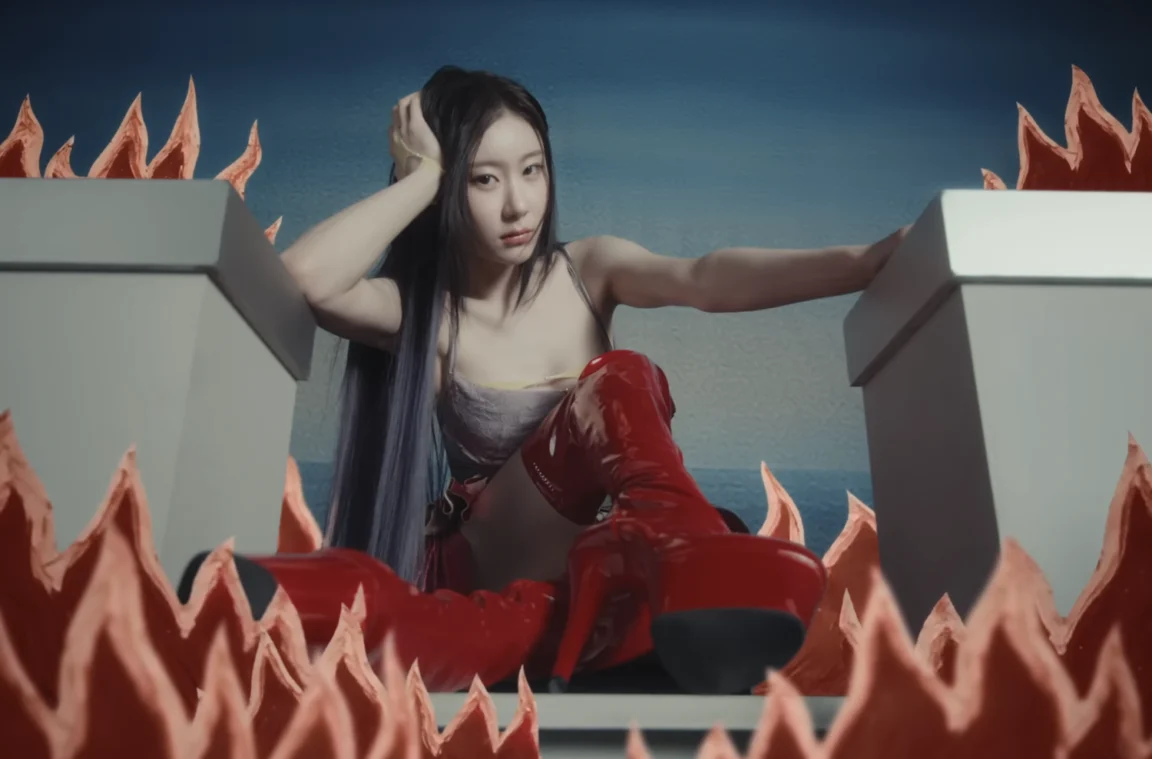
This spring season has witnessed an unexpected yet compelling artistic trend in K-pop music videos: a pronounced focus on limited color palettes, predominantly black, grey, and white, or carefully curated hues. This stylistic choice, a departure from the often vibrant and saturated aesthetics associated with K-pop, has not curtailed artistic expression but rather amplified it, allowing for a wide range of thematic explorations. From gritty realism to ethereal surrealism, artists are leveraging color, or its deliberate absence, to craft impactful visual narratives that resonate deeply with their music. This analysis delves into several recent comebacks, examining how K-pop acts have masterfully employed color, or its restraint, to convey complex emotions, define artistic identities, and engage audiences on a profound level.
Thematic Deep Dive: Grayscale Narratives and Raw Emotion
The deliberate desaturation of color in music videos often serves to underscore raw emotion, gritty realism, or intense psychological states. This spring, several artists have opted for such palettes, creating a powerful cinematic experience.
Wheein: "The Symphony of Fxxkboys" – A Cinematic Grime
Wheein’s "The Symphony of Fxxkboys" stands out as one of the most visually unvarnished K-pop music videos of the season, embracing a stark, grungy aesthetic that perfectly complements its thematic intensity. The video’s color palette is severely restricted to blacks, greys, and muted pops of blue and yellow, creating an atmosphere of desolation and decay. This visual choice is not merely stylistic; it is integral to the narrative, featuring unsettling imagery such as dirty water on a restroom floor, reinforcing the grime and toxicity inherent in the song’s subject matter. The all-English pop-rock ballad delves into the complexities of a toxic relationship, a departure from Wheein’s established R&B and ballad-focused solo work and her vibrant group activities with Mamamoo. This genre experimentation showcases a burgeoning artistic versatility, allowing her to explore a more aggressive and raw vocal delivery that convincingly sells the rock sensibility.
Beyond the central romantic conflict, the music video expands its scope to touch upon broader societal issues. It weaves parallel plot lines depicting social isolation, bullying, and child neglect, with poignant scenes of a young girl navigating an unkempt home, her solitude underscored by discarded snack bags and towering piles of potato chips in a shopping cart—a stark visual metaphor for accumulating trauma. This multi-layered narrative elevates the song from a personal lament to a broader commentary on shared human struggles. The latter half of the MV introduces a diverse ensemble of individuals gathering under a bridge, suggesting the universality of trauma and hinting at the potential for collective healing through shared experience. This nuanced approach to visual storytelling positions Wheein not just as a vocalist, but as an artist capable of profound social commentary, pushing the boundaries of what K-pop music videos can achieve beyond mere entertainment. Her ability to pivot genres and tackle such heavy themes marks a significant development in her solo career, resonating with a global audience increasingly appreciative of authentic and thought-provoking content.
Taeyong: "Wyld" – The Primal Shift to Red
NCT’s Taeyong, known for his distinct artistry and captivating stage presence, made a compelling solo comeback with "Wyld," a music video that masterfully employs color to track a descent into primal instincts. The visual journey begins in a purely steely black and white, establishing a stark, almost clinical atmosphere. This initial monochrome palette serves to emphasize the raw, unfiltered nature of the animalistic desires that form the core theme of the track. Visual references to creatures like ants, scorpions, and snakes—traditional symbols of temptation, danger, and the subconscious—are woven throughout, culminating in Taeyong’s own guttural "uh" sounds and crawling movements in the post-chorus, embodying a raw, untamed energy.
As the narrative progresses and the song’s intensity builds, a dramatic shift occurs: red saturates the screen, becoming the dominant hue after the first verse. This introduction of red is highly symbolic, signifying carnal pleasures, passion, and the embracing of forbidden desires. Taeyong subverts classical narratives by willingly indulging in sources of temptation, such as the pomegranate and apple, drawing parallels to Greek mythology and biblical stories but with an empowered twist. This choice underscores a theme of conscious engagement with one’s wilder side rather than succumbing to external forces. Musically, "Wyld" mirrors its visual unpredictability, moving from laid-back, growling rap verses to a hypnotic, lower-register "La la la la la" refrain. What might initially seem repetitive transforms into a captivating element as the song progresses, building through an extended bridge to an explosive final chorus. This musical climax is perfectly synchronized with an equally explosive visual scene, depicting Taeyong’s apparent rebirth into a new, transformed body. The return of the "la la la’s" in this powerful final chorus provides a satisfying resolution, making all disparate elements coalesce. "Wyld" solidifies Taeyong’s unique sonic and visual identity as a solo artist, demonstrating his commitment to pushing creative boundaries and crafting a singular artistic vision.
Conceptual Artistry: Reinvention and Empowerment
Beyond conveying emotion, color and visual metaphors are potent tools for defining artistic identity and delivering powerful messages of empowerment and reinvention. This spring, several artists have utilized these elements to cultivate unique spaces within the K-pop landscape.
Xlov: "Serve" – Regal Tones and Radical Agency
Xlov, a group consistently challenging K-pop norms with their genderless concept, continued to carve out a unique artistic identity with "Serve." The song, a smooth midtempo track characterized by chill house beats and breathy vocals, exudes an aura of elegance that is meticulously mirrored in its visual presentation. The music video is awash in sumptuous styling and rich jewel tones within its production design, reinforcing a regal concept that speaks to power and sophistication. This aesthetic choice is not merely decorative; it enhances the group’s message of self-possession and elevated artistry.
"Serve" cleverly integrates a callback to the chessboard motif from their debut track, "I’mma Be," but with a significant reversal of dynamics. While their debut depicted a member as a pawn being strategically removed, "Serve" shows member Wumuti advancing a knight piece to the end of the board in an early scene. This visual immediately signals a shift from vulnerability to agency. Later, Hyun appears wielding a sword, further symbolizing strength and readiness for battle. The narrative introduces actress Han Sohee as a "scared pawn-like character" who seeks refuge in Xlov’s castle. As Xlov embraces her, she undergoes a transformation, gaining personal power and eventually brandishing a sword akin to Hyun’s. This powerful visual allegory, reinforced by Wumuti’s teaser narration—"When a pawn reaches the end of the board, it can be reborn as anything it chooses"—underscores the MV’s central theme of reinvention and self-empowerment.
A particularly significant artistic choice is Xlov’s incorporation of voguing for the first time in "Serve." Historically, voguing emerged as a powerful form of expression and empowerment for queer people of color, offering a space for identity and defiance. Xlov’s adoption of voguing, alongside the chess metaphor, champions self-confidence and personal agency, values that are integral to their pioneering genderless concept in K-pop. This intentional fusion of dance, symbolism, and a bold conceptual framework not only showcases Xlov’s unique artistry but also contributes to broadening the scope of representation and thematic depth within the K-pop industry, reinforcing their role as innovators. The inclusion of a mainstream actress like Han Sohee also elevates the production’s profile, drawing wider attention to their progressive message.
Cortis: "RedRed" – The Deliberate Chaos of Complementary Hues
Cortis made a striking comeback with "RedRed," a track that encapsulates their distinctive "rage hip-hop" style while pushing their artistic boundaries. The song, which features heavy autotune and a repetitive yet infectious hook, is propelled by a particularly captivating electroclash instrumental, marking it as potentially their strongest release to date. The accompanying "conceptual performance film" further elevates the track’s catchiness with memorable point choreography, seamless formation changes, and precise footwork, demonstrating a refined artistic direction despite the apparent rawness.
True to its title and the EP’s moniker, GreenGreen, the music video for "RedRed" adheres to a strict palette of complementary colors: red and green. A slightly gritty green tinge permeates the visuals, contributing to an overall raw and unfiltered aesthetic. This color scheme is deeply embedded in the song’s lyrical content, where Cortis uses red to symbolize ideas they oppose—such as inauthenticity and conformity—and green to represent their core values, including freedom and creativity. This direct visual-lyrical correlation provides a clear and impactful articulation of their artistic philosophy.
Cortis frequently embraces a refreshingly unapologetic silliness, exemplified by their declaration that "covering your butt" is "red"—a playful jab at conventionality. The music video mirrors this unserious vibe, depicting the members playfully interacting in various public spaces like restaurants and arcades. The MV’s production often appears deliberately chaotic and amateurish, employing rapid jump cuts, repeated shots, freeze frames, and frenetic camera movements. This seemingly raw and unpolished approach is, paradoxically, a highly intentional artistic choice. The overall effect brilliantly reflects Cortis’s unique appeal: a fun, spontaneous quality that belies the meticulously crafted nature of their work. This deliberate embrace of a "lo-fi" aesthetic within a highly polished industry allows Cortis to project authenticity and rebellion, resonating with an audience that values originality and a distinct voice over conventional perfection. Their ability to fuse genre-bending music with a visually audacious style solidifies their position as an exciting and innovative act in K-pop.
Narratives of Resilience and Evolution
K-pop music videos often serve as powerful platforms for artists to share personal journeys, mark significant transitions, and evolve their public image. This spring has showcased compelling narratives of resilience and growth through thoughtful visual storytelling.
Lee Chaeyeon: "No Tears on the Dance Floor" – A Comeback in Color and Courage
April marked a pivotal comeback for Lee Chaeyeon, her first since enduring a serious spinal injury and subsequently parting ways with WM Entertainment. Now signed to the new label Day One Dream, her return with "No Tears on the Dance Floor" is deeply imbued with personal significance, featuring lyrics that powerfully resonate with the hardships she has overcome. The song centers on the theme of perseverance, portraying the dance floor as a sanctuary from personal pain and a space for uninhibited self-expression.
The music video’s color grading meticulously dramatizes these themes, creating a vivid visual representation of her emotional journey. During the more vulnerable verses, when Chaeyeon is depicted in enclosed, often restrictive spaces like a photo booth or a subway platform, she is bathed in melancholic green or blue hues. These cooler tones visually articulate moments of isolation, introspection, and the internal struggles she has faced. In stark contrast, the chorus scenes explode with bright, illuminating light, showcasing Chaeyeon in her true element on the dance floor. This vibrant illumination symbolizes liberation, strength, and the triumph of spirit, visually asserting the song’s message that joy and freedom can be found through movement.
The dance-pop track itself masterfully highlights Chaeyeon’s strengths, particularly her distinctive chest voice, which adds a unique warmth and emotional depth. The song culminates in a disco-influenced instrumental outro, providing the perfect stage for Chaeyeon to display her widely lauded dancing prowess. This strategic focus on her core talents, combined with the deeply personal narrative woven into the lyrics and visuals, creates a cohesive and moving artistic statement. "No Tears on the Dance Floor" is more than just a comeback; it is a promising reintroduction for Lee Chaeyeon, capturing both her undeniable skills and her compelling story of resilience, resonating warmly and emotionally with both new and long-standing fans.
Itzy: "Motto" – Pastel Nostalgia and Fan Foundations
Itzy’s latest title track, "Motto," signals a refreshing shift for the group, embracing an upbeat, melodic synthpop sound reminiscent of 3rd generation K-pop girl groups like Twice and IZ*ONE. This nostalgic sound is a welcome evolution, offering a fully developed pop song with energetic bursts, particularly in the climactic final chorus after the bridge. This stylistic pivot marks a departure from Itzy’s more recent, darker title tracks, showcasing their versatility and willingness to explore different sonic territories.
The music video for "Motto" visually complements this shift with a pastel, painterly surrealism that creates a dreamlike aesthetic. While a new direction, influences from individual members’ solo work are discernible, such as the candy-colored dreamscape of Yuna’s "Ice Cream" and the bright synths of Yeji’s "Air." Crucially, "Motto" also visually asserts its place within Itzy’s established lineage. The MV ingeniously opens with a series of dioramas, miniature sets recreating iconic scenes from Itzy’s past music videos, from their debut "Dalla Dalla" to "Sneakers." The final diorama depicts a white castle, which then becomes the central setting for the rest of "Motto," creating a powerful sense of continuity and journey.
Historically, Itzy’s music videos often concluded with their signature crown pose, symbolizing self-confidence and empowerment. "Motto" foregoes this specific move, opting instead for the visual metaphor of constructing a castle using seemingly handcrafted sets. This imagery directly reflects the song’s lyrics, which speak to how love and support render them "fearless" even when feeling "alone and so lost in the dark." The castle, therefore, becomes a tangible representation of the strength and foundation built upon the unwavering support of their fans. This deliberate shift from a personal crown of confidence to a collaboratively built castle symbolizes a maturing understanding of their identity, acknowledging that their resilience and success are deeply intertwined with their fanbase. "Motto" thus functions as an affectionate tribute to their fans, celebrating them as the enduring foundation of the group’s confidence and journey.
The Spectrum of Human Experience: Healing Through Harmony
While many MVs this season explored limited palettes, AKMU’s release stood as a testament to the power of a broader, yet carefully curated, color spectrum to convey profound human experiences.
AKMU: "Joy, Sorrow, A Beautiful Heart" – Gentle Hues of Healing
In contrast to the restricted palettes prevalent this season, AKMU’s "Joy, Sorrow, A Beautiful Heart" embraces the full spectrum of color, yet with a gentle and deliberate restraint. The music video is bathed predominantly in soft, earthy morning light, creating a calming and intimate atmosphere. This warm, inviting palette is perfectly suited to the song’s deeply personal and healing narrative. Lee Chanhyuk penned this ballad for his sister, Suhyun, during a period when she was grappling with depression, and the MV beautifully dramatizes her journey from isolation to a renewed connection with community.
The video unfolds with scenes of AKMU and their friends engaging in creative activities, frolicking in whimsical costumes, and planting a tree in the desert—images that strike a perfect balance between warmth, hope, and lighthearted whimsy. Another particularly poignant scene depicts the group posing for a photograph, evoking a gentle melancholy as Chanhyuk’s vocals soar over a piano outro. These shifting tones within the MV precisely match the profound sentiments of the chorus, sung in harmonious duet by Chanhyuk and Suhyun:
Your tears in harmony with your laughter
Nothing in the world is better than this
Cloudy days, sunny days, aching days
Fit them together piece by piece and you’ll see the completed puzzle
The lyrics are a powerful affirmation of the entirety of human experience, acknowledging that both joy and sorrow are essential components of life’s "completed puzzle." Even as the music video culminates in a symbolic cataclysm, the overarching message remains one of profound comfort and acceptance. "Joy, Sorrow, A Beautiful Heart" ultimately affirms the preciousness of life, not despite its cloudy, aching, and even finite moments, but precisely because of them. AKMU’s ability to translate such a deeply personal and universal message into a visually tender and emotionally resonant experience highlights their unique artistry and their consistent dedication to crafting music that heals and inspires.
Broader Implications and Industry Trends
The diverse and intentional use of color palettes, or their deliberate absence, across these spring K-pop comebacks signifies a broader artistic maturation within the industry. The trend of leveraging limited color schemes, as seen with Wheein and Taeyong, reflects an increasing willingness to explore darker, more introspective, or gritty themes, moving beyond the traditionally bright and saccharine aesthetics often associated with K-pop. This strategic visual choice allows artists to convey complex emotional depth and cinematic narratives, attracting a more diverse global audience that appreciates nuanced storytelling.
Furthermore, the emphasis on unique artistic identities and empowerment, exemplified by Xlov’s genderless concept and Cortis’s rebellious amateurism, indicates a growing push against conventional K-pop molds. These acts are consciously using visual language—be it voguing, chess metaphors, or deliberately chaotic filming—to champion self-confidence, challenge norms, and articulate a distinct philosophy. This movement towards greater individuality and conceptual depth enriches the K-pop landscape, offering more varied artistic expressions and fostering a sense of authenticity.
The narratives of resilience and evolution, as embodied by Lee Chaeyeon’s triumphant comeback and Itzy’s fan-centric reimagining, underscore the increasing importance of personal storytelling in K-pop. Music videos are no longer just promotional tools but serve as visual diaries, chronicling artists’ journeys, struggles, and growth. The use of symbolic colors (Chaeyeon’s green/blue to bright light) or narrative continuity (Itzy’s past MV dioramas) strengthens the emotional connection between artists and their audience, turning comebacks into significant milestones.
Finally, AKMU’s poignant exploration of healing through a gentle yet full spectrum of color highlights K-pop’s growing capacity to address profound human experiences like mental health and the complexities of life. This demonstrates a movement towards more empathetic and universally resonant themes, solidifying music’s role as a source of comfort and reflection.
In essence, these spring releases collectively illustrate a dynamic and evolving K-pop industry where visual aesthetics are meticulously crafted to amplify thematic content, define artistic identities, and foster deeper connections with a global audience. The creative choices in color and narrative structure are not mere decoration; they are integral components of sophisticated artistic statements, pushing the boundaries of what K-pop music videos can achieve as a powerful and nuanced art form.