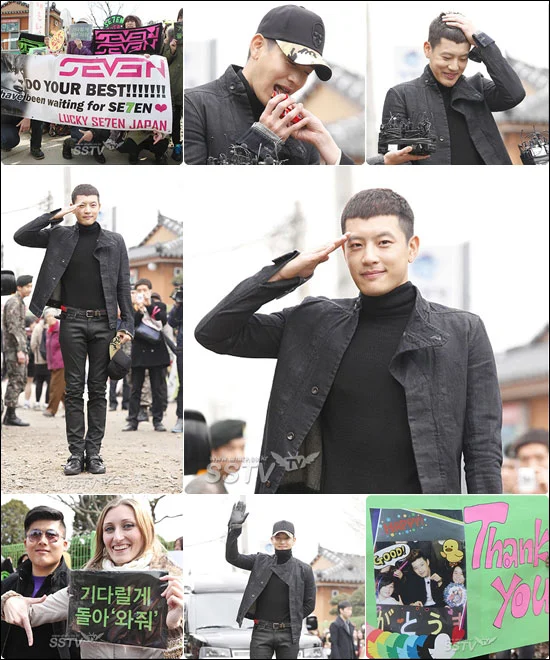
The South Korean Ministry of National Defense recently faced an unprecedented wave of public scrutiny following a series of high-profile disciplinary breaches by celebrity soldiers, leading to a fundamental reassessment of how the nation manages high-profile conscripts. At the center of this controversy are singers Se7en (Choi Dong-wook) and Sangchu (Lee Sang-chul) of the hip-hop duo Mighty Mouth, whose conduct during their mandatory military service has ignited a fierce national debate regarding the perceived special treatment of entertainers. The incident, captured by investigative journalists, has not only tarnished the reputations of the individuals involved but has also cast a shadow over the Defense Media Agency’s promotional unit, an arm of the military designed to boost morale and improve the public image of the armed forces.
The Foundation of Mandatory Conscription in South Korea
To understand the gravity of the current scandal, one must first consider the socio-political landscape of the Korean Peninsula. Since the signing of the 1953 armistice, which halted the active hostilities of the Korean War without a formal peace treaty, South Korea has remained technically at war with its northern neighbor. Consequently, the South Korean government maintains a system of universal conscription to ensure a state of constant military readiness. Under the Military Service Act, all able-bodied male citizens are required to serve approximately 21 to 24 months in the military, typically between the ages of 18 and 28.
For the average South Korean male, this period is viewed as a significant sacrifice. It represents a mandatory hiatus from higher education, career development, and personal life. Soldiers are often stationed in remote mountainous regions or along the heavily fortified Demilitarized Zone (DMZ), where they endure rigorous physical training, strict curfews, and limited contact with the outside world. This shared hardship is considered a rite of passage and a fundamental duty of citizenship. Because the burden is shared so broadly, the South Korean public is exceptionally sensitive to any perceived inequality or "unfair" advantages granted to specific individuals, particularly those in the public eye.
The Rise of the Celebrity Recruit System
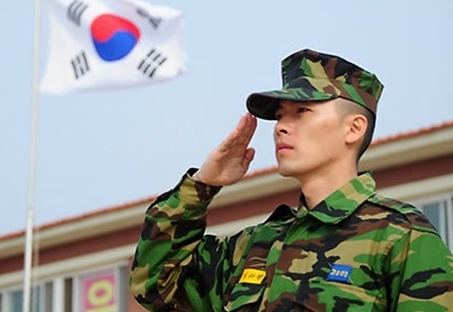
Recognizing the influence of pop culture stars, the Ministry of National Defense established a specialized unit within the Defense Media Agency (DMA) to utilize the talents of conscripted entertainers. These "celebrity recruits" or "public relations soldiers" were tasked with hosting military radio programs, performing in promotional concerts for active-duty troops, and appearing in recruitment films. The rationale was twofold: to boost the morale of ordinary soldiers through entertainment and to use the "Hallyu" (Korean Wave) stars to project a positive image of the military to the civilian population and international audiences.
However, the system has long been dogged by rumors of "preferential treatment." Critics argued that celebrity recruits enjoyed significantly more vacation days, were allowed to wear civilian clothing more frequently, and were exempt from the grueling physical labor and guard duties that define the experience of the rank-and-file soldier. While the Ministry of Defense historically defended the unit as a necessary PR tool, the recent actions of Se7en and Sangchu provided the evidence critics needed to demand the unit’s dissolution.
Chronology of the Scandal: From Rain to Se7en
The current crisis did not emerge in a vacuum. In early 2013, the global superstar Rain (Jung Ji-hoon) faced disciplinary action after he was photographed on unauthorized dates with actress Kim Tae-hee while on official military duty. Though Rain received a relatively light punishment—a week of confinement for reflection—the incident sowed the seeds of public resentment.
The situation reached a breaking point on June 25, 2013, following a report by the SBS investigative program On Site 21. The program tracked several celebrity recruits after they performed at a military-sponsored concert in Chuncheon to commemorate the 63rd anniversary of the start of the Korean War. The footage captured by SBS revealed a series of systemic violations:

- Unauthorized Departure and Attire: After the performance, several recruits, including Se7en and Sangchu, were seen leaving their motel in civilian clothing, a direct violation of military protocol which requires soldiers to remain in uniform while on duty or away from their base on official business.
- Curfew and Alcohol Consumption: The soldiers were observed consuming alcohol and using personal mobile phones—devices that were strictly prohibited for conscripts at the time—well past the mandated military curfew.
- Prostitution Allegations: Most damningly, at approximately 3:30 AM, Se7en and Sangchu were filmed entering a massage parlor known for providing adult services, often referred to colloquially as "knee therapy" by those attempting to mask the nature of the visit. They remained inside for nearly two hours.
- Physical Altercation with Press: Upon exiting the establishment, the two soldiers were confronted by SBS journalists. Rather than complying with questions, the recruits engaged in a physical struggle with the reporters, attempting to seize their microphones and cameras. This aggressive behavior was broadcast to millions, causing an immediate national outcry.
Official Responses and the "Knee Therapy" Defense
In the immediate aftermath of the SBS broadcast, the Ministry of National Defense launched a special audit into the Defense Media Agency. The initial defense offered by military officials was met with widespread derision. Spokespersons claimed the soldiers visited the massage parlor for "medical purposes" to treat persistent knee injuries, a narrative that failed to explain why such treatment was sought at 4:00 AM at a commercial adult establishment rather than a military medical facility.
Sangchu later attempted to take full responsibility, stating that as the senior soldier, he had led the younger Se7en to the establishment and that their intentions were misunderstood. However, the SBS report further complicated matters by revealing that celebrity recruits had access to luxuries unheard of in standard barracks: private gyms, video game consoles, and regular access to the internet. One anonymous recruit’s complaint that their schedule of 20 performances a month was "exhausting" was particularly poorly received by the public, who contrasted it with the life of frontline soldiers patrolling the border in sub-zero temperatures.
Data on Military Exemptions and Fairness
The controversy has reignited discussions regarding who should be exempt from service. Currently, the law allows for exemptions for Olympic medalists and certain award-winning classical musicians, on the basis that their achievements enhance national prestige. Before his enlistment, Se7en himself had publicly suggested that Hallyu stars contribute as much to the national brand as athletes and should be considered for similar exemptions.
However, public sentiment remains firmly against this. Data from various social polls conducted in the wake of the scandal indicated that over 70% of respondents believed the celebrity recruit system should be abolished. The consensus is that while Hallyu is a valuable economic asset, pop stars are products of a commercial market rather than national representatives in the same vein as Olympic athletes. Furthermore, the sheer volume of entertainers in the "over-saturated" K-pop market suggests that the temporary absence of one star for 21 months does not constitute a national crisis.

Implications for the Future of the Defense Media Agency
The fallout from the Se7en and Sangchu incident has been swift and severe. The Ministry of National Defense, realizing that the PR unit had become a PR liability, took the drastic step of announcing the total abolition of the celebrity recruit system in July 2013. The 15 remaining celebrity soldiers were reassigned to standard field units to serve out the remainder of their terms as "ordinary" soldiers.
The implications for the entertainment industry are significant. The era of "safe" military service for stars—where they could maintain their public profile through military-sanctioned performances—has effectively ended. Future stars entering the military, such as members of globally recognized groups, will now be under immense pressure to serve in "active duty" roles to avoid the stigma of the celebrity recruit era.
Conclusion: A Turning Point in Conscription Policy
The scandal involving Se7en, Sangchu, and the Defense Media Agency serves as a landmark case in the history of South Korean conscription. It highlights the delicate balance between the military’s desire for modern public relations and the public’s demand for absolute fairness in the fulfillment of national duties.
For the Ministry of Defense, the lesson is clear: no amount of positive publicity generated by a celebrity can outweigh the damage caused by the perception of a two-tiered justice system. For the entertainers, the incident serves as a cautionary tale; in a society that values the collective sacrifice of the military, attempting to bypass the hardships of service can lead to the permanent forfeiture of public trust. As the Ministry moves forward with its investigation and the subsequent restructuring of its media units, the focus has shifted back to the core principle of the South Korean military: that all men, regardless of their status in civilian life, are equal under the flag of the Republic.