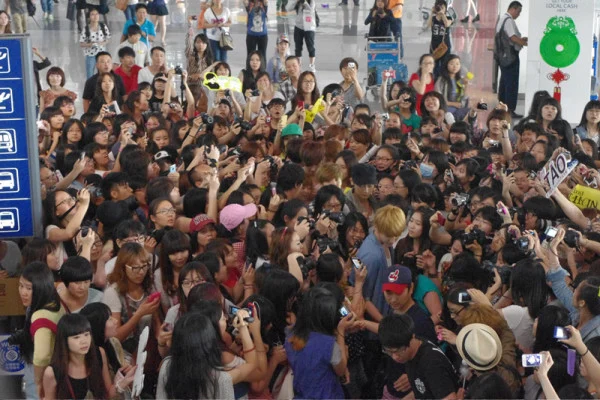
K-pop fans are often characterized by their unparalleled dedication, a force that can mobilize millions of dollars for charity, organize intricate global events, and sustain an industry that has become one of South Korea’s most significant cultural exports. From donating massive "rice wreaths" to support local communities in an idol’s name to funding elaborate LED billboard advertisements in Times Square, the positive impact of organized fandom is undeniable. However, this level of devotion often carries a darker undercurrent. The same passion that fuels a group’s success can frequently manifest as a toxic sense of entitlement, leading to harassment, privacy invasions, and a stifling control over the personal lives of the artists. As the industry continues to grow, the tension between fan support and fan interference has reached a critical juncture, raising questions about the boundaries of the "consumer" in the realm of human entertainment.
A Pattern of Targeted Harassment: The Case of Krystal Jung
The volatile nature of fan reactions was starkly illustrated through the experiences of f(x) member Krystal Jung. In 2013, Krystal was forced to deactivate her Instagram account, @kjungxox, following a relentless wave of cyberbullying. The catalyst for the harassment was not a scandal or a professional failure, but rather a series of "likes" on her photos by Big Bang leader G-Dragon. This minor interaction on social media sparked immediate and aggressive dating rumors among a subset of G-Dragon’s fanbase.
The aftermath was swift and severe. Krystal’s comment sections were flooded with vitriolic messages, ranging from insults to threats. Furthermore, the singer faced multiple hacking attempts on her account, compromising her digital security and personal privacy. This incident highlighted a recurring theme in K-pop culture: the "possessive fan" dynamic. In this framework, female idols are often viewed as threats to the perceived "availability" of male idols, leading to a disproportionate amount of harassment directed toward women in the industry. The deletion of Krystal’s account served as a somber reminder that social media, intended to bridge the gap between artists and fans, often becomes a primary tool for targeted abuse.
The "Only 13" Movement and the Exclusion of Henry and Zhou Mi
The internal politics of fandom can also impact the structural integrity of the groups themselves. Super Junior, one of the most iconic "second-generation" K-pop groups under SM Entertainment, has long dealt with a fractured fanbase regarding its membership. The "Only 13" movement—a group of fans dedicated to the original thirteen-member lineup—consistently opposed the inclusion of Henry Lau and Zhou Mi as official members of the main group.
Despite their significant contributions to the sub-unit Super Junior-M, Henry and Zhou Mi were frequently treated as "guest members" or outsiders. In July 2013, the tension reached a boiling point when Super Junior member Eunhyuk felt compelled to issue a public statement clarifying the boundaries. He stated that Henry and Zhou Mi were officially members of Super Junior-M but not the core Super Junior group. This clarification was a direct response to aggressive demands from fans who insisted on a strict hierarchy. This scenario demonstrated how fans attempt to exert control over corporate and creative decisions, often at the expense of the mental well-being and professional status of the artists involved. The exclusion of Henry and Zhou Mi remains a textbook example of how fan-driven "purity" can lead to systemic marginalization within a group.

The Apology for Normalcy: Jonghyun’s Movie Theater Incident
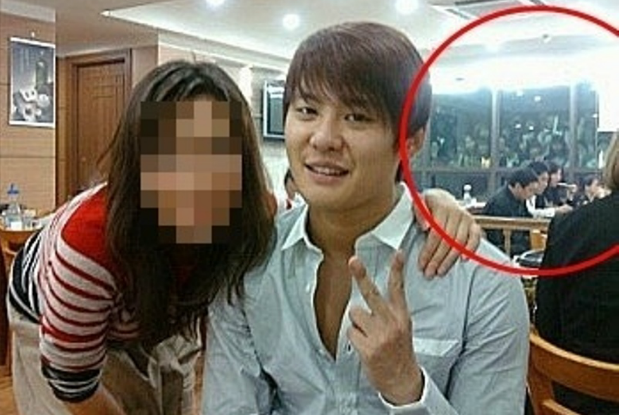
Perhaps the most telling example of the restrictive nature of K-pop fandom occurred in August 2013, involving SHINee’s lead vocalist, Jonghyun. After being spotted at a movie theater with a female acquaintance, photos of the outing began circulating on various online community sites, such as Bestiz. The mere suggestion of a romantic involvement—or even just a platonic friendship with a woman—triggered a wave of scrutiny that forced Jonghyun to issue a public apology on Twitter.
In his statement, Jonghyun clarified that he was merely out with friends and expressed regret for causing any "hurt" or concern. His words, "Even though it’s not something I should be sorry about, I’m sorry," encapsulated the tragic irony of the idol-fan relationship. Idols are frequently pressured to apologize for engaging in normal human behaviors, such as dating, socializing, or simply existing in public spaces. This culture of forced contrition reinforces the idea that an idol’s life is not their own, but a product owned by the consumer.
The Physical Dangers of the "Airport Culture"
The entitlement of fandom is not limited to digital harassment; it frequently spills over into physical spaces, most notably at international airports. In the K-pop industry, "airport fashion" has become a marketed event, but the lack of adequate security often results in dangerous stampedes. Fans frequently swarm artists, shoving cameras into their faces, pulling at their clothing, and occasionally causing physical injury to both the idols and other fans.

Documentation from events involving groups like EXO and SHINee shows a pattern of chaos where artists are visibly distressed, yet companies often remain silent. The refusal to implement stricter security measures or to reprimand fans for dangerous behavior stems from a fear of alienating the customer base. This passivity creates an environment where physical boundaries are non-existent, and the safety of the artist is secondary to the fan’s desire for a close-up photograph or physical contact.
The Psychology of the Parasocial Relationship
At the heart of these issues lies the "parasocial relationship"—a one-sided relationship where the fan extends emotional energy, interest, and time toward a celebrity who is unaware of their existence. While these relationships are common in global entertainment, the K-pop industry intentionally cultivates them through "fan service," private messaging apps (like Lysn or Bubble), and a marketing strategy that emphasizes an idol’s "availability."
When fans invest heavily in an idol—not just financially by buying albums and merchandise, but emotionally by supporting them through "wars" with other fanbases—they begin to view the idol as a character in their own personal narrative. When that "character" deviates from the script—by dating, changing their image, or expressing an unpopular opinion—the fan feels a sense of betrayal. This perceived betrayal is what fuels the "blind negativity" and the demand for apologies for non-offenses.

The Industry’s Role and the Need for Systemic Change
For the culture to shift, a multi-faceted approach is required involving agencies, the artists, and the fans themselves.
- Agency Accountability: Entertainment companies like SM, YG, and JYP must prioritize the safety and mental health of their artists over short-term profit. This includes taking legal action against malicious commenters and hackers, as well as providing robust security during public appearances.
- Artist Assertiveness: While the "idol image" requires a certain level of politeness, there is a growing need for artists to set boundaries. When idols like Jonghyun feel the need to apologize for going to a movie, it reinforces a standard that is unsustainable and psychologically damaging.
- Fan Self-Regulation: The most effective change must come from within the fandoms. Mature fans must hold others accountable for inappropriate behavior. The same organizational skills used to fund charities should be applied to discouraging "sasaeng" (stalker) behavior and online harassment.
Conclusion: Moving Toward a Sustainable Future
The K-pop industry stands as a marvel of modern marketing and artistic talent, but its foundation is currently strained by an unhealthy power dynamic. The "customer is always right" philosophy cannot apply to the consumption of human lives. If the industry continues to allow toxic entitlement to go unchecked, it risks the long-term burnout of its most valuable assets: the artists themselves.
The incidents involving Krystal, Super Junior, and Jonghyun are not isolated events; they are symptoms of a systemic issue where the line between "fan" and "owner" has been dangerously blurred. As K-pop continues its global expansion, the international community and domestic stakeholders must advocate for a culture of respect. A fan’s love for an artist should be demonstrated through support of their craft, not through the control of their personal autonomy. Only by establishing these boundaries can the industry ensure a healthy, sustainable future for both the creators and the consumers.