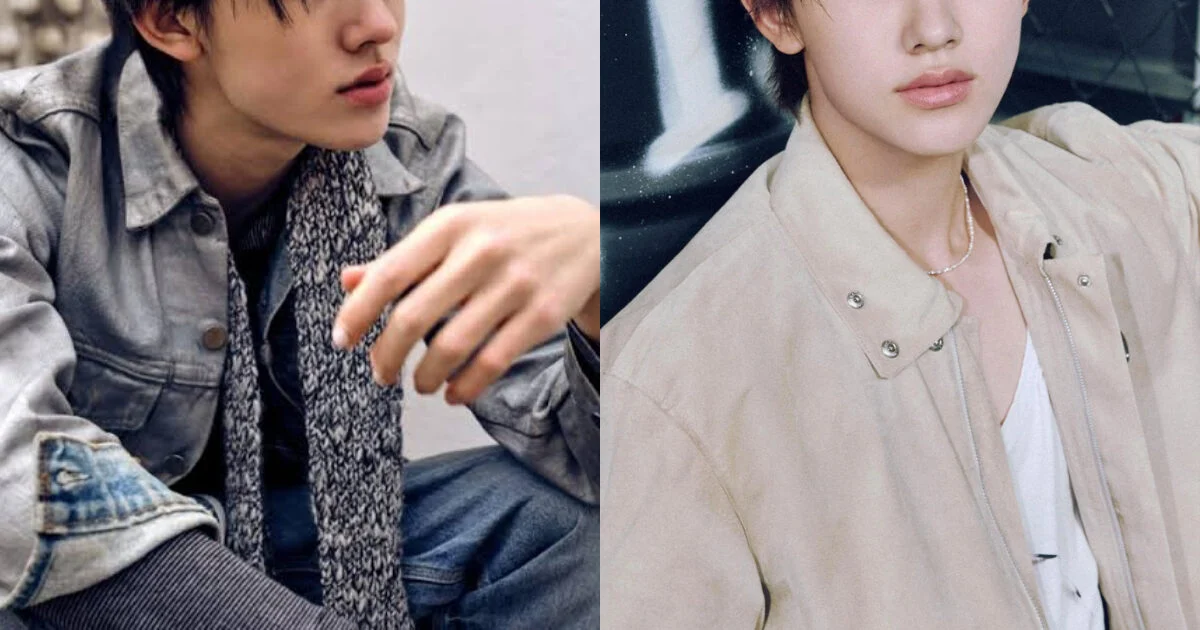
The South Korean entertainment industry has long been a focal point for intense public discourse regarding aesthetic standards, but few topics generate as much engagement as the visual classification of rising stars under the HYBE umbrella. Recently, Seonghyeon, a prominent member of the idol group CORTIS, became the center of a sprawling online debate that has captivated netizens across various social media platforms and community forums. The discussion, which originated on the popular Korean community site theqoo, centers on a fundamental divide in K-pop beauty archetypes: whether Seonghyeon’s facial features align more closely with "classic" beauty standards or the "trendy" aesthetics currently dominating the Gen Z demographic.
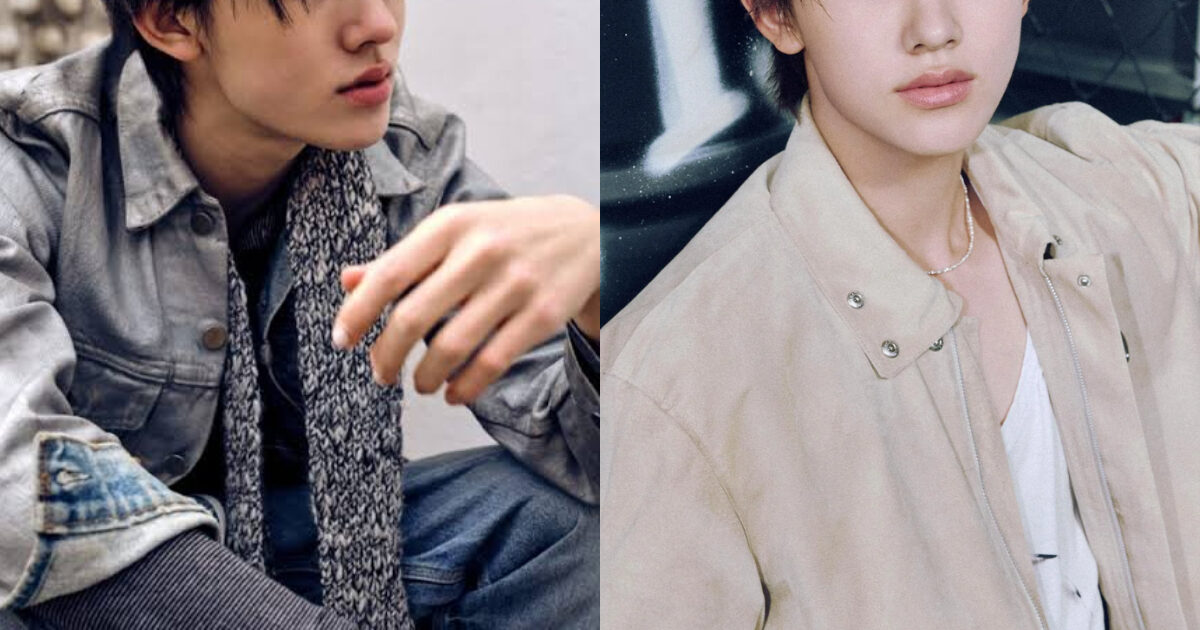
The viral post, which accumulated tens of thousands of views within hours of its publication, featured a curated selection of high-definition photographs and fan-captured images of Seonghyeon. The original poster (OP) argued that the idol possesses a "timeless" quality, specifically citing his facial proportions as the primary evidence. This observation has since spiraled into a broader analysis of how modern K-pop idols are perceived by the public and how visual branding influences a group’s marketability in an increasingly competitive global landscape.
The Anatomy of the Visual Debate: Classic vs. Trendy
To understand the intensity of the debate surrounding Seonghyeon, one must first define the specific terminology used by Korean netizens. In the context of K-pop, "classic" visuals—often referred to as the "actor-face" or "traditional" style—typically involve high facial symmetry, a well-defined bridge of the nose, and proportions that adhere to long-standing beauty ideals. These visuals are often associated with a sense of stability, elegance, and a look that remains appealing across different eras.

Conversely, "trendy" visuals refer to the "unique" or "chameleon-like" aesthetics that have gained massive popularity over the last five years. This category often includes features such as a shorter mid-face, "cat-like" or "fox-like" eye shapes, and a look that feels distinctly modern and experimental. Trendy visuals are highly sought after by luxury fashion brands because they often project a "hip" or "edgy" aura that resonates with younger consumers.
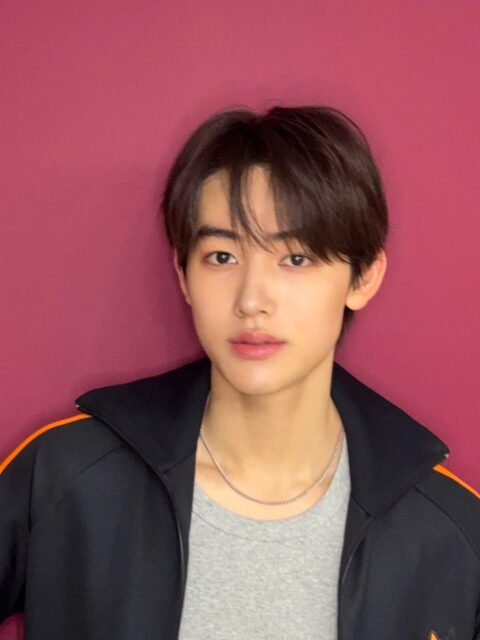
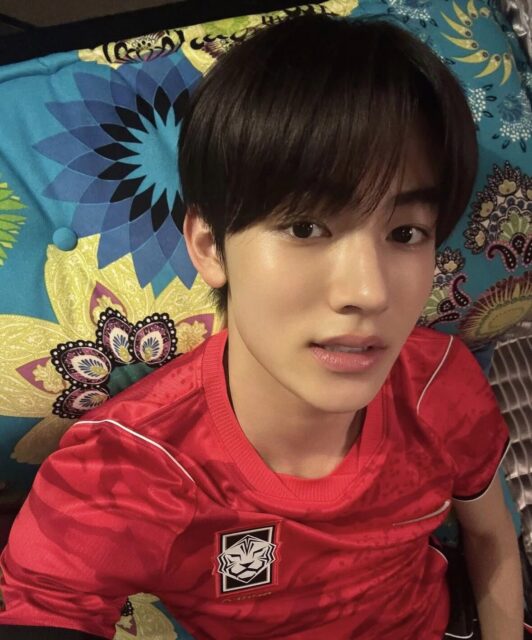
The debate regarding Seonghyeon is particularly polarized because he appears to inhabit a middle ground between these two extremes. The original post on theqoo highlighted that Seonghyeon’s mid-face—the area from the eyebrows to the base of the nose—is not as short as many of his "trendy" contemporaries. Proponents of the "classic" argument suggest that this proportion gives him a more mature, grounded appearance reminiscent of legendary idols and actors from previous generations. However, a significant portion of the online community disagreed, pointing to his sharp jawline and the "chic" vibe he exudes in modern streetwear as evidence of a "trendy" visual.
Chronology of the Online Discourse
The discussion began on the morning of July 2, 2026, when a post titled "Is CORTIS Seonghyeon Classic or Trendy?" was uploaded to the "Hot" category of theqoo. Within minutes, the thread was flooded with hundreds of comments, each offering a different perspective based on Seonghyeon’s various promotional cycles.
By midday, the conversation had migrated to X (formerly Twitter) and international fan forums. International fans, who often view K-pop visuals through a different cultural lens, contributed to the debate by emphasizing Seonghyeon’s versatility. The timeline of the viral event can be broken down as follows:
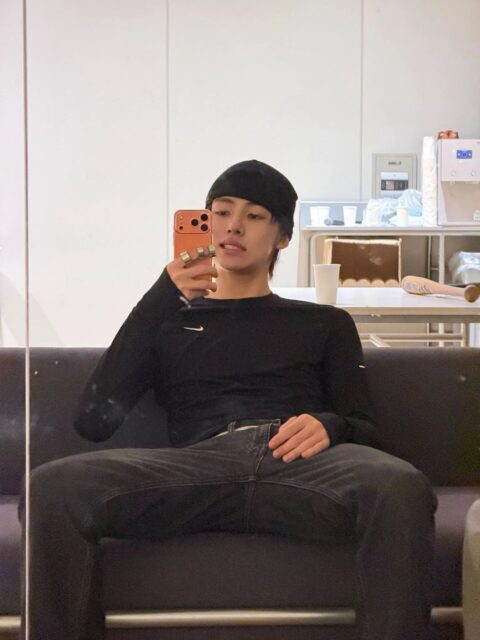
- Initial Post (06:00 KST): The original thread is posted with eight high-quality images showcasing Seonghyeon in different settings, from formal red-carpet events to casual "boyfriend material" photos.
- The "Mid-face" Analysis (08:30 KST): Netizens begin a granular breakdown of his facial features. Detailed comparisons are made between his current look and his pre-debut photos to determine the "naturalness" and "consistency" of his classic appeal.
- The Styling Counter-Argument (11:00 KST): Users upload "fancams" and stage photos where Seonghyeon is wearing heavy "smoky" eye makeup and avant-garde fashion. This group argues that his ability to pull off experimental looks makes him the epitome of "trendy."
- Mainstream Media Pickup (14:00 KST): Entertainment news outlets begin reporting on the "heated debate," further amplifying the reach of the original post.
The Role of Styling and Concept Versatility
A critical factor in the Seonghyeon visual debate is the role of HYBE’s creative direction. As a member of CORTIS, Seonghyeon has been subjected to a wide array of styling choices, ranging from "soft-boy" aesthetics to "dark-academia" and "high-teen" concepts.
The influence of makeup cannot be overstated in this context. When styled with minimal makeup and natural hair colors, Seonghyeon’s features lean toward the classic side, highlighting his bone structure and symmetrical proportions. However, when the group adopts a more aggressive or experimental concept—utilizing colored contact lenses, bold eyeliner, and unconventional hair styling—his "trendy" attributes come to the forefront.
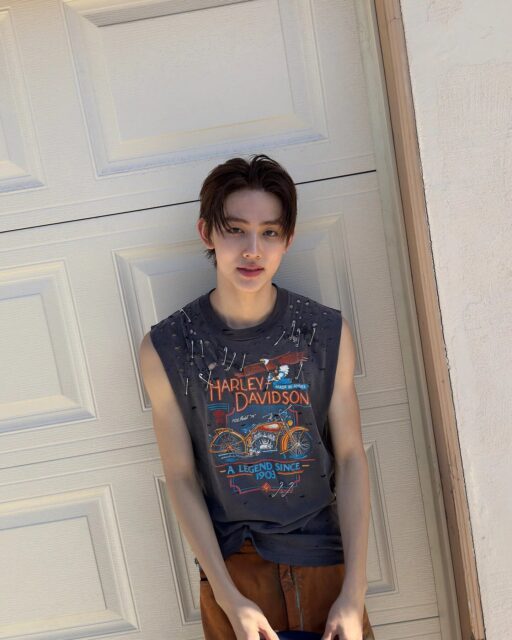
This versatility is a hallmark of HYBE’s idol training and branding strategy. By debuting idols who can pivot between different visual categories, the agency maximizes the group’s appeal to various fanbases. A "classic" visual might attract fans of traditional K-dramas and older demographics, while a "trendy" visual captures the attention of the fashion-forward Gen Z audience.
Supporting Data and Netizen Reactions
Data from online engagement metrics suggests that Seonghyeon is currently one of the most discussed members of CORTIS. The original theqoo post reached over 80,000 views in less than twelve hours, a high number even for popular idols.

Key netizen comments reflected the divide:
- "He has the face of a classic actor. I can see him leading a historical drama (sageuk) in ten years. The mid-face length is perfect for a mature look."
- "I don’t see the ‘classic’ part at all. He looks like the definition of ‘Gen Z trendy.’ His eyes are so unique and sharp; he looks like a character out of a webtoon."
- "The reason we are debating this is that he has both. He is a ‘visual genius’ who can change his aura depending on the camera angle."
In a poll conducted on a secondary fan site, approximately 48% of respondents voted for "Classic," 42% voted for "Trendy," and 10% argued that he belongs to a new category of "Hybrid Visuals."
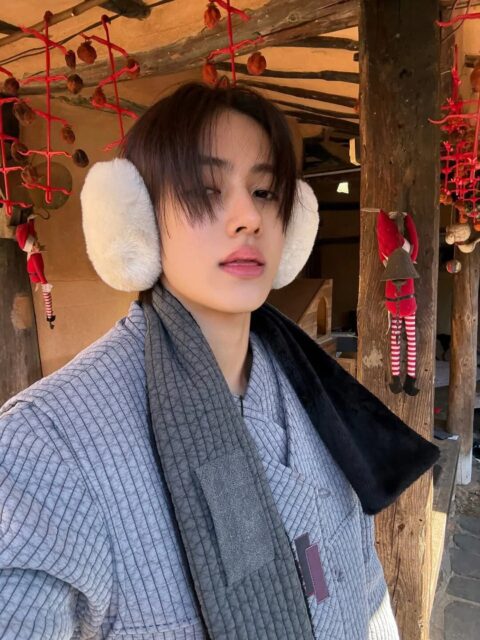
Broader Implications for HYBE and the K-pop Industry
The debate over Seonghyeon’s visuals is more than just a superficial discussion; it reflects the evolving standards of the global entertainment industry. For HYBE, the "visual debate" serves as a powerful marketing tool. Organic engagement of this magnitude generates "buzz" that no amount of paid advertising can replicate. It keeps the idol and the group at the forefront of the public consciousness.
From a business perspective, the "classic vs. trendy" distinction has significant implications for brand endorsements. "Classic" visuals are often preferred by high-end jewelry and watch brands (e.g., Cartier, Omega) because they represent longevity and prestige. "Trendy" visuals, on the other hand, are the primary targets for "street-luxe" fashion houses (e.g., Balenciaga, Celine) and innovative beauty brands. By having a member like Seonghyeon who can bridge both worlds, CORTIS stands to secure a wider range of lucrative CF (commercial film) contracts.
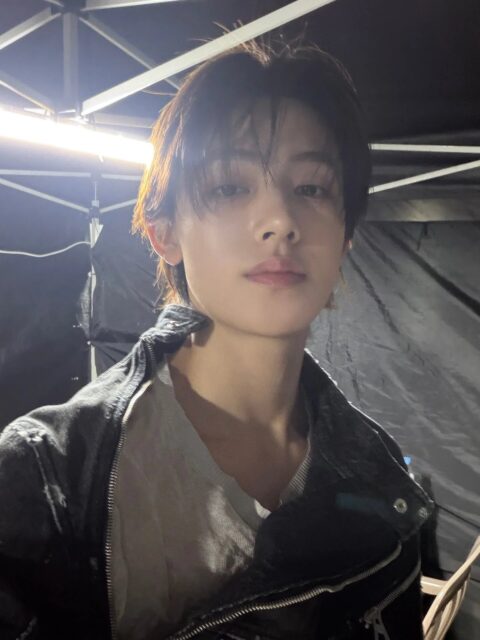
Furthermore, this discourse highlights the shifting power dynamics in K-pop. In previous generations, a group’s "visual" was usually a fixed role with a specific, unchanging look. In the current fourth and fifth generations, the "visual" is expected to be a "chameleon." The ability to spark a debate over one’s visual classification is now seen as a sign of a "top-tier" idol, as it suggests a level of facial complexity that is interesting to the public eye.
Fact-Based Analysis of Facial Metrics
While beauty is subjective, the "mid-face" argument used by netizens has roots in aesthetic medicine. In South Korea, the "Golden Ratio" of the face is often cited as 1:1:0.8 (forehead to brows, brows to nose tip, and nose tip to chin). A shorter lower third and mid-face are currently the most requested features in cosmetic consultations, as they contribute to a "baby-face" or "trendy" look.
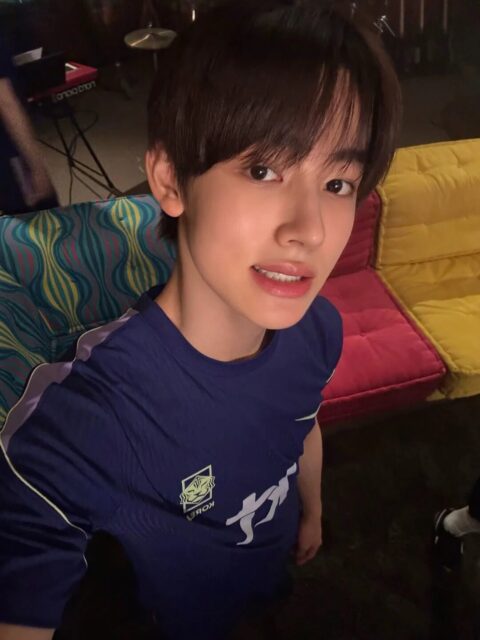
Seonghyeon’s proportions appear to adhere more closely to the 1:1:1 ratio, which is traditionally considered the "standard" for masculine beauty in classical art and cinema. This objective measurement supports the "classic" camp’s argument. However, his "trendy" appeal comes from his "lateral" features—the width of his cheekbones and the specific "almond" shape of his eyes—which are highly valued in modern photography and high-fashion modeling.
Conclusion
As CORTIS continues to expand its global footprint, the discourse surrounding Seonghyeon’s visuals is likely to persist. Whether he is ultimately labeled as a "timeless classic" or a "modern trendsetter," the consensus remains that his visual impact is a significant asset to HYBE. This debate underscores the meticulous nature of K-pop fandom and the high level of scrutiny placed on every aspect of an idol’s presentation.
For now, Seonghyeon remains a "dual-threat" in the visual department, a status that only serves to bolster his popularity and the brand power of CORTIS. As the group prepares for its next comeback, fans and industry analysts alike will be watching closely to see which side of the visual spectrum the creative team chooses to emphasize next. In the fast-paced world of K-pop, being the subject of a "heated debate" is not just a sign of fame—it is a testament to an idol’s enduring relevance in a crowded market.