The Major Agency K-Pop Girl Group That Disbanded Without Ever Releasing A Full Album
Article Editorial Team

Rocket Punch, managed by Woollim Entertainment—an agency renowned for producing industry heavyweights like Infinite and Lovelyz—entered the scene in 2019 with considerable momentum. Despite a consistent release schedule and participation in high-profile survival programs, the group’s five-year tenure ended before they could reach the traditional milestone of a "LP" (Long Play) in their home market. This development has sparked a broader conversation regarding the management strategies of mid-to-large-tier agencies and the increasingly difficult path to long-term sustainability for girl groups in the fourth generation of K-pop.
The Strategic Importance of the Full-Length Album in K-Pop
To understand the gravity of Rocket Punch’s disbandment without a full album, one must examine the role such releases play in the K-pop ecosystem. Typically, a group debuts with a single or a mini-album to test market reception. If successful, a full-length album—usually consisting of eight to twelve tracks—is released within the first 24 to 36 months of their career.
A full album is more than just a collection of songs; it is a tool for world-building. It allows for "B-side" tracks that explore genres outside the group’s title track formula, providing a showcase for individual members’ vocal or rap talents. Furthermore, from a business perspective, full albums often command higher price points, offer more collectible inclusions (such as photo books and cards), and serve as the primary repertoire for solo concert tours. When an agency chooses to stick exclusively to single or mini-albums for half a decade, it often signals a cautious, cost-saving approach that prioritizes immediate, smaller returns over the long-term investment required to solidify a group’s legacy.

The Woollim Pedigree and Initial Expectations
When Woollim Entertainment announced the debut of Rocket Punch in 2019, expectations were high. The agency had a proven track record of success with Lovelyz, their first girl group, who had successfully carved out a niche in the "synth-pop" and "innocent" concepts. Rocket Punch was positioned as a more versatile, high-energy successor.
The group’s lineup was particularly noteworthy due to the inclusion of Takahashi Juri, a former high-profile member of the Japanese idol group AKB48. Juri’s transition to the K-pop industry was a major news story at the time, bringing an established international fanbase to the group. Alongside her were Yeonhee, Suyun, Yunkyoung, Sohee, and Dahyun, several of whom had already gained public recognition through their participation in the survival show Produce 48. Their debut mini-album, Pink Punch, released in August 2019 with the title track "Bim Bam Bum," was met with positive reviews and respectable sales, suggesting a bright future ahead.
Chronological Trajectory: From ‘Bim Bam Bum’ to ‘Boom’
The first three years of Rocket Punch’s career followed a standard, albeit increasingly single-heavy, trajectory. In 2020, they released two mini-albums: Red Punch in February and Blue Punch in August. These releases established their "Color Collection" identity, focusing on vibrant, teen-crush aesthetics. However, industry analysts began to notice a shift in 2021. Instead of graduating to a full album, the group released the single album Ring Ring. While the title track became a viral hit due to its 1980s synth-wave nostalgia, the release contained only two new songs.
In August 2021, the group made their foray into the Japanese market. Interestingly, it was in Japan that Rocket Punch achieved what they never would in Korea: a full-length studio album. The release of Doki Doki Love provided Japanese fans with a comprehensive look at the group’s discography, yet this milestone was never mirrored in their domestic promotions.

Returning to the Korean market in 2022, the group released Yellow Punch, their fourth mini-album. This was followed by the single album Flash later that year. By this point, Rocket Punch had been active for over three years. For comparison, their agency seniors, Lovelyz, had released their first full-length album, Girls’ Invasion, within their first year of debut. The continued reliance on single albums for Rocket Punch suggested a lack of confidence from the agency in the group’s ability to move large volumes of a more expensive full-length product.
The Queendom Puzzle and the Final Pivot
By 2023, the K-pop landscape had become hyper-competitive with the "Big 4" agencies (HYBE, SM, JYP, and YG) launching dominant fourth-generation groups like NewJeans, IVE, and aespa. In an attempt to revitalize interest in Rocket Punch, Woollim Entertainment sent several members to participate in Mnet’s survival show Queendom Puzzle.
The move was partially successful. Member Yeonhee demonstrated exceptional leadership and talent, eventually securing a spot in the project group EL7Z UP. This "survival show bounce" usually provides a group with a window of renewed public interest—a prime opportunity to release a definitive full-length album to capture new fans. However, Woollim Entertainment opted for another single album, Boom, in September 2023. While the release was well-received by the existing fandom, it lacked the scale necessary to propel the group into the top tier of the industry.
Disbandment and the Industry’s Shifting Dynamics
The news of the group’s effective disbandment in December 2024 came as a shock to many, yet followed a period of prolonged inactivity. While Woollim Entertainment has not always released exhaustive formal statements regarding the internal mechanics of their groups’ departures, the pattern of "effective disbandment"—where members move to different agencies or activities while the group remains technically on hiatus—has become common.
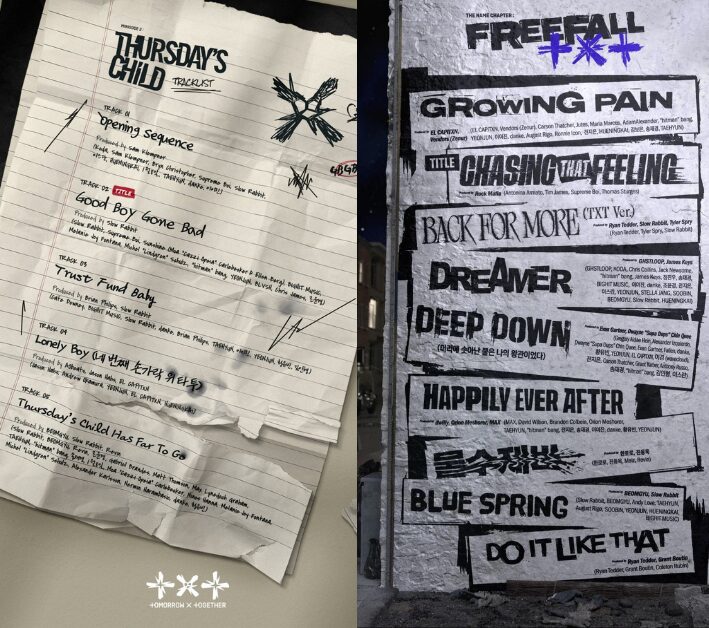
The failure to produce a full album for Rocket Punch is indicative of a wider trend among mid-tier K-pop agencies. The rising costs of music production, music video filming, and global marketing mean that agencies are increasingly risk-averse. A full album requires a significant upfront investment in songwriting and production for ten or more tracks. If the projected physical sales do not guarantee a return on that investment, agencies often default to the "single album" model, which keeps the group active for music shows but fails to build the substantial discography required for long-term legacy.
Broader Impact and Implications for the 4th Generation
The case of Rocket Punch serves as a cautionary tale for the "mid-tier" agency model in the modern K-pop era. It highlights the "invisible ceiling" that many talented groups face when they are not backed by the massive capital of the industry’s largest conglomerates. Despite having a recognizable brand, a former AKB48 star, and a member in a successful project group, the lack of a "magnum opus" in the form of a full album left their domestic career feeling somewhat incomplete.
For fans, the disappointment is rooted in the "what could have been." Rocket Punch was known for a high-quality discography that blended bubblegum pop with sophisticated electronic elements. A full-length album would have allowed for the exploration of these sounds on a grander scale. Instead, their legacy remains a series of snapshots—vibrant and professional, but lacking the cohesive narrative that a studio album provides.
As the industry moves further into the fifth generation, the pressure on agencies to provide "milestone" content is higher than ever. The story of Rocket Punch highlights that in the fast-paced world of K-pop, talent and consistent activity are sometimes not enough if the strategic backing does not culminate in the traditional markers of success. Their disbandment marks the end of a chapter for Woollim Entertainment and leaves a void for fans who waited five years for a full-length Korean project that, ultimately, never arrived.
Related News