
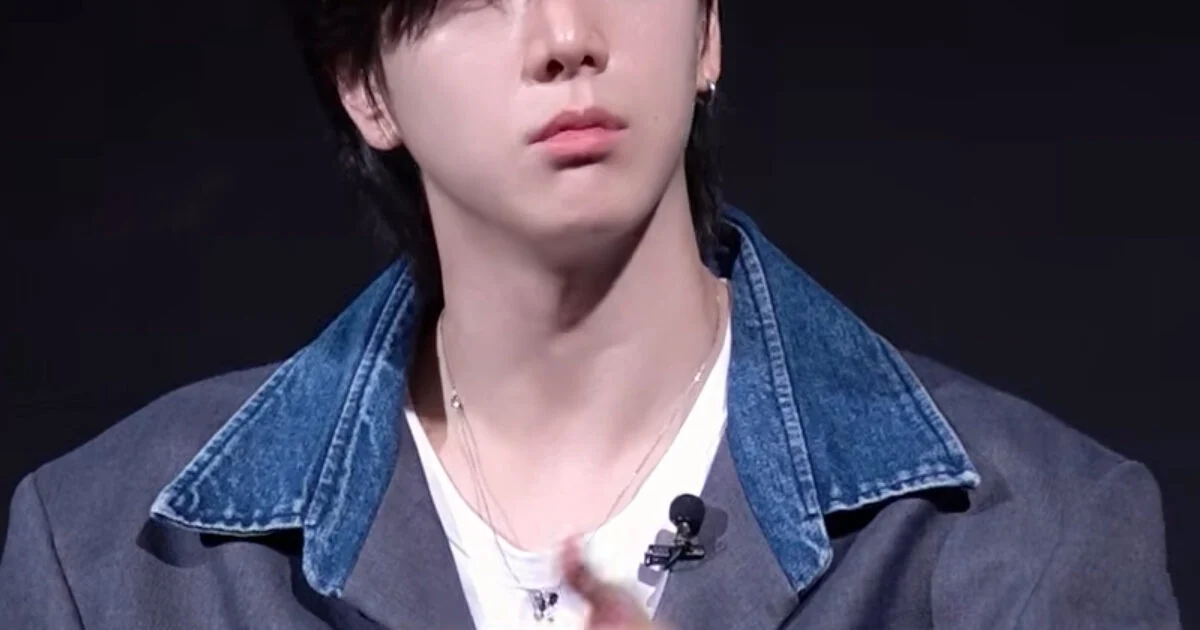
The K-Pop world was recently set abuzz following an appearance by THE BOYZ members Younghoon and Hyunjae on a popular YouTube series, where a segment involving a lie detector test led to an unexpected revelation and subsequent online discussion. The incident, which unfolded around July 9-10, 2026, highlighted the intricate relationship between K-Pop idols, their public image, and the fervent expectations of their global fandoms, known as Deobis. The series, which features idols in candid, often humorous, settings, inadvertently became the platform for a significant social media discourse regarding idol privacy and fan culture.
The Incident Unfolds: The YouTube Series and Lie Detector Segment
The YouTube series in question is known for its lighthearted interviews and challenges, often incorporating elements like lie detector tests to add a layer of unpredictability and entertainment. Such segments are a common staple in South Korean variety content, designed to elicit spontaneous and often amusing responses from celebrities. On this particular episode, THE BOYZ’s Younghoon, a prominent member of the popular 11-member group under IST Entertainment (formerly Cre.ker Entertainment), found himself in the hot seat.
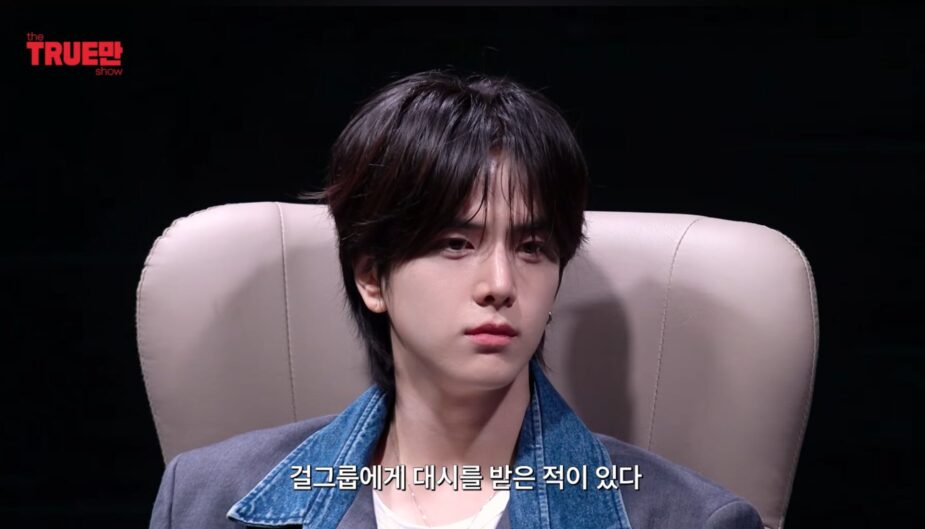
During the lie detector test, Younghoon was posed a direct and potentially sensitive question: "You’ve been hit on by a female idol before." This type of question, while seemingly innocuous in a non-idol context, touches upon a highly guarded aspect of K-Pop idol life – dating and romantic relationships. In the intensely competitive and image-driven K-Pop industry, idols are often expected to maintain an aura of romantic availability to their fans, and any hint of a personal relationship can trigger strong reactions within fandoms.
Younghoon’s immediate response was a hesitant "Ah…yes, I have." The lie detector reportedly indicated this statement to be true, adding a layer of factual confirmation to the revelation. The atmosphere in the studio reportedly shifted, with co-member Hyunjae, who was present during the segment, reacting with surprise and curiosity. Hyunjae, perhaps playing into the variety show dynamic or genuinely intrigued, pressed further, asking, "Oh~~ who is it?" Younghoon’s subsequent reply, "Are you crazy?", delivered with an apparent mix of disbelief and frustration, concluded the brief but impactful exchange. This reaction, while seemingly a common idiom of surprise or exasperation in Korean, was quickly amplified and interpreted in various ways by online audiences.
Immediate Online Reaction and Backlash
The clip of the lie detector exchange rapidly circulated across social media platforms, most notably Twitter (now X). The immediate reaction from a segment of the online community was largely negative, characterized by strong criticism and disappointment. Many users expressed frustration and anger, perceiving Younghoon’s revelation and his subsequent defensive reaction as a breach of the idealized image K-Pop idols are often expected to uphold.
Comments quickly poured in, reflecting the depth of feeling among some fans. One user lamented, "If he had said that while I still stanned them, I would’ve been so angry..crazy b*stards." This comment underscores the intense emotional investment many fans have in their idols, where perceived transgressions can lead to feelings of betrayal and a re-evaluation of their support. Another tweet questioned Younghoon’s career longevity, stating, "Is he really trying to get himself retired before enlisting in the military…," suggesting that such revelations could have serious professional repercussions. A third comment, "These guys really be going all out now," hinted at a broader perception that idols might be becoming more reckless or less careful with their public image.
The backlash highlighted the strict, often unwritten, rules governing idol conduct in the K-Pop industry, particularly concerning dating. While dating is a natural part of adult life, for K-Pop idols, it often comes with significant professional risks due to the unique parasocial relationships fostered with fans. The expectation of exclusivity, or at least extreme discretion, is a pervasive aspect of K-Pop fandom, and any deviation can ignite controversy. The use of a lie detector in a public broadcast setting further complicated matters, as it presented the revelation as an undeniable truth, rather than mere rumor or speculation.
Younghoon’s Personal Address to Fans: The Apology
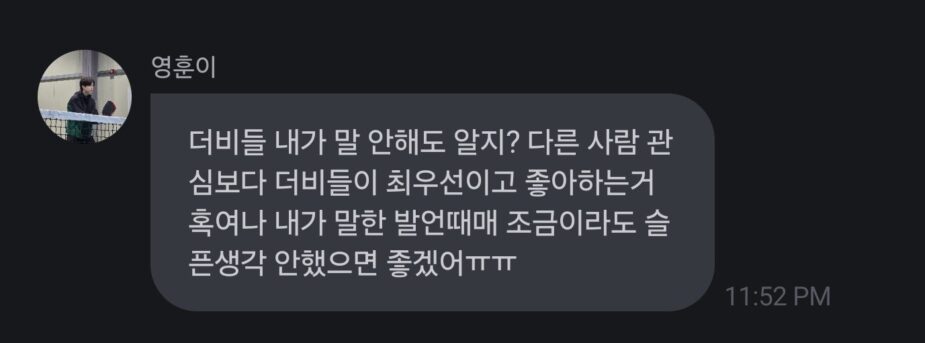
Recognizing the escalating online discourse and the potential impact on both his image and the group, Younghoon took swift action to address the concerns directly. He personally reached out to fans via a fan messaging platform, a common channel for idols to communicate intimately with their dedicated supporters. His message was a clear attempt to reassure fans and mitigate the negative sentiment.
In his message, Younghoon stated, "Deobis knows even if I don’t say anything, right? That more than the interest of others, deobi’s will always be my priority and whom I like the most. I hope that what I said didn’t make you sad." This opening directly appealed to the loyalty and understanding of THE BOYZ’s fandom, "Deobi," emphasizing their importance above all else. He continued to clarify the nature of the controversial segment, explaining, "And lastly, what happened on the show is just for the show." This statement aimed to contextualize his remarks as part of an entertainment program, suggesting that they should not be taken as a literal reflection of his personal life in a serious manner.
He concluded his heartfelt message by reiterating his gratitude and affection for his fans: "I am so happy that I was able to meet Deobis through THE BOYZ, and I hope we are together for a long time. It’s monsoon season, so be careful not to get sick or catch a cold, ok?" This closing offered a warm, caring sentiment, characteristic of idol-fan interactions, seeking to reaffirm the bond and shift the focus back to their shared connection and mutual well-being. This immediate and personal apology is a standard crisis management tactic in K-Pop, aiming to quell fan anger and reaffirm loyalty.
Fan Community Response: Support Amidst Frustration
While a segment of the online community reacted negatively, Younghoon’s apology also triggered a strong wave of support from many Deobis and other K-Pop fans who expressed frustration at the need for such an apology. These fans argued that Younghoon was being unfairly scrutinized for a perfectly normal human experience and that the expectations placed upon idols were becoming excessive.
One fan tweeted, "why is he apologizing for being hit on 😭 kpop fans are too much," encapsulating the sentiment that idols should not be penalized for being attractive or for having normal interactions. Another supporter passionately wrote, "younghoon pls you don’t need to apologize for being attractive asf AND HAVE A KIND PRECIOUS SOUL," highlighting both his physical appeal and perceived good character as reasons why he shouldn’t be subjected to such criticism. A third comment, "younghoon wdym u can date too whenever u want to 😭," directly challenged the "dating taboo" and affirmed an idol’s right to personal relationships.
This dichotomy in fan reaction showcases the ongoing debate within K-Pop fandoms regarding idol privacy, authenticity, and the intense parasocial relationships that define the industry. While some fans adhere to traditional expectations of idols maintaining a single, devoted image, others advocate for greater realism and empathy, recognizing idols as individuals with personal lives beyond their public persona. The outpouring of support for Younghoon underscored a growing desire among some fans for a more mature and understanding approach to idols’ personal lives.
Broader Implications: Idol Culture, Privacy, and Fandom Dynamics
The incident involving Younghoon and Hyunjae is not an isolated event but rather a microcosm of larger trends and challenges within the K-Pop industry. The strictures around idol dating stem from a business model that heavily relies on cultivating an aspirational, almost fantastical, image for artists. This "boyfriend/girlfriend" or "ideal type" persona is a powerful marketing tool, fostering deep emotional connections with fans who often see themselves as potential romantic partners or closest confidantes. Any revelation that shatters this illusion can lead to significant fan disengagement and, consequently, financial losses for agencies.
THE BOYZ, having debuted in 2017 and rising to prominence through various successful releases and performances, including their victory on Mnet’s Road to Kingdom, have cultivated a dedicated global fanbase. Their success is built not only on their musical talent and synchronized performances but also on their carefully curated public image and consistent fan engagement. For an idol like Younghoon, who is known for his visual appeal and gentle demeanor, a comment suggesting a past romantic overture, even if innocuous, can be perceived as a crack in this carefully constructed façade.
The pressure on idols to remain "pure" and "available" is immense. Agencies often enforce strict "no dating" clauses, especially early in an idol’s career, and even when not explicitly forbidden, dating is often kept a closely guarded secret. This creates a challenging environment where idols must constantly navigate the line between their personal lives and their public obligations. The Younghoon incident brings to the forefront the ethical dilemma of variety shows that push these boundaries, using sensitive personal questions for entertainment value, often at the expense of the idol’s well-being and public image.
The Role of Social Media in K-Pop Controversies
Social media platforms like Twitter (X), Instagram, and various online forums play a crucial role in amplifying such incidents. News spreads almost instantaneously, and reactions, both positive and negative, can coalesce into significant trends within hours. The rapid dissemination of information means that idols and their agencies must respond with equal speed to control narratives and manage public perception. Younghoon’s quick apology on the fan messaging platform is a testament to this necessity, demonstrating the direct line of communication now expected between idols and their core fanbase.
However, social media also contributes to the polarization of opinions. The anonymity and speed of online interactions can fuel aggressive criticism, often disproportionate to the actual "offense." Simultaneously, it provides a platform for fans to organize and voice support, challenging what they perceive as unfair criticism. This dynamic creates a complex environment where idols are constantly under scrutiny, and every word or action can be dissected and debated by millions worldwide.
Concluding Thoughts
The recent episode involving THE BOYZ’s Younghoon serves as a potent reminder of the unique pressures and expectations placed upon K-Pop idols. While the incident itself was brief and seemingly minor, its ripple effect across online communities underscores the delicate balance between entertainment, idol privacy, and fan loyalty. As the K-Pop industry continues to expand globally, these discussions about the boundaries of idol-fan relationships, the ethics of variety show content, and the role of social media in shaping public perception will undoubtedly continue to evolve. For now, Younghoon’s swift apology and the subsequent wave of fan support reflect a fandom grappling with its own expectations while striving to protect its cherished artists from what many perceive as undue scrutiny. The industry, in turn, faces the ongoing challenge of adapting to these evolving dynamics while protecting both its artists and its foundational business model.