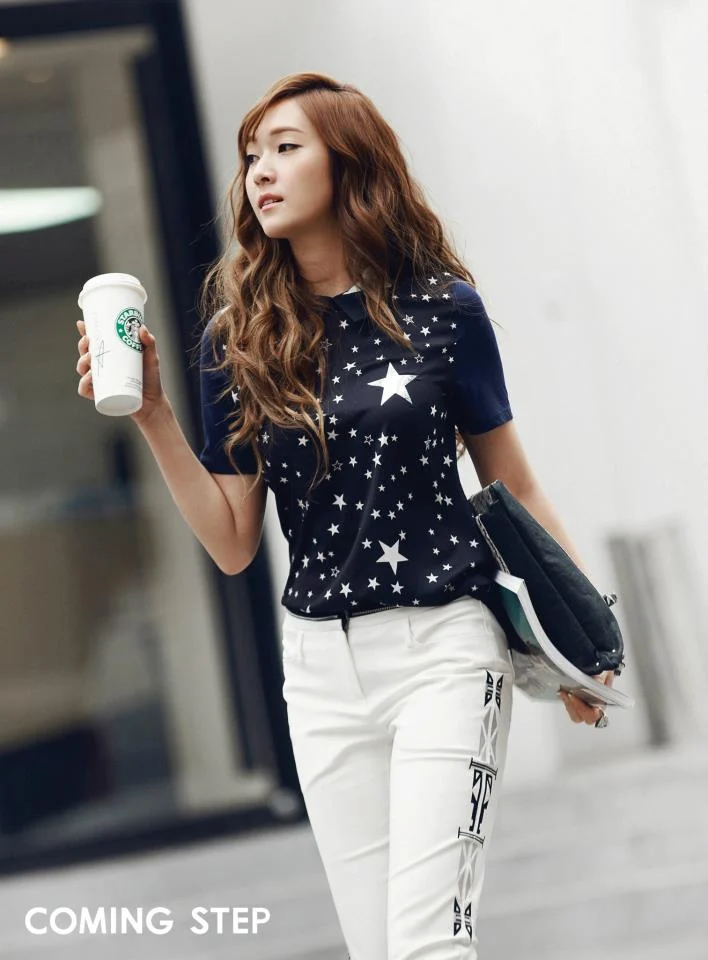
The dazzling world of K-pop, renowned for its meticulously choreographed performances and captivating visual aesthetics, extends far beyond the stage. Behind every idol’s charismatic presence lies a dedicated team of stylists, hair artists, and makeup professionals, meticulously crafting their appearance for a multitude of public engagements, from high-energy music show performances and electrifying concerts to candid airport arrivals and engaging variety show appearances. This unwavering commitment to visual presentation has undeniably cultivated a significant global following eager to emulate the distinctive styles of their favorite artists. While many fans immerse themselves in K-pop culture by learning intricate dance routines and singing along to chart-topping hits, fashion emerges as the most accessible and widely adopted avenue for expressing admiration. The universal necessity of wearing clothing, whether for daily activities, professional settings, or social outings, positions fashion as a powerful medium for fans to incorporate elements of K-pop aesthetics into their own lives.
Previous efforts to guide enthusiasts in replicating K-pop fashion have often focused on identifying specific garments and accessories worn by idols. While such shopping guides can be a helpful starting point, the true art of adopting K-pop style lies not simply in acquiring the exact pieces that Jessica of Girls’ Generation or G-Dragon of BIGBANG might have donned, but in understanding how to integrate these trends harmoniously into one’s personal wardrobe. The challenge arises when fans attempt to replicate an idol’s complete look, often comprising carefully curated stage costumes. When individual elements like Key’s statement earrings, CL’s distinctive footwear, or Woohyun’s signature jacket are combined without consideration for context, the result can inadvertently resemble a costume rather than a cohesive personal style. This is precisely the pitfall to avoid for those aspiring to capture the cool and stylish essence of K-pop idols in everyday settings.
The Nuance of Trend Integration
The key to successfully incorporating K-pop-inspired fashion into one’s personal style lies in a nuanced approach: integrating trends in judicious doses and ensuring they align with one’s inherent aesthetic preferences. The process begins with a self-assessment of existing style. Understanding one’s personal fashion identity allows for a more discerning selection of K-pop trends that genuinely complement and enhance it. While experimentation is a vital aspect of fashion exploration, it is crucial to remain grounded in what resonates personally. The goal is not to become a mere imitation of idols like Zelo or Minah, but to harness inspiration to amplify one’s unique self.
Fans are encouraged to reflect on their sartorial inclinations. Do they gravitate towards minimalist color palettes and structured silhouettes? Perhaps their preference leans towards a more casual and sporty aesthetic? Or do they find themselves inspired by menswear, favoring structured pieces in muted tones? Engaging in such self-reflection provides a foundational understanding of one’s style. Experimentation with different looks, informed by this self-awareness, can lead to the discovery and refinement of a personal style that is both authentic and fashionable. While personal style is inherently dynamic and evolves over time, identifying its core elements is a manageable and rewarding endeavor.
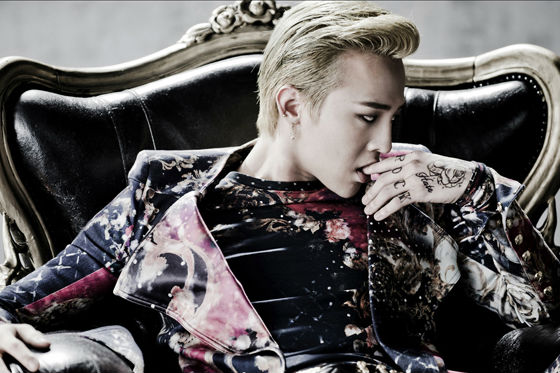
A Gradual Approach to Style Evolution
For individuals seeking a significant transformation of their personal style, the advice is to proceed with a measured and progressive approach. While the impulse to adopt an entirely new wardrobe inspired by K-pop trends might be strong, investing heavily in numerous trendy items without prior exploration can lead to dissatisfaction if the new style does not ultimately resonate. The recommendation is to begin with small, incremental changes and experiment with individual pieces. This allows for a more cost-effective and less overwhelming transition, enabling individuals to gauge their commitment and preferences before making substantial purchases.
Integrating Inspiration with Existing Wardrobe
Once a clearer understanding of personal style is established, the decision-making process for incorporating specific K-pop-inspired pieces becomes more informed. For instance, a patterned pant seen on Fei in a music video or a distinctive jacket worn by Eunhyuk at a concert can be evaluated for its genuine fit within one’s existing aesthetic. The crucial consideration is not how these items would pair with other trendy pieces, but rather how they would integrate with the contents of one’s current closet. This strategy offers a dual benefit: it fosters a more authentic incorporation of inspiration rather than a direct copy, and it promotes significant cost savings.
Cultivating Confidence Through Personal Style
Upon identifying pieces that genuinely align with one’s personal style, the next step is to acquire and embrace them. The absence of a professional style coordinator does not preclude an individual from achieving a stylish presentation. Confidence is presented as the ultimate accessory, the finishing touch that elevates any outfit. By making thoughtful choices and striving to make borrowed trends one’s own, individuals can develop the self-assurance to curate diverse ensembles without feeling like they are masquerading as a K-pop idol.
The journey of adopting K-pop-inspired fashion is ultimately an experimental one. While experiments can occasionally yield unexpected results, a mindful approach to selection and a commitment to personalizing trends are paramount. By embracing this philosophy, individuals can confidently assemble outfits that reflect their unique style, moving beyond the realm of costume or imitation and into the territory of authentic self-expression. The visual landscape of K-pop, with its constant evolution and diverse stylistic expressions, offers a rich tapestry of inspiration, but the most enduring and impactful style is always one that is deeply rooted in the individual.
The Global Phenomenon of K-Fashion Influence
The influence of K-pop on global fashion trends is a documented phenomenon, extending far beyond the fan base. K-pop groups, through their consistent visual impact and strategic brand partnerships, have become significant trendsetters. For example, the rise of streetwear aesthetics, oversized silhouettes, and bold color blocking in international fashion can be partly attributed to the styles popularized by groups like BTS and BLACKPINK. Market research reports have indicated a substantial increase in searches for "K-pop fashion" and related terms globally, correlating with the growing popularity of K-pop music and dramas. A 2022 report by Statista indicated that the global K-pop market was valued at approximately $10 billion USD, with fashion and merchandise sales representing a significant portion of this economic activity.

The strategic use of fashion by K-pop agencies is a deliberate marketing tactic. By investing heavily in the visual presentation of their artists, these agencies not only enhance the appeal of their music but also create marketable identities that resonate with a global audience. This visual branding extends to fashion endorsements, where idols become ambassadors for luxury and fast-fashion brands alike. For instance, the "member effect" – where sales of a brand’s products surge after an idol is seen wearing or endorsing them – is a well-documented phenomenon in the industry. This demonstrates the tangible commercial impact of K-pop’s fashion influence.
Chronology of K-Pop Fashion’s Ascent
The visual emphasis in K-pop is not a recent development. From the early days of idol groups like H.O.T. and S.E.S. in the late 1990s, fashion has been an integral component of their identity. However, the global reach and influence of K-pop fashion have seen exponential growth in the past decade.
- Late 1990s – Early 2000s: The emergence of the "idol system" emphasized synchronized choreography and distinctive group concepts, often reflected in matching or themed outfits. Fashion was primarily used to define group identity.
- Mid-2000s: With the initial waves of the Korean Wave (Hallyu), K-pop fashion began to gain traction internationally, particularly in East and Southeast Asia. Trends like skinny jeans and vibrant colors became popular.
- Late 2000s – Early 2010s: The rise of social media platforms like YouTube and Twitter facilitated the global dissemination of K-pop content. Idols’ airport fashion and stage outfits garnered significant attention, leading to the development of fan-focused style blogs and forums. This period saw the popularization of more experimental and avant-garde styles by groups like BIGBANG and 2NE1.
- Mid-2010s: K-pop idols began securing high-profile fashion endorsements and attending international fashion weeks, solidifying their status as fashion influencers. The trend of "airport fashion" became a significant part of celebrity style reporting.
- Late 2010s – Present: The global dominance of groups like BTS and BLACKPINK has elevated K-pop fashion to a mainstream phenomenon. Their influence extends across streetwear, luxury fashion, and beauty trends, with major fashion houses actively collaborating with K-pop artists. The concept of "K-fashion" is now a recognized global category.
Analysis of Implications: Beyond Aesthetics
The widespread adoption of K-pop fashion trends has several broader implications. Economically, it fuels a significant global market for apparel, accessories, and beauty products. Brands that successfully align themselves with K-pop artists often experience substantial revenue growth. Socially, it fosters a sense of community among fans who connect through shared interests in fashion and idol culture. It also contributes to the diversification of global fashion aesthetics, introducing new styles and influences into mainstream fashion discourse.
However, the intense focus on appearance also raises critical questions about body image and consumerism. The pressure to conform to idealized beauty standards, often perpetuated through heavily edited images and the pursuit of designer brands, can be immense for both idols and fans. This underscores the importance of promoting a healthy and balanced approach to fashion, emphasizing self-expression and individuality over blind imitation. The ongoing dialogue surrounding mental health and body positivity within the entertainment industry is crucial in mitigating these potential negative impacts.
Official Responses and Industry Perspectives
While direct "official responses" from K-pop agencies regarding fan fashion emulation are rare, their strategies consistently highlight the importance of visual identity. Agencies invest substantial resources in developing unique concepts for their artists, which inherently include distinct fashion directions. These concepts are meticulously planned and executed to maximize impact and appeal. Fashion collaborations and endorsements are actively pursued, indicating an awareness and strategic leveraging of their artists’ fashion influence.

Industry analysts and fashion critics have frequently commented on the sophisticated marketing strategies employed by K-pop entertainment companies. They recognize that fashion is not merely an accessory but a core component of the K-pop brand. The ability of these companies to consistently produce visually striking content that drives global trends is a testament to their understanding of the entertainment landscape and consumer psychology. The "idol package," which includes music, performance, personality, and fashion, is a comprehensive offering that resonates deeply with a diverse international audience.
In conclusion, the allure of K-pop fashion is undeniable, offering a vibrant source of inspiration for individuals worldwide. By understanding the distinction between stage performance and personal style, and by adopting a thoughtful and experimental approach to integrating trends, fans can effectively translate the dazzling aesthetics of their favorite idols into their own unique and confident fashion statements. The ongoing evolution of K-pop fashion continues to shape global style narratives, highlighting the profound and multifaceted impact of this dynamic cultural phenomenon.