The global phenomenon BTS has once again ignited widespread discussion, this time with the provocative teaser for their upcoming music video, "Normal." Released on July 15, 2026, the 20-second clip, which depicts the members lined up at urinals, has swiftly gone viral, polarizing audiences and prompting a fervent debate over artistic freedom, societal norms, and perceived double standards within the K-Pop industry. "Normal" serves as the official second single from the group’s highly anticipated ARIRANG album, and its full music video is slated for release on July 17, KST, intensifying anticipation amidst the burgeoning controversy.
The Genesis of "Normal": A New Chapter from the ARIRANG Album
BTS, a septet renowned for their boundary-pushing music and impactful social commentary, announced "Normal" as a key track from their latest studio album, ARIRANG. The album title itself, referencing the iconic Korean folk song often associated with national identity, heritage, and emotional depth, suggests a profound exploration of contemporary themes. Following a series of enigmatic, tabloid-style advertisements that hinted at the single’s unconventional nature, the official music video teaser dropped, immediately capturing the attention of millions worldwide. The chosen concept for "Normal," juxtaposed with the weighty implications of an album titled ARIRANG, signals a deliberate artistic choice to delve into the mundane, the overlooked, or perhaps even the absurd aspects of modern life, challenging conventional perceptions of what is considered "normal."
BTS has historically carved out a unique niche in the global music landscape by consistently weaving social critique and introspective narratives into their artistic output. From addressing mental health and societal pressures in their early works to advocating for youth empowerment at the United Nations, the group has rarely shied away from concepts that provoke thought and dialogue. Their prior discographies, like the "Love Yourself" series or albums such as MAP OF THE SOUL: PERSONA, have demonstrated a consistent willingness to explore complex human experiences and societal structures. The choice of "Normal" as a single, particularly within the context of an album titled ARIRANG, appears to be a continuation of this artistic ethos, perhaps aiming to scrutinize the very fabric of everyday existence or the unspoken rules that govern social interaction. The use of a public restroom setting, a universal and inherently "normal" experience often relegated to privacy, could be a symbolic gesture to bring the overlooked into the spotlight, inviting viewers to question what truly defines normalcy in an increasingly performative world.
The Teaser’s Content and Immediate Social Media Fallout
The controversial teaser, a mere twenty seconds in length, features several BTS members standing at urinals in what appears to be a public men’s restroom. The scene culminates with group leader RM approaching, seemingly searching for an available spot. While no explicit indecency is shown, the raw, unglamorous depiction of such a mundane and typically private act in a high-profile music video teaser for one of the world’s biggest groups immediately created a stir. The visual was unconventional, starkly contrasting with the highly polished and often fantastical aesthetics typically associated with K-Pop music videos.
Within minutes of its release, the teaser went viral across various social media platforms, most notably X (formerly Twitter), where it became a top trending topic globally. The reaction, however, was far from monolithic, quickly bifurcating into two distinct camps.
One segment of the online community expressed discomfort and criticism, primarily centered around the notion of a double standard in the entertainment industry. A widely circulated post, exemplified by user @haerinlemonzest, provocatively questioned, "but if a girl group did this…" This sentiment resonated with many who argued that if a female K-Pop group were to release a similar teaser depicting them in a public women’s restroom, the reception would be overwhelmingly negative, likely drawing accusations of indecency, impropriety, or sexualization. Critics highlighted the perceived discrepancy in how male and female idols are treated by the media and public, suggesting that concepts deemed "edgy" or "artistic" for male groups might be condemned as "scandalous" or "inappropriate" for female groups, reflecting broader societal biases and misogynistic undertones prevalent in the industry. This perspective argues that the existing power dynamics and gendered expectations create an uneven playing field for artistic expression.
Conversely, a robust defense quickly emerged from BTS’s dedicated fanbase, ARMY, and other supporters who vehemently rejected the criticism. These defenders argued that the scrutiny leveled against BTS was disproportionate and unfair, attributing it to the group’s unparalleled global popularity. User @J00NM3TAL articulated this frustration, stating, "yall are literally more critical towards bts than literally any other kpop group ever stop acting like they’re this constantly praised group that gets away with everything when yall literally harass them for doing the most normal ass shit all the damn time." This argument posits that BTS, due to their immense influence, often faces an elevated level of hyper-scrutiny, with even innocuous actions being blown out of proportion.
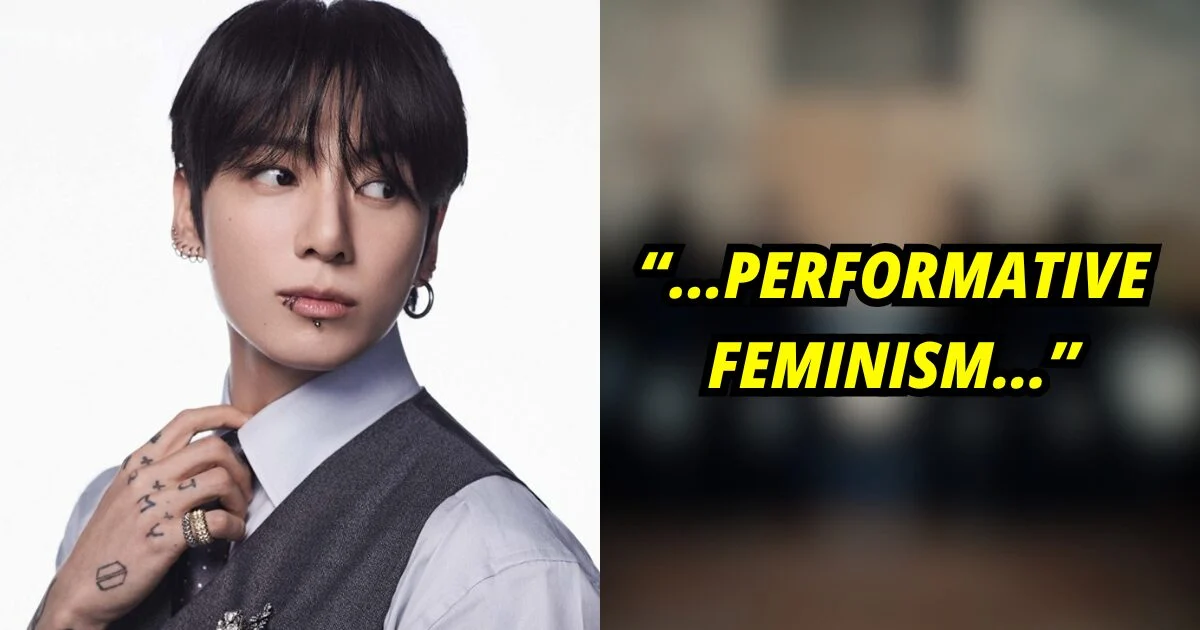
Further bolstering the defense, many fans questioned the logical leap from a hypothetical scenario involving a girl group to an actual critique of BTS’s content. As user @mnibangtanie queried, "when people say this what do they expect us to do." This response highlighted the perceived unfairness of holding one group accountable for the potential hypothetical backlash against another, redirecting the focus back to the artistic merit (or lack thereof, depending on perspective) of the teaser itself. Additionally, some supporters dismissed the "indecency" claims outright, emphasizing that the teaser showed nothing explicit or overtly sexual. User @mincasanov challenged the critics, asserting, "did what? be present in a bathroom with no indecency showing at all? nothing would happen because nothing is as perverted as you braindead weasels make it out to be. the mv isnt even out yet and you lot are barking trying to be the performative feminists you always are." This perspective accused critics of "performative feminism" and pre-judging the full music video’s intent based on a brief, decontextualized clip.
Historical Precedents and Artistic Context

The debate over "Normal" also brought to light historical precedents within K-Pop and global entertainment where bathroom or toilet concepts have been utilized. Defenders of BTS pointed out that the use of bathroom settings in music videos is not entirely new, even among female idols. While specific examples that garnered similar "misogyny" debates might be scarce or contextualized differently, the general idea of depicting mundane or even taboo settings in a stylized or conceptual manner has been explored by various artists. This suggests that the setting itself might not be the sole point of contention but rather the perceived implications of its use by different genders.
More directly relevant was the comparison drawn to senior K-Pop artists, specifically BIGBANG’s G-Dragon and T.O.P. Many fans recalled their 2015 music video for "ZUTTER," which famously featured a scene where both idols were depicted at urinals, albeit in a more stylized and arguably theatrical manner, simulating the act. User @agustdlevi shared a visual comparison, noting, "oh but they already did lol," referencing the BIGBANG example. This historical context served to underscore the argument that the concept itself is not unprecedented or inherently revolutionary, further challenging the idea that BTS was engaging in something uniquely controversial that merited exceptional outrage. The "ZUTTER" example, however, was released by a duo with a distinctly different public image and creative trajectory, and its reception at the time, while perhaps debated, did not necessarily escalate to the same global scale of gender-based double standard accusations, possibly due to the differing cultural and social media landscape of 2015 compared to 2026.
The artistic intent behind the "Normal" teaser, particularly in light of these precedents, becomes a crucial point of analysis. Given BTS’s track record of social commentary, the "normalcy" of the restroom scene could be a deliberate subversion. It might serve as a metaphor for vulnerability, the shedding of public personas, or a commentary on the universality of human experience regardless of status. The mundane act of using a restroom, often a moment of solitude or quiet reflection, could be juxtaposed against the highly public and often performative lives of celebrities. The title "Normal" itself, within the context of the ARIRANG album, could be questioning what society deems acceptable, ordinary, or even "normal" in an era of unprecedented digital scrutiny and blurred lines between public and private. It could be an artistic statement about the pressures of maintaining an image, or a celebration of the simple, unvarnished aspects of life that remain constant despite fame.
Broader Implications and Industry Dynamics
The "Normal" teaser controversy illuminates several broader issues pertinent to the K-Pop industry and global pop culture at large. The most prominent is the ongoing discussion surrounding double standards, particularly gendered ones. While K-Pop has made significant strides in global representation and artistic innovation, the underlying societal expectations for male and female idols often remain disparate. Female idols frequently face stricter moral policing, greater scrutiny over their appearance and behavior, and a higher likelihood of concepts being sexualized or deemed inappropriate. This perceived imbalance fuels much of the criticism against concepts like "Normal" when presented by male groups. The debate underscores the need for continued dialogue about equitable treatment and artistic freedom for all artists, irrespective of gender.
Furthermore, the incident highlights the potent influence of fan culture and the role of dedicated fandoms in shaping public discourse. ARMY, as one of the largest and most organized fanbases globally, consistently demonstrates its capacity to mobilize quickly in defense of BTS. While this unwavering support is a testament to the group’s connection with their fans, it can also lead to intensely polarized online debates, sometimes overshadowing the nuanced discussions about artistic intent or societal implications. The speed and scale at which these discussions unfold online reflect the contemporary media landscape, where virality can precede comprehensive understanding.
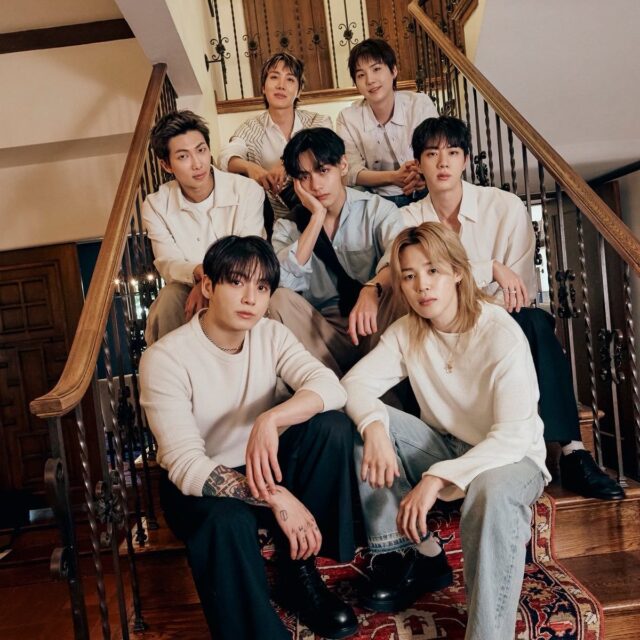
From a media scrutiny perspective, BTS operates under an unprecedented global spotlight. Every single release, every public appearance, and even subtle artistic choices are amplified and dissected by millions. This constant, intense scrutiny means that even a 20-second teaser, which might be overlooked for a lesser-known artist, becomes a global event, subject to immense interpretation and often misinterpretation before the full artistic vision is revealed. This environment necessitates a careful balance for artists between creative expression and managing public perception.
Chronology of Events:
- Prior to July 15, 2026: Tabloid-style advertisements featuring cryptic messages and imagery related to "Normal" begin appearing, generating initial curiosity.
- July 15, 2026: Big Hit Music (or HYBE Labels) officially releases the 20-second music video teaser for BTS’s "Normal" on various platforms, including YouTube and social media.
- July 15-16, 2026: The teaser rapidly goes viral across social media platforms. Intense online debate erupts, with discussions centered on artistic expression, double standards in K-Pop, and potential misogyny.
- July 16, 2026: Koreaboo reports on the viral debate, citing prominent social media reactions and providing context from both critics and defenders.
- July 17, 2026 (KST): The full music video for BTS’s "Normal" is scheduled for official release.
Official Responses and Forward Outlook
As of the current reporting, neither BTS nor their agency, Big Hit Music (an imprint of HYBE Corporation), has issued an official statement regarding the public debate surrounding the "Normal" teaser. This is a common strategy in the entertainment industry, often allowing the full artistic work to speak for itself upon its complete release, or to avoid fueling controversy further by engaging directly with fragmented social media discussions. It is plausible that the full music video, scheduled for July 17, KST, will provide the complete context necessary to understand the group’s artistic message and intent behind the controversial scene. Alternatively, the group or agency might choose to address the discussions in future interviews or behind-the-scenes content, offering insights into their creative process and the conceptual underpinnings of "Normal."
The release of the full "Normal" music video is now one of the most highly anticipated events in global pop music, not only for BTS fans but also for cultural commentators and industry observers. The video will undoubtedly be scrutinized for its narrative, visual aesthetics, and how it ultimately contextualizes the teaser’s provocative imagery. The outcome of this artistic endeavor and its reception will likely contribute to ongoing conversations about artistic boundaries, gender equality, and the ever-evolving dynamics between artists, their work, and a globally connected audience in the digital age. The "Normal" saga underscores BTS’s continued ability to not only dominate music charts but also to spark significant cultural dialogue, reinforcing their status as influential figures far beyond the realm of entertainment.