Netizens Erupt in Fury Over Alleged Cosmetic Procedure for NewJeans’ Haerin Following Shocking Comeback
Article Editorial Team
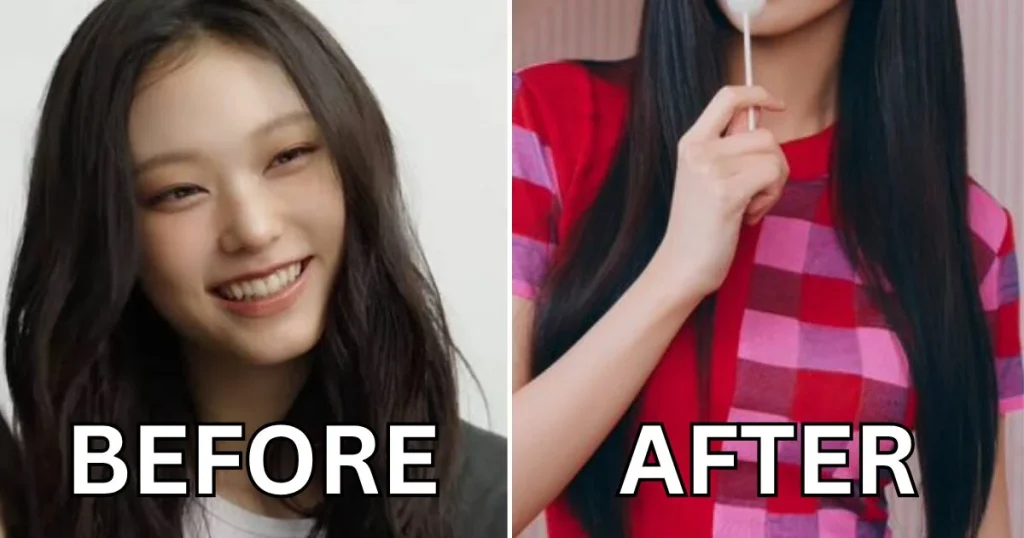
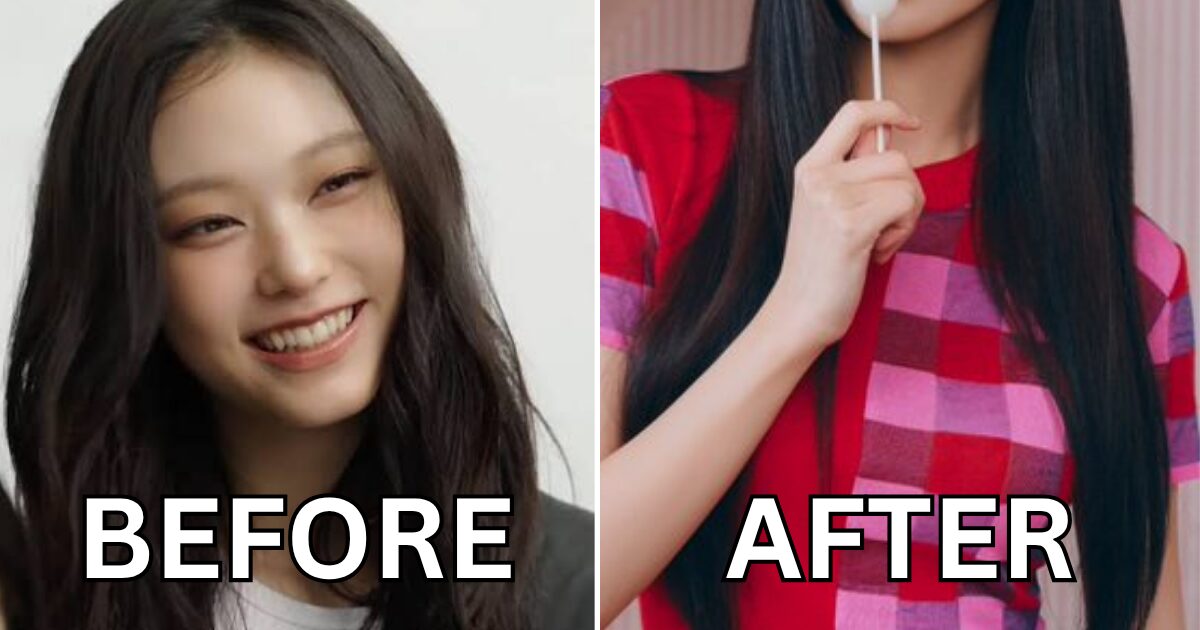
The K-Pop landscape was rocked on July 21, 2026, when girl group NewJeans made an unexpected comeback, albeit with a lineup reduced to four members, releasing new content that quickly ignited a firestorm of controversy among fans and online communities. Central to this burgeoning uproar was NewJeans member Haerin, whose appearance in recently released promotional photos led to widespread speculation that she had undergone a controversial cosmetic dental procedure, specifically veneers. The perceived alteration of her distinct and previously cherished natural smile has provoked intense outrage directed squarely at HYBE, the parent company of NewJeans’ agency, ADOR, reigniting perennial debates surrounding idol autonomy, agency control over artists’ aesthetics, and the relentless pressure to conform to evolving beauty standards within the highly scrutinized K-Pop industry.
The Controversy Unfolds: A Digital Storm Over Haerin’s Smile
The controversy began almost immediately after NewJeans unveiled new promotional material on July 21, 2026, coinciding with what many speculate might be a significant milestone for the group, such as their fourth anniversary. Among the array of fresh images, one particular photo of Haerin quickly became the focal point of intense scrutiny. Eagle-eyed netizens, known for their meticulous attention to detail regarding their beloved idols, zoomed in on Haerin’s teeth, comparing them to her previous appearance. The consensus among a significant segment of the fandom was that her natural teeth, often lauded for their unique charm and character, had been replaced with veneers – a cosmetic dental procedure involving thin, custom-made shells bonded to the front surface of teeth to improve their appearance.
This observation rapidly cascaded across social media platforms, most notably X (formerly Twitter), where hashtags related to NewJeans, Haerin, and HYBE began trending globally. Screenshots and side-by-side comparisons of Haerin’s past and present smiles flooded timelines, accompanied by a torrent of furious comments. Fans expressed profound disappointment and anger, lamenting what they perceived as the loss of a distinctive feature that contributed significantly to Haerin’s individual appeal. One viral tweet encapsulated the sentiment, stating, "What is this company’s sick obsession with giving everyone veneers my sweet baby Haerin what the hell," clearly indicating a broader dissatisfaction with HYBE’s alleged history of influencing idols to undergo similar procedures. Other comments ranged from "My fass nightmare" to "And then y’all gonna say Hybe isn’t fing obsessed with veneers. Her teeth were so charming and suited her so well wtf," highlighting the emotional depth of the fan reaction. The accusation of "this company is so f***ing evil" underscored the belief that these decisions are imposed upon the artists rather than being their autonomous choice.
A Deep Dive into K-Pop’s Aesthetic Pressures and Dental Veneers
The K-Pop industry is globally renowned not only for its music and elaborate performances but also for its meticulously crafted visual aesthetics. Idols are often expected to embody a certain ideal of beauty, which frequently includes flawless skin, specific facial ratios, and, increasingly, a "perfect" smile. Dental veneers have emerged as a popular solution within this demanding environment to achieve such a smile.
Veneers are thin, custom-made shells, typically crafted from porcelain or resin composite materials, designed to cover the front surface of teeth. They are used to correct a variety of dental imperfections, including discolored, worn down, chipped, broken, misaligned, or uneven teeth, or to close gaps between teeth. While veneers can dramatically enhance a smile’s appearance, the procedure is irreversible. It typically involves removing a small amount of enamel from the tooth surface to accommodate the veneer, meaning the natural tooth structure is permanently altered. The cost of veneers can be substantial, ranging from hundreds to thousands of dollars per tooth, depending on the material, location, and dentist’s expertise. Furthermore, they are not without potential downsides, including increased tooth sensitivity, the possibility of veneers chipping or detaching, and the need for eventual replacement.
Within the K-Pop context, the decision to undergo such a procedure is rarely, if ever, purely personal for an idol. It is often a strategic choice made by management in consultation with the idol, aimed at enhancing their marketability, aligning with a specific group concept, or fitting into the prevailing beauty standards. This has led to a noticeable trend of idols sporting uniformly white, perfectly aligned smiles, sometimes at the expense of unique, natural dental features that fans previously adored.
HYBE’s Image Management Strategy Under Scrutiny
HYBE Corporation, one of the most powerful entertainment companies in South Korea, managing global phenomena like BTS and various other successful groups through its subsidiary labels, has historically faced scrutiny over its image management practices. While the company is lauded for its innovative approach to music production and global marketing, discussions about aesthetic modifications among its artists are not new. Fans have previously speculated about various cosmetic enhancements across different HYBE groups, fueling a narrative that the company prioritizes a standardized, "perfected" aesthetic over the natural appearances of its artists.
The outrage over Haerin’s alleged veneers is amplified by NewJeans’ carefully cultivated image since their debut. The group initially garnered immense popularity for their "natural," "youthful," and "girl-next-door" concept, which emphasized authenticity and understated beauty. Haerin’s unique facial features, including her distinctive feline-like eyes and charming smile, were integral to this image and highly celebrated by fans. The perceived alteration of such a fundamental feature is seen by many as a betrayal of the group’s original ethos and a forced imposition of industry standards, directly contradicting the "natural" appeal that made them stand out.
The absence of an official statement from ADOR or HYBE regarding the allegations is typical in such situations. Entertainment agencies rarely comment on idols’ personal appearance or medical procedures, deeming them private matters. However, this silence often exacerbates fan frustration, leaving room for speculation and fueling the narrative that agencies exert excessive control without transparent communication.

Netizen Outcry and the Power of Fandom
The fervent reaction from netizens underscores the immense power and influence of K-Pop fandoms. These dedicated communities are not merely passive consumers of music; they are active participants in their idols’ careers, deeply invested in their well-being, image, and artistic direction. When fans perceive that an agency is making decisions detrimental to an idol’s individuality or health, or violating an unwritten code of preserving their natural charm, the backlash can be swift and overwhelming.
The comments circulating online reveal a range of emotions:
- Disappointment and Loss: Many fans expressed a sense of loss for Haerin’s "charming" original teeth, which they considered a unique and endearing part of her identity. This emotional attachment highlights how fans view idols not just as performers but as individuals whose distinct qualities are cherished.
- Anger at Agency Control: The fury is primarily directed at HYBE/ADOR, accusing them of forcing or pressuring Haerin into a procedure that fans believe she didn’t need or desire. This taps into broader concerns about idol autonomy and the contractual obligations that can limit an artist’s personal choices.
- Critique of Industry Standards: The controversy also serves as a broader critique of the K-Pop industry’s relentless pursuit of a specific, often unattainable, beauty ideal. Fans argue that this pressure leads to homogenization, stripping idols of their individuality and promoting unrealistic standards for younger audiences.
- Past Precedent: The references to HYBE’s "sick obsession with giving everyone veneers" suggest that fans perceive this as a recurring issue, indicating a pattern of behavior rather than an isolated incident. This historical context amplifies the current outrage.
The digital nature of this outcry ensures its rapid dissemination and amplification. Social media platforms provide an immediate forum for fans worldwide to unite, share their opinions, and exert collective pressure on agencies. This collective voice, while sometimes prone to speculation, often serves as a significant check on agency power, forcing companies to at least acknowledge, if not directly address, public sentiment.
Implications for Idol Autonomy and Industry Standards
This incident with Haerin and NewJeans brings to the forefront critical questions about idol autonomy, ethical considerations in talent management, and the evolving standards of beauty in the K-Pop industry. While idols sign contracts that often grant agencies significant control over their image, diet, and public persona, the extent to which these contracts should dictate permanent bodily modifications remains a contentious ethical debate.
The pressure on idols to maintain a flawless appearance is immense. Their visual appeal is a significant component of their marketability, directly impacting endorsements, media appearances, and overall public perception. Agencies often argue that such procedures are undertaken with the idol’s consent and are necessary for their career longevity and success in a highly competitive industry. However, critics argue that the power imbalance between young idols and powerful agencies can make "consent" a complex issue, potentially blurring the lines between voluntary choice and subtle coercion.

The long-term implications for NewJeans and HYBE could be varied. While some controversies fade, those that touch upon issues of authenticity, agency control, and idol well-being tend to resonate deeply with fans. For NewJeans, whose brand was built on a "natural" image, this alleged aesthetic alteration could alienate a segment of their fanbase who valued that specific appeal. It might also lead to increased scrutiny of all future aesthetic choices made by the group and its individual members. For HYBE, this adds another layer to existing discussions about its corporate practices and its role in shaping the physical appearance of its artists.
In conclusion, the fervent netizen reaction to NewJeans’ Haerin’s alleged cosmetic dental procedure is more than just an isolated fan outcry; it is a significant reflection of the ongoing tension between commercial demands, aesthetic ideals, and the desire for authenticity within the K-Pop industry. As NewJeans navigates its comeback, the controversy surrounding Haerin’s smile serves as a poignant reminder of the complex relationship between idols, their agencies, and the powerful, deeply invested global fandoms that follow their every move. The incident underscores the continuous public debate about what constitutes an idol’s personal choice versus an agency’s strategic decision in the ever-evolving landscape of K-Pop stardom.
Related News