BTS RM’s Opens Up About His Experiences Of Syndrome That Causes Physical And Psychological Distress
Article Editorial Team
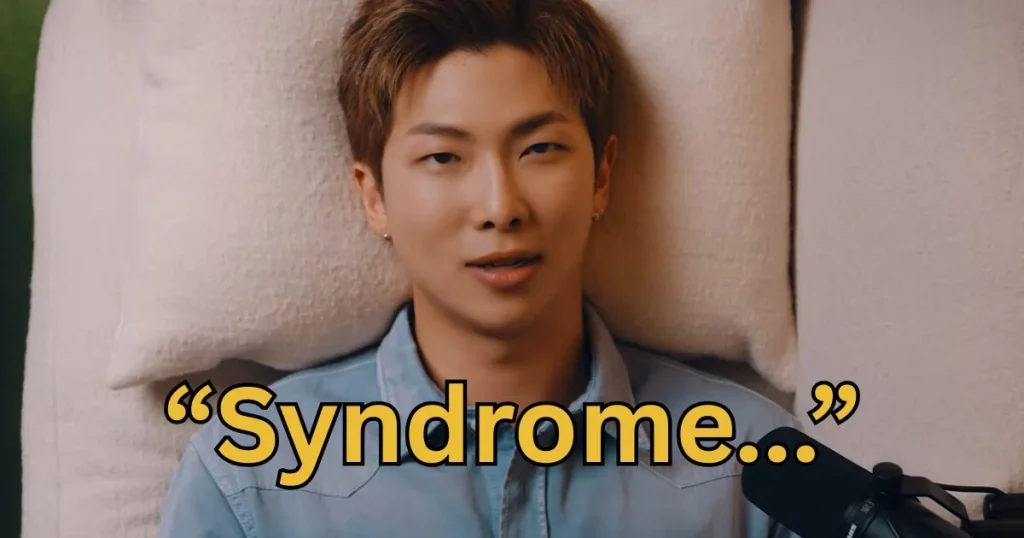
Kim Namjoon, known globally as RM, the esteemed leader of the South Korean phenomenon BTS, has recently offered a profound glimpse into his personal life, candidly discussing his experiences with a rare and captivating condition known as Stendhal Syndrome. This revelation, made during an insightful interview for Fashion Neurosis, has not only shed light on the often-overlooked psychological phenomenon but has also underscored RM’s reputation for intellectual curiosity and profound artistic sensitivity. His transparency about a syndrome that causes intense physical and psychological distress when exposed to overwhelming beauty, particularly art, literature, or fashion, has captivated fans and initiated a global conversation about the intricate connection between human emotion and aesthetic experience.
Understanding Stendhal Syndrome: A Deep Dive into Aesthetic Overload
Stendhal Syndrome, also sometimes referred to as Florence Syndrome, is a psychosomatic disorder characterized by rapid heartbeat, dizziness, fainting, confusion, anxiety, and even hallucinations, experienced by individuals when exposed to a great quantity of art or overwhelming beauty. The syndrome’s name originates from the 19th-century French author Marie-Henri Beyle, better known by his pen name Stendhal, who famously described his own intense reaction during an 1817 visit to Florence, Italy. Upon witnessing the exquisite artistic masterpieces and rich cultural heritage of the city, Stendhal wrote of feeling "a kind of ecstasy… I was in a sort of ecstasy, from the idea of being in Florence, and being surrounded by these great men whose tombs I had seen. I had a severe palpitation of the heart… The fount of life was dried up within me, and I walked in fear of falling."
While not officially recognized in the Diagnostic and Statistical Manual of Mental Disorders (DSM-5) or the International Classification of Diseases (ICD-10), Stendhal Syndrome is a documented phenomenon, particularly prevalent among tourists visiting Florence. Research suggests that individuals with a high degree of sensitivity, cultural awareness, or pre-existing psychological vulnerabilities may be more susceptible. The condition is considered transient, with symptoms typically subsiding once the individual is removed from the overwhelming environment. Its existence highlights the profound, sometimes overwhelming, impact that aesthetic beauty can have on the human psyche, transcending mere appreciation to evoke a visceral, physical response. The rarity of the syndrome makes RM’s open acknowledgment particularly significant, drawing global attention to a nuanced aspect of psychological experience often confined to academic or specialized discussions.
RM’s Chronology of Aesthetic Encounters and the Syndrome’s Manifestation
RM’s recent interview on Fashion Neurosis provided a more detailed chronology of his encounters with Stendhal Syndrome, expanding upon previous mentions related to visual art. His journey with this unique sensitivity appears to span several pivotal moments in his life and career, showcasing how different forms of artistic expression have profoundly impacted him.
-
Literary Genesis: Hermann Hesse’s ‘Demian’ (Pre-2016)
RM specifically recalled experiencing Stendhal Syndrome for the first time through literature. He cited Hermann Hesse’s seminal novel Demian as the book that initially triggered this intense reaction. Demian, a Bildungsroman exploring self-realization and individuality, profoundly resonated with RM and, notably, served as the central philosophical and thematic inspiration for BTS’s highly acclaimed 2016 album, WINGS. This album marked a significant turning point in the group’s artistic direction, delving into complex themes of youth, temptation, and psychological growth. RM’s revelation underscores how deeply art, in this case, literature, can influence an artist’s creative output and personal development. The profound emotional and intellectual engagement required to experience Stendhal Syndrome from a book speaks volumes about RM’s introspective nature and his capacity for deep immersion in narrative and philosophy.
-
Fashion’s Visceral Impact: Rick Owens (2014-2015)
Beyond literature, RM also recounted a formative experience with Stendhal Syndrome triggered by fashion, specifically the designs of American avant-garde designer Rick Owens. He recalled visiting a Rick Owens store in Seoul around 2014 or 2015, a period when BTS was still early in their career, and RM, by his own admission, "got no money" and "couldn’t afford any piece of Rick." Despite the financial barrier, the sheer aesthetic power of Owens’s deconstructed, minimalist, yet powerfully architectural designs evoked a strong physical and psychological response in him. This anecdote highlights that the syndrome is not tied to ownership or acquisition but to the pure, unadulterated perception of beauty and artistic vision. It demonstrates RM’s inherent sensitivity to design and aesthetics, long before he became a global fashion icon himself. This early encounter with Owens’s work likely shaped his evolving personal style and appreciation for fashion as a form of art. -
Visual Art Patronage: Continuous Experiences (Ongoing)
RM has previously spoken about his passion for visual art and his frequent visits to galleries and museums worldwide. He has openly shared how certain artworks can induce similar overwhelming feelings, leading to experiences akin to Stendhal Syndrome. As a prominent art patron, his influence has spurred a significant interest in fine art among his global fanbase, known as ARMY. His Instagram account, @rkive, frequently features his museum visits and art acquisitions, turning his personal passion into a public platform for cultural appreciation. These ongoing encounters reinforce that RM’s sensitivity is not an isolated incident but a consistent aspect of his engagement with the world’s artistic treasures.
The Fashion Neurosis Interview: A Platform for Deeper Discourse
RM’s participation in Fashion Neurosis signals a deliberate choice to engage in a more profound dialogue about the psychological and cultural dimensions of aesthetics. Fashion Neurosis, by its very title, suggests a platform dedicated to exploring the intricate, sometimes obsessive, relationship between individuals and their sartorial choices, extending beyond mere trends to touch upon identity, psychology, and societal impact. RM, with his thoughtful demeanor, intellectual depth, and reputation for candid self-expression, is an ideal figure to lead such discussions. His willingness to speak openly about a condition as unique as Stendhal Syndrome aligns perfectly with the interview series’ inferred mission to delve into the nuanced and often unspoken aspects of human experience with art and style.
This interview follows RM’s pattern of engaging in honest confessions about various aspects of his life, from romance and ideal types to his struggles with fame and identity. Such transparency has cultivated a deep sense of connection and trust with his fanbase, making his insights particularly impactful. By discussing Stendhal Syndrome in this context, RM not only provides personal anecdotes but also elevates the conversation around how fashion, like other art forms, can profoundly affect an individual’s emotional and physical state.
Fan Reaction and the Global ARMY’s Awareness Campaign
Immediately following RM’s interview, social media platforms, particularly X (formerly Twitter), buzzed with discussions among the global ARMY fandom. Many fans, initially unaware of Stendhal Syndrome, expressed surprise and curiosity. This unfamiliarity quickly transformed into a collective effort to understand and disseminate information about the condition.
Dedicated ARMY accounts and fan communities rapidly began sharing definitions, symptoms, and historical context of Stendhal Syndrome. Threads detailing RM’s past and present experiences were created, linking his artistic preferences to his psychological responses. Hashtags like #RMxFASHIONNEUROSIS and #RM trending globally, becoming hubs for educational content and supportive discussions. This grassroots campaign by ARMY effectively turned a personal revelation into a public awareness initiative, showcasing the immense power of a highly engaged and globally connected fandom. The shared information not only educated those new to the concept but also fostered a deeper appreciation for RM’s artistic sensitivity and vulnerability. This collective action highlights the unique dynamic between BTS and their fans, where the artists’ openness inspires active engagement and mutual learning within the community.

Broader Implications and Impact
RM’s candid discussion of Stendhal Syndrome carries significant implications, extending beyond the immediate context of his interview and fanbase:
-
Destigmatization of Psychological Experiences: In an industry often characterized by intense pressure and a curated public image, RM’s willingness to speak about a unique psychological phenomenon contributes significantly to destigmatizing mental and emotional experiences. By normalizing discussions around such conditions, even rare ones, he encourages a more open environment where individuals feel less isolated in their own complex internal worlds. This aligns with broader efforts within the K-Pop industry and beyond to prioritize mental health awareness.
-
Fostering Art and Cultural Appreciation: As a prominent global figure, RM’s public endorsement and personal connection to art, literature, and fashion have an undeniable ripple effect. His discussions about Demian, Rick Owens, and visual art could inspire millions of fans worldwide to explore these cultural touchstones, leading to a deeper engagement with various artistic disciplines. This celebrity influence can democratize access to art appreciation, making it less intimidating and more accessible to younger generations.
-
Highlighting the Interconnectedness of Art and Emotion: Stendhal Syndrome, by its very nature, underscores the profound and sometimes overwhelming connection between human perception, emotional response, and artistic expression. RM’s personal narrative serves as a powerful testament to the idea that art is not merely an aesthetic object but a potent force capable of evoking deep physiological and psychological reactions. This perspective enriches the discourse around the transformative power of art.
-
Celebrity as a Catalyst for Knowledge: RM’s position as a globally recognized artist allows him to bring obscure or niche topics into mainstream conversation. His ability to articulate complex feelings and connect them to broader cultural and psychological concepts positions him not just as an entertainer but also as an intellectual and a cultural ambassador. This fosters an environment where curiosity and learning are valued within fandom culture.
In conclusion, RM’s candid revelations about his experiences with Stendhal Syndrome offer a rare and valuable insight into the profound impact of aesthetic beauty on the human psyche. His openness, characteristic of his thoughtful public persona, not only educates his vast global fanbase about a lesser-known psychological phenomenon but also reinforces his role as a deeply sensitive artist and an influential cultural figure. By sharing these personal moments of aesthetic overwhelm, RM continues to contribute to a broader conversation about mental well-being, the transformative power of art, and the intricate ways in which we engage with the beautiful complexities of the world around us.
Related News