Popular HYBE Artist’s Solo Release Incites Backlash With Plagiarism Accusations
Article Editorial Team
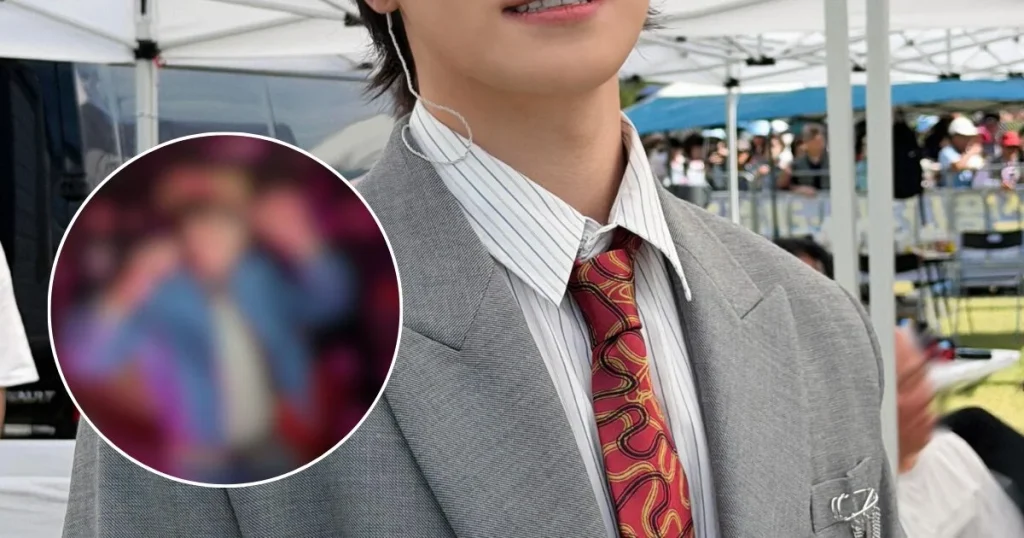
The K-pop industry, a global powerhouse known for its rigorous production standards and creative innovation, is currently navigating a significant controversy involving one of its most prominent figures. On July 22, 2026, Dino, the youngest member of the world-renowned group SEVENTEEN, released a new solo project under the artistic alter ego "Picheolin." While the release was initially met with high expectations from the group’s massive global fanbase, known as CARATs, it quickly became the center of a heated debate. Accusations of plagiarism began to circulate across social media platforms, with critics pointing to striking similarities between Dino’s new track and a recent release by BIGBANG member Daesung.
The controversy centers on the track "Micheolyeo Micheolyeo" (roughly translated as "Going Crazy"), which Dino released as part of a concept-driven solo endeavor. The song utilizes the trot genre—a traditional form of Korean popular music known for its distinctive repetitive rhythms and vocal inflections. However, upon the release of the music video and its preceding teaser, listeners immediately drew parallels to Daesung’s song "HANDO-CHOGUA," which was released earlier in the year. Daesung, a veteran of the industry, has been credited with revitalizing interest in trot among younger generations through his solo work, making the comparison particularly pointed.
Chronology of the Controversy
The timeline of the backlash began on July 21, 2026, when Kpop Charts and other major social media outlets shared the teaser for Picheolin’s "Micheolyeo Micheolyeo." Within hours of the teaser’s debut on X (formerly Twitter), the post was flooded with quote-tweets and comments from concerned listeners and fans of BIGBANG (V.I.P.s). The initial observations focused on the introductory melody and the brass-heavy arrangement, which many claimed mirrored the hook of Daesung’s "HANDO-CHOGUA."
By the time the full music video was released on July 22, the discourse had evolved from casual observation to structured allegations of plagiarism. Critics began posting side-by-side audio comparisons, highlighting specific segments where the melody, tempo, and even the vocal delivery appeared to overlap. The phrase "word for word, bar for bar" began trending in certain circles, a colloquialism used to suggest that the newer work had been directly modeled after the predecessor without sufficient original variation.
Background: The Rise of the Picheolin Persona
To understand the context of this release, one must look at Dino’s trajectory within SEVENTEEN. As the group’s main dancer and a key member of the performance team, Dino has long been praised for his versatility. In late 2023, he made his official solo debut with the mixtape "Wait," which showcased a sleek, contemporary R&B and pop sound. The "Picheolin" project, however, represents a radical departure from his established image.

Picheolin is presented as an alter ego, a character-driven performance that leans into the "B-grade" comedy aesthetic often associated with certain sectors of the trot industry. This approach is not uncommon in SEVENTEEN; the group is famous for its sub-units and creative experiments, such as BSS (BooSeokSoon), which also utilizes high-energy, humorous concepts. However, the decision to venture into trot—a genre where Daesung is considered a modern pioneer—placed Dino’s new work under a microscope.
Detailed Analysis of the Plagiarism Allegations
The primary point of contention lies in the musical composition of the two tracks. Plagiarism in music is often a complex legal and ethical gray area, typically involving the "eight-bar rule" or the "substantial similarity" test. In this instance, the backlash is focused on the "top line" (the lead melody) and the rhythmic "groove" of the chorus.
Listeners have noted that both "Micheolyeo Micheolyeo" and "HANDO-CHOGUA" utilize a specific syncopated brass riff that serves as the backbone of the production. While defenders of the release argue that these elements are generic tropes of the trot genre—much like the 12-bar blues in Western music—detractors point out that Daesung’s recent trot discography is remarkably diverse. They argue that if the similarities were merely a result of genre conventions, Dino’s song should not so closely resemble one specific, contemporary track.
"I get that they are both trot so they can sound similar," one social media user noted in a widely shared post, "but Daesung has two trot songs that sound nothing alike, so why does this one sound so much like ‘HANDO-CHOGUA’?" This sentiment reflects the core of the frustration: the belief that the creative team behind Dino’s project may have leaned too heavily on a successful existing blueprint rather than innovating within the trot framework.
Industry Implications and Fan Reactions
The backlash has created a rift within the K-pop community. On one side, loyal fans of SEVENTEEN argue that the accusations are an attempt to overshadow Dino’s hard work and creative risk-taking. They maintain that the Picheolin project is a parody-style performance intended for entertainment, and that the musical similarities are coincidental or part of the "trot formula."
On the other side, many industry observers and fans of BIGBANG argue that creative integrity must be upheld, regardless of an artist’s popularity or the "parody" nature of a project. There is a growing concern that as K-pop companies expand and produce content at an unprecedented rate, the pressure to deliver "viral" hits may lead to a decline in original composition.

The involvement of HYBE, the parent company of Dino’s label, Pledis Entertainment, adds another layer of scrutiny. As the largest conglomerate in the K-pop industry, HYBE is frequently at the center of discussions regarding market dominance and creative ethics. Any allegation of plagiarism involving a HYBE artist tends to draw significant attention from both the public and corporate competitors.
Historical Context of Trot in Modern K-pop
Trot is Korea’s oldest form of popular music, dating back to the early 20th century. For decades, it was seen as "old-fashioned" music for the elderly. However, the late 2010s saw a massive resurgence of the genre, fueled by hit television programs like Miss Trot and Mr. Trot. This "trot craze" prompted several K-pop idols to experiment with the sound.
Daesung’s contribution to this movement was pivotal. His 2008 hit "Look at Me, Gwisoon" proved that a young, relevant idol could find massive success in trot. When he returned with "HANDO-CHOGUA" in 2024, it was seen as a masterclass in how to modernize the genre while respecting its roots. This historical context explains why the K-pop audience is so protective of Daesung’s work in this specific niche; he is seen as the architect of the bridge between idols and trot.
Official Responses and the Path Forward
As of the time of writing, neither Pledis Entertainment nor HYBE has issued a formal statement regarding the plagiarism allegations. In the K-pop industry, agencies often wait to see if a controversy will subside on its own before deciding whether to address it. However, if the backlash continues to affect the song’s performance on digital charts or its reception in domestic Korean media, a clarification may be forthcoming.
The "Picheolin" release continues to garner views on YouTube, but the comments section remains a battleground of conflicting opinions. For Dino, an artist known for his impeccable reputation and dedication to his craft, this controversy represents a challenging moment in his solo career. It highlights the delicate balance artists must strike when paying homage to a genre while attempting to maintain a unique creative voice.
In the broader scope, this incident serves as a reminder of the power of the digital audience in the modern era. With tools to compare and contrast music instantly available to millions, the standard for originality has never been higher. Whether "Micheolyeo Micheolyeo" is eventually cleared of these "copycat" labels or remains a controversial footnote in Dino’s career, it has undeniably sparked a necessary conversation about the boundaries of genre, parody, and creative inspiration in the global music scene.
Related News