Exposed Or Okay? The 4th Gen Boy Group Member Caught Bringing Girlfriend To Schedules
Article Editorial Team
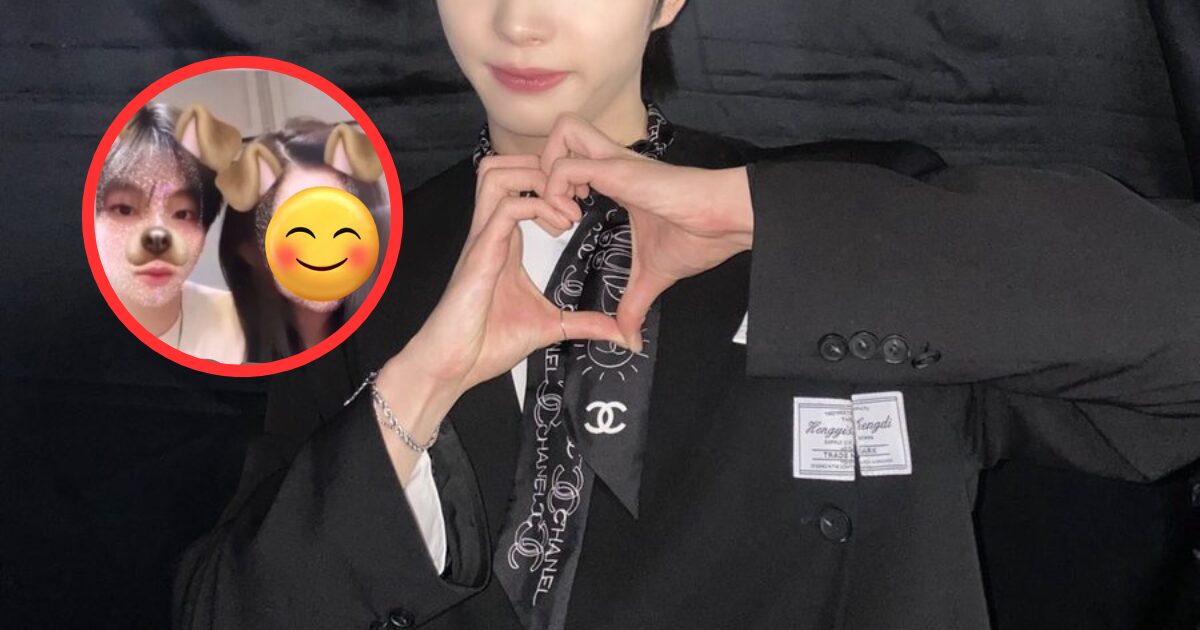
Kim Minseo, a prominent member of the now-disbanded boy group B.D.U, became the subject of a widespread dating controversy in April 2024, a significant period during the group’s active promotions. The allegations, which surfaced via online communities, centered on claims that Minseo had involved his alleged girlfriend in official group activities and maintained a public relationship prior to and during his debut, sparking intense debate among K-pop fans and industry observers alike.
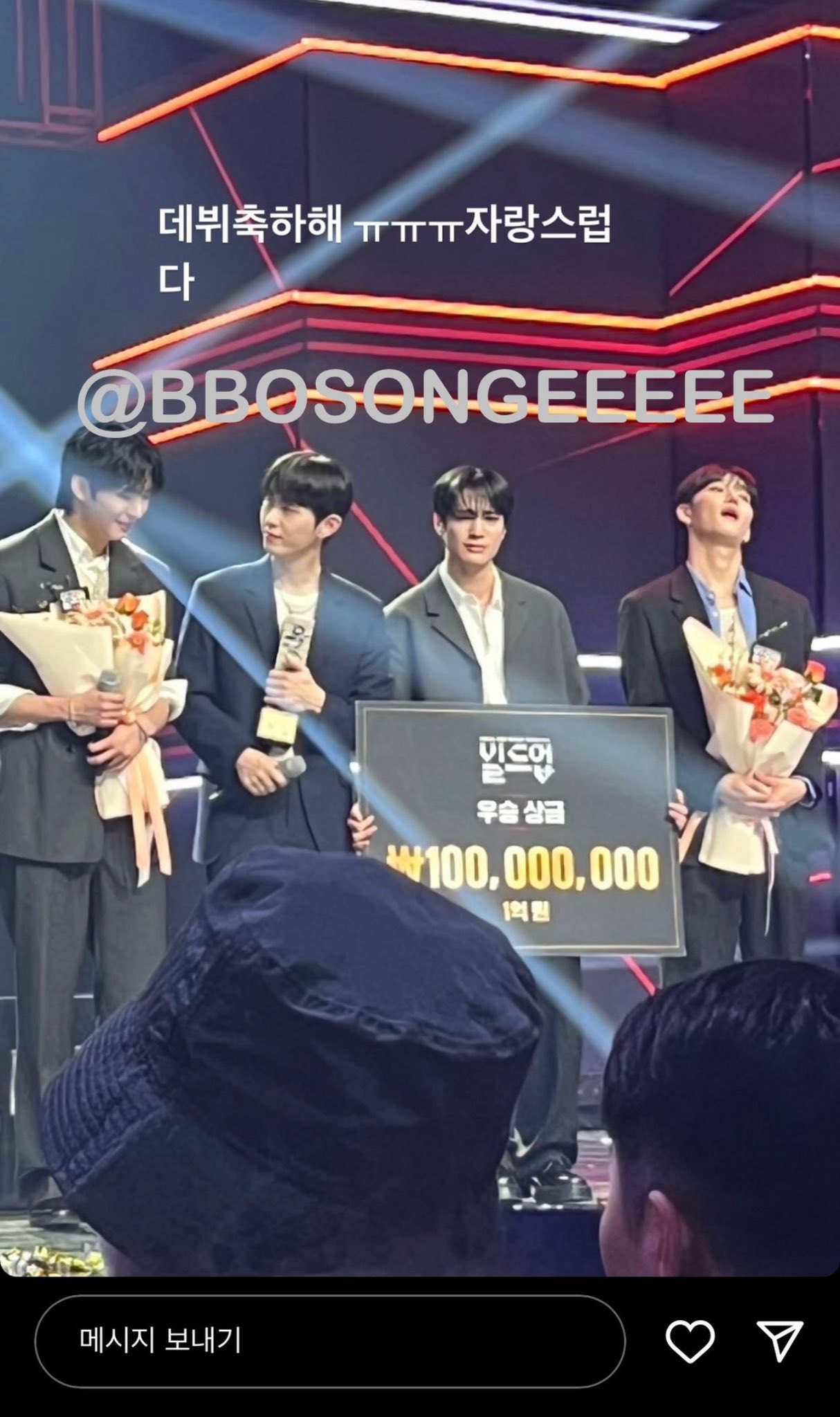
The controversy ignited when a netizen brought forth photographic evidence and social media posts purportedly belonging to Minseo’s girlfriend. These posts indicated her attendance at the final episode of Build Up: Vocal Boy Group Survivor, the reality competition that formed B.D.U, where Minseo secured his spot in the debut lineup. A congratulatory picture, allegedly taken by the girlfriend from the live broadcast audience, was shared with the caption, "Congrats on your debut. I’m proud of you," signaling a close personal connection to the star’s career milestone. This initial revelation quickly propelled the issue into the spotlight, drawing immediate scrutiny from the K-pop fandom.
Unearthing a Public Past: The Digital Footprint
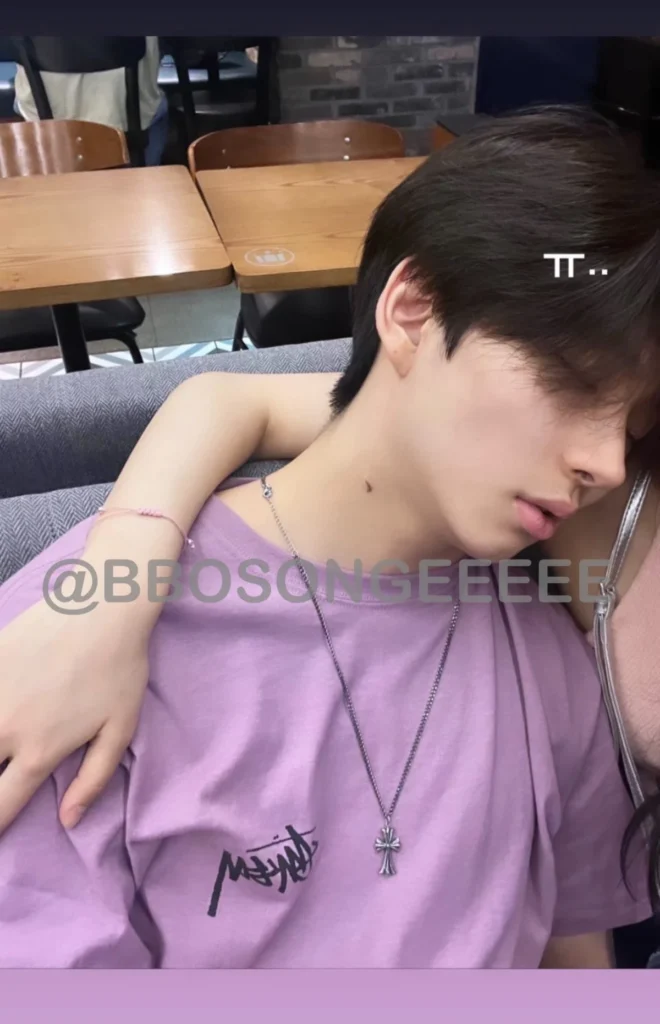
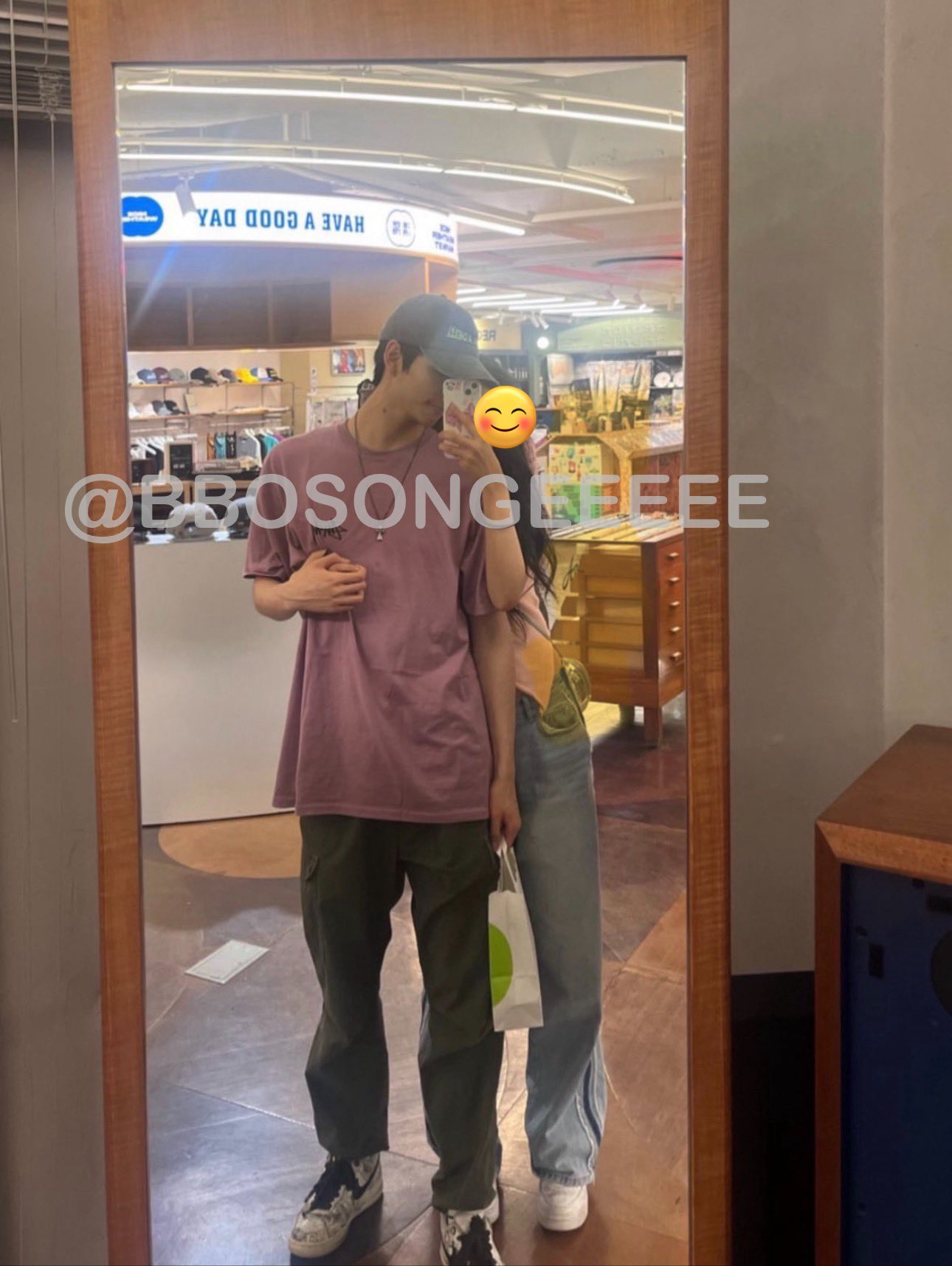
Following the initial exposure, further online investigation by netizens unearthed a more extensive digital footprint of the alleged relationship. Social media accounts, identified as belonging to Minseo’s girlfriend, contained numerous photos documenting various dates and intimate moments shared between the couple. These images, which circulated widely across fan forums and social media platforms, included candid shots such as Minseo reportedly falling asleep on her shoulder, as well as multiple instances of him appearing in her Instagram stories. The sheer volume and public nature of these posts suggested a relationship that was not only ongoing but also openly shared within her personal digital sphere, raising questions about the management of idol privacy and public perception.
The timeline of these revelations is critical. Minseo’s participation in Build Up commenced in January 2024, culminating in his successful debut with B.D.U. The alleged girlfriend’s congratulatory post and the subsequent discovery of past dating photos emerged in April 2024, mere months after B.D.U’s formation. This timing meant the controversy unfolded while the group was actively promoting and attempting to establish its presence in the highly competitive K-pop landscape. B.D.U, an acronym for "Boys Define Universe," was formed through the Mnet survival show Build Up: Vocal Boy Group Survivor, a program designed to identify and assemble a vocal powerhouse boy group from a pool of talented contestants. Minseo, having successfully navigated the rigorous competition, earned one of the coveted spots in the final lineup. The group later disbanded in March 2026, making this dating scandal a significant event within their relatively short active period.
Kim Minseo’s Pre-Debut Journey and Industry Context
Kim Minseo’s path to debut was marked by previous attempts and significant industry exposure, adding layers to the debate surrounding his alleged relationship. Prior to his success on Build Up, Minseo was a trainee under IST Entertainment from 2019 to 2022. During this period, he participated in The Origin – A, B, or What?, another survival show hosted by IST Entertainment, which aimed to debut a new boy group. Despite his efforts, Minseo ultimately did not make the final cut for that group, leading to his departure from the company. His subsequent independent journey, culminating in his participation in Build Up as an individual contestant not affiliated with a specific agency, became a central point of discussion among fans.

This background provided a unique context for the controversy. Supporters argued that given Minseo’s status as an independent participant in Build Up and his previous struggles to debut, he was essentially a "regular citizen" prior to securing his spot in B.D.U. From this perspective, his private life, including any relationships he might have had before or during the initial stages of the survival show, should be considered distinct from the strictures typically placed on established idols under major agencies. This argument highlighted the evolving nature of idol contracts and fan expectations, particularly for those who debut through reality competition shows where a significant portion of their journey is showcased before formal agency management takes full effect.
Divergent Fan Reactions and the K-Pop Dating Taboo
The revelations triggered a polarized response within the K-pop fandom, reflecting the complex and often contradictory expectations placed upon idols. On one side, a segment of fans expressed shock and disappointment. For these fans, the alleged relationship, particularly its public nature through social media, represented a breach of the unspoken "dating ban" or the implicit expectation that idols, especially new ones, should prioritize their career and maintain an image of availability to their fanbase. The concept of "parasocial relationships" plays a significant role here, where fans invest emotionally and financially in an idol, often developing a sense of intimacy and ownership. Any perceived threat to this idealized relationship, such as an idol being in a real-life romance, can lead to feelings of betrayal. Tweets such as "not the build up group already getting exposed" encapsulated this sentiment of dismay and a perceived violation of idol-fan boundaries.
Conversely, a substantial portion of the fandom defended Minseo, arguing that his private life should be respected. The core of their argument rested on the fact that he was not a fully-fledged, established idol when many of the alleged relationship photos were taken or when the relationship began. As one widely cited tweet stated, "was he not literally a regular citizen before the show…from what i remember he wasn’t even training under a COMPANY." This viewpoint emphasized the human aspect of idols, asserting their right to personal relationships regardless of their public profession. It also highlighted a growing sentiment among a more progressive segment of the fandom that the traditional "no dating" rule is outdated and detrimental to idols’ well-being. This group often advocates for idols to be treated as adults with personal lives, pushing back against the restrictive elements of K-pop fan culture.
Broader Implications for the K-Pop Industry and Fan Culture
The Kim Minseo controversy, while specific to B.D.U, illuminates several broader trends and challenges within the K-pop industry. The "dating taboo" remains one of the most persistent and debated aspects of idol culture. While not always explicitly stated in contracts, many agencies enforce an unofficial dating ban, especially during an idol’s debut and early career stages. This policy is largely driven by commercial interests: maintaining the illusion of accessibility and fostering intense fan devotion, which directly translates into album sales, merchandise purchases, and concert attendance. Dating scandals can severely impact an idol’s popularity, leading to fan boycotts, loss of endorsement deals, and even career termination, as seen in numerous past instances across the industry.
The rise of survival shows like Build Up also introduces new complexities. These programs often feature contestants who are not yet under formal agency contracts or who have varying degrees of pre-debut fame. For these individuals, the line between "regular citizen" and "idol-in-training" can be blurry, making the application of traditional idol norms difficult and controversial. Fans who invest in a contestant during a survival show often feel a heightened sense of connection and ownership, as they actively contribute to their debut through voting. This investment can lead to increased scrutiny of their personal lives, even before they officially become "idols."
Furthermore, the incident underscores the relentless nature of online "digging" by netizens and the increasing difficulty for public figures to maintain privacy in the digital age. Personal information, once shared within a limited circle, can be swiftly unearthed and disseminated globally, often with severe consequences for an idol’s career and mental health. This phenomenon highlights the need for idols and their agencies to navigate the digital landscape with extreme caution, understanding that past social media activities, even from years prior, can be resurrected and recontextualized.
Official Response and Future Outlook
As is common in K-pop controversies of this nature, B.D.U’s management agency did not issue a formal statement regarding Kim Minseo’s alleged relationship. This silence is a calculated strategy often employed by agencies to avoid legitimizing rumors, to prevent further escalation, and to allow the controversy to dissipate naturally over time. Commenting directly on an idol’s private life, especially dating, can inadvertently confirm allegations, alienate fans, or invite further scrutiny. Instead, agencies typically monitor public sentiment, and if necessary, issue general statements emphasizing the artist’s focus on their career or take legal action against malicious rumors if they cross certain boundaries.
The long-term implications for Kim Minseo, even after B.D.U’s disbandment in March 2026, are multifaceted. While the initial fervor of the controversy may have subsided, such incidents can leave a lasting mark on an idol’s public image and future career prospects. For idols seeking to transition into solo careers, acting, or musical theater, past dating scandals can influence casting decisions, public perception, and fan support. However, as K-pop fan culture slowly evolves, there is also a growing acceptance for idols to have personal lives, particularly for those who are older or who have established careers. The debate surrounding Minseo’s case contributes to this ongoing conversation, pushing the boundaries of what is considered acceptable for idols in a rapidly changing industry.
Ultimately, the Kim Minseo dating controversy serves as a microcosm of the perpetual tension between the manufactured fantasy of K-pop and the reality of idols as individuals. It continues to spark discussions about the responsibilities of idols, the rights of fans, and the ethical boundaries of privacy in an increasingly transparent world, reflecting a pivotal moment in the ongoing evolution of the K-pop industry’s relationship with its global fanbase.
Related News