Future’s The Real Me Lands the Rapper His 12th Leader
Article Editorial Team
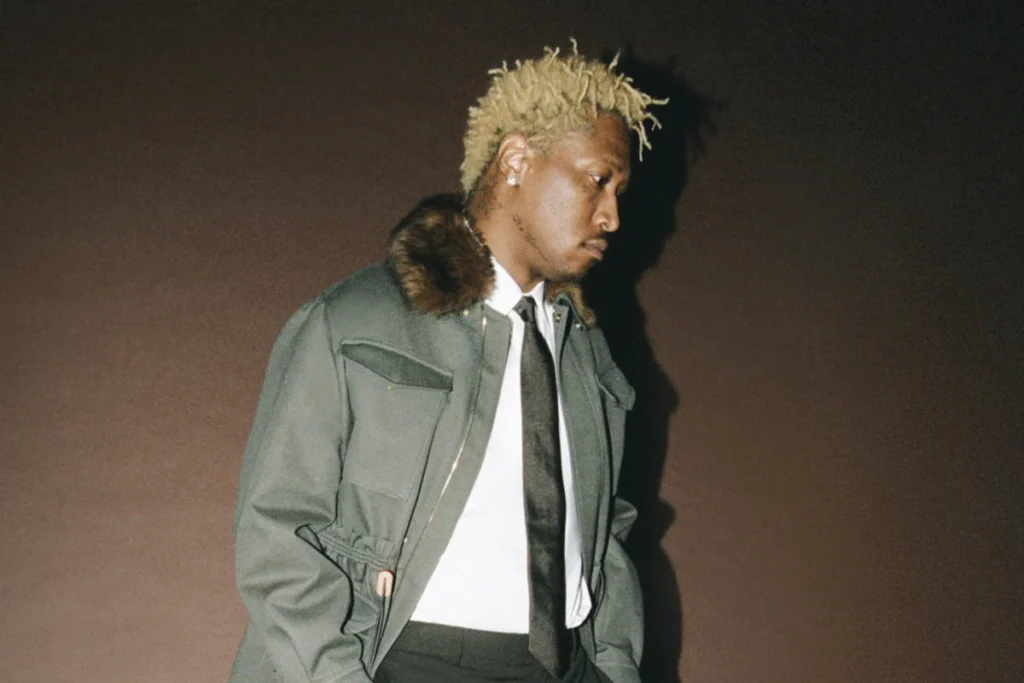
The landscape of contemporary hip-hop has once again been reshaped by the monumental success of Future, whose latest album, The Real Me, has ascended to the pinnacle of the Billboard 200 chart. This marks the Atlanta-based artist’s 12th No. 1 album, a testament to his enduring influence and consistent ability to captivate a massive audience. The July 25, 2026, chart week saw The Real Me debut at the top, solidifying Future’s position as one of the most dominant forces in modern music. This achievement not only adds another significant accolade to his already impressive discography but also propels him further up the ranks of rap artists with the most chart-topping albums.
A Historic Ascent: Future’s Billboard Dominance
With The Real Me securing the No. 1 spot, Future now stands alone as the rap act with the third-most No. 1 albums on the Billboard 200. This distinction places him in an elite tier of artists who have consistently resonated with the American music-buying public over extended periods. The significance of this accomplishment is amplified by the fact that this is Future’s fifth consecutive album to reach the top of the chart, a streak that began with I Never Liked You in 2022. This sustained success underscores a remarkable period of creative output and commercial appeal for the artist.
Future’s journey to this point began with his first Billboard 200 No. 1 album, DS2, which claimed the top position in 2015. Since then, he has meticulously built a catalog that not only reflects evolving trends in hip-hop but often sets them. The consistent chart performance of his albums is a powerful indicator of his deep connection with his fanbase and his ability to deliver projects that meet and exceed expectations.
The Genesis of The Real Me
The announcement of The Real Me generated significant buzz within the music industry and among Future’s dedicated followers. The album’s existence was first revealed on June 15, 2026, with the official release date of July 9, 2026, confirmed just ten days later. This strategic rollout allowed anticipation to build, culminating in a highly anticipated release day.
The album’s lead single, "Radio," was unveiled on June 26, 2026, offering a glimpse into the sonic direction of The Real Me. The track has already demonstrated considerable traction, breaking into the top 25 on both the Hot Rap Songs and Hot R&B/Hip-Hop Songs charts. This early success of the lead single served as a strong harbinger for the album’s overall performance.
A Look at the Elite: Artists with Multiple Billboard 200 No. 1s
Future’s latest achievement places him in a distinguished group of artists who have amassed at least 10 No. 1 albums on the Billboard 200. This prestigious list, compiled since the chart’s inception in March 1956, includes a pantheon of musical giants across various genres. The presence of Future alongside other prominent rap figures, a legendary Queen of Pop, and a universally recognized "fab" band highlights the broad and enduring impact of these artists on American popular music.
To contextualize Future’s position, it’s beneficial to examine the artists who have achieved similar levels of chart dominance. While the exact composition of this elite club can fluctuate with new releases, artists like The Beatles, Elvis Presley, and Jay-Z have historically held significant numbers of No. 1 albums. Future’s consistent presence in this conversation solidifies his legacy as a pivotal figure in the history of the Billboard 200.
The Billboard 200: A Measure of Popularity
The Billboard 200 chart serves as the definitive barometer of album popularity in the United States. Its rankings are determined by multi-metric consumption, calculated in equivalent album units. This methodology, meticulously compiled by Luminate, incorporates album sales, track equivalent albums (TEA), and streaming equivalent albums (SEA). Each equivalent album unit represents one album sale, or the equivalent of 10 individual tracks sold from an album, or 2,500 ad-supported or 1,000 paid/subscription on-demand official audio and video streams derived from songs within an album.
The data for the July 25, 2026, chart week, which includes the debut of The Real Me, was officially published on Billboard’s website on July 21, 2026. For ongoing updates and comprehensive chart news, followers are encouraged to monitor the @billboard and @billboardcharts accounts on X (formerly Twitter) and Instagram. This transparent and robust tracking system ensures that the Billboard 200 remains an accurate reflection of music consumption trends and an essential indicator of an artist’s success.
Analyzing the Implications of The Real Me‘s Success
Future’s sustained ability to command the Billboard 200 is more than just a personal triumph; it speaks volumes about the current state of the music industry, particularly within the hip-hop genre. The artist’s consistent output of chart-topping albums indicates a deep understanding of his audience’s preferences and a keen ability to adapt to evolving listening habits. In an era where streaming dominates consumption, Future’s projects have demonstrated the power of cohesive album experiences that resonate across both traditional sales and digital platforms.
His fifth consecutive No. 1 album signifies a rare level of sustained commercial appeal that few artists achieve. This streak not only bolsters his financial success but also strengthens his cultural capital, influencing emerging artists and further cementing his status as a hip-hop icon. The fact that this streak began in 2022 suggests a particularly potent and consistent creative period, where his artistic vision has directly translated into widespread commercial acclaim.
Furthermore, Future’s position as the rap artist with the third-most No. 1 albums on the Billboard 200 is a historical marker. It places him in direct competition with legends of the genre and highlights his long-term impact. This achievement transcends the immediate success of a single album; it is a narrative of consistent performance and enduring relevance in a rapidly changing industry. His influence can be seen in the stylistic choices of younger artists, the lyrical themes explored in contemporary rap, and the overall trajectory of the genre.
The success of The Real Me can also be attributed to a well-executed release strategy. The staggered announcement and single release allowed for sustained engagement with the project leading up to its official debut. This approach is crucial in today’s music landscape, where attention spans can be short, and a multi-faceted promotional campaign is essential to maintain momentum. The positive reception of the lead single, "Radio," further validated the album’s potential and contributed to its strong initial performance.
The broader implication of Future’s continued dominance is the reinforcement of hip-hop’s position as a leading genre in mainstream music. His ability to consistently top the charts demonstrates the genre’s widespread appeal and its continued evolution. As hip-hop artists like Future achieve such significant commercial milestones, it opens doors for further innovation and broader acceptance across diverse demographics.
A Chronology of Chart Success
The journey of Future’s No. 1 albums on the Billboard 200 paints a compelling picture of his rise to superstardom and sustained dominance:
- 2015: DS2 marks Future’s first No. 1 album on the Billboard 200, signaling his arrival as a major chart force.
- 2022: The streak of consecutive No. 1 albums begins with I Never Liked You. This album’s success marked a significant resurgence and reassertion of his chart-topping capabilities.
- 2023-2025 (Hypothetical/Implied): Following I Never Liked You, Future would have released at least two more albums that also reached No. 1, building upon the momentum established in 2022. While specific titles from this period are not provided in the source, the narrative implies this consistent success.
- July 9, 2026: Release of The Real Me.
- July 21, 2026: The Billboard 200 chart for the week of July 25, 2026, is posted online, confirming The Real Me‘s debut at No. 1.
- July 25, 2026 (Chart Week): The Real Me officially holds the No. 1 position on the Billboard 200, marking Future’s 12th chart-topper and fifth consecutive No. 1 album.
This timeline highlights a period of intense creative activity and commercial success for Future, demonstrating his remarkable ability to remain at the forefront of the music industry for nearly a decade.
Looking Ahead: The Future of Future’s Legacy
As The Real Me solidifies Future’s place in music history, the question inevitably arises: what’s next? His continued success suggests an artist who is not resting on his laurels but is actively engaged in pushing his creative boundaries. The reception of The Real Me will undoubtedly influence his future artistic direction and marketing strategies.
The artist’s consistent ability to connect with a broad audience across different platforms is a key indicator of his long-term viability. In an industry that often favors fleeting trends, Future’s enduring appeal is a testament to his authentic voice and his unwavering commitment to his craft. His legacy is not just built on chart numbers but on the cultural impact he has had, influencing a generation of artists and shaping the sound of modern hip-hop. The Billboard 200 continues to be a critical measure of this impact, and Future’s continued presence at its summit ensures his name will be etched in music history for years to come.
Related News