Navigating K-Pop Fashion: From Stage Costumes to Personal Style
Article Editorial Team
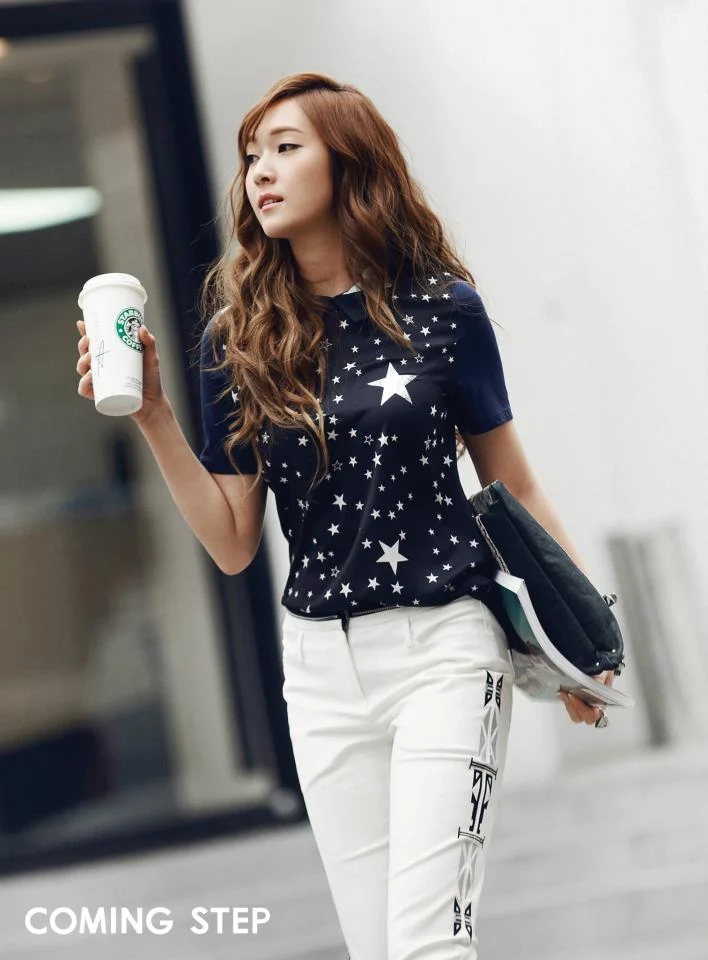
The vibrant and visually arresting world of K-pop has long captivated global audiences, extending far beyond its infectious music and intricate choreography. A significant element contributing to this phenomenon is the meticulous attention paid to the idols’ appearances. From the hours dedicated to mastering complex dance routines to the collaborative efforts of style, hair, and makeup teams, every aspect is honed to create a polished and impactful presence for music shows, concerts, variety programs, and even casual airport sightings. This dedication to visual presentation inevitably inspires fans, who seek to emulate the aesthetics of their favorite artists. While learning choreography and singing along are common forms of fan engagement, fashion presents a more accessible avenue for direct emulation. The very act of dressing, a daily necessity for individuals pursuing education, professional endeavors, or social engagements, provides a fertile ground for incorporating K-pop-inspired elements into personal wardrobes.
Historically, fashion publications and fan communities have offered guides and analyses of K-pop fashion trends, aiming to demystify how fans can acquire specific pieces worn by idols. However, achieving an authentic K-pop-inspired look is not as straightforward as simply purchasing an item spotted on a celebrity. The distinction between a celebrity’s on-stage attire and everyday wear is crucial. Items that appear effortlessly stylish on a K-pop idol, often part of a carefully curated stage costume designed for performance impact, can, when combined without careful consideration, result in an ensemble that resembles a costume rather than a cohesive personal style. This is particularly true when attempting to replicate multiple trending pieces simultaneously. The goal for many fans is not to don a literal replica of an idol’s outfit but to capture the essence of their coolness and fashion-forward sensibility in a way that is appropriate and authentic for their own daily lives.
Understanding the Nuance: Trends vs. Personal Style
The key to successfully integrating K-pop fashion into one’s personal style lies in a nuanced approach: incorporating trends in measured doses and ensuring they align with an individual’s existing aesthetic preferences. Developing a strong sense of personal style serves as a compass, allowing individuals to identify which emerging K-pop trends resonate with their own inclinations. While experimentation is a fundamental aspect of fashion exploration, understanding one’s preferences—what silhouettes, colors, and overall vibes one gravitates towards—is paramount. The aim is to cultivate a unique look, rather than to become a mere imitation of a particular idol. This self-awareness prevents fans from falling into the trap of simply copying, which can lead to a disjointed or inauthentic presentation.
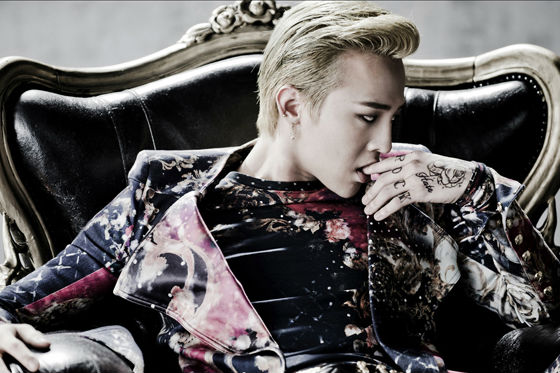
To foster this self-discovery, individuals are encouraged to introspect about their fashion habits. Do they lean towards a minimalist color palette with sharply defined silhouettes? Is their preference more aligned with a casual, sporty aesthetic? Or perhaps their inspiration draws from menswear, leading to more structured pieces in muted tones? By posing these questions and actively experimenting with different looks, individuals can gradually define their own distinct style. Personal style is not static; it evolves continuously. However, establishing a foundational understanding of one’s likes and dislikes is an achievable and rewarding process that requires mindful observation of personal choices.
The Evolutionary Path of Style Transformation
For those who feel their current style is not reflective of their aspirations and wish for a significant change, a wholesale adoption of new aesthetics is certainly possible. However, this transformation is best approached progressively. Attempting to overhaul an entire wardrobe with numerous trendy K-pop items without a clear vision can be financially imprudent, especially if the new direction proves unsatisfactory. A more strategic approach involves starting with small, targeted acquisitions and gradually experimenting. This incremental process allows for a more considered integration of new styles and reduces the risk of accumulating items that do not ultimately fit one’s evolving personal aesthetic.
Strategic Integration: Beyond the Purchase
Once a clearer understanding of personal style emerges, or at least a tentative direction is established, the decision-making process for acquiring new pieces becomes more informed. The question shifts from "Can I buy this?" to "Does this item truly align with my style and can I integrate it with my existing wardrobe?" For instance, a patterned pant seen on a performer like Fei or a distinctive jacket worn by Eunhyuk might be appealing. However, the crucial next step is to consider how these pieces would complement what is already owned, rather than envisioning them solely alongside other trendy items. This thoughtful integration not only helps in developing a more cohesive and personalized style but also offers significant financial benefits. By focusing on how new additions can enhance an existing wardrobe, individuals can make more judicious purchasing decisions, saving money while building a more versatile collection.
Cultivating Confidence: The Ultimate Accessory
The ultimate test of whether a K-pop-inspired piece truly belongs in one’s wardrobe is its ability to be integrated seamlessly with existing clothing. This process of thoughtful incorporation, rather than direct replication, is the hallmark of personal style. By consciously considering how a new item fits within one’s current closet, individuals can avoid appearing as though they are simply "cosplaying" as a K-pop idol. The confidence derived from knowing that an outfit is a true reflection of personal taste and that each element has been thoughtfully selected is the most powerful finishing touch.

Ultimately, navigating the world of K-pop fashion is an ongoing experiment. While experiments can sometimes yield unexpected results, a thoughtful and deliberate approach to style choices is key. By striving to make trends one’s own, rather than adopting them wholesale, individuals can develop the confidence to curate diverse outfits without feeling like they are wearing a costume. This journey of self-discovery and stylistic evolution empowers individuals to express themselves authentically, blending the inspiration of global pop culture with their unique personal identity. The pursuit of K-pop style, when approached with intention and self-awareness, becomes a powerful tool for self-expression and a testament to the dynamic nature of fashion.
Data and Contextual Analysis in K-Pop Fashion
The global K-pop industry, valued at billions of dollars, exerts a significant influence on fashion trends worldwide. The visual appeal of K-pop is a deliberate strategy, deeply intertwined with marketing and brand building. Groups and solo artists often collaborate with fashion houses and designers, further blurring the lines between performance wear and high fashion. For example, the rise of "airport fashion" as a recognized K-pop trend emerged in the early to mid-2010s, where paparazzi images of idols traveling became a significant source of style inspiration and content for fashion blogs and media outlets. This phenomenon highlights the commercial implications of idol styling, with brands often seeing increased sales and brand recognition following an idol’s endorsement, even if informal.
The economic impact of K-pop fashion is substantial. Fan culture, driven by a desire to connect with idols, often translates into direct consumer behavior. The demand for specific clothing items, accessories, and even beauty products seen on idols can create micro-trends and boost sales for both established and emerging brands. A study by the Korea Creative Content Agency (KOCCA) has repeatedly highlighted the economic ripple effect of the Hallyu wave, with fashion being a key component. This industry-wide recognition underscores the importance of visual presentation in the K-pop ecosystem, not just for artistic expression but as a powerful economic engine.
Chronology of K-Pop Fashion Influence
The evolution of K-pop fashion can be broadly traced through distinct eras, each marked by prevailing aesthetic sensibilities and technological advancements:

- Early 2000s (First Generation): Characterized by vibrant, often flamboyant styles, influenced by hip-hop and streetwear. Groups like H.O.T. and S.E.S. pioneered bold fashion choices, setting a precedent for visual expression.
- Mid-2000s to Early 2010s (Second Generation): The "idol" aesthetic solidified, with a greater emphasis on synchronized styling and more polished looks. This period saw the rise of groups like Girls’ Generation and BIGBANG, who experimented with diverse concepts, from innocent to edgy, influencing mainstream fashion. The accessibility of online platforms began to facilitate the global spread of these trends.
- Mid-2010s to Present (Third and Fourth Generations): K-pop fashion diversified significantly, embracing high-fashion collaborations, conceptual styling, and a broader range of influences, including athleisure, retro, and avant-garde elements. The global reach of K-pop meant that trends initiated by groups like BTS and BLACKPINK had a demonstrable impact on international fashion markets. The rise of social media platforms like Instagram and TikTok has further accelerated the dissemination and adaptation of these trends by fans worldwide.
Broader Impact and Implications
The influence of K-pop fashion extends beyond individual fan wardrobes. It has contributed to a broader global conversation about style, challenging traditional fashion norms and promoting a more inclusive and experimental approach to dressing. The emphasis on self-expression and confidence, inherent in the message of adapting K-pop trends to personal style, resonates with a generation increasingly valuing individuality. Furthermore, the rise of K-pop has spurred an increased interest in Korean fashion brands and designers, contributing to the growing global recognition of South Korea as a significant player in the international fashion landscape. The ability of K-pop idols to translate their on-screen personas into tangible fashion influence demonstrates a powerful synergy between entertainment and commerce, shaping not only what people wear but also how they perceive and engage with fashion.
Related News