Beloved Celeb Tells All About The Viral Bikini She Wore
Article Editorial Team
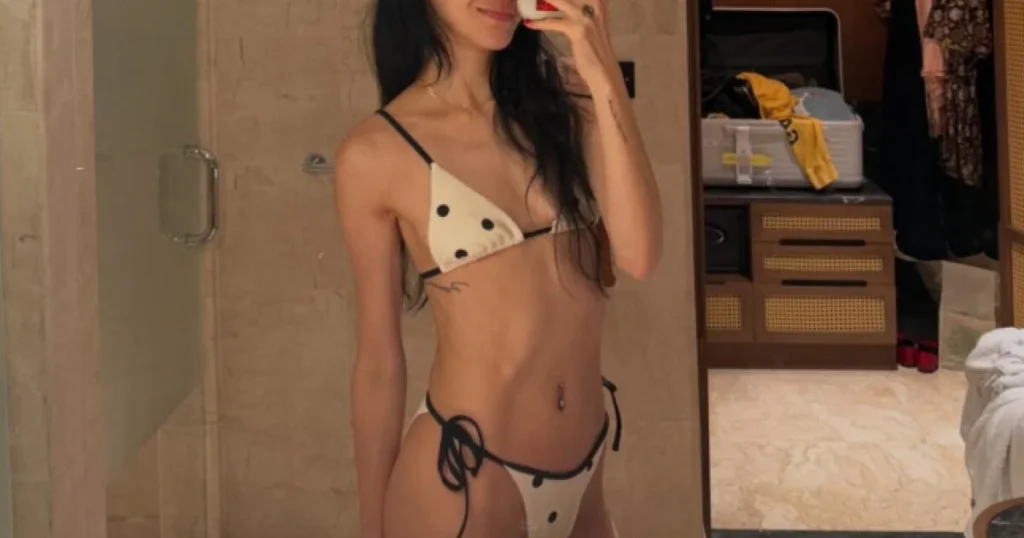
The discourse surrounding Yoon’s fashion began several weeks prior when images of her vacationing in Indonesia surfaced on social media. The photographs showcased Yoon in a series of minimalist bikinis that challenged traditional Korean standards of modesty, prompting both admiration for her athletic physique and debate regarding the "boldness" of the attire. Far from shying away from the controversy, Yoon used her latest broadcast to explain the utilitarian logic behind her wardrobe, emphasizing that for those serious about sunbathing, the size and cut of a swimsuit are matters of technical necessity rather than mere provocation.
The Anatomy of a Summer Wardrobe
During the broadcast, Yoon Hye Jin meticulously cataloged the items she deems indispensable for the summer months. While the video initially touched on standard accessories—ranging from high-fashion sunglasses to durable rain gear—the narrative shifted significantly when she introduced her swimwear collection. "What you need for a trip is a swimsuit," she remarked, before unveiling the specific "palm-sized" bikinis that had previously set the internet abuzz.
The items in question included ultra-minimalist designs, most notably a striking neon pink bikini that Yoon described as being "totally her style." The production team behind the camera expressed immediate concern regarding the "riskiness" of the garments, a sentiment often mirrored by the more conservative segments of the Korean public. However, Yoon countered this with the pragmatism of a seasoned traveler and fashion enthusiast. She explained that the small surface area of the bikinis was a deliberate choice to ensure an even tan without the interference of thick straps or large fabric patches.
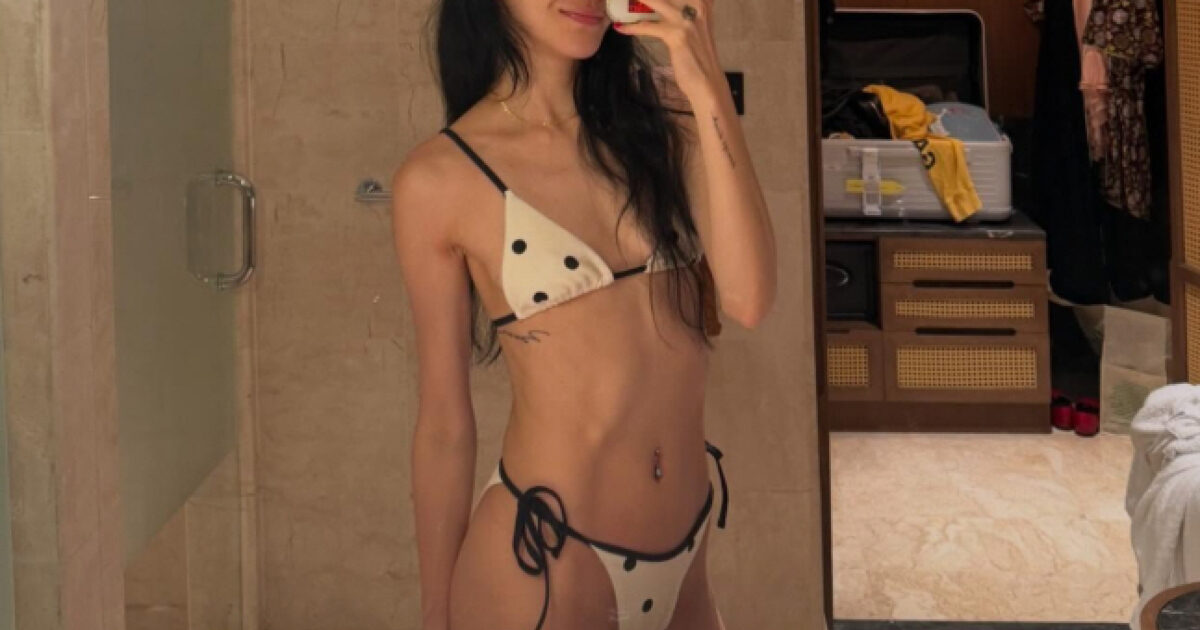
"It’s dangerous to swim wearing these," Yoon admitted, acknowledging the lack of structural support in the minimalist designs. "But when tanning, it has to be risky. If the straps are big or thick, they leave marks, so you have to wear small ones about the size of your palm." This revelation highlights a growing trend among Korean "trendsetters" who prioritize the aesthetic outcome of a vacation—such as a perfect, bronzed glow—over the traditional functionality of swimwear.
Navigating Social Norms and the "No Koreans" Rule
One of the more poignant moments of the video involved Yoon’s commentary on the social pressures faced by Korean celebrities when vacationing. She noted that while she embraces bold fashion, she often seeks out "remote islands" or locations "with no Koreans" to engage in tanning. This statement offers a rare glimpse into the "panopticon" effect of Korean celebrity culture, where the fear of being recognized and judged by compatriots can dictate even the most private aspects of a holiday.
In South Korea, the beauty standard has historically favored pale, porcelain skin. While a "bronzed" look has gained popularity among the younger, fitness-oriented generation (often referred to as the "body profile" subculture), it remains a polarizing aesthetic. By choosing to tan in seclusion, Yoon navigates the bridge between her desire for personal expression and the lingering conservative expectations of her home audience. The "viral" nature of her bikini photos suggests that even when a celebrity attempts to find privacy abroad, the reach of digital media ensures that their choices are eventually brought back to the domestic spotlight.
Innovation in Styling: Swimwear as Daily Wear
Beyond the practicalities of tanning, Yoon Hye Jin shared an innovative approach to summer fashion that blurs the lines between beachwear and street style. She revealed that she frequently incorporates her "pretty" bikinis into her daily outfits, utilizing them as decorative underwear or layering pieces.

"I wear pretty things like this as underwear," she explained. "I wear them backless, showing all the straps. Soon, I’ll be wearing this with jeans." This "swimwear-as-outerwear" trend has been seen on global runways from Milan to Paris, but Yoon’s endorsement brings the concept to a mainstream Korean audience. By suggesting that a neon pink bikini top can be paired with denim for a casual city look, she positions herself as a fashion forward-thinker who views clothing through a lens of versatility and artistic expression.
Background: From the National Ballet to Digital Influence
To understand the weight of Yoon Hye Jin’s influence, one must look at her storied career. Long before she was a YouTube personality, Yoon was a titan of the dance world. As a former principal dancer at the Korea National Ballet and a member of the prestigious Les Ballets de Monte Carlo, she spent decades in a profession defined by extreme discipline, physical perfection, and public performance.
This background as a ballerina informs much of her current public persona. Her comfort with her body and her meticulous attention to detail in fashion are direct outgrowths of her years on stage. Furthermore, as the wife of renowned actor Uhm Tae-woong and the mother of Uhm Ji-on (who gained national fame on the reality show The Return of Superman), Yoon occupies a unique space in the Korean "celebrity-mom" hierarchy. Her decision to wear "risky" bikinis is often viewed through the lens of her role as a mother, with some critics arguing for more "maternal" modesty and supporters praising her for maintaining her individual identity and confidence.
The Broader Impact on Korean Summer Trends
Yoon’s video does more than just address a personal controversy; it reflects a shifting paradigm in the Korean retail and fashion landscape. Data from major Korean e-commerce platforms like Musinsa and W Concept have shown a marked increase in the sales of "bold" swimwear and "tanning-specific" products over the last three years. The "rash guard" trend, which dominated Korean beaches for nearly a decade due to its full-coverage and UV-protective nature, is slowly giving way to more diverse styles, including the minimalist bikinis championed by Yoon.

Furthermore, the "Yoon Hye Jin effect" is expected to drive interest in the specific brands and styles she highlighted. Her endorsement of neon colors and specific accessory pairings (like pairing rain boots with summer shorts) provides a blueprint for consumers looking to emulate her "effortless" yet high-impact style.
Conclusion: A Statement of Autonomy
The viral saga of Yoon Hye Jin’s bikini is a microcosm of the modern celebrity experience—where a simple choice of vacation attire can evolve into a national conversation about modesty, beauty standards, and privacy. By addressing the "risky" nature of her wardrobe head-on, Yoon has transformed a potential PR scandal into a masterclass in personal branding and fashion education.
Her transparency regarding the "why" behind her choices—minimizing tan lines, exploring global fashion trends, and seeking moments of freedom away from the public eye—humanizes a figure who is often seen only through the polished lens of social media. As summer continues, Yoon Hye Jin remains a pivotal figure in the evolution of K-fashion, proving that confidence is the most essential "gear" any traveler can carry. Whether she is performing on a world-class stage or walking a remote beach in a neon bikini, her commitment to her own aesthetic vision remains unwavering, challenging her audience to reconsider their own boundaries of style and self-expression.
Related News