The Met Gala Aftermath: Celebrities Descend on The Mark Hotel, Showcasing Post-Gala Style
Article Editorial Team
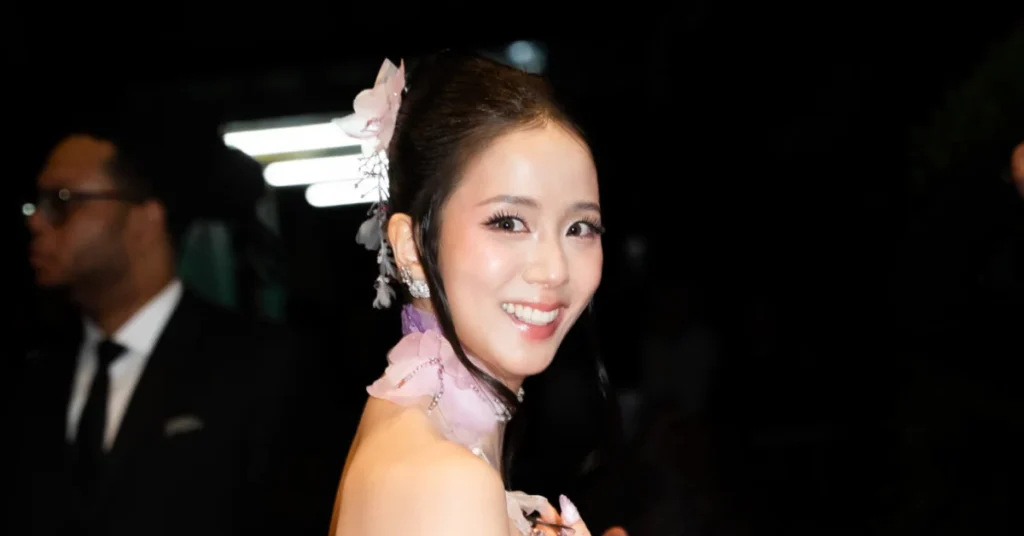
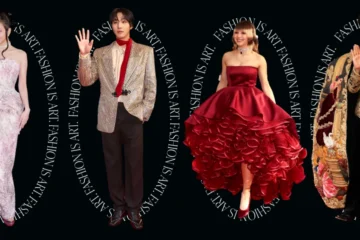
New York City’s elite fashion scene continued to buzz on Monday, May 4, 2026, as celebrities retreated to the opulent confines of The Mark Hotel following the highly anticipated 2026 Met Gala. This year’s event, themed "Fashion is Art," saw an array of breathtaking ensembles grace the Metropolitan Museum of Art’s iconic steps. However, the sartorial spectacle did not end there. EnVi Media was on the ground at The Mark Hotel, capturing the exclusive post-Gala arrivals and offering a more intimate look at the designers’ creations and the stars who wore them. The evening’s revelry transitioned seamlessly into a showcase of refined elegance and daring fashion choices, proving that the true artistry of the Met Gala extends far beyond the red carpet.
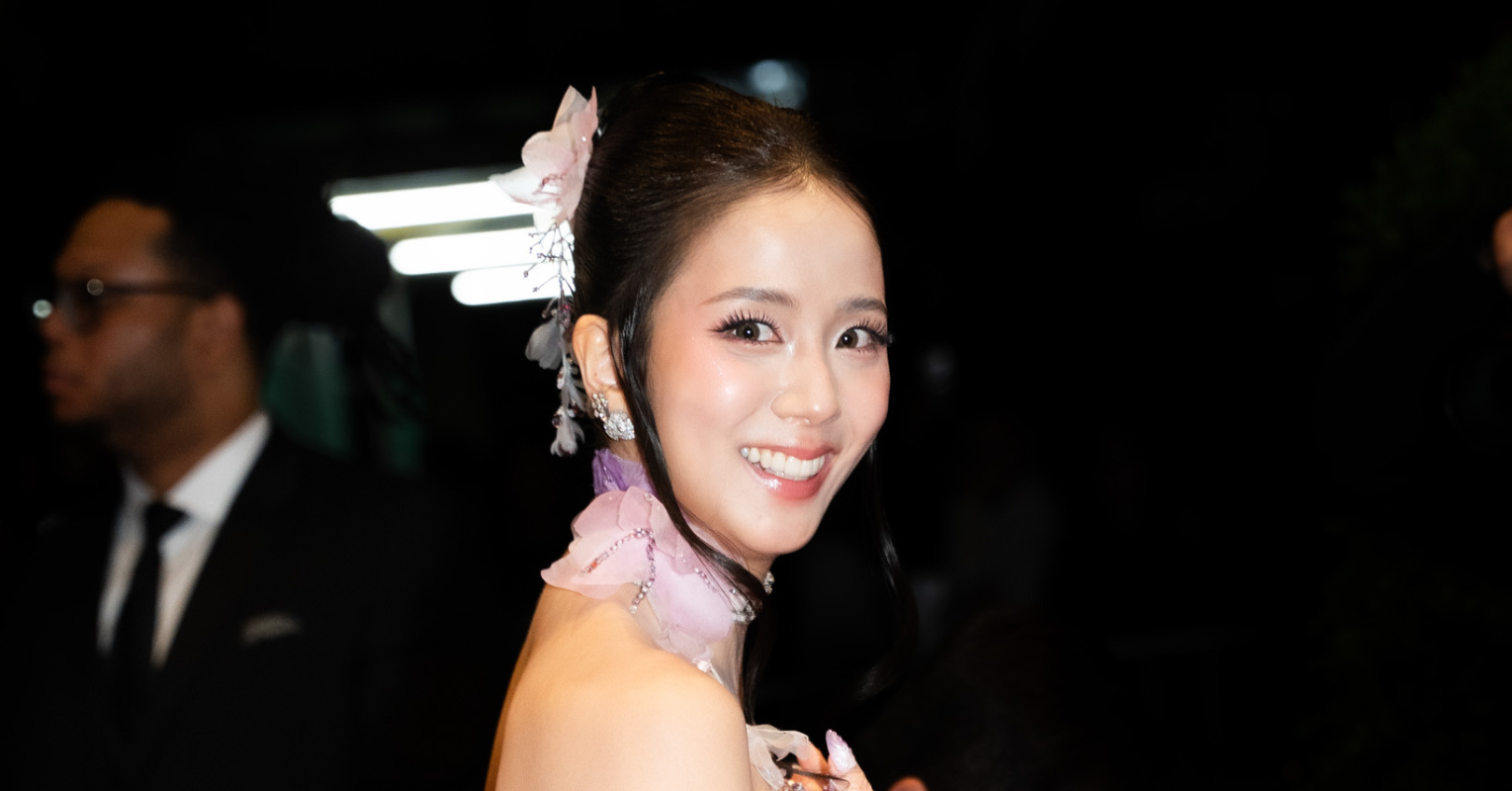
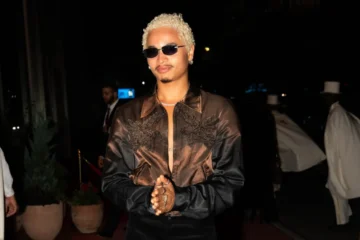
The Mark Hotel, a renowned New York City landmark known for its luxurious ambiance and celebrity clientele, served as the exclusive after-party venue for many of the night’s attendees. As the last of the museum’s honorees departed, a new wave of fashion emerged. Celebrities, shedding some of the more theatrical elements of their Gala looks, still presented a masterclass in style, opting for a spectrum of dramatic gowns, impeccably tailored suits, and intricate details that demanded a second glance. EnVi Media’s lens captured these moments of transition, documenting the personal style narratives that unfolded as the night progressed.
A Closer Look at Post-Gala Fashion
The evening’s transition from the grand theatricality of the Met Gala to the more intimate setting of The Mark Hotel provided an opportunity for a different kind of fashion statement. While the Gala demands show-stopping, often conceptual, pieces, the post-Gala events allow for a more personal expression of style, blending the event’s themes with individual aesthetics. The Mark Hotel’s elegant facade became a backdrop for these evolving looks, from flowing silhouettes to sharp, sophisticated ensembles.
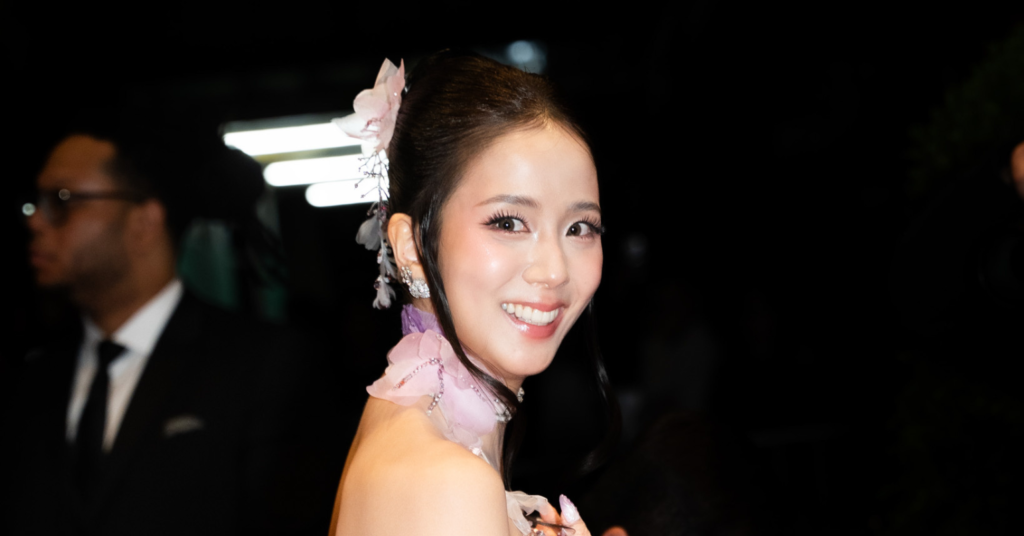
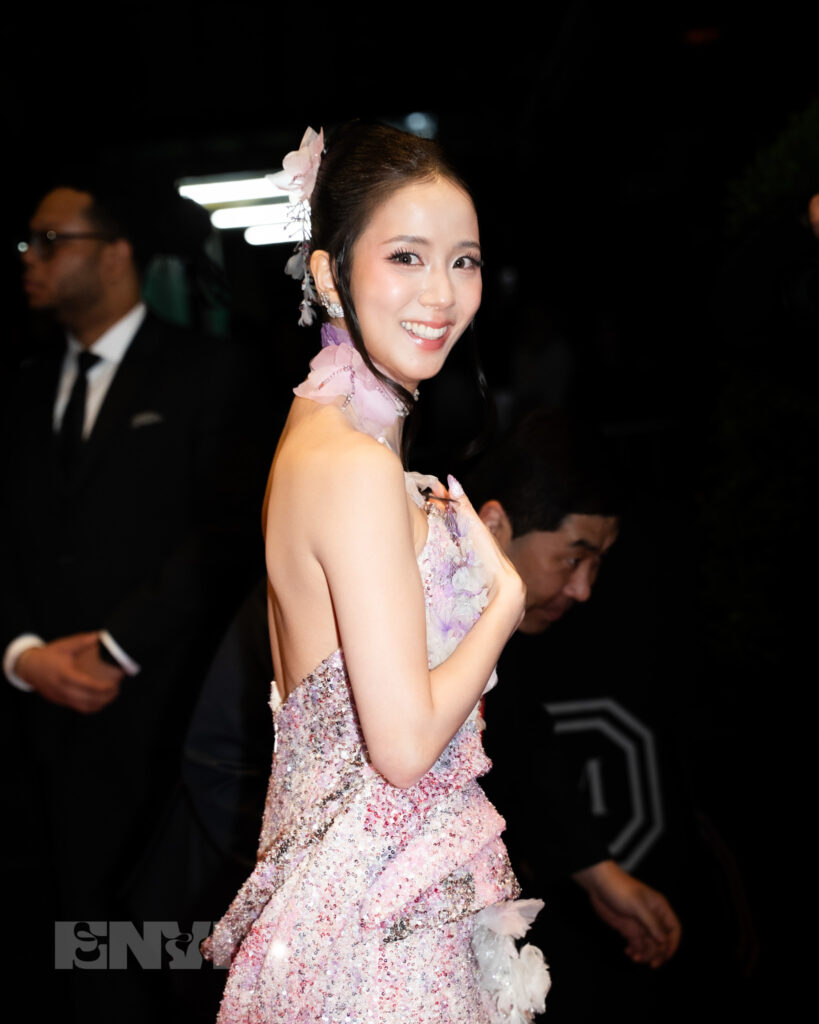
JISOO: A Vision in Post-Gala Glamour
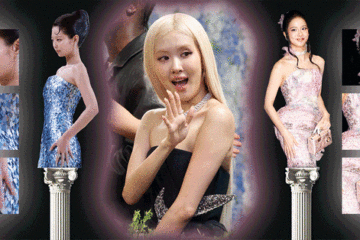
Global music sensation JISOO was among the distinguished guests who made a striking return to The Mark Hotel. Emerging from the Met Gala, the artist showcased a series of looks that underscored her evolving fashion prowess. Captured in multiple frames, JISOO’s ensembles highlighted a blend of classic elegance and contemporary flair. One particular outfit featured intricate detailing, with a silhouette that hinted at the artistic interpretations of the "Fashion is Art" theme. The accompanying photographs reveal the meticulous craftsmanship and luxurious fabrics that defined her post-Gala presence, solidifying her status as a fashion icon. Her presence at The Mark Hotel, following her acclaimed appearance at the Gala, further cemented her influence in the global fashion landscape.
The Met Gala, often dubbed "the Oscars of fashion," is renowned for its rigorous adherence to its annual theme. For 2026, "Fashion is Art" invited attendees to explore the profound connection between the two disciplines, pushing the boundaries of sartorial expression. The theme encouraged designers and celebrities alike to view clothing not merely as garments but as canvases for artistic statement, much like paintings, sculptures, or performance art. This philosophical underpinning often translates into avant-garde designs, historical references, and conceptual pieces that spark conversation and critical analysis. The subsequent after-parties, while more relaxed, often serve as a secondary runway, allowing for a more personal interpretation of the Gala’s sartorial narrative.
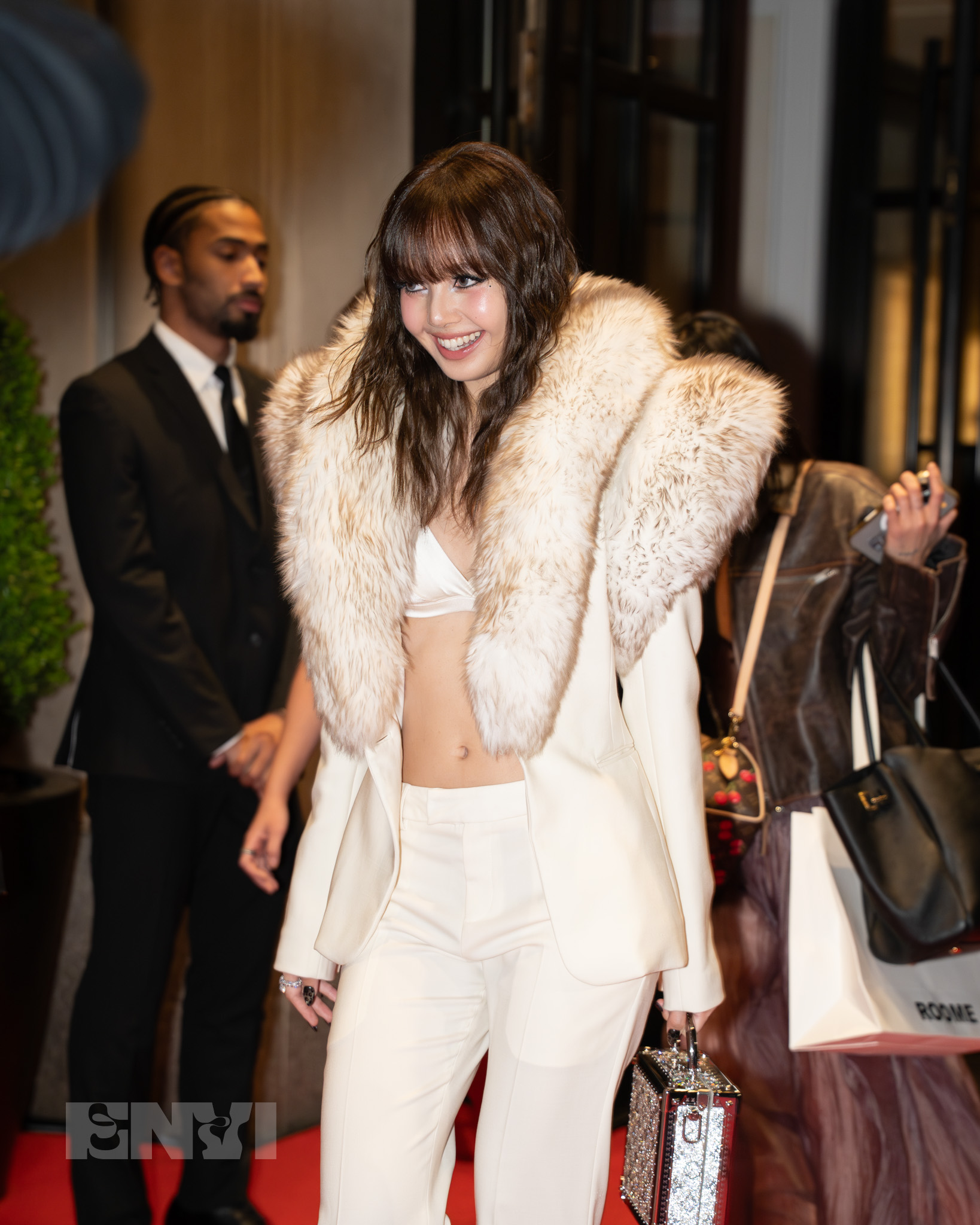
Lisa: Redefining After-Party Style
Another prominent figure gracing The Mark Hotel was LISA, whose post-Gala appearances continued to captivate. The artist’s chosen ensembles demonstrated a sophisticated understanding of contemporary fashion, balancing boldness with an undeniable sense of chic. Photographs from the evening captured her in a series of stunning outfits, each meticulously chosen to complement her personal brand of style. One look, in particular, featured a dramatic flair, with elements that echoed the artistic themes of the Met Gala while maintaining a distinctively modern appeal. The details within her attire—from delicate embellishments to precise tailoring—spoke volumes about her discerning eye for fashion. Her presence at the hotel underscored the significant cultural impact of artists who seamlessly navigate high fashion events with personal grace and artistic integrity.
The Mark Hotel’s role as a hub for Met Gala after-parties is not by accident. Its prime location on the Upper East Side, coupled with its reputation for discretion and unparalleled service, makes it the preferred destination for celebrities seeking a sophisticated and private setting to unwind and celebrate after the main event. The hotel often hosts exclusive gatherings, providing a more intimate space for attendees to mingle, network, and, of course, showcase their post-Gala fashion choices to a select audience and the ever-watchful eyes of the fashion press.
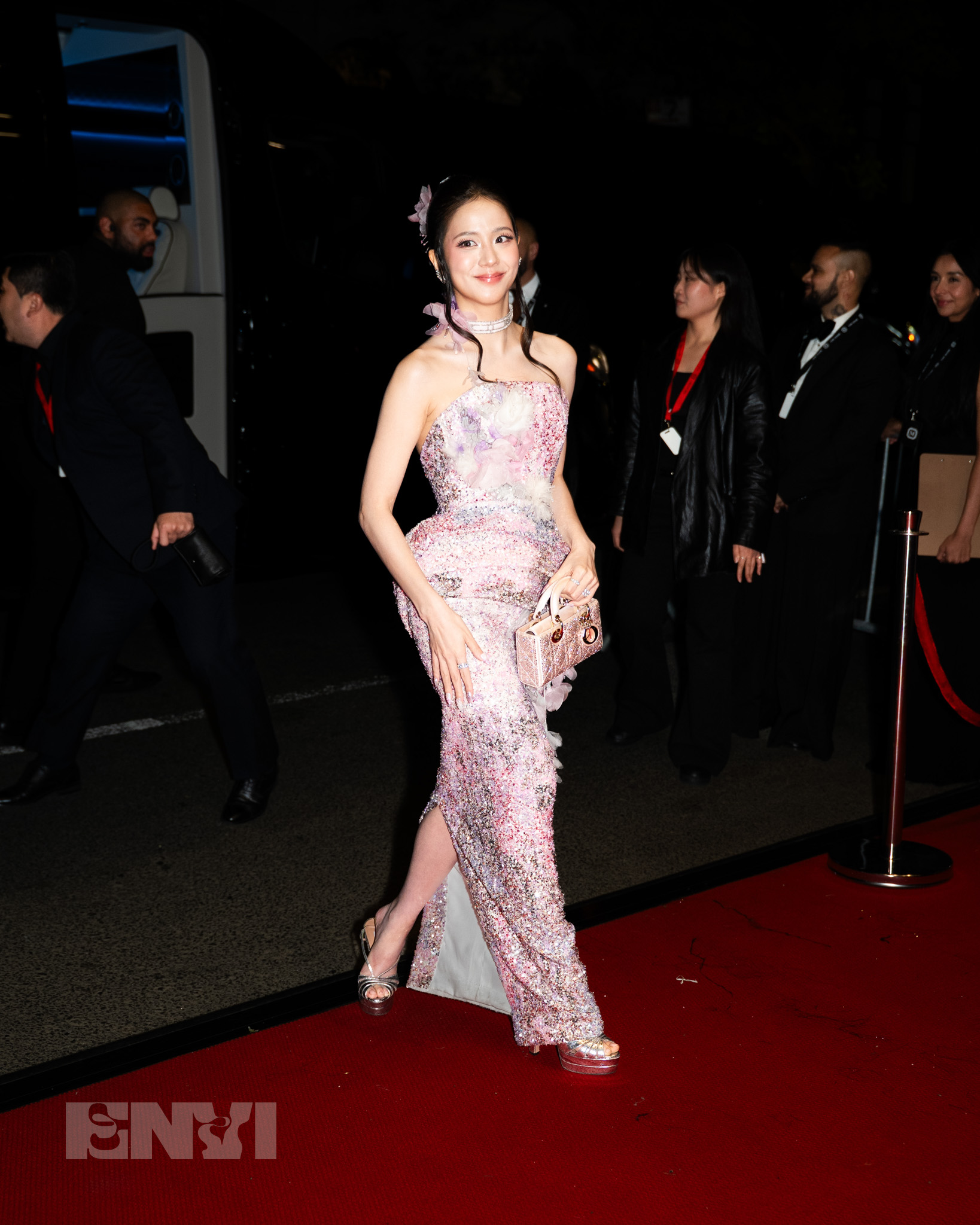
Chase Infiniti, Tyla, Sudha Reddy, and EJAE: A Spectrum of Style
The evening’s fashion narrative extended to a diverse array of influential figures, including Chase Infiniti, Tyla, Sudha Reddy, and EJAE. Each of these personalities brought their unique style sensibilities to The Mark Hotel, contributing to the rich tapestry of post-Gala fashion. Chase Infiniti’s arrival was marked by a sharp, tailored ensemble, demonstrating a sophisticated approach to formalwear. Tyla, known for her vibrant stage presence, presented a look that blended edgy elements with a touch of high-fashion glamour. Sudha Reddy’s appearance was characterized by an opulent elegance, showcasing a refined taste in luxurious fabrics and design. EJAE, on the other hand, offered a more avant-garde interpretation, pushing the boundaries of conventional style with a daring and artistic ensemble. Their collective presence underscored the multifaceted nature of contemporary fashion and the individual expressions that define celebrity style beyond the constraints of a single event’s theme.
The "Fashion is Art" theme of the 2026 Met Gala served as a powerful reminder of the symbiotic relationship between these two creative domains. Throughout history, fashion has often been influenced by artistic movements, and conversely, artists have found inspiration in the garments worn by society. The Met Gala, under the curatorial guidance of the Metropolitan Museum of Art’s Costume Institute, provides a platform to explore this dynamic, bringing together designers, artists, musicians, and actors to celebrate the evolving landscape of fashion as a significant art form. The choices made for the Gala carpet are often deeply rooted in art history, referencing specific movements, artists, or techniques.
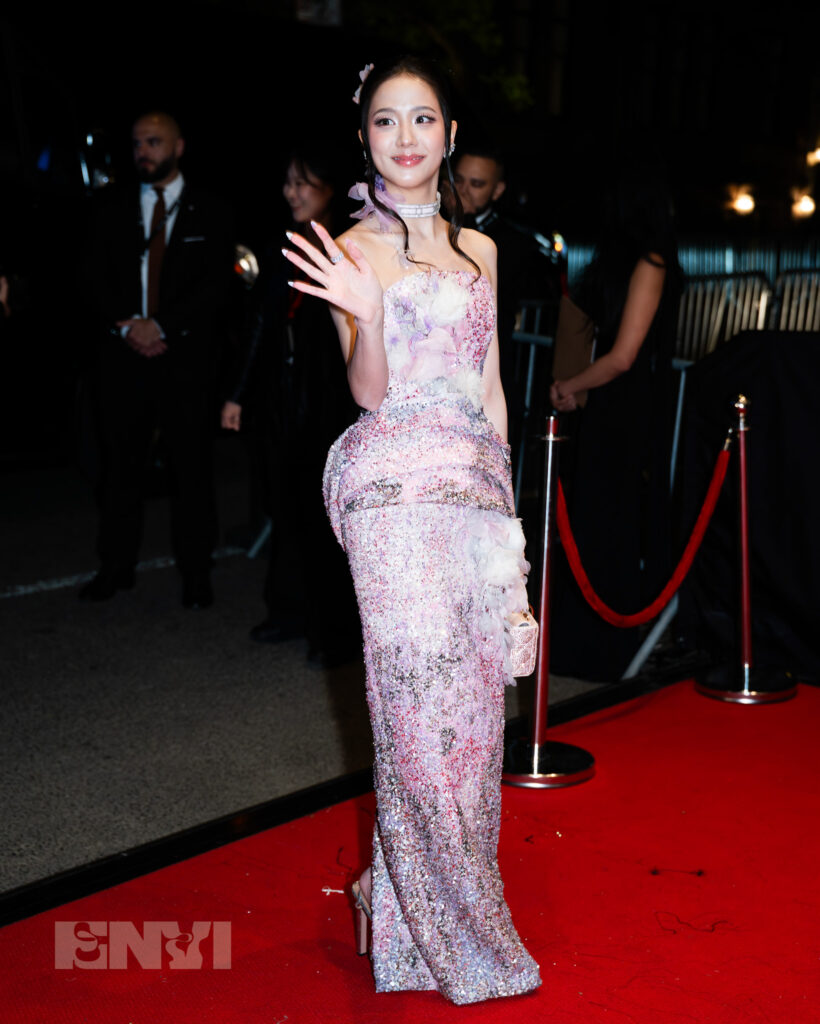
A Continued Celebration of Artistry
The presence of numerous celebrities at The Mark Hotel underscored the enduring significance of the Met Gala as a cultural touchstone. The event not only highlights the pinnacle of haute couture but also serves as a catalyst for broader conversations about fashion, art, and their societal impact. The after-parties, in particular, offer a more relaxed yet equally fashionable continuation of this dialogue, allowing stars to express their personal style in a different context.
Tessa Thompson, Cardi B, and the Power Couples
Adding to the star-studded roster, Tessa Thompson and Cardi B also made notable appearances at The Mark Hotel. Thompson, a known fashion enthusiast and muse, presented a look that was both sophisticated and subtly daring, reflecting her consistent ability to blend elegance with a modern edge. Cardi B, always a force of nature on the fashion scene, delivered a statement look that was unmistakably her own, characterized by boldness and a flair for the dramatic. The presence of Hudson Williams & Daisy Edgar-Jones, a notable couple, further enriched the evening, with their coordinated styles offering a glimpse into the power of sartorial synergy. Their collective appearances at The Mark Hotel highlighted the diverse interpretations of post-Gala style, from avant-garde statements to classic glamour.
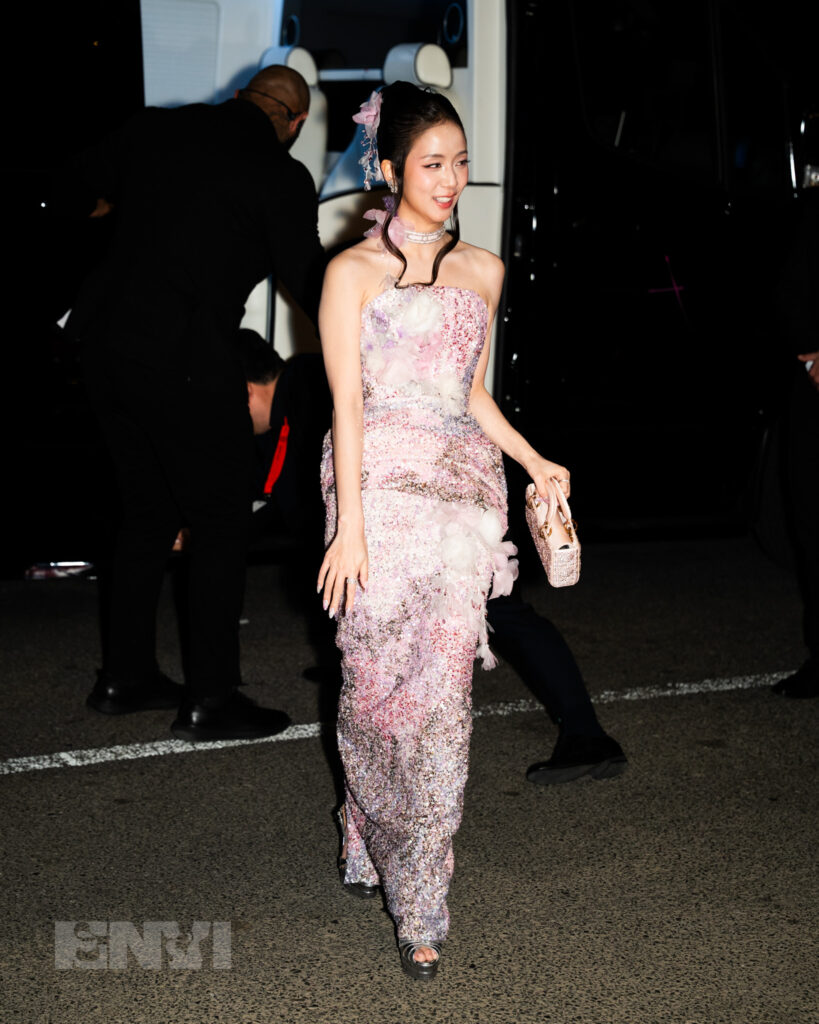
The tradition of the Met Gala and its associated after-parties has evolved over the decades. Initially a more exclusive fundraising event, it has transformed into a global media phenomenon, shaping trends and influencing the fashion industry at large. The choices made by attendees are dissected, debated, and often emulated, demonstrating the far-reaching impact of this single night. The Mark Hotel, with its inherent exclusivity and prime New York City location, has become a crucial element in this post-Gala narrative, offering a sanctuary for stars to continue their sartorial conversations away from the main event’s glare.
Beyond the Headlines: The Broader Implications
The continued presence of celebrities at The Mark Hotel after the Met Gala speaks to the sustained cultural capital of the event. It highlights how fashion, particularly when tied to a thematic concept like "Fashion is Art," transcends mere clothing to become a form of cultural commentary and artistic expression. The meticulous planning and execution of each look, from the initial design concept to the final red carpet presentation and subsequent after-party appearances, represent a significant investment of time, creativity, and resources.
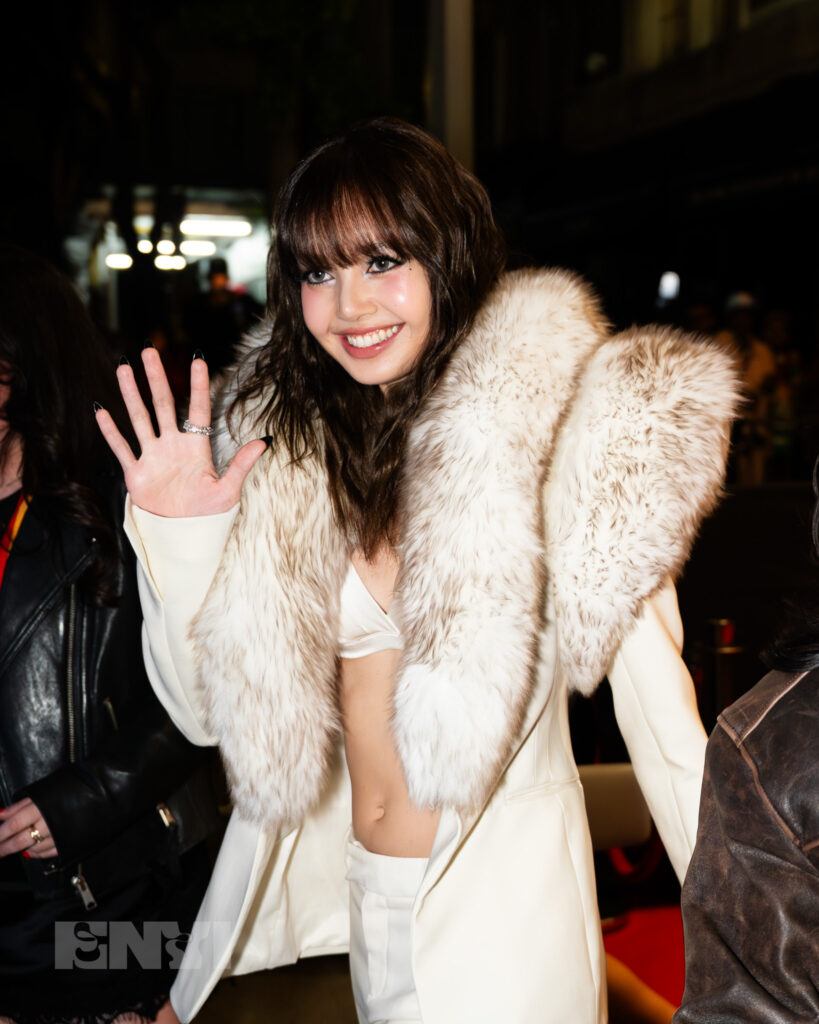
The photographs captured by EnVi Media serve not only as a record of celebrity style but also as a testament to the collaborative efforts of designers, stylists, and the artists themselves. The "Fashion is Art" theme specifically encouraged a deeper engagement with the historical and conceptual underpinnings of fashion, prompting a reconsideration of clothing as a medium for profound artistic statements. The fact that celebrities continue to showcase these statements, even in a more relaxed setting, underscores the lasting impact of the Met Gala’s curatorial vision.
As the night concluded, the images from The Mark Hotel provided a captivating epilogue to the 2026 Met Gala. They offered a glimpse into the continued celebration of artistry and individual style, proving that the influence of "Fashion is Art" extended far beyond the museum’s walls. The lingering elegance and bold statements captured at the New York City landmark served as a reminder of the dynamic and ever-evolving nature of the fashion world, where every moment, on and off the red carpet, can be a canvas for expression.
For those who wish to revisit the initial sartorial triumphs of the night, a comprehensive look at the API stars who graced the 2026 Met Gala carpet can be found in EnVi’s dedicated coverage, offering a complete picture of the event’s fashion narrative.
Related News