Aespa Karina’s “WATERBOMB 2026” Look Sparks Heated Debate
Article Editorial Team

The controversy began almost immediately after images and fan-captured videos of Karina’s set began circulating online. Performing in front of a massive crowd at the Seoul leg of the festival tour, Karina delivered a high-octane setlist that included her viral solo track "UP." Her outfit, carefully curated to align with the refreshing, green-and-white aesthetic of the Sprite brand, consisted of a green tank top layered beneath a white sheer cropped top, paired with leopard-print denim shorts. While the ensemble was praised by many for its "fresh" and "summery" vibe, a vocal segment of the internet argued that the look was "too conservative" for the specific context of WATERBOMB, an event known for its swimwear-inspired fashion and more revealing stage outfits.
The Evolution of WATERBOMB and Fashion Expectations
To understand the intensity of the debate, one must look at the historical context of the WATERBOMB festival. Since its inception, the event has evolved from a standard music festival into a cultural phenomenon where fashion plays as significant a role as the music. Over the years, the festival has earned a reputation for crowning "Waterbomb Goddesses"—female soloists or group members whose bold and often revealing outfits become the defining images of the summer. Figures like Kwon Eunbi and Sunmi have previously set a precedent for high-glamour, bikini-adjacent styling that many attendees and netizens now consider the unofficial "dress code" for the event.

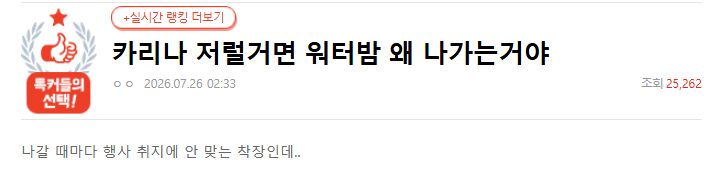
In 2026, these expectations reached a fever pitch. As one of the most prominent visuals in the K-pop industry, Karina’s appearance was highly anticipated for months. When she appeared in a layered, street-style-influenced outfit rather than the expected swimwear, a viral post on the Korean community portal Pann Nate ignited the firestorm. The post, titled "If Karina is going to dress like that, why is she even going to Waterbomb?", argued that the performer failed to "match the purpose of the event." The author suggested that the festival’s unique selling point is the intersection of water play and bold fashion, and that Karina’s "modest" styling felt out of place compared to the atmosphere of the venue.
Netizen Response and the Defense of Performer Autonomy
The criticism was met with immediate and robust pushback from both the aespa fandom, known as MY, and general netizens who questioned the ethics of demanding more revealing clothing from female idols. Supporters of Karina argued that the expectation for female performers to hyper-sexualize themselves for a specific festival is a regressive mindset. Many pointed out that Karina’s role at the event was primarily as a brand ambassador for Sprite, and her outfit perfectly mirrored the brand’s cooling and refreshing image without being overtly provocative.
Social media metrics indicated a massive divide in sentiment. On X (formerly Twitter), the hashtag #RespectKarina trended alongside clips of her performance, with many fans highlighting her professional stage presence and vocal stability despite the challenging environment of being sprayed with water cannons. Commenters on international forums noted that the debate reflected a double standard, as male performers at the same event often perform in standard streetwear or athletic gear without facing similar scrutiny regarding the "appropriateness" of their coverage.

"The idea that a woman must show a certain amount of skin to ‘fit the vibe’ of a music festival is problematic," one top-voted comment on a news portal stated. "Karina looked comfortable, she looked like she was having fun, and most importantly, she was able to perform ‘UP’ with full choreography without worrying about a wardrobe malfunction. That should be the priority."
Performance Highlights and Brand Synergy
Despite the online noise regarding her wardrobe, Karina’s performance was statistically one of the most successful of the 2026 festival circuit. Her solo song "UP," which had already achieved "Perfect All-Kill" status on Korean charts earlier in the year, saw a significant spike in streaming numbers following the WATERBOMB set. Industry analysts noted that the "Karina Effect" remained potent; the specific green tank top she wore reportedly sold out on several retail platforms within hours of her stage appearance, proving that her influence as a fashion icon remains untarnished by the debate.
Sprite, the primary sponsor behind her appearance, expressed satisfaction with the collaboration. In a brief statement regarding their summer campaign, a representative noted that the goal of the partnership was to promote a "cool and refreshing" image that appeals to Gen Z’s preference for authentic and versatile styling. From a corporate perspective, Karina’s look was a calculated success, blending the brand’s signature colors with a wearable, aspirational summer look that resonated with a broad demographic.
The Chronology of the 2026 WATERBOMB Controversy
The timeline of the event suggests that the "controversy" was a localized phenomenon that grew through the mechanics of viral social media algorithms:
- July 25, 2:00 PM: Karina arrives at the WATERBOMB venue. Early "preview" photos from fansites show her outfit, and initial reactions are overwhelmingly positive, focusing on her visuals.
- July 25, 6:00 PM: Karina performs her set. Videos of her dancing to "UP" while being drenched in water go viral for her "AI-like" visuals and charisma.
- July 25, 10:00 PM: The first critical post appears on Pann Nate, questioning why she isn’t wearing "Waterbomb-appropriate" clothing. The post gains 200,000 views in two hours.
- July 26, 8:00 AM: Major K-pop news outlets begin reporting on the "divided" opinions of netizens.
- July 26, 12:00 PM: International fans join the discourse, largely defending Karina and criticizing the "purity vs. sexiness" trap that K-pop idols are often forced into.
Broader Implications for the K-pop Industry
The heated debate surrounding Karina’s 2026 WATERBOMB look serves as a microcosm of a larger shift within the K-pop industry regarding the protection and autonomy of female artists. In recent years, there has been an increased focus on the mental health and physical safety of idols. Wardrobe choices are no longer just about aesthetics; they are increasingly scrutinized through the lens of performer comfort and the prevention of non-consensual sexualization.
Performers at WATERBOMB face unique physical challenges, including slippery stages and high-pressure water cannons. In 2024 and 2025, several idols reported discomfort or minor injuries due to ill-fitting or overly restrictive "festival-style" clothing. Industry insiders suggest that management agencies, including SM Entertainment, have become more cautious, prioritizing outfits that allow for full range of motion and security. Karina’s layered look, while criticized by some for being "too much," provided a practical solution to the hazards of a water-drenched stage.
Furthermore, the debate highlights the evolving nature of "fandom" in the digital age. While a segment of the public still clings to traditional tropes of festival entertainment, a growing and more vocal contingent of fans is prioritizing the agency of the artist. This shift suggests that in the future, the "Waterbomb Goddess" title may move away from being defined by skin exposure and toward being defined by stage presence, brand impact, and the ability to command a crowd under any circumstances.
Conclusion: A Shift in the Summer Narrative
As the 2026 WATERBOMB festival continues its tour across other major cities, the conversation sparked by Karina is likely to influence the styling choices of other performers. The "heated debate" has effectively challenged the unspoken rules of the festival, opening up a space where an idol can be "refreshing" and "cool" without conforming to a narrow definition of festival fashion.
Ultimately, Karina’s appearance at WATERBOMB 2026 will likely be remembered not for the leopard print or the sheer top, but for the way it forced a public reconciliation between traditional festival expectations and the modern standards of artist respect. While netizens remain divided, the data—ranging from soaring stream counts to sold-out merchandise—suggests that Karina’s status as a trendsetter is more secure than ever, regardless of how much or how little she chooses to reveal on stage. The "Waterbomb 2026" look was not just a fashion choice; it was a statement on the changing landscape of K-pop stardom.
Related News