Super Junior’s Leeteuk Faces Renewed Dating Allegations After Viral Concert Footage Ignites Online Debate.
Article Editorial Team
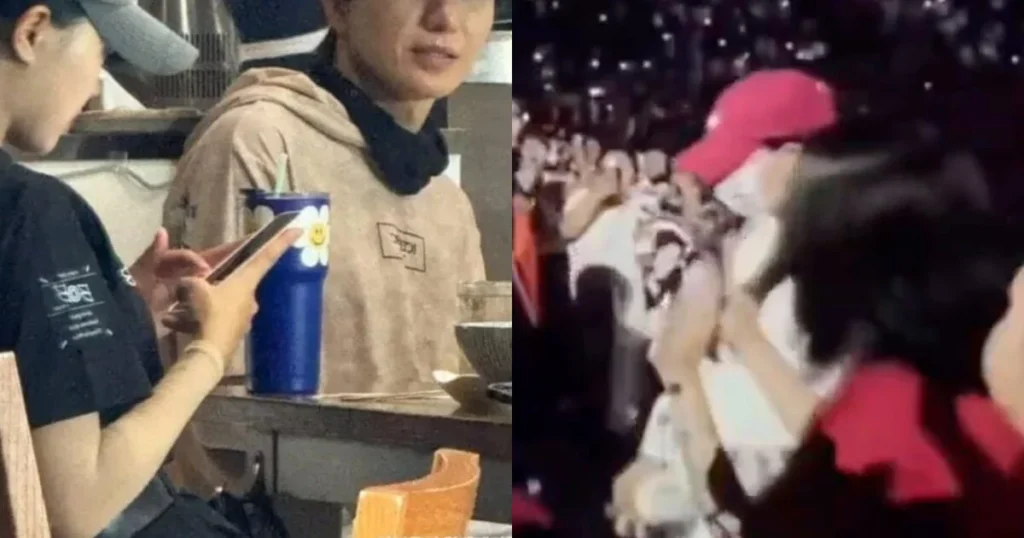
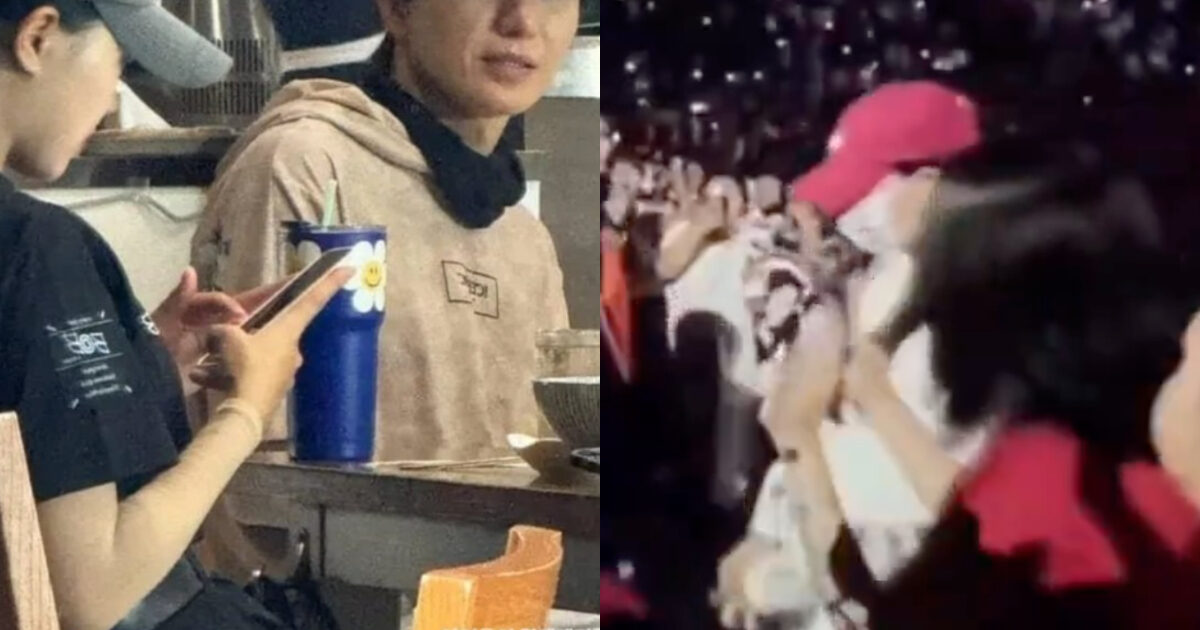
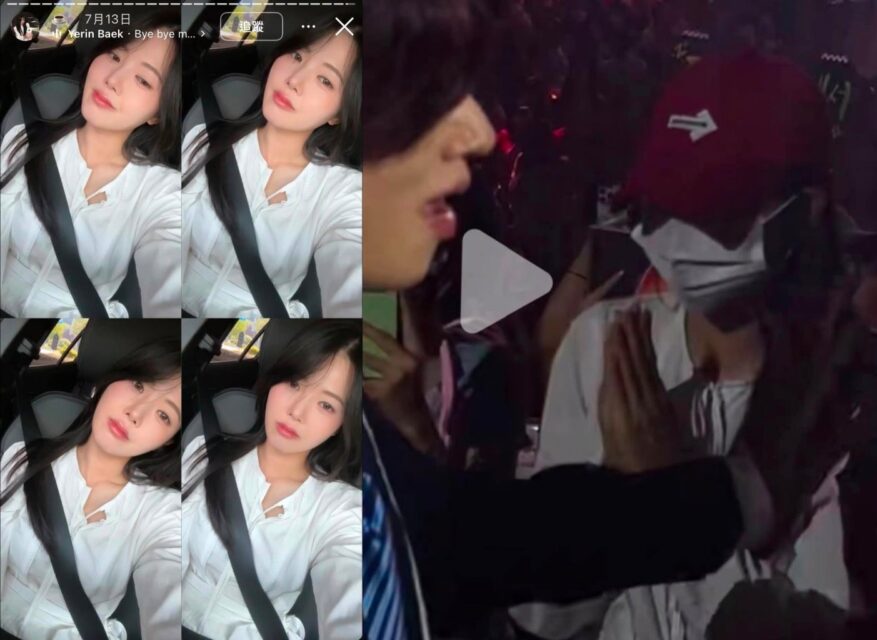
Video clips from a recent Super Junior concert have taken the internet by storm, amassing over two million views and fueling widespread speculation among fans, following the alleged sighting of Leeteuk’s supposed girlfriend in the audience. The footage, which rapidly circulated across social media platforms, particularly X (formerly Twitter), has reignited long-standing discussions about idol relationships, fan expectations, and the private lives of K-pop’s enduring stars. The woman in question has been identified by online users as "Sohee," prompting a flurry of debate surrounding the considerable age difference between her and the veteran idol.
The controversy began to unfold on July 25, 2026, when user "Lin June" (@LinJunez2bx) posted a series of tweets containing concert video clips and images. The initial post, which quickly went viral, questioned whether it was becoming a trend for Super Junior members to bring their romantic partners to concerts, while also alluding to ongoing "queerbaiting" on stage—a term often used by fans to describe idols performing suggestive acts that hint at same-sex relationships without genuine romantic or sexual intent, often to appeal to certain fan demographics. The tweet further detailed that "Sohee" had reportedly liked a fan’s comment, and intriguingly, suggested that fellow Super Junior member Kim Heechul might also be aware of the alleged relationship, adding another layer of suspicion for the original poster.
The fan’s concerns escalated in a subsequent tweet on July 26, 2026, where "Lin June" explicitly highlighted the significant age gap between Leeteuk, born in 1983, and Sohee, born in 2001. This 18-year age difference became a central point of contention. The original poster asserted that while idols are entitled to personal relationships, they should exercise discretion, particularly when it comes to their "workplace"—the concert venue. The sentiment conveyed was that publicly displaying a relationship, especially one with such a notable age disparity, was inappropriate for an idol, regardless of their seniority in the industry. The post resonated with a segment of the fandom who felt that idols, as public figures whose careers are often built on a carefully cultivated image, have a responsibility to manage their private lives discreetly to avoid alienating their fanbase.
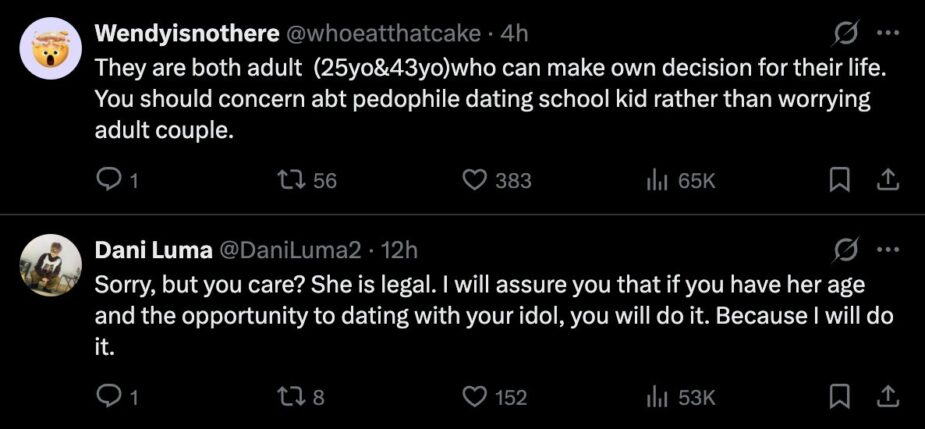
The ensuing online discourse quickly bifurcated, revealing a sharp divide within the K-pop community. On one side, a considerable number of fans expressed understanding and support for Leeteuk, arguing that as a mature adult and a seasoned artist who debuted in 2005, he has every right to pursue a personal relationship without public scrutiny or interference. Many supporters pointed out that Leeteuk is well into his 40s (by Korean age calculation, which adds a year at birth), and expecting him to adhere to strict dating bans typically imposed on younger idols is unreasonable. This faction emphasized that an idol’s personal life should not detract from their professional contributions and artistic endeavors. They view such relationships as a natural part of adult life, unrelated to an artist’s ability to perform or connect with fans.
Conversely, a vocal contingent of netizens and fans voiced strong disapproval, primarily focusing on the 18-year age gap. Comments, such as one from user "cjehf_j" (@cjehf_j) on July 27, 2026, starkly stated, "F*ck, 18 years? If he had gotten married early, he could have been her dad." Another user, "play_zerry" (@play_zerry), echoed this sentiment with a succinct, "She could be his daughter… ew." These reactions underscore a cultural sensitivity around significant age differences, particularly when the female partner is considerably younger. While age-gap relationships are not uncommon in the entertainment industry globally, the K-pop sphere often exhibits heightened moralistic scrutiny, especially when involving established male idols and younger women, often seen through the lens of power dynamics and generational differences. For some fans, the age gap evoked discomfort and even disgust, viewing it as potentially problematic or "grooming-adjacent," regardless of legal consent.
This is not the first instance Leeteuk has found himself at the center of dating allegations involving a woman significantly younger than him. As previously reported by Koreaboo, Leeteuk had directly addressed dating allegations with an 18-years-younger woman. While the specific details of that prior statement were not provided in the current context, the recurrence of such rumors highlights the persistent challenges veteran K-pop idols face in managing their public and private personas. SM Entertainment, Super Junior’s agency, typically maintains a policy of not commenting on artists’ private lives unless there is a formal announcement of marriage or a significant development that necessitates official confirmation. This approach often leaves fans and the media to speculate based on indirect evidence and social media activity.
The Broader Context of K-Pop Idol Dating Culture
The intense reaction to Leeteuk’s alleged relationship is deeply rooted in the unique ecosystem of the K-pop industry, where idols often cultivate a meticulously crafted image of availability and relatability. For many fans, particularly those deeply invested in parasocial relationships, the idea of an idol dating can feel like a betrayal, challenging the illusion of exclusivity or romantic potential. This phenomenon is particularly pronounced for male idols, whose fanbases are often composed predominantly of young women. Historically, dating news for K-pop idols has frequently led to backlash, boycotts, and even demands for artists to leave their groups, although this trend has shown signs of evolving as the industry matures and idols age.
The "dating ban," whether explicit or implicit, has long been a controversial aspect of K-pop idol contracts and industry expectations. While younger idols often face strict prohibitions on dating, older and more established artists like Leeteuk, who have dedicated decades to their careers, typically gain more leeway. However, even for veterans, the scrutiny never fully dissipates, especially when details like a significant age gap emerge. The debate surrounding Leeteuk reflects a generational shift within fandom itself: older, more mature fans may be more accepting of idols having personal lives, viewing it as a natural progression, while younger or more traditional fans might cling to the idealized image of the "available" idol.
The accusation of "queerbaiting" also adds a layer of complexity. In K-pop, "fan service" often involves male idols engaging in skinship and suggestive interactions with fellow group members to entertain fans, particularly the female demographic. When idols engaging in such fan service are simultaneously rumored to be in heterosexual relationships, some fans perceive it as disingenuous or manipulative, leading to accusations of "queerbaiting"—profiting from the appeal of queer aesthetics or relationships without genuine representation or commitment. This highlights the intricate balance idols must strike between fan engagement and maintaining an authentic personal identity.
Implications and Future Outlook
The viral spread of the concert footage and the subsequent online debate underscore the immense power of social media in shaping public perception and amplifying rumors within the K-pop sphere. For Leeteuk, who has been a prominent figure in Super Junior for nearly two decades, this incident presents another challenge in navigating the delicate balance between his public persona and private life. As a leader of one of K-pop’s most enduring groups, his actions are constantly under public scrutiny.
The implications of this renewed dating speculation could be multifaceted. While Super Junior’s dedicated fanbase (E.L.F.) has largely matured alongside the group, such controversies can still cause internal divisions and potentially affect fan engagement, especially among newer or younger fans. It could also influence public sentiment towards Leeteuk and Super Junior as they continue their activities. The incident serves as a stark reminder of the unique pressures faced by K-pop idols, even those with established careers, where personal relationships can become subjects of intense public debate and moral judgment.
Ultimately, the situation surrounding Leeteuk’s alleged girlfriend highlights the ongoing evolution of K-pop fandom and industry norms. As idols age and careers lengthen, the traditional expectations of celibacy and pristine image become increasingly difficult to maintain. The diverse reactions to this news reflect a broader societal discussion about celebrity privacy, age-gap relationships, and the boundaries between an artist’s public and private life in the digital age. How Leeteuk and SM Entertainment choose to address or navigate this renewed scrutiny will be closely watched, offering further insight into the changing landscape of K-pop and its relationship with its dedicated global fanbase.
Related News