Unsanitary Incidents at Caribbean Bay During NCT WISH Performance Spark Widespread Public Health and Fan Etiquette Concerns.
Article Editorial Team
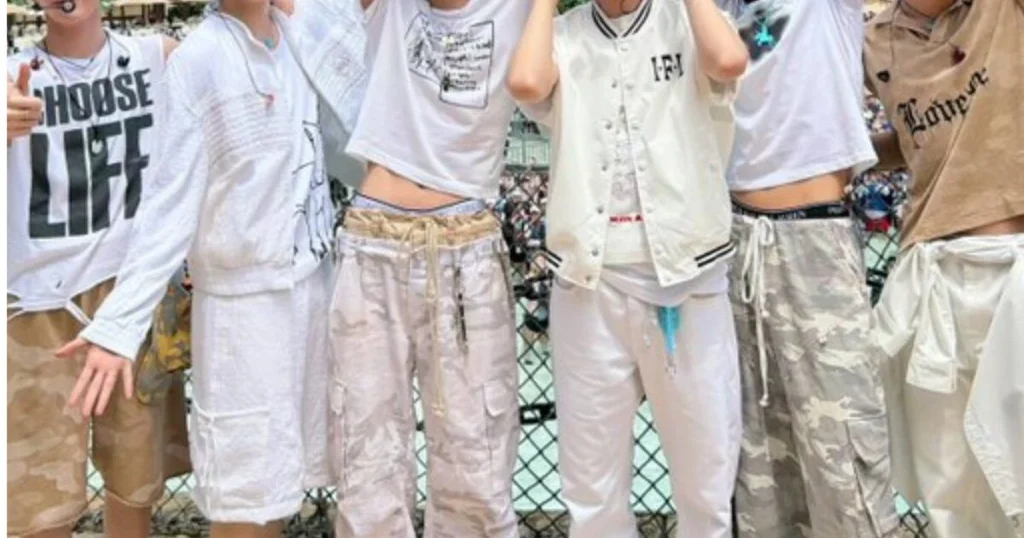
The recent special performance by K-pop sensation NCT WISH at Caribbean Bay has ignited a significant online discourse, not for the group’s captivating stage presence, but for a disturbing series of unsanitary incidents reported by attendees at the popular water park. Fans who flocked to the event on July 26, 2026, shared alarming accounts across social media platforms, detailing a troubling disregard for public hygiene that has raised serious questions about event management in high-attendance recreational settings and the boundaries of fan dedication.
Background of the Event and Fan Mobilization
NCT WISH, a highly anticipated sub-unit of the immensely popular NCT collective, held a special performance at Caribbean Bay as part of a summer promotional event. The group, known for their energetic performances and dedicated fanbase, drew an exceptionally large crowd to the water park, a venue typically accustomed to high visitor numbers but perhaps not one specifically designed for a large-scale concert within its aquatic facilities. The event’s appeal was evident in the extreme measures many fans undertook to secure optimal viewing positions. Reports indicated that a significant number of "Sijeuni" (NCT’s official fandom name) camped overnight outside the park gates, enduring challenging conditions to be among the first to enter and claim strategic spots near the performance stage, which was presumably set up within or adjacent to a major pool area. This level of dedication, while characteristic of devoted K-pop fandoms, inadvertently contributed to the unprecedented crowd density within the park’s operational zones. The atmosphere during the performance itself was described by some as exhilarating, with water fights adding to the festive mood, as captured by social media posts like one from SION TSEL (@usionoh), who noted, "NCT WISH is at Caribbean Bay! It was honestly so hot that day, but the water fights made it way more fun. Running around with water pistols was definitely the best part." However, this excitement soon gave way to widespread disgust.
Chronology of Disturbing Reports and Eyewitness Accounts
Following the conclusion of NCT WISH’s performance and the subsequent dispersal of the crowd, social media platforms, particularly X (formerly Twitter), became a repository for a litany of unpleasant experiences. What began as enthusiastic recounts of the concert quickly shifted to graphic descriptions of unsanitary conditions, prompting a wider public health discussion.
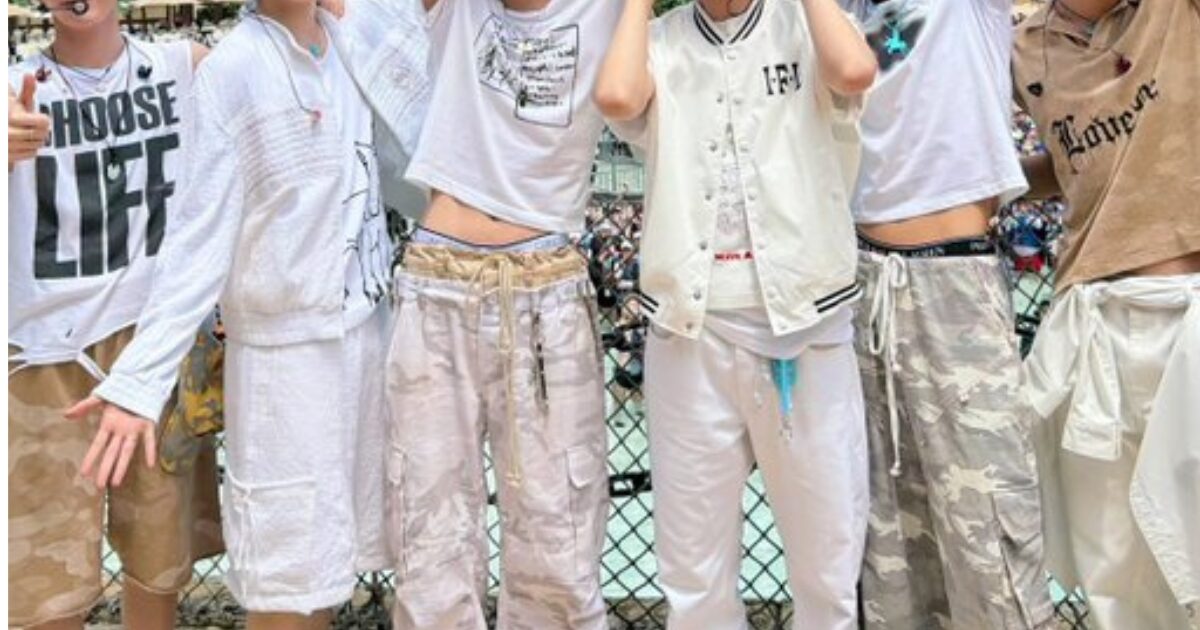
One of the most frequently cited incidents involved the park’s famous wave pool. An attendee, identified by the handle ‘chopochopopo,’ posted a harrowing account: "Someone threw up in the wave pool and although they did try to scoop it out with a net, we still had to sit here. Ugh." This report, accompanied by images depicting the crowded pool, highlighted the immediate health risk posed by bodily fluids in communal water. Vomit can contain a host of pathogens, including norovirus, which is highly contagious and can survive in chlorinated water for extended periods, leading to outbreaks of gastrointestinal illness. The park’s alleged attempt to remove the material with a net, while a reactive measure, is often insufficient for proper decontamination, which typically requires temporary closure, chemical treatment, and filtration.
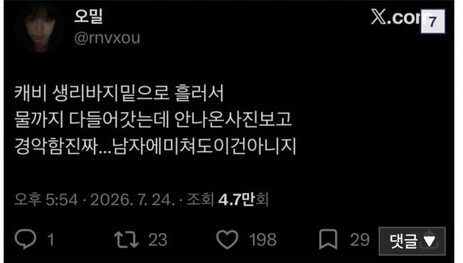
Another deeply unsettling account detailed a severe breach of personal hygiene and public health protocols. User ‘rnvxou’ shared a post expressing horror after witnessing an individual bleeding visibly into the water due to a menstrual cycle. "I was horrified after seeing a photo where someone’s menstrual blood had leaked down the back of their pants and into the water, but she still didn’t leave. Seriously… No matter how crazy you are about males, this isn’t it." This incident sparked particular outrage, not only due to the visible nature of the contamination but also the perceived disregard for the health and comfort of others. While menstrual blood itself is not typically considered a high-risk vector for severe waterborne diseases in the same way fecal matter is, its presence in a public pool is unequivocally unhygienic and can carry bloodborne pathogens if other conditions are met. More importantly, it underscores a fundamental lapse in personal responsibility expected in shared public spaces.
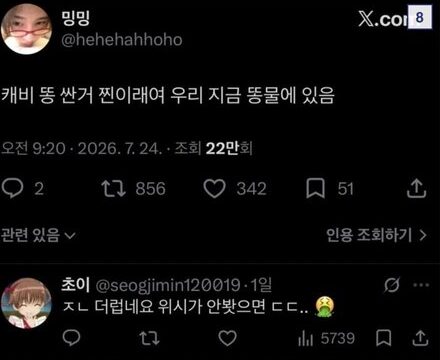
Perhaps the most alarming and widely circulated claim was that of human feces discovered in one of the pools. User ‘hehehahhoho’ starkly stated, "It’s true that someone pooped at Caribbean Bay. We’re all standing in poop water now." This report, if confirmed, represents a critical public health emergency. Fecal matter in swimming pools is a primary source of recreational water illnesses (RWIs), which can be caused by germs such as Cryptosporidium, Giardia, E. coli, and norovirus. These pathogens can cause severe diarrheal illness, vomiting, and other debilitating symptoms. Cryptosporidium, in particular, is highly resistant to chlorine and can survive for days in properly chlorinated water, necessitating extensive decontamination procedures that often include shocking the pool with high levels of chlorine and prolonged filtration, frequently requiring the temporary closure of the affected area.
Public Health Implications and Expert Perspectives
The convergence of these multiple unsanitary incidents at Caribbean Bay presents a grave public health concern. According to the U.S. Centers for Disease Control and Prevention (CDC), recreational water illnesses (RWIs) are on the rise globally, with outbreaks frequently linked to contaminated public swimming venues. Symptoms of RWIs can range from mild gastrointestinal distress to severe infections requiring hospitalization, particularly in vulnerable populations such as young children, the elderly, and immunocompromised individuals.
Dr. Lee Min-jun, a public health expert specializing in epidemiology (inferred statement), emphasized the inherent risks of such incidents. "Any introduction of bodily fluids, especially fecal matter, into a public swimming pool immediately compromises the safety of all patrons. While chlorine is a powerful disinfectant, it does not work instantaneously, and some pathogens, like Cryptosporidium, are incredibly chlorine-tolerant. The sheer volume of people at an event like this exacerbates the risk, as even a small incident can quickly spread contamination to many individuals." He further noted that during peak attendance, the turnover rate of water filtration systems might struggle to keep pace with the rate of contamination, especially if multiple incidents occur in rapid succession.
Caribbean Bay, as a major water park, is expected to adhere to stringent hygiene and safety protocols, including regular water quality testing, maintaining optimal chlorine levels, and having clear procedures for handling contamination events. However, the reported incidents suggest that either these protocols were overwhelmed by the crowd size, not adequately enforced, or patrons simply ignored basic hygiene guidelines.
Water Park Management and Challenges in High-Attendance Events
Managing hygiene in a large water park during a special event attracting tens of thousands of attendees presents unique challenges. Typically, water parks implement several layers of protection:
- Chemical Disinfection: Continuous chlorination and pH balance monitoring.
- Filtration Systems: Recirculating and filtering pool water multiple times a day.
- Staff Vigilance: Lifeguards and park staff are often trained to identify and respond to incidents.
- Guest Education: Signage encouraging showering before entering pools, discouraging swimming while ill, and promoting proper restroom use.
However, during events with unprecedented crowd density and heightened emotional states, these systems can be severely tested. The sheer number of people in the water reduces the efficacy of chlorine due to increased organic load (sweat, sunscreen, urine, etc.), and makes it significantly harder for staff to visually identify and address contamination incidents promptly. The alleged delay in fully addressing the vomit incident, and the continued presence of patrons in potentially contaminated water, points to a system under strain.
While Caribbean Bay has not issued a formal statement specifically addressing these allegations as of the time of this report, it is highly probable that the park’s management would reiterate their commitment to guest safety and hygiene, and perhaps indicate a review of their operational procedures for large-scale events. Inferred actions might include increased staff deployment for monitoring, more frequent water quality checks, and enhanced communication protocols for addressing incidents swiftly and effectively.
Fan Culture, Etiquette, and Broader Implications
The incidents have also reignited a broader discussion within the K-pop community and among the general public regarding fan etiquette and the boundaries of dedication. While the passion of K-pop fans is widely acknowledged and often celebrated, these events at Caribbean Bay, along with previous controversial incidents, highlight a concerning trend where personal hygiene and public safety are allegedly compromised in the pursuit of proximity to idols.
The reference to a previous incident at the "2024 Hanteo Music Awards," where a fan reportedly defecated on chairs, underscores that such extreme behaviors are not isolated. These incidents paint a problematic picture for the larger K-pop fandom, risking tarnishing its image and creating uncomfortable situations for artists, event organizers, and the general public.
SM Entertainment, NCT WISH’s agency, while not directly responsible for park hygiene, often issues guidelines for fan conduct at public appearances. It would be reasonable to infer that the agency might issue a statement urging fans to prioritize personal health, public safety, and general etiquette when attending events, emphasizing that extreme measures compromise the experience for everyone and reflect poorly on the artists they support.
The implications of these incidents extend beyond immediate health concerns. For Caribbean Bay, a negative reputation regarding hygiene could deter future visitors, impacting revenue and brand image. For NCT WISH and SM Entertainment, such controversies, while not directly related to the artists’ actions, can inadvertently cast a shadow over their public engagements, potentially leading to stricter event planning or a reluctance to host future events in similar public recreational settings.
Moving Forward: Calls for Enhanced Protocols and Awareness
The incidents at Caribbean Bay during the NCT WISH performance serve as a stark reminder of the critical importance of robust public health protocols, effective crowd management, and individual responsibility in shared recreational spaces.
To mitigate future occurrences, several measures could be considered:
- Enhanced Pre-Event Planning: Closer collaboration between event organizers (e.g., SM Entertainment) and venue management (Caribbean Bay) to anticipate crowd sizes and implement proportionate hygiene and safety measures.
- Increased Staffing: Deploying more personnel specifically tasked with monitoring hygiene, enforcing rules, and responding to incidents.
- Clearer Communication: Prominent signage and frequent announcements reminding patrons of hygiene rules, the location of restrooms, and the importance of not entering pools when feeling unwell.
- Rapid Response Protocols: Establishing and rehearsing clear, efficient procedures for isolating and decontaminating affected pool areas immediately upon incident detection, even if it means temporary closure of sections.
- Fan Education Initiatives: Agencies and fan clubs could play a proactive role in educating fans about appropriate public conduct and the serious implications of neglecting personal hygiene at events.
The events at Caribbean Bay underscore the delicate balance between creating memorable experiences for fans and ensuring a safe, healthy environment for all attendees. As K-pop continues its global ascent and live events attract ever-larger crowds, the lessons learned from these disturbing incidents must inform future planning to prevent similar public health crises. The conversation must shift from mere outrage to actionable strategies that uphold public health standards while still allowing fans to celebrate their beloved artists responsibly.
Related News