

Defining the Sasaeng Phenomenon
Sasaeng fans are distinct from "extreme" fans in their methodology and objectives. While a typical fan might wait for hours at a concert venue or participate in organized fan club activities, a sasaeng fan operates outside the boundaries of legal and social norms. Their activities include, but are not limited to, hiring specialized "sasaeng taxis" to follow idol vans at high speeds, hacking into personal cloud accounts to steal private photos and messages, and purchasing sensitive information such as Social Security numbers or flight manifests from corrupt industry insiders.
The psychological drive behind this behavior is often rooted in a desire for recognition from the idol. For a sasaeng, being hated or even physically confronted by an idol is frequently viewed as preferable to being ignored. This creates a dangerous cycle where the fan escalates their intrusive behavior to elicit a reaction, regardless of the emotional or physical toll it takes on the artist.
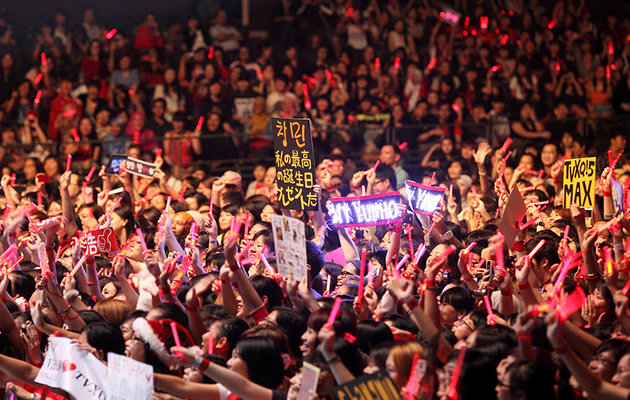
The EXO Crisis: A Case Study in Fandom Volatility
Since their debut under SM Entertainment, the group EXO has experienced an unprecedented level of sasaeng interference. In a recent interview with Sports Seoul, members of the group expressed profound distress over the constant invasion of their privacy. The incidents reported involve a level of audacity that has shocked even veteran industry observers.
In one of the most egregious violations, audio recordings were circulated online featuring the member Tao singing in the shower, indicating that fans had managed to plant recording devices inside the group’s private living quarters or hotel rooms. Furthermore, the group’s movements through international airports have frequently devolved into what witnesses describe as "elephant stampedes," where fans shove past security, causing members to fall and sustain minor injuries. In some instances, fans have been observed physically linking arms with members as they walk, attempting to simulate a level of intimacy that does not exist.
The "Disneyland Incident" also serves as a prime example of the disruption caused by these groups. During a scheduled visit to the theme park, the members were swarmed by hundreds of sasaengs, making it impossible for the artists to enjoy their downtime and creating a public safety hazard for other park patrons. These events have led the members of EXO to issue public pleas for fans to respect their personal boundaries, though these requests often go unheeded by the most dedicated stalkers.

Historical Context: From TVXQ to the Modern Era
To understand the current crisis, one must look at the precedent set by TVXQ, another SM Entertainment group that famously endured years of sasaeng harassment. During the mid-2000s, TVXQ was considered the primary target for sasaeng activity. Members reported fans breaking into their dormitories to take photos of them while they slept, and in one extreme case, a member was poisoned with a drink laced with superglue by an anti-fan who had gained access to a restricted area.
The transition from the TVXQ era to the EXO era shows a significant evolution in sasaeng tactics, primarily driven by the advancement of technology. While previous generations relied on physical stalking, modern sasaengs utilize sophisticated digital tools. The "sasaeng industry" now includes a thriving black market for "kkakdugi" (data brokers) who sell everything from an idol’s private KakaoTalk ID to the residential addresses of their family members.
The Role of Corporate Strategy and Marketing
Analysis suggests that the intensity of sasaeng behavior is often proportional to the marketing strategies employed by major entertainment agencies. EXO, coming from SM Entertainment—one of the "Big Three" agencies in South Korea—was launched with a massive "lore" or backstory involving superpowers and an alien origin. While this world-building is highly effective for brand engagement, it can also blur the lines of reality for younger, more impressionable fans.

Furthermore, the "idol" business model relies heavily on the concept of "parasocial relationships," where fans feel a deep, personal connection to an artist they have never met. Agencies encourage this through frequent "fan service," live streams, and intimate social media interactions. However, when this marketing is applied to a young, predominantly teenage demographic, it can inadvertently foster a sense of entitlement. Some fans begin to view the idol not as a professional performer, but as a "product" or a personal acquaintance whose private life belongs to the fandom.
Shifting Tides: Artist Pushback and Legal Recourse
Historically, idols were expected to endure sasaeng behavior silently, as agencies feared that taking legal action or speaking out would damage the group’s public image or alienate the broader fan base. However, this culture of silence is beginning to shift.
The veteran group Shinhwa, particularly member Kim Dong-wan, famously set a precedent for setting boundaries. During a promotional event, Dong-wan told a crowd of fans, "Shinhwa isn’t responsible for your lives," a statement that was initially met with backlash but is now praised for its honesty. Similarly, Shim Changmin of TVXQ has been vocal about the need for fans to pursue their own lives and relationships rather than obsessing over his.

Current industry trends suggest a move toward more aggressive legal protection. Some agencies have begun to "lawyer up," filing civil and criminal suits against individuals who engage in breaking and entering or defamation. There is also a growing movement among "normal" fans to self-regulate the community. International fan bases, such as those in Russia and parts of Europe, have been noted for their more respectful approach to idol privacy, often acting as a foil to the more invasive domestic sasaeng groups.
The Psychological and Professional Impact
The implications of sustained sasaeng harassment extend beyond mere inconvenience. For the artists, the constant state of surveillance leads to chronic stress, anxiety, and sleep deprivation. The inability to feel safe in one’s own home or during private moments of rest—such as Tao’s shower incident or photos of members sleeping on airplanes—can have long-term psychological consequences.
Professionally, sasaeng activity creates a logistical nightmare for agencies. The cost of additional security, the need for private terminals at airports, and the constant threat of leaked information complicate every aspect of a group’s career. Moreover, the unruly behavior of fans at public venues often tarnishes the reputation of the artist in the eyes of the general public, who may not distinguish between a regular fan and a sasaeng.

Conclusion: The Path Forward for the Industry
The sasaeng crisis is a multifaceted issue that requires a coordinated response from agencies, the legal system, and the fandoms themselves. As groups like EXO continue to navigate the heights of global fame, the industry must decide where the line is drawn between a dedicated consumer and a criminal harasser.
Potential solutions include:
- Stricter Privacy Laws: South Korean legislators have faced increasing pressure to strengthen stalking laws, which historically carried light penalties.
- Agency Accountability: Moving away from hyper-intensive parasocial marketing and providing better mental health support and physical security for idols.
- Fandom Education: Established fan clubs can play a role in "blacklisting" known sasaengs and refusing to consume or share leaked private content.
The goal remains to return K-pop to a space of mutual respect and enjoyment. As the industry matures, the hope is that the "baggage" of sasaeng culture can be discarded in favor of a safer, more sustainable relationship between the stars and those who admire their work. Until then, the experiences of EXO serve as a stark reminder of the dark side of modern celebrity culture.