Kakao Surpasses HYBE as South Korea’s Leading Entertainment Powerhouse Driven by SM Entertainment’s Record Growth
Article Editorial Team

The South Korean entertainment landscape has undergone a seismic shift as Kakao, bolstered by its strategic acquisition and integration of SM Entertainment, has officially overtaken HYBE to become the nation’s highest-earning entertainment entity based on 2025 revenue data. This transition marks the end of HYBE’s multi-year tenure at the absolute summit of the industry and signals a new era of conglomerate-driven dominance in the global K-pop market. According to recent financial surveys of the top 30 entertainment firms in South Korea, the combined revenue of Kakao’s entertainment division, which spans seven distinct agencies, accounted for a staggering 27% of the total industry revenue, effectively reconfiguring the hierarchy of the "Big Four" powerhouses.

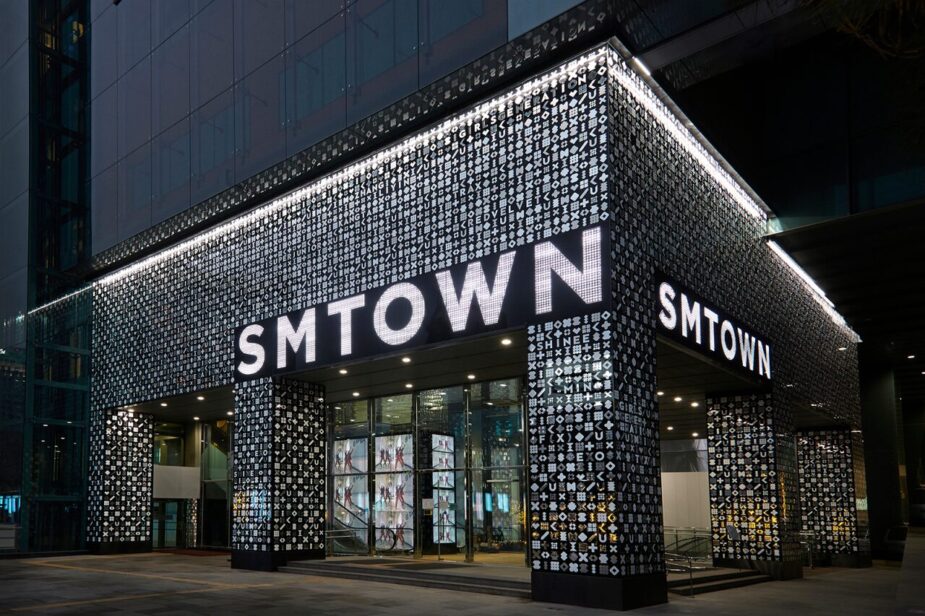
The primary catalyst for this shift was the robust performance of SM Entertainment. Following its integration into the Kakao ecosystem, SM Entertainment reported a record-breaking revenue of ₩813 billion KRW (approximately $559 million USD), representing a significant 22.6% increase compared to the previous fiscal year. This growth was driven by a combination of high-volume album sales, the successful launch of new intellectual properties (IP), and an aggressive expansion of global touring schedules for established acts such as NCT, aespa, and Red Velvet. The synergy between SM’s legacy artist development and Kakao’s technological infrastructure has proven to be a formidable combination, allowing the collective to surpass the revenue generated by HYBE’s diverse portfolio of labels.
The Strategic Ascension of Kakao Entertainment
Kakao’s rise to the top of the financial charts is the culmination of a multi-year strategy to consolidate influence within the music and media sectors. By operating a multi-label system that includes Starship Entertainment, IST Entertainment, and Antenna, among others, Kakao has diversified its revenue streams across various demographics and genres. However, it was the inclusion of SM Entertainment that provided the necessary scale to challenge HYBE’s dominance.

The 2025 fiscal data highlights that the "Big Four" companies—Kakao (including SM), HYBE, JYP Entertainment, and YG Entertainment—now control 71% of the total revenue generated by the top 30 companies in the sector. This concentration of wealth and market share underscores the increasing difficulty for independent or mid-sized agencies to compete in an industry that requires massive capital for global marketing and content production. Kakao’s success is largely attributed to its ability to leverage its domestic platform dominance (via KakaoTalk and Melon) to support its music distribution and idol management arms.
HYBE’s Performance Amidst Structural Transitions
While HYBE has moved to the second position in terms of total revenue, the company remains a financial titan with a highly efficient multi-label structure. The company’s 2025 results were heavily supported by the consistent performance of BigHit Music and PLEDIS Entertainment. Despite the ongoing military service obligations of several BTS members during this period, the group’s solo projects continued to generate significant global interest and revenue.

Furthermore, PLEDIS Entertainment’s SEVENTEEN remained a cornerstone of HYBE’s financial stability, achieving record-breaking physical album sales and sold-out stadium tours across Asia and North America. Other subsidiary labels, such as ADOR (NewJeans) and Source Music (LE SSERAFIM), also contributed significantly to the bottom line, though not enough to offset the combined weight of the Kakao-SM alliance. Analysts suggest that HYBE’s current position is a reflection of a transitional phase as the company diversifies into technology, gaming, and the U.S. market, rather than a decline in its core music business.
JYP and YG: Stability and Explosive Growth
Rounding out the top four, JYP Entertainment maintained its reputation for financial consistency, ranking third with a revenue of ₩684 billion KRW (approximately $470 million USD). JYP’s success has been anchored by its "Global Localization" strategy, which has seen the successful debut and promotion of groups tailored for specific international markets. The steady performance of Stray Kids, who have become a dominant force in the Western market, alongside the enduring popularity of TWICE and ITZY, has ensured that JYP remains a highly profitable and stable entity.
YG Entertainment, ranking fourth, reported ₩339 billion KRW (approximately $233 million USD) in revenue. While its total revenue is lower than its three main competitors, YG saw a remarkable 71.3% year-on-year increase. This spike was largely attributed to a massive expansion in concert activities. The resumption of large-scale world tours and the high-profile activities of its core artists allowed YG to capitalize on the post-pandemic surge in live entertainment demand. The company’s ability to generate high margins from a smaller roster of artists remains a hallmark of its business model.
Chronology of the Kakao-SM Integration
To understand the current market dynamics, it is essential to review the timeline that led to Kakao’s current market leadership. The battle for control over SM Entertainment began in early 2023, following internal conflicts between the company’s management and its founder, Lee Soo-man.

- February 2023: HYBE launched a hostile takeover bid for SM Entertainment after purchasing Lee Soo-man’s 14.8% stake. This move was met with fierce resistance from the SM board and employees, who feared a loss of the company’s creative identity.
- March 2023: Kakao entered the fray with a significantly higher tender offer, leading to a bidding war. Recognizing the potential for market overheating and the risk of financial overextension, HYBE eventually withdrew its bid, citing signs of the market becoming "overheated" and potential negative impacts on HYBE’s shareholder value.
- Late 2023 – 2024: Kakao completed the acquisition and began the process of integrating SM Entertainment into its corporate structure. This period focused on streamlining distribution and leveraging Kakao’s tech platforms to enhance SM’s "SM 3.0" strategy, which aimed to move away from a single-producer system to a multi-production center model.
- 2025: The financial fruits of this integration became evident. The 2025 revenue figures confirm that the synergy between Kakao’s capital and SM’s artist development pipeline has created the largest revenue-generating engine in the history of K-pop.
Industry Implications and Future Outlook
The rise of Kakao to the number one spot carries several implications for the future of the Korean entertainment industry. First, it validates the "conglomerate model" of entertainment, where music labels are just one part of a larger ecosystem involving tech, distribution, and retail. Kakao’s ability to cross-promote SM artists through its various digital services provides a competitive advantage that traditional entertainment-first companies find difficult to replicate.
However, this shift also raises concerns regarding market monopolization. With the "Big Four" controlling over 70% of the market, the barrier to entry for smaller labels is higher than ever. Industry watchdogs have noted that the concentration of power may lead to a homogenization of content, as large corporations prioritize low-risk, high-reward "idol" projects over more diverse or experimental musical genres.

Furthermore, the competition between Kakao and HYBE is expected to intensify on the global stage. While Kakao currently leads in total revenue, HYBE has been more aggressive in acquiring overseas labels and establishing a direct presence in the United States. The "K-pop" label is increasingly being applied to groups that do not necessarily speak Korean or operate out of Seoul, as seen with the debut of global groups like Katseye and VCHA.
Official Reactions and Market Analysis
While official statements from the executive boards of Kakao and HYBE have been characteristically measured, internal reports suggest a high level of strategic pivoting. Kakao executives have expressed satisfaction with the "SM 3.0" transition, noting that the decentralization of production has allowed for more frequent artist comebacks and a more diverse range of musical styles.

Market analysts from major Korean financial institutions suggest that the revenue gap between Kakao and HYBE may remain narrow in the coming years. "The current rankings reflect a successful consolidation of assets by Kakao," stated one senior analyst at a Seoul-based brokerage. "However, HYBE’s revenue potential remains high as BTS members return from military service. The 2026-2027 period will likely see another shift as the full strength of the HYBE roster returns to the market."
In conclusion, the 2025 revenue data serves as a definitive milestone in the evolution of K-pop. It marks the moment when the industry transitioned from being led by visionary founders and independent labels to being dominated by massive corporate alliances. As SM Entertainment continues to thrive under the Kakao umbrella, and as HYBE, JYP, and YG refine their global strategies, the competition for cultural and financial supremacy in the entertainment world is set to reach unprecedented heights. The "Big Factor" of SM Entertainment has not only changed the rankings but has fundamentally altered the trajectory of the global music business.
Related News