South Korea Evaluates Military Public Relations Unit Following Se7en and Sangchu Massage Parlor Scandal
Article Editorial Team
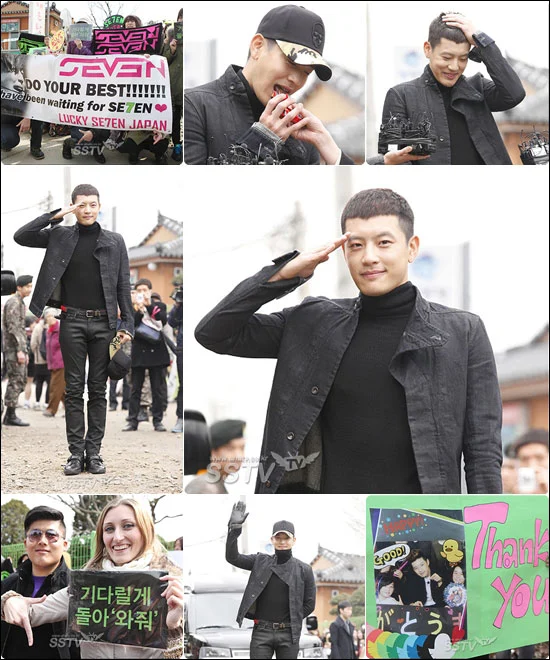
The integrity of the South Korean military conscription system has come under intense scrutiny following a series of high-profile disciplinary breaches by celebrity soldiers, prompting the Ministry of National Defense to launch a comprehensive investigation into the Defense Media Agency. The controversy, centered on pop stars Se7en (Choi Dong-wook) and Sangchu (Lee Sang-chul) of the hip-hop duo Mighty Mouth, has ignited a national debate regarding the fairness of the "celebrity recruit" system and the perceived double standards applied to elite entertainers compared to ordinary conscripts. In a society where military service is viewed as a fundamental rite of passage and a civic duty, the reports of misconduct have touched a sensitive nerve, leading to calls for the total abolition of the public relations unit.
The Foundation of Universal Conscription in South Korea
To understand the gravity of the current scandal, one must consider the geopolitical context of the Korean Peninsula. Since the signing of the 1953 armistice, which established a ceasefire but not a formal peace treaty, North and South Korea have remained technically at war. Consequently, South Korea maintains a robust defense posture through universal conscription. Under the Military Service Act, all able-bodied South Korean men are required to serve approximately 21 months in the armed forces, typically between the ages of 18 and 28.
Military service is more than a legal requirement; it is a social equalizer. For nearly two years, young men from all walks of life are removed from their civilian environments, stripped of modern luxuries such as mobile phones and private internet access, and stationed in often remote regions to undergo rigorous physical training and border surveillance. This shared hardship is intended to foster national unity. However, the creation of the "celebrity recruit" system—formally known as the Public Relations Unit under the Defense Media Agency—has long been criticized for creating a tier of "soldier-lite" service that allows famous individuals to maintain their public profiles while avoiding the harshest aspects of military life.
Chronology of the Scandal: The SBS On Site 21 Investigation
The current crisis reached a breaking point in late June 2013, following an investigative report by the SBS program On Site 21. The television crew shadowed several celebrity recruits after they performed at a military-sanctioned event in Chuncheon to commemorate the 63rd anniversary of the Korean War. The footage captured a series of flagrant violations of military protocol that occurred late into the night and early morning hours.
According to the report, after the performance concluded, several recruits, including Se7en and Sangchu, were seen leaving their temporary quarters in civilian clothing—a direct violation of military dress codes for active-duty personnel. The soldiers were filmed consuming alcohol at a local restaurant and using personal mobile phones, which are strictly prohibited for soldiers during their term of service.
The most damaging portion of the footage occurred at approximately 3:30 a.m., when Se7en and Sangchu were observed entering a massage parlor known for providing adult services. When the two soldiers emerged nearly half an hour later, they were confronted by SBS reporters. The ensuing physical altercation, in which the soldiers attempted to seize the reporters’ cameras and microphones, was broadcast to the nation, providing undeniable evidence of the breach of conduct.
Official Responses and the "Knee Therapy" Defense
In the immediate aftermath of the broadcast, the Ministry of National Defense (MND) faced an onslaught of public criticism. Initial attempts by military officials to explain the soldiers’ presence at the massage parlor were met with widespread derision. A spokesperson for the MND initially suggested that the soldiers had visited the establishment seeking "knee therapy" and traditional massages for physical ailments sustained during their performances. This explanation was quickly debunked by the massage parlor’s management, who informed investigators that the establishment did not provide medical therapy and that the soldiers had requested services typically associated with prostitution.

Sangchu, the senior soldier of the two, later attempted to mitigate the fallout by issuing a statement taking full responsibility for the incident. He claimed that as the senior figure, he should have exercised better judgment and guided his junior, Se7en. However, the public remained unconvinced, viewing the gesture as an attempt to protect the more commercially prominent Se7en, who was also facing personal scrutiny regarding his long-term relationship with actress Park Han-byul.
Systemic Perks and the Inequality of Service
The SBS investigation went beyond the actions of Se7en and Sangchu, shedding light on the broader luxuries afforded to the Defense Media Agency’s recruits. The report detailed a lifestyle for celebrity soldiers that was starkly different from that of the average conscript. Witnesses and whistleblowers revealed that these recruits often had access to:
- Private Facilities: Access to private gyms, televisions, and PlayStation gaming consoles within their barracks.
- Communication Access: Frequent and unauthorized use of personal cell phones and the internet, allowing them to maintain contact with talent agencies and fan bases.
- Wardrobe Privileges: Possession of civilian clothing, which allowed them to blend into the public during unauthorized outings.
- Generous Leave: Statistics indicated that celebrity recruits received significantly more days of leave and "special furloughs" than regular soldiers, often totaling more than double the standard allotment.
An anonymous recruit, referred to in reports as "Soldier A," defended the unit by stating that celebrity soldiers work "extremely hard," sometimes performing up to 20 times a month to boost the morale of other troops. This defense, however, backfired, as the public compared the "hardship" of singing on a stage to the physical toll of patrolling the Demilitarized Zone (DMZ) in sub-zero temperatures.
Historical Context: The Rain Precedent
The Se7en and Sangchu scandal did not occur in a vacuum. It followed a similar controversy involving global superstar Rain (Jung Ji-hoon) in January 2013. Rain was photographed meeting his girlfriend, actress Kim Tae-hee, while on official military duty. He was also criticized for not wearing his military cap in public, a violation of the military dress code.

Despite the public outcry, the Ministry of Defense’s punishment for Rain was seen as remarkably lenient—seven days of confinement within his barracks to "reflect" on his actions. He was subsequently discharged on schedule on July 10, 2013, without further penalty. The perceived "slap on the wrist" for Rain set a precedent that many believe emboldened Se7en and Sangchu to believe they were above the standard disciplinary measures of the South Korean Army.
Sociological Impact and Public Sentiment
The backlash against celebrity soldiers reflects a deeper sociological tension in South Korean society regarding meritocracy and fairness. In a country where competition for university placement and corporate jobs is fierce, the military is one of the few institutions where, theoretically, every man is treated equally regardless of his wealth or status. When celebrities are seen bypassing these hardships, it undermines the perceived legitimacy of the conscription system itself.
Furthermore, the "Hallyu" (Korean Wave) argument—that stars should be exempt or given special treatment because they promote Korean culture abroad—has lost its efficacy. While Olympic medalists and certain award-winning classical musicians receive exemptions because they bring "national prestige," the public increasingly views K-pop stars as commercial products rather than national assets. The sentiment is that while these stars contribute to the economy, they also reap massive personal financial rewards, and thus should not be exempt from the duties required of every other citizen.
Implications for the Future of the Defense Media Agency
As the Ministry of National Defense continues its special audit into the 15 celebrity recruits currently serving, the future of the PR unit remains in jeopardy. The investigation has expanded to include the management of the Defense Media Agency itself, with officials looking into whether military supervisors knowingly turned a blind eye to the recruits’ behavior.

Potential outcomes of the investigation include:
- Total Abolition: The complete dissolution of the celebrity recruit system, with all current PR soldiers being reassigned to standard infantry or field units.
- Strict Restructuring: Retaining the unit but implementing draconian oversight, including the total ban on off-base performances without direct supervision by high-ranking officers.
- Disciplinary Action: Se7en and Sangchu face the possibility of extended service terms or being forced to restart their military service from the beginning in a regular unit, a precedent set by singer Psy (Park Jae-sang) in 2007 after he was found to have neglected his duties during his initial term.
The Se7en and Sangchu scandal serves as a definitive turning point for the South Korean military’s relationship with the entertainment industry. It has exposed a culture of entitlement that contradicts the core values of the nation’s defense forces. As the Ministry of Defense prepares its final report, the prevailing public opinion is clear: if the military is to maintain the respect and cooperation of the young men it drafts, it must ensure that fame does not grant a reprieve from the sacrifices required of the rank and file. The era of the "prince-soldier" may be coming to an end, replaced by a demand for a singular standard of service for all.
Related News