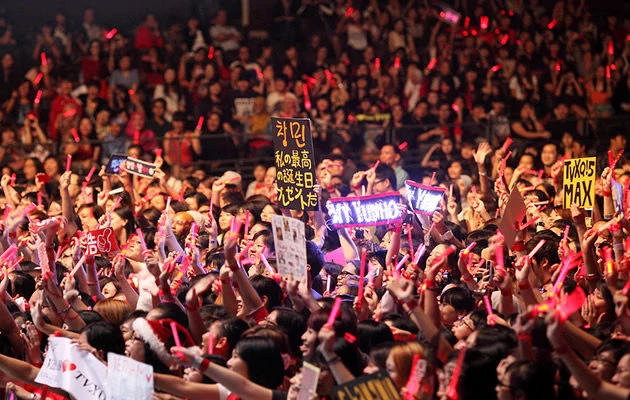
The global ascent of Korean popular music, known universally as K-pop, has transformed from a regional cultural export into a multi-billion-dollar global industry. Central to this meteoric rise is the K-pop fandom, a highly organized, digitally savvy, and socio-economically influential demographic that operates with a level of sophistication rarely seen in other entertainment sectors. While the term "fandom" is common across various media—from the literary worlds of Harry Potter to the cinematic universes of Marvel—the K-pop iteration represents a unique convergence of consumerism, digital activism, and community identity. For the uninitiated, entering this space requires an understanding of a complex hierarchical structure, a specific lexicon, and the evolving digital infrastructure that facilitates fan-to-artist interaction.
The Hierarchical Structure of K-pop Fandoms
In the broader landscape of entertainment, a person might identify as a "movie buff" or a "music lover." In the K-pop ecosystem, however, identity is categorized through a granular system of tiers. At the most general level is the K-pop fan, an individual who consumes the genre as a whole. Yet, the community is primarily defined by group-specific allegiances. Each K-pop group is assigned an official fandom name by their management agency, creating a distinct brand identity for the supporters. For instance, fans of the group SHINee are known as "Shawols," while fans of BTS are "ARMY," and supporters of Blackpink are "Blinks."
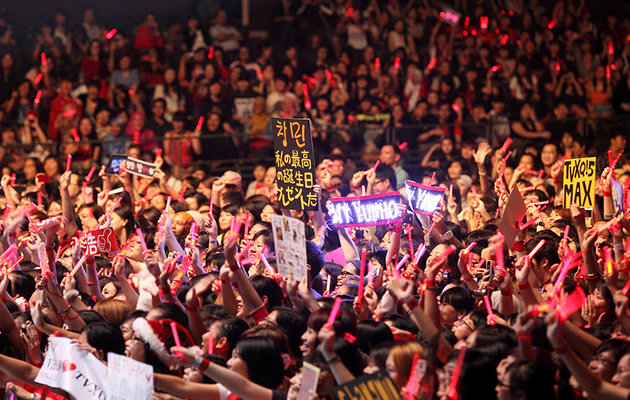
This categorization deepens with the concept of the "bias." A fan’s bias is their favorite individual member within a group. This further segments the community into sub-fandoms; a Shawol whose favorite member is Taemin may refer to themselves as a "Taemint." While these sub-divisions allow for targeted community building, they also introduce the potential for internal friction. "Solo stans"—fans who support only one member—and "akgaes"—malicious solo fans who disparage other members of the same group—represent the more contentious side of this organizational structure.
A Chronology of Fandom Evolution
The evolution of K-pop fandom can be traced through distinct generations, each defined by the technology and social norms of its time.
- The First Generation (1990s – Early 2000s): During the era of H.O.T. and SechsKies, fandoms were localized within South Korea. Coordination occurred through physical fan clubs and telephone hotlines. Fans identified themselves in crowds by wearing specific colors of raincoats and waving colored balloons. Rivalries were often physical, with large-scale confrontations between opposing fan groups at music broadcasts.
- The Second Generation (Mid-2000s – Early 2010s): The rise of groups like TVXQ, Girls’ Generation, and BigBang coincided with the advent of the digital age. This era saw the birth of the "Lightstick," a high-tech, glowing device unique to each group that replaced balloons. Official Fan Cafés on platforms like Daum became the primary hub for communication.
- The Third and Fourth Generations (2013 – Present): The globalization of K-pop, led by BTS and EXO, shifted the focus to international social media platforms such as X (formerly Twitter), TikTok, and YouTube. The infrastructure moved from third-party portals to dedicated corporate applications like Weverse and Bubble, allowing for direct, subscription-based communication between idols and fans.
Official vs. International Fandom Infrastructure
For a fan, the level of involvement often dictates their standing within the community. Historically, the "Official Fan Café" was the gold standard of participation. These are hosted on Korean web portals like Daum and require a rigorous verification process, often involving questions about the group’s history or proof of album purchases. Membership in an "Official Fanclub" (often requiring a yearly fee) provides tangible benefits: early access to concert tickets, exclusive merchandise, and the ability to attend music show recordings in Seoul.

For international fans, however, the "official" route has historically presented significant barriers, including language hurdles and the requirement of a Korean phone number for identity verification. This led to the rise of "International Fan Sites." These are unofficial, fan-run organizations that mirror the functions of official clubs. They provide translated news, coordinate local events, and manage large-scale projects. In the absence of official agency support, these international groups have become the backbone of K-pop’s global marketing, often performing the labor of translation and promotion for free.
The Economic and Social Power of the Fandom
The influence of K-pop fandoms extends far beyond music consumption; they are a significant economic force. According to data from the Korea Customs Service, K-pop album exports reached a record high of nearly $290 million in 2023. This is driven by a culture of "bulk buying," where fans purchase multiple copies of the same album to increase their chances of winning a "fansign" (a lottery-based meet-and-greet) or to collect "photocards"—small, collectible portraits of members included in the albums.
Beyond consumerism, K-pop fandoms have gained a reputation for sophisticated social and political activism. This is exemplified by the "Rice Wreath" tradition, where fans donate tons of rice to charities in the name of their favorite artist during concerts or press conferences. On the global stage, K-pop fans have made headlines for digital activism, such as during the 2020 Black Lives Matter movement, where fans flooded police reporting apps with "fancams" (short videos of idols) to protect the identities of protesters.

Fandom Politics and Conflict Resolution
The intensity of K-pop fandom often leads to "fanwars"—digital conflicts between different fan groups. These disputes can arise over music show wins, chart positions, or perceived slights against an artist. The niche nature of K-pop, despite its massive scale, often fosters a "siege mentality" where fans feel a personal responsibility to defend their favorite group’s reputation.
Management agencies often play a dual role in these dynamics. While they benefit from the fierce loyalty that drives sales, they must also manage the "sasaeng" phenomenon—obsessive fans who engage in stalking and privacy violations. In recent years, companies like SM Entertainment and HYBE have taken increasingly firm legal stances against such behavior, reflecting a shift toward protecting artist mental health and safety.
The Digital Hubs: From Tumblr to Weverse
The platforms used by fans have dictated the nature of the community. In the early 2010s, Tumblr was the primary hub for fan art, "GIF sets," and fan fiction, fostering a creative and transformative fandom culture. Today, the landscape is dominated by:

- Weverse (HYBE): A comprehensive platform that combines a social feed, a merchandise store, and a video streaming service. It has become the "official" digital home for dozens of groups.
- DearU Bubble: A private messaging service where fans pay a monthly subscription to receive "personal" texts and photos from idols.
- X (Twitter): The center for real-time news, "streaming parties" (coordinated efforts to boost a song’s chart position), and organized voting for awards.
Implications and Future Outlook
The K-pop fandom model is increasingly being studied by Western marketing experts as a blueprint for "super-fandom." The transition from passive listeners to active participants has created a highly resilient business model that thrives even during economic downturns. However, the high-pressure environment—where fans feel obligated to "vote" and "stream" 24/7 to ensure their group’s success—has led to discussions regarding "fan burnout."
As K-pop continues to integrate with technologies like AI and the metaverse, the definition of a "fan" is likely to evolve again. Virtual idols and AI-generated fan interactions are already being tested. Regardless of the medium, the core of the K-pop fandom remains the same: a deep, emotional connection between the artist and the audience, supported by a complex, self-sustaining community structure.
In conclusion, being a K-pop fan is a multifaceted experience that offers various levels of engagement. Whether an individual is a casual listener, a creative contributor on social media, or a dedicated member of an official fan café, they are part of a global movement that has redefined the relationship between celebrities and their supporters. As the industry moves forward, the challenge for both agencies and fans will be to maintain the passion of the community while fostering a healthy, sustainable environment for all participants.