The Cultural and Economic Evolution of South Koreas Bean Paste Girl Phenomenon
Article Editorial Team

The global explosion of Psy’s 2012 hit "Gangnam Style" introduced international audiences to a colorful, high-energy parody of Seoul’s wealthiest district. However, beneath the catchy "horse dance" and vibrant visuals lay a biting social commentary directed at a specific demographic in South Korean society: the dwenjang-nyeo, or "Bean Paste Girl." This term, which became a fixture of South Korean internet culture and sociological debate in the mid-2000s, serves as a complex symbol of the nation’s rapid transition from post-war poverty to hyper-consumerism. While Western journalists often interpreted the song as a general satire of wealth, for South Koreans, the lyrics specifically targeted a perceived culture of vanity, where young women were accused of sacrificing basic necessities to project an image of Western-style affluence.
Linguistic Origins and the Paradox of Consumption
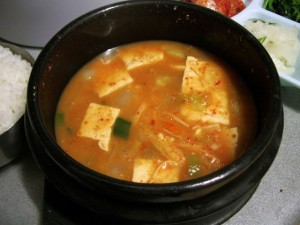
The term dwenjang-nyeo is derived from dwenjang, a traditional fermented soybean paste that serves as the foundation for dwenjang-jjigae, a humble and ubiquitous stew. Historically, this stew is associated with domesticity, frugality, and the "old" Korea. It is one of the most affordable meals available in Seoul, often priced between 3,500 and 5,000 KRW (approximately $3.00 to $4.00 USD). In contrast, the "Bean Paste Girl" is characterized by her conspicuous consumption of luxury goods and "New York-style" lifestyle habits, most notably the purchase of expensive take-away coffee.
The paradox central to the term is the financial trade-off these women allegedly make. The prevailing stereotype suggests that a dwenjang-nyeo will eat the cheapest possible meal—a bowl of bean paste stew—specifically so she can afford a 6,500 KRW ($5.50 USD) specialty latte from Starbucks. In this social construct, the coffee cup, embossed with a recognizable green logo, serves as a portable status symbol that signals a connection to globalized, sophisticated culture, even if the person holding it is living on a razor-thin budget.
A Chronology of South Korean Economic Sentiment
To understand the vitriol often directed at the dwenjang-nyeo, one must examine the compressed timeline of South Korea’s economic development, often referred to as the "Miracle on the Han River."
The Era of Frugality (1960s–1980s)
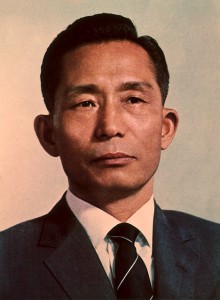
Following the devastation of the Korean War (1950–1953), South Korea was one of the poorest nations in the world, with a GDP per capita lower than many sub-Saharan African countries. Under the authoritarian leadership of President Park Chung-hee, the nation underwent a period of forced industrialization. During this time, the government promoted "frugality campaigns." Spending on non-essential or imported luxury goods was framed as unpatriotic, and the term kwasobi (excessive spending) was weaponized to shame those who did not reinvest their savings into the national economy.
Liberalization and the 1988 Olympics
The 1988 Seoul Olympics marked South Korea’s debut on the world stage as a rising economic power. The 1990s brought further liberalization, and for the first time, a generation grew up without the immediate threat of hunger. This "New Generation" began to embrace Western fashion, music, and dining. However, the 1997 Asian Financial Crisis (the "IMF Crisis") briefly reinstated a sense of economic trauma, reinforcing the idea that reckless spending could lead to national ruin.
The Rise of the Digital Age and "Small Luxuries" (2000s–Present)
By the mid-2000s, South Korea had become one of the most digitally connected nations on earth. Social media platforms like Cyworld (and later Instagram) created a high-pressure environment for visual self-presentation. The dwenjang-nyeo emerged during this period as a reaction to the widening wealth gap. For young people facing stagnant wages and sky-high real estate prices, owning a luxury handbag or drinking premium coffee became a "small luxury"—an attainable way to participate in a high-status lifestyle that was otherwise out of reach.
Statistical Context: The World’s Largest Luxury Market
Data supports the observation that South Koreans have a unique relationship with luxury branding. According to a 2022 report by Morgan Stanley, South Koreans are the world’s biggest spenders on personal luxury goods per capita, spending an average of $325 per year, significantly higher than the $280 spent by Americans or the $50 spent by Chinese consumers.
This demand is driven by a societal emphasis on "social standing." In a survey conducted by Economic Research, approximately 60% of South Korean respondents believed it is "fairly important" to look wealthy. This cultural backdrop provides the fuel for the dwenjang-nyeo archetype; when luxury is viewed as a prerequisite for social acceptance, individuals are more likely to prioritize brand-name items over long-term financial stability.
Gendered Criticism and Societal Double Standards
One of the most contentious aspects of the dwenjang-nyeo phenomenon is its overtly gendered nature. Critics and feminist scholars point out that while women are shamed for spending money on coffee and handbags, there is no equally popular derogatory term for men who engage in similar behavior.
Men in South Korea also participate in conspicuous consumption, often through the purchase of imported cars, high-end electronics, or expensive "hostess bar" outings. However, these expenditures are rarely framed as a moral failing or a sign of intellectual shallowness. The "Bean Paste Boy" (dwenjang-nam) is a term that exists in theory but lacks the cultural weight or vitriol of its female counterpart.

Sociologists suggest that the targeting of young women reflects deep-seated anxieties about changing gender roles. As women became more educated and entered the workforce in larger numbers, they gained purchasing power. Shaming their consumption habits can be seen as a way of policing their newfound independence and asserting traditional values of "modesty" and "thrift" that were historically expected of Korean women.
Official Responses and Cultural Implications
While the South Korean government does not officially comment on internet slang, the issues surrounding the dwenjang-nyeo have influenced public policy and corporate strategy.
- Financial Literacy Programs: The Financial Supervisory Service (FSS) has increased its outreach to young adults, citing concerns over credit card debt fueled by "status spending."
- Corporate Adaptation: Global luxury brands like Louis Vuitton, Chanel, and Hermès have significantly increased their presence in Seoul, often choosing Korean idols as global ambassadors to capitalize on the "aspirational" spending habits of the youth.
- Media Portrayal: Korean dramas (K-Dramas) have moved from mocking the dwenjang-nyeo to exploring the psychological toll of "keeping up appearances." Characters are often shown struggling with the debt and loneliness that accompany a life curated for social media.
Broader Impact and the Shift to "YOLO" and "Flex" Culture
In recent years, the specific term dwenjang-nyeo has begun to fade, replaced by newer slang that reflects the current economic climate. The "YOLO" (You Only Live Once) movement and "Flex" culture have taken over, where flaunting wealth is seen less as a shameful secret and more as a defiant response to a "hell-joseon" (a satirical term for the difficult living conditions in modern Korea) where saving for a home seems impossible.
The "Bean Paste Girl" was, in many ways, the precursor to the modern influencer. She represented the first generation to navigate the tension between traditional Korean values of humility and the globalized pressure to project an image of success. Whether she was a "victim" of predatory marketing or a "pioneer" of personal branding remains a subject of debate.
Conclusion
The evolution of the dwenjang-nyeo from a niche internet insult to a centerpiece of global pop culture via "Gangnam Style" highlights the unique pressures of the South Korean experience. It is a narrative of a nation that moved too fast for its own social structures to keep pace, creating a friction point where coffee cups and handbags became battlegrounds for identity.
As South Korea continues to export its culture through the "Hallyu" wave, the "Bean Paste Girl" serves as a reminder that the sleek, polished image of Seoul presented to the world is built upon a complex history of sacrifice, rapid growth, and an ongoing struggle to define what it means to live well in the 21st century. The phenomenon is not merely about a preference for Starbucks over stew; it is an enduring reflection of a society grappling with the costs and consequences of the modern dream.
Related News