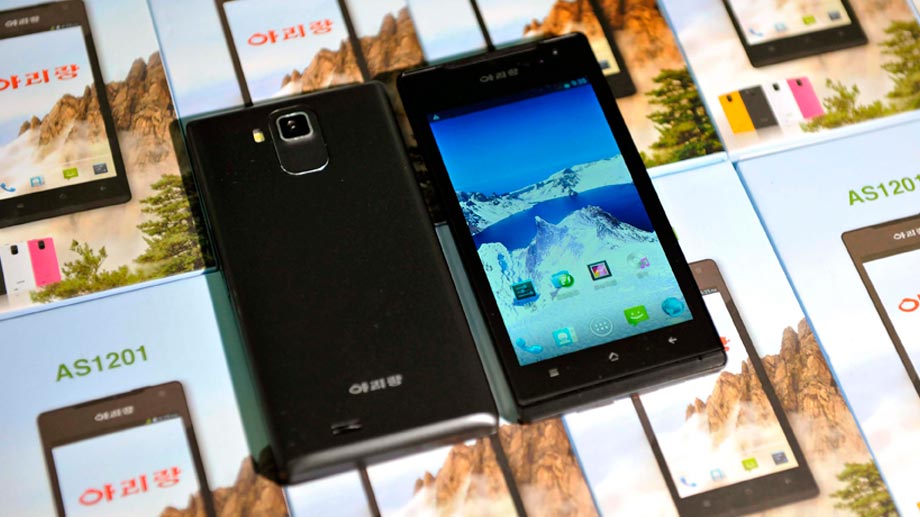
The announcement of the "Arirang" smartphone by the Democratic People’s Republic of Korea (DPRK) marks a significant moment in the intersection of North Korean propaganda, technological aspiration, and the enduring power of Korean cultural identity. While the device itself—the Arirang AS1201—is viewed by international technology analysts as a modest entry into the mobile market, its naming and the circumstances of its unveiling offer a profound window into the socio-political complexities of the Korean Peninsula. In an era defined by heightened military posturing and a seemingly irreparable diplomatic rift between Pyongyang and Seoul, the choice of "Arirang," a traditional folk song beloved by Koreans on both sides of the 38th parallel, serves as a calculated move to harness nationalist sentiment through modern consumer electronics.
The Unveiling of the Arirang AS1201
In August 2013, North Korean state media, the Korean Central News Agency (KCNA), released a series of photographs and reports detailing a visit by Supreme Leader Kim Jong-un to the "May 11 Factory." During this visit, the leader was shown inspecting a new touch-screen handset, ostensibly manufactured within the country. Kim Jong-un praised the factory workers for their "creative ingenuity" and "patriotic enthusiasm," emphasizing that the production of a domestic smartphone was a vital step in maintaining national dignity and technological independence.
The Arirang smartphone features a standard Android-based operating system, a touch-sensitive screen, and what state media described as "high pixels." However, the international community remained skeptical of the device’s origins. Technical analysis conducted by various cybersecurity firms and tech observers suggested that the Arirang AS1201 was not an original North Korean design but rather a rebranded version of the Uniscope U70, a budget smartphone manufactured in China. Analysts posits that the components were likely shipped from China to the Pyongyang facility for final assembly and software localization, allowing the regime to claim a "domestic" victory in the high-tech sector.
Historical and Cultural Context: The Song of the People
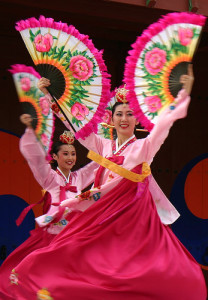
To understand the weight of the name "Arirang," one must look beyond the plastic and silicon of the device to the centuries of history embedded in the folk song. "Arirang" is often referred to as the unofficial national anthem of Korea. Its origins are shrouded in mystery, with scholars dating the melody back anywhere from 700 to 1,200 years. Despite its age, or perhaps because of it, the song has become a vessel for the collective "han"—a uniquely Korean concept of internalized grief, resentment, and longing.
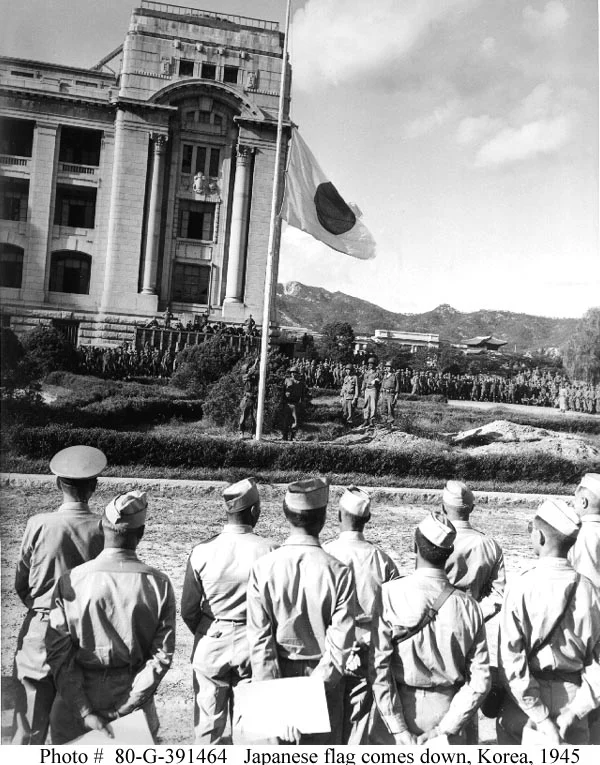
The lyrics of "Arirang" are deceptively simple, generally telling the story of a lover crossing the Arirang Pass. While many versions exist—estimates suggest there are thousands of variations across the peninsula—the core sentiment remains one of endurance and sorrow. This resonance reached its peak during the Japanese colonial occupation of Korea (1910–1945). During this period, "Arirang" transitioned from a simple folk tune into a powerful anthem of resistance. It provided a shared language of identity for a people whose culture and language were being systematically suppressed by the Japanese Empire.
In 2012, following concerted efforts by the South Korean government, "Arirang" was officially inscribed on UNESCO’s Representative List of the Intangible Cultural Heritage of Humanity. This recognition solidified the song’s status as a global symbol of Korean heritage, yet it also highlighted the ongoing cultural tug-of-war between the North and South, as both nations claim the song as a cornerstone of their respective national narratives.
A Chronology of Conflict and Cultural Survival
The timeline of the Korean Peninsula is one of repeated trauma and remarkable resilience, providing the necessary backdrop for why a smartphone name carries such weight.
- 1910–1945: The Japanese colonial period. "Arirang" becomes a symbol of national unity and defiance. The 1926 silent film Arirang, directed by Na Woon-gyu, used the song to evoke nationalist fervor, leading to its widespread popularity as an anti-colonial protest song.
- 1945–1948: Following the surrender of Japan at the end of World War II, the peninsula is divided at the 38th parallel by the United States and the Soviet Union.
- 1950–1953: The Korean War devastates the region, ending in an armistice rather than a peace treaty. The peninsula remains technically at war to this day.
- Late 20th Century: South Korea undergoes the "Miracle on the Han River," transforming from a war-torn agrarian society into a global high-tech powerhouse led by "Chaebols" like Samsung and LG. Meanwhile, North Korea adopts the philosophy of Juche (self-reliance), leading to increased isolation.
- 2012: UNESCO recognizes "Arirang" as a cultural treasure.
- 2013: North Korea launches the Arirang smartphone, signaling a desire to compete in the digital age, at least symbolically.
Technical Specifications and Market Realities
While the North Korean government touts the Arirang as a symbol of progress, the reality of mobile technology in the DPRK is highly controlled. The smartphone operates on a domestic "intranet" rather than the global internet. Users can access state-approved news, educational materials, and a limited selection of apps, but communication with the outside world remains strictly prohibited for the average citizen.
Supporting data on mobile usage in North Korea suggests a growing market, despite these restrictions. Koryolink, the country’s primary cellular network (a joint venture with Egypt’s Orascom Telecom), reported over two million subscribers by mid-2013. The introduction of a domestic smartphone like the Arirang is intended to capture this market and reduce the reliance on smuggled foreign devices, which the regime views as a threat to national security and ideological purity.

Regional Reactions and Geopolitical Implications
The launch of the Arirang smartphone drew varied reactions across East Asia. In South Korea, the news was met with a mixture of amusement and concern. While tech-savvy South Koreans mocked the outdated specifications of the AS1201 compared to the latest Samsung Galaxy models, government officials noted the strategic use of the "Arirang" name. By co-opting a symbol of shared heritage, Pyongyang attempts to position itself as the "true" guardian of Korean culture, untainted by the Western "decadence" that critics in the North claim has infected the South.
In Japan, the reaction was more nuanced. Historically, "Arirang" has had a complex relationship with the Japanese public. In 1931, the song actually became a major pop hit in Japan, where it was viewed through a lens of romanticized melancholy. This cultural appropriation—where the occupier enjoys the art of the occupied—remains a sensitive topic. Today, the tensions between Seoul and Tokyo continue to simmer over historical grievances and territorial disputes, such as the Liancourt Rocks (Dokdo/Takeshima). Yet, even amidst these diplomatic frosts, South Korean pop culture (Hallyu) remains immensely popular in Japan. This suggests that music and media can bridge divides that politics cannot, a fact that North Korea is clearly trying to exploit with its own "Arirang" branding.
Analysis: The Paradox of Shared Identity
The Arirang smartphone represents a fascinating paradox. On one hand, it is a tool of a regime that maintains some of the most stringent information controls in the world. On the other hand, it bears a name that signifies the universal Korean experience of longing and connection.
The "Arirang" song is a rare piece of cultural property that remains untouched by the ideological split of 1945. While South Korea’s official national anthem, "Aegukga," and North Korea’s anthem of the same name are entirely different compositions, "Arirang" belongs to both. By naming their first smartphone after this song, the North Korean leadership is performing a dual-purpose maneuver:
- Domestic Consolidation: It reinforces the Juche ideology by suggesting that the North can produce high-tech goods that are uniquely "Korean."
- Soft Power Posturing: It signals to the South and the global diaspora that the North remains the heart of traditional Korean values.
Furthermore, the rise of the "Arirang" smartphone coincides with the growing popularity of smuggled South Korean media within the North. Reports indicate that "Hallyu" is a significant force in the North Korean black market, with citizens risking severe punishment to watch K-dramas or listen to K-pop. The regime’s response has been to create its own versions of modern culture—such as the Moranbong Band, an all-female group that performs Western-style pop with patriotic lyrics. The Arirang phone is the hardware equivalent of this strategy: providing a "safe," state-sanctioned alternative to the allure of foreign technology.
Conclusion: A Divided Peninsula, A Shared Aesthetic
The Arirang smartphone may never compete with the global giants of the industry, but its existence is a testament to the enduring power of cultural symbols in geopolitical warfare. Whether it is through the intense economic rivalry between Samsung and Japanese tech firms, or the clandestine exchange of soap operas across the DMZ, the people of the Korean Peninsula and their neighbors remain deeply intertwined by a shared aesthetic and a common history.
As the North continues to develop its domestic technology under the banner of "Arirang," it serves as a reminder that even in a region defined by high-tech weaponry and nuclear brinkmanship, the most potent tools are often those that resonate with the heart and the history of the people. The Arirang smartphone is more than just a mobile device; it is a signal from a hermit kingdom that even in isolation, it seeks to claim its place in the modern world by leaning on the ancient echoes of a folk song that has survived empires, wars, and division.