New K-Pop GA Idea? Fans Passing Pee Bag Around At Concert Goes Viral
Article Editorial Team
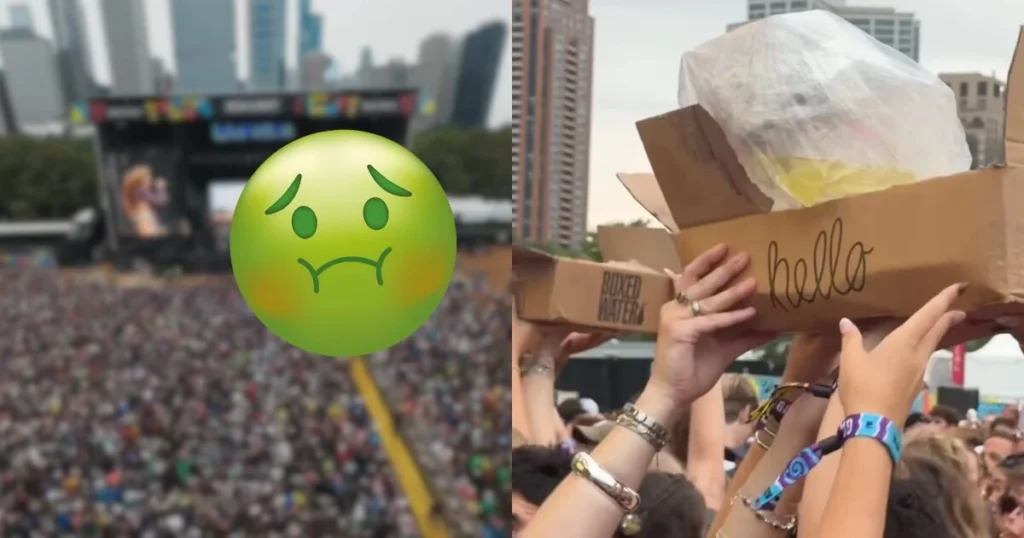
This incident has reignited a global conversation regarding the safety, hygiene, and ethics of General Admission (GA) culture, particularly within high-intensity fandoms. As music festivals grow in scale and the competition for "barricade" spots intensifies, the lengths to which fans will go to avoid losing their vantage point have reached what many observers describe as a biological and public health crisis.
The Logistics of the Lollapalooza GA Experience
Lollapalooza, held annually in Chicago’s Grant Park, operates largely on a General Admission basis for its main stages. For the 2026 event, which saw daily attendance numbers hovering near 100,000 people, the pressure to secure a prime viewing spot was unprecedented. This pressure is especially acute for fans of K-Pop groups, who are known for their dedicated "camping" culture.
The chronology of a typical "front-row" fan at such an event often begins 12 to 24 hours before the gates even open. Attendees frequently line up at the park perimeter overnight, enduring fluctuating temperatures and limited access to facilities. Once the gates open at midday, a "sprint" occurs as fans rush toward their preferred stage. Once a position at the barricade is secured, it must be held for the duration of the day—often eight to ten hours—until the headlining act finishes their set.
The physical toll of this process is significant. In the heat of a Chicago August, where temperatures frequently exceed 85 degrees Fahrenheit (29 degrees Celsius) with high humidity, hydration is essential. However, hydration inevitably leads to the need for restroom breaks. In a tightly packed "pit" or GA section, leaving for a restroom break means forfeiting one’s spot, as the crowd density makes it nearly impossible to navigate back to the front.
Anatomy of a Viral Incident: The "Piss Bag" Phenomenon
The viral footage in question, which surfaced on platforms such as TikTok and X (formerly Twitter), appears to have been filmed during the daylight hours of the festival. In the video, a clear plastic bag containing a yellow liquid is seen being handed from person to person over the heads of the crowd. The objective was reportedly to move the waste away from the barricade and toward the perimeter or a trash receptacle without the owner of the waste having to leave their spot.
While the specific stage and the identity of the fans involved remain unconfirmed, the presence of K-Pop lightsticks and merchandise in the vicinity of the footage led many to associate the behavior with the K-Pop community. This has sparked a "civil war" of sorts on social media, with some fans defending the act as a desperate necessity of "festival survival," while the vast majority of the public expresses horror at the hygiene implications.
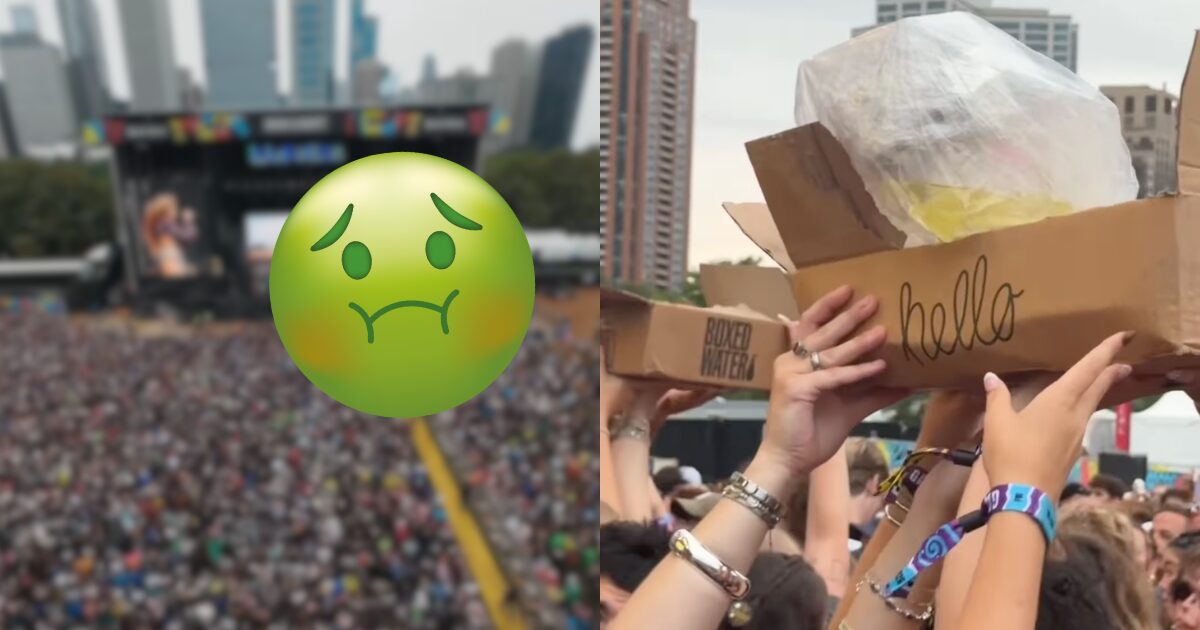
Medical professionals and event safety experts have noted that the handling of human waste in a public setting poses severe health risks. Exposure to bodily fluids in a high-temperature, high-density environment can facilitate the spread of bacteria and pathogens, including E. coli. Furthermore, the risk of the bag bursting or leaking presents a direct biohazard to hundreds of nearby attendees who are unable to move away due to the crowd pressure.
A Pattern of Extremity in Modern Fandom
The 2026 Lollapalooza incident is not an isolated case but rather the latest in a series of disturbing reports involving bodily functions at major fan events. The source material references two other notable occurrences that have shaped the current discourse on GA behavior:
- The 2024 Hanteo Music Awards: During this prestigious K-Pop award ceremony in South Korea, reports emerged that an attendee in the standing section had defecated in their pants. The resulting odor caused several idols on stage to visibly react with discomfort, and security had to intervene to manage the surrounding crowd, who were fainting or gagging. The individual later took to social media to apologize, citing the inability to leave the crowded pit as the reason for the accident.
- NCT Wish Caribbean Bay Incident: Fans of the group NCT Wish were reportedly involved in incidents of public defecation and "free-bleeding" (menstruating without sanitary products) during a performance at a water park. The fans allegedly refused to leave their spots for fear of missing a moment of the performance.
These incidents point toward a psychological phenomenon where the "value" of seeing an artist up close outweighs basic human dignity and personal health. Behavioral analysts suggest that the "fear of missing out" (FOMO), combined with the high financial cost of festival tickets and travel, creates a high-stakes environment where fans feel they must endure physical suffering to justify their investment.
Public Health and Safety Implications
The recurring nature of these incidents has led to calls for stricter regulation by festival organizers. Currently, companies like C3 Presents (the organizers of Lollapalooza) employ "pit" management strategies that include distributing free water to fans at the front to prevent dehydration. However, there is no standardized solution for the "exit" side of the metabolic process.
Industry analysts suggest several potential interventions to prevent the "piss bag" culture from becoming a normalized "GA idea":
- Sectioned Pits with Re-entry: Implementing a wristband system for the front-most sections that allows for limited re-entry for bathroom or medical emergencies.
- Increased Security Intervention: Security personnel are often trained to look for fainting or physical distress but are not always equipped to handle hygiene-related issues. Stricter "no-camping" rules within the venue could be enforced.
- Technological Solutions: Some festivals have experimented with virtual queuing or "spot-saver" apps, though these are difficult to manage in a live, high-energy environment.
From a legal perspective, the intentional disposal of human waste in a public crowd could potentially be classified as "disorderly conduct" or "reckless endangerment" under Illinois law. If an individual were to be identified as the source of a biohazardous "piss bag," they could face expulsion from the venue or even criminal charges, depending on the severity of the situation and whether any other attendees were harmed.
Reactions from the Global K-Pop Community
The K-Pop fandom is often characterized by its high level of organization and its desire to maintain a positive "image" for their favorite idols. Consequently, the viral video from Lollapalooza has caused significant embarrassment within the community. Many fans have taken to social media to condemn the behavior, arguing that it makes the entire fandom look "unhinged" and "unhygienic."

"It’s not just about the person who did it," one viral post on X read. "It’s about the people who had to touch that bag to move it. It’s about the idols who have to perform while looking at that. It’s about the workers who have to clean it up. There is no excuse for this."
Conversely, a minority of fans have pointed the finger at festival organizers, arguing that if "pit" conditions weren’t so predatory and overcrowded, people wouldn’t feel forced to resort to such measures. They argue that the lack of aisles or "escape routes" in modern GA setups is the root cause of the problem.
Conclusion: The Future of the Festival Experience
As Lollapalooza Chicago 2026 concludes, the "piss bag" incident remains one of the most talked-about moments of the weekend, serving as a cautionary tale for the live music industry. The viral nature of the video ensures that this will be a topic of discussion for upcoming festivals, including Coachella and Glastonbury, where similar GA pressures exist.
The enrichment of the concert experience through high-production values and close-up views of idols should not come at the cost of basic sanitation and public safety. Whether through improved infrastructure, stricter enforcement of hygiene standards, or a cultural shift within fandoms toward prioritizing health over "barricade" spots, the industry faces a clear mandate to address these "unfortunate mishaps" before they become a permanent—and dangerous—fixture of the music festival landscape.
The consensus among health experts, casual concertgoers, and even many dedicated fans is clear: the passing of waste bags is not a "new GA idea" to be celebrated or replicated, but a symptom of a broken system that requires immediate and professional intervention. Professional journalism and public discourse will likely continue to track how organizers respond to these viral biohazards in the seasons to come.
Related News