The landscape of South Korean entertainment is often defined by its meteoric rises and the relentless pace of its production cycles, yet few stories within the industry carry as much emotional weight and resilience as that of actor Choi Sung Won. Known to millions for his endearing portrayal of Sung No-eul in the cultural phenomenon Reply 1988, Choi recently appeared on the KBS 2TV entertainment program Happy Together – Glad I’m Not Alone to provide a candid and deeply moving account of his protracted battle with acute leukemia. His journey, marked by a devastating initial diagnosis, a period of hard-won remission, and a subsequent relapse, offers a sobering look at the fragility of health and the indomitable spirit of a dedicated artist.
Choi Sung Won’s narrative is inextricably linked to the peak of his professional success. In 2015 and early 2016, the actor was enjoying the immense popularity generated by the tvN drama Reply 1988, where he played the younger brother of the female lead, Deok-sun. His performance earned him widespread recognition for his comedic timing and relatable presence. However, the trajectory of his career was abruptly altered in May 2016. While filming the JTBC drama Mirror of the Witch, Choi noticed unusual symptoms, including bruising that took an abnormally long time to heal. Following a medical examination, he was diagnosed with acute leukemia, a fast-acting cancer of the blood and bone marrow.
The diagnosis necessitated an immediate cessation of all professional activities. For an actor at the height of his career, the transition from the bright lights of a film set to the sterile environment of an oncology ward was a profound shock. Choi underwent intensive treatment, and by December 2016, his agency announced that he was cancer-free. He made a gradual return to the industry, appearing in dramas such as Prison Playbook, The Miracle We Met, and My ID Is Gangnam Beauty. To the public, it appeared that Choi had successfully navigated his greatest challenge and was poised to resume his upward trajectory.
The Psychological Toll of Relapse
The relative stability of Choi’s recovery was shattered in November 2020 when news broke that his leukemia had relapsed. A relapse in oncology is often more psychologically taxing than the initial diagnosis, as it carries the weight of shattered hope and the realization that the previous ordeal must be repeated with potentially diminished physical reserves. During his appearance on Happy Together – Glad I’m Not Alone, Choi spoke openly about the existential crisis that followed his second diagnosis.
He confessed to questioning whether his chosen profession was the root cause of his suffering. "After overcoming it once and then getting sick again, I wondered, ‘Is acting really my path? Is it trying to kill me?’" he revealed. This sentiment reflects a common struggle among cancer survivors who experience recurrence—a sense of betrayal by one’s own body and a desperate search for a causal link to their lifestyle or career. Choi described the physical agony of the second round of treatment as being "extremely painful to the point I couldn’t even stand properly."
The physical demands of treating acute leukemia involve aggressive chemotherapy and often hematopoietic stem cell (bone marrow) transplants. These procedures, while life-saving, involve the total suppression of the immune system and can lead to severe side effects, including extreme fatigue, nausea, and chronic pain. For Choi, the pain was not merely a physical sensation but a barrier that threatened to sever his connection to his identity as an actor.
The Persistence of the Artistic Instinct
Despite the overwhelming physical and mental burden of his illness, Choi Sung Won shared a remarkable anecdote that highlighted his innate passion for his craft. He recalled that even during his most agonizing moments in the hospital, he found himself observing the people around him. "Even while in excruciating pain, I was analyzing the expressions of the people fighting in the hospital. It was then I realized, ‘I have to act,’" he stated.
This observation serves as a testament to the "actor’s instinct"—the drive to find meaning and human truth even in the midst of personal tragedy. By observing the raw, unfiltered emotions of fellow patients and medical staff, Choi was able to reconnect with the purpose of his career. This realization acted as a psychological turning point, shifting his focus from the fear of death to the desire to return to the stage and screen.
MC Jang Hang Jun, a noted film director and television personality, expressed profound awe at Choi’s revelation. Jang noted that when the body is in such a state of crisis, the mind typically retreats into a survival mode where professional aspirations are the last thing on one’s mind. The fact that Choi’s primary thought was how to translate his experience into his art was described by the MC as "impressive" and indicative of a rare level of vocational dedication.

A Network of Support: The Role of Lim Chul Soo
The episode also shed light on the importance of social support systems in the recovery process. Actor Lim Chul Soo, a close friend of Choi Sung Won, shared his own emotional journey alongside the actor. Lim, known for his roles in Vincenzo and Alchemy of Souls, recounted the moment he learned of Choi’s full recovery.
"Hearing Sung Won’s full recovery was the happiest news I’ve ever received," Lim said. "I was so overwhelmed I danced on the street." This display of joy underscores the collective trauma experienced by the friends and family of those battling long-term illnesses. In the South Korean entertainment industry, where competition is fierce, the genuine and deep bond between Choi and Lim serves as a heartwarming example of camaraderie. The support of peers is often cited as a critical factor in the mental health maintenance of actors who face the dual pressures of health crises and public scrutiny.
Medical Context: Understanding Acute Leukemia in South Korea
Choi Sung Won’s battle brings much-needed attention to the prevalence and treatment of leukemia. According to data from the Korea Central Cancer Registry, leukemia is one of the most common forms of blood cancer in the country. Acute Myeloid Leukemia (AML) and Acute Lymphoblastic Leukemia (ALL) require rapid intervention. While advancements in medical technology, including targeted therapies and improved transplant techniques, have significantly increased the five-year survival rates, the journey remains grueling.
The "full recovery" status mentioned by Choi is a significant milestone. In oncological terms, being declared fully recovered—or in long-term complete remission—usually means that there are no detectable cancer cells in the body and the risk of immediate recurrence has dropped significantly. For Choi, reaching this stage after a relapse is a medical victory that offers hope to many others facing similar diagnoses.
Broader Implications for the Entertainment Industry
The story of Choi Sung Won highlights a growing trend in the Korean entertainment industry: a move toward greater transparency regarding health and mental well-being. Historically, many stars were encouraged to hide their struggles to maintain a "perfect" public image. However, the outpouring of empathy for Choi suggests that the public increasingly values authenticity and resilience over-perceived perfection.
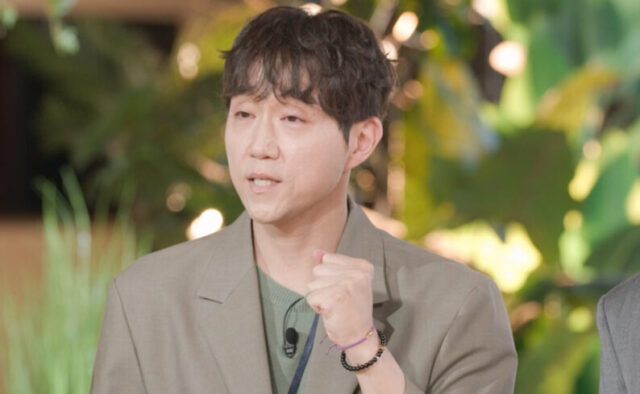
His return to television to share his story is part of a broader discourse on the "human" side of Hallyu stars. It prompts a discussion on the working conditions within the industry, where high-stress environments and lack of rest can exacerbate underlying health issues. While there is no direct evidence that the rigors of filming caused Choi’s illness, the industry-wide conversation regarding the health of its workers continues to evolve.
Conclusion and Future Outlook
Choi Sung Won’s declaration of a full recovery marks the beginning of a new chapter in his life and career. His journey from the beloved No-eul of Reply 1988 to a two-time cancer survivor has transformed him into a symbol of perseverance. By sharing the depths of his pain and the moments of existential doubt, he has bridged the gap between the celebrity and the audience, evoking a profound sense of empathy.
As he prepares to return to acting with a renewed sense of purpose, the industry and his fans look forward to seeing how his life experiences will inform his future performances. The "expressions" he analyzed in the hospital ward may one day find their way onto the screen, providing a level of depth and authenticity that only a survivor can offer. Choi Sung Won’s story is no longer just about a battle with a disease; it is a narrative of reclamation—of his health, his career, and his identity as an artist who refused to let his passion be extinguished by even the most daunting of odds.