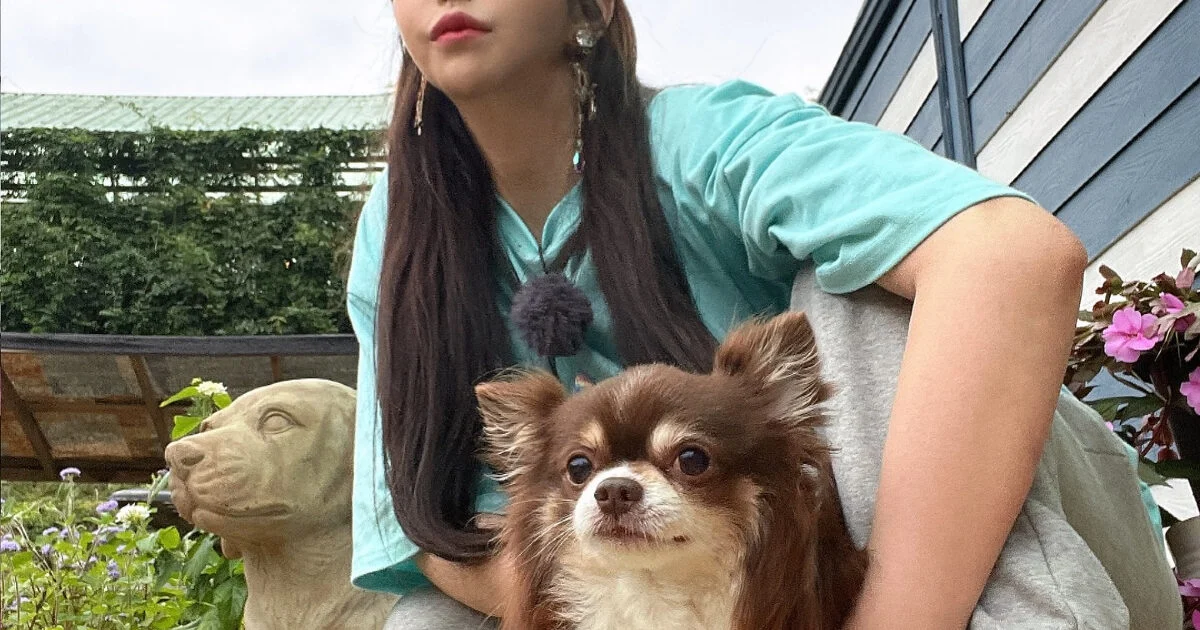
In a candid discussion that has captured the attention of the South Korean entertainment industry, the pioneering transgender entertainer Harisu recently shared insights into her experiences with high-profile male celebrities during the early stages of her career. Appearing as a guest on a YouTube program hosted by her long-time friend and television personality Ahn Sun Young on August 7, the star revealed that several "top-tier" actors had actively pursued her romantically, a topic she had previously kept private for over two decades.
The interview, which functioned as a retrospective of Harisu’s career and personal life, delved into the intense public and private attention she received following her explosive debut in the early 2000s. Harisu, whose real name is Lee Kyung-eun, became a household name almost overnight, and with that fame came significant interest from some of the most prominent figures in the Korean film and television industries.
Details of the Revelation
During the segment, Ahn Sun Young initiated the conversation by recalling the sheer volume of male attention Harisu attracted at the height of her popularity. Ahn noted that men would frequently "follow her around annoyingly," highlighting the magnetic pull Harisu had within the celebrity circuit. In a lighthearted attempt to probe deeper, Ahn suggested they discuss these past suitors using only their initials to maintain confidentiality while satisfying public curiosity.
After a brief moment of hesitation, Harisu confirmed the accounts, identifying three specific individuals as "Mr. S," "Mr. L," and "Mr. K." She categorized all three as "top stars," a term usually reserved in South Korean media for actors who command leading roles in major cinematic productions or high-rating television dramas. Harisu emphasized that these were not merely casual acquaintances but individuals who had shown genuine and persistent interest in her.
Ahn Sun Young added further context to the era, recalling rumors that circulated when Harisu would return from international schedules. "When you came back from overseas activities, people around us would always ask, ‘Didn’t someone ask you out to dinner?’" Ahn remarked. Harisu responded with a mix of humor and modesty, noting that while the attention was real, she was careful about how she managed her public image. "When people say things like that, it makes me sound too promiscuous," she joked, before clarifying that the stories of her being pursued and her actual dating history were distinct narratives. She underscored the significance of the moment by stating, "I’ve never talked about this before."
Harisu: A Pioneer in the South Korean Cultural Landscape
To understand the weight of these revelations, it is necessary to examine Harisu’s unprecedented role in South Korean society. Born in 1975, Harisu underwent gender affirmation surgery in the late 1990s while living in Japan. She returned to South Korea and debuted in 2001 as a model for DoDo Cosmetics. Her first commercial, which featured a close-up of her face followed by a shot of her Adam’s apple (achieved through cinematic effects), became a national sensation.
At the time, Harisu was the first transgender entertainer in South Korea to achieve mainstream success. Her debut occurred during a period when South Korean society was significantly more conservative regarding LGBTQ+ issues than it is today. Despite the potential for backlash, Harisu’s beauty, talent, and poise made her a sought-after figure in commercials, music, and film.
In 2002, she made history by becoming the second person in South Korea to legally change their gender on official documents. The Incheon District Court’s decision to recognize her as female was a landmark ruling that paved the way for future legal reforms regarding the rights of transgender individuals in the country. This legal victory, combined with her success as a singer and actress, solidified her status as a cultural icon.
The Chronology of Harisu’s Rise and Global Influence
The timeline of Harisu’s career illustrates why she was such a figure of fascination for top-tier actors:

- 2001: National debut via the DoDo Cosmetics "Red Clog" advertisement. She releases her first studio album, Temptation, which becomes a commercial success.
- 2002: Successful petition to the Incheon District Court for a legal gender change. She stars in the film Yellow Hair 2.
- 2004: Harisu expands her career into the Chinese and Taiwanese markets, starring in the film Color Blossoms and various television dramas, becoming one of the early leaders of the "Hallyu" (Korean Wave) in the Greater China region.
- 2007: She marries singer Micky Jung in a high-profile ceremony that was widely covered by the media, challenging societal norms regarding transgender marriage.
- 2017: Harisu and Micky Jung announce their divorce after ten years of marriage, maintaining a respectful relationship that was praised for its maturity.
- 2020s: Harisu remains an active media personality, frequently appearing on variety shows and digital platforms to discuss her life and advocate for the LGBTQ+ community.
Societal Context and the "Initial" Culture in Korean Media
The use of initials such as "Mr. S" or "Mr. L" is a common practice in South Korean entertainment reporting and variety shows. This cultural phenomenon, often referred to as "blind items," allows celebrities to share anecdotes about their peers without risking legal repercussions or direct defamation lawsuits. South Korea has stringent defamation laws where even truthful statements can be grounds for legal action if they are deemed to have damaged a person’s social standing without serving the public interest.
The revelation that "top stars" pursued Harisu is significant because it challenges the historical narrative of the early 2000s. While the public may have been divided on the acceptance of transgender individuals, Harisu’s disclosure suggests that within the elite circles of the entertainment industry, she was viewed as a peer and a desirable partner. This nuance provides a more complex picture of the private lives of celebrities versus their public-facing personas during that era.
Supporting Data on LGBTQ+ Visibility in South Korea
While Harisu was a lone pioneer in 2001, the landscape of LGBTQ+ visibility in South Korea has evolved, albeit slowly. According to data from the Pew Research Center, acceptance of homosexuality in South Korea has seen a gradual increase, rising from 18% in 2007 to 44% in 2019. However, the transgender community continues to face significant hurdles.
A 2021 survey by the National Human Rights Commission of Korea found that 65.3% of transgender respondents had experienced discrimination in the past year. In this context, Harisu’s continued presence in the media and her willingness to speak openly about her past serves as a vital point of representation. By discussing her experiences with top actors, she reclaims a narrative of desirability and agency that is often denied to transgender women in media portrayals.
Broader Implications and Media Analysis
The reaction to Harisu’s YouTube appearance has been largely positive, with netizens praising her honesty and her enduring friendship with Ahn Sun Young. The segment reflects a broader shift in how veteran celebrities engage with their audiences through digital platforms. YouTube has become a space where stars can bypass the rigid structures of traditional broadcast television, allowing for more intimate and unscripted conversations.

From a journalistic perspective, Harisu’s revelation serves two purposes. First, it acts as a piece of nostalgia for the "Golden Age" of the Hallyu wave, sparking curiosity about which actors from that era were involved. Second, it humanizes a figure who has often been treated as a spectacle or a political talking point. By focusing on her personal experiences with romance and courtship, the interview centers Harisu’s humanity.
The mention of "Mr. S, Mr. L, and Mr. K" will likely lead to speculative discussions on Korean online forums, as fans attempt to cross-reference Harisu’s peak activity years with the schedules of top actors of the time. However, Harisu’s decision to withhold names ensures that the focus remains on her journey rather than becoming a source of scandal for others.
Conclusion: A Legacy of Resilience
Harisu’s appearance on Ahn Sun Young’s channel is a reminder of her lasting impact on the South Korean entertainment industry. As the first transgender person to achieve such a high level of fame in Korea, she did not just participate in the culture; she changed it. Her disclosure about the top stars who pursued her adds a layer of glamour and validation to a career that was built on breaking barriers.
As South Korea continues to navigate the complexities of gender identity and human rights, Harisu remains a central figure in the conversation. Whether through legal battles or candid YouTube interviews, her life continues to challenge the status quo, proving that visibility is a powerful tool for societal change. Her story, marked by both the "annoying" persistence of suitors and the groundbreaking nature of her legal victories, remains one of the most compelling narratives in the history of modern Korean celebrity culture.