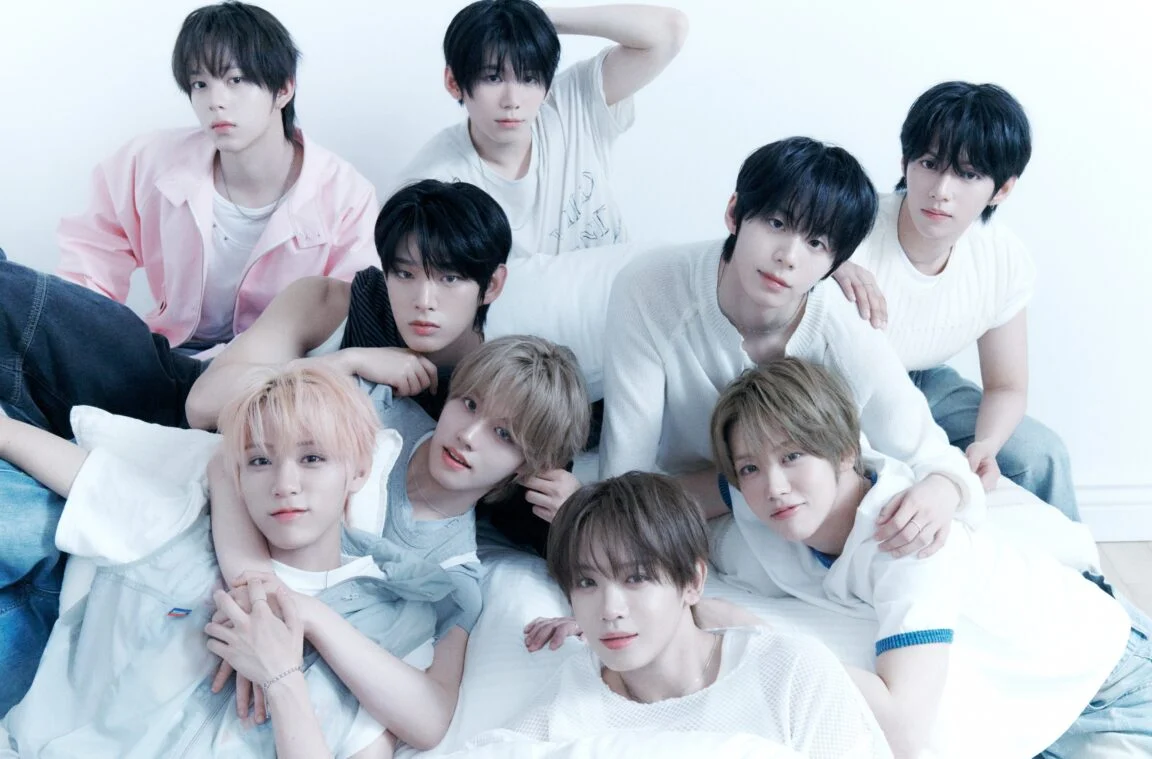
As the K-pop industry navigates its annual summer season, July consistently emerges as a pivotal month for comebacks, characterized by a vibrant array of concepts that push artistic boundaries. Far beyond the conventional beach-themed visuals, this period invites experimentation, from effervescent electro-pop anthems to chilling horror concepts designed to offer a different kind of relief from the heat. The releases observed this July exemplified this dynamic approach, showcasing meticulously crafted music videos, unexpected genre explorations, and strategic reinterpretations of established classics, underscoring the industry’s continuous evolution and adaptability.
The Enduring Allure of K-pop Summer Comebacks
The summer comeback season holds a unique place in the K-pop calendar, often serving as a crucible for innovation and a barometer for emerging trends. Historically, this period has seen artists leverage the vibrant energy of summer to introduce fresh sounds, visually striking aesthetics, and novel narratives. From the early 2010s’ bright, energetic releases to the more nuanced and genre-bending concepts of today, summer has consistently been a time when K-pop acts aim to capture the public’s imagination with high-impact productions. This year, July’s offerings further solidified this tradition, demonstrating a conscious effort by artists and labels to transcend typical seasonal tropes and deliver diverse, memorable content. The competitive landscape of the K-pop industry necessitates such creative differentiation, with groups and soloists vying for attention in a crowded market. Data from previous years indicates a significant spike in digital single releases and album sales during the summer months, reflecting heightened fan engagement and consumption.
Sunmi’s "Forever July": A Poignant Portrayal of Korean Summer
Among the month’s notable releases, Sunmi’s "Forever July" distinguished itself through its profound capture of the unique complexities of Korean summer. Released early in the month, the track and its accompanying music video offered a visceral representation of jangma, Korea’s monsoon season. This period, characterized by persistent rain, humidity, and sweltering heat, presents a paradox of misery and subtle beauty. Sunmi’s MV masterfully illustrates this duality, depicting water droplets on a leaky ceiling, broken umbrellas, and the pervasive smoke of mosquito coils, alongside the stifling heat. These elements are woven into a narrative hinting at a fragile interpersonal relationship, mirroring the unpredictable nature of the season.
The visual storytelling of "Forever July" is further enhanced by a recurring circular motif, symbolizing the cyclical nature of both the weather and emotional states. Coils and spirals appear throughout, correlating with the gradual deterioration of the weather and the appearance of mold, a common summer phenomenon in humid climates. Sunmi’s performance within the MV reflects a journey from infatuation and self-questioning ("Do I really want you? Do I really need you?") to eventual surrender. Her battle against the physical elements—a broken umbrella, humidity-curled hair, a malfunctioning phone—culminates in her embracing the rain, symbolizing an acceptance of an inescapable cycle.
Aesthetically, the MV’s pastel and blue color palette creates a dreamy, hypnotic atmosphere that perfectly complements the synth-driven track. The choreography, particularly the overhead shots of opaque plastic umbrellas twirling against the ripples on a black studio floor, draws evocative comparisons to melancholic interpretations of "Singin’ in the Rain." The song concludes with the line, "This summer day is so cruel," a sentiment that resonates deeply with the Korean experience of jangma. Yet, as the article notes, there is a romanticized frustration in this cruelty; the eventual clearing of the rain and a fleeting burst of sun foster a peculiar anticipation for its return, often with improved preparedness. Sunmi, a veteran artist known for her distinctive "Sunmi-pop" sound, continues to impress with her ability to infuse deep cultural and emotional resonance into her music, solidifying her status as a conceptual innovator.
Picheolin (Dino)’s "Crazy Crazy": A Comedic Trot Revelation
July also witnessed a surprising and ultimately successful venture into character-driven music with Picheolin’s "Crazy Crazy." Pledis Entertainment’s decision to launch Seventeen member Dino’s solo mini-album under his popular alter-ego, Picheolin, initially sparked skepticism among fans who yearned for a more direct showcase of Dino’s individual artistry. However, this calculated risk yielded significant dividends, allowing Dino to explore a unique comedic and musical niche that stands apart from typical K-pop releases.
Picheolin, an ahjussi (middle-aged man) character known for confidently dispensing unsolicited advice based on his exaggerated life experiences, originated from Seventeen’s popular variety show, Going Seventeen. His appeal lies in Dino’s complete immersion in the role, expertly balancing familiarity with parody. The character taps into a universally recognizable archetype within Korean society, making his antics relatable and genuinely humorous. Dino, despite being in his late twenties, demonstrates remarkable skill in embodying and gently satirizing the older generation.
The musical choices for Picheolin’s debut, specifically the fusion of trot and electronica, further underscore the character’s persona. "Crazy Crazy" became a standout track, featuring Picheolin’s outlandish attempts to rekindle a recently broken-up couple’s romance from his eccentric taxi cab. Each of his schemes, while perceived as successful by Picheolin, leads to comical disasters—a woman sneezing due to flowers, another choking on a ring, and a strength-testing attempt devolving into a fight. Picheolin’s endearing blindness to his failures, driven by a sentimental belief in love and a desire to share it with the younger generation, forms the core of the MV’s humor.
Pledis Entertainment’s meticulous attention to detail in the MV’s settings—such as a mountaintop park and a dabang (traditional coffee shop), quintessential ahjussi haunts—was widely lauded. Elements like hula-hooping elders, the taxi’s interior decorations, and the cafe’s plastic persimmons were all meticulously crafted to enhance the parody. Beyond the comedic elements, the track itself is a robust trot song, showcasing Dino’s vocal prowess, which, as noted, could credibly feature on a show like Mr. Trot. The lyrics are appropriately cheesy ("You left flowers blooming in my heart/Only you could ever make me feel better") while also incorporating humorous lines ("tears run, nose runs, tears run"). This debut not only entertained a younger audience with its parody but also offered a well-executed musical tribute to a genre often associated with an older demographic, marking a refreshing and unexpected highlight of July.
Rescene’s "Pretty Girl": The Power of Viral Momentum and Strategic Reimagining
The narrative of Rescene’s meteoric rise in July serves as a compelling case study in the power of organic viral marketing and strategic music releases. Prior to this summer, Rescene, despite two years in the industry and a "stellar discography" according to some critics, was not a household name. Their breakthrough began subtly in February with member Woni’s YouTube channel, which gradually cultivated a loyal following among Korean netizens. Woni’s vlogs, particularly those featuring Minami’s captivating gyaru persona and cameos from other members, generated significant curiosity and support. This grassroots momentum culminated in their 2025 track "Love Attack" unexpectedly topping the Melon 100 chart nearly two years after its initial release, a rare feat for a small agency group.
This "small agency miracle" presented The Muze Entertainment with a critical juncture: how to capitalize on this newfound goodwill and sudden public interest. Their decision to release a cover of Kara’s 2008 hit, "Pretty Girl," proved to be a stroke of marketing genius. By reimagining a beloved girl-group classic, Rescene instantly connected with a broader audience who might not have been familiar with their original music but recognized the iconic track. This move served as an accessible entry point, allowing the members’ charms to resonate with new listeners. Further amplifying their strategic impact, guest appearances by original Kara members during Rescene’s music show performances solidified their place within the established girl group canon, bestowing a powerful endorsement.
The "Pretty Girl" MV itself, a digital single release, wisely focuses on showcasing the members directly, departing from the group’s established lore and intricate narratives seen in MVs like "Runaway." The visual style, featuring youthful dancing in a house setting and cute animations, pays homage to the original MV’s aesthetic. This approach, while seemingly standard, was strategically sound, conserving resources for future, higher-stakes comebacks while maintaining the group’s viral momentum. Rescene’s journey underscores the evolving landscape of K-pop success, where digital content and authentic member-fan interactions can propel groups to unexpected heights, posing both opportunities and challenges for long-term sustainability.
Yeonjun’s "Ice Cream": A Shift Towards Radio-Friendly Experimentation
TXT’s Yeonjun, known for his adventurous solo endeavors, continued his trajectory of artistic exploration with the July release of "Ice Cream," the title track from his EP No Labels Part 2. This release marked a deliberate shift towards a more "radio-friendly" sound, contrasting with the polarizing genre conventions challenged by his debut solo EP, No Labels: Part 1, and its cinematic title track "Ggum." While "Ggum" and the artistic "Talk To You" explored less accessible musical territories, "Ice Cream" leaned into R&B and hip-hop influences, aiming for broader appeal without sacrificing Yeonjun’s distinct artistic identity.
"Ice Cream" stands as Yeonjun’s most conventional solo offering to date, relying on a robust beat, a sparse melody, and his inherent charisma to create its groove. The MV, filmed in Prague amidst sweltering summer heat, eschews a complex plot in favor of highlighting Yeonjun’s formidable performance abilities and choreography, which he helped create. The dance moves, while potentially appearing unconventional for a layperson, are executed with an effortless cool by Yeonjun and his professional dance team, embodying a refreshing and somewhat unconventional vibe. This ease and self-assuredness distinguish "Ice Cream" from his previous, more intense solo works.
The track’s appeal lies in its infectious quality, designed to be catchy and suitable for public spaces, much like background music in convenience stores. While its lyrical metaphors might require some consideration, the song’s primary function is to evoke a summery, feel-good atmosphere. Yeonjun, already acclaimed for his vocal prowess within TXT, demonstrates a willingness to push artistic boundaries by embracing a more conventional sound. This move paradoxically serves as another form of experimentation, showcasing his versatility and ability to excel across different musical styles. "Ice Cream" effectively expands Yeonjun’s musicality and potential audience, proving his capacity to deliver both edgy artistic statements and accessible summer bops, a significant development in his solo career.
fromis_9’s "Vitamin Me": A Playful Concept with a Digital Caveat
fromis_9’s July comeback with "Vitamin Me" demonstrated their adeptness at embracing prevalent summer trends, specifically the "citrus concept" popular among girl groups, while distinguishing themselves sonically. Following their departure from Pledis Entertainment in 2024 and subsequent regrouping as a five-member act under ASND, fromis_9 has experienced a revitalized period. This shift brought them their first music show win for "Like You Better," a world tour, and a Japanese debut, though Korean releases had become somewhat sporadic, leading to fan anticipation. The announcement of their June EP, Glow Me, was thus met with relief.
True to fromis_9’s established strengths, the standout element of "Vitamin Me" is the song itself. Its unconventional, bouncy, and playful melody keeps listeners engaged, while the lyrics are flirtatious and fun. The comparison of themselves to vitamins is apt, as the track delivers an instant energy boost perfectly suited for summer. Notably, the song also features a full bridge and runs over three minutes, a welcome deviation from the shorter track lengths increasingly common in K-pop.
However, the music video for "Vitamin Me" presented a mixed reception, primarily due to its use of generative AI. On the surface, it appears as a conventional K-pop summer MV with parasols, swimsuits, and fruit montages—all contributing to a cute aesthetic. The initial intention, likely to add whimsy and manage budget constraints on extras, quickly becomes problematic upon closer inspection. The MV, credited to 999Yard Studio, features uncanny and distracting AI-generated elements: individuals lifting weights in a boxing arena, someone swimming on a traffic barricade, a man fishing on a paved track without a line, and a barbershop sign amidst exercise equipment. These incongruities create a sense of unease, as "something feels off," detracting from the overall "summer magic" of the release. This instance highlights the growing prevalence of generative AI in K-pop production and the ongoing debate surrounding its ethical and aesthetic implications, particularly when it compromises visual coherence and audience immersion.
Ahof’s "Run To You": Rookie Ambition in Pop-Rock Experimentation
Rookie group Ahof, having debuted in July 2025 with "Rendezvous," continued to carve out their niche within the pop-rock sound, primarily collaborating with producer El Capitxn. Their brief discography showcases a flexibility between upbeat romantic tracks and more angsty, emotional releases. For their July title track, "Run To You," Ahof opted for a brighter concept, diverging from the heavier rock sounds of their previous release, "Pinocchio." This decision carried the inherent risk of blending into the wave of upbeat boy group summer comebacks, especially after the questionable pre-release "Sugar High," which significantly deviated from their established sound.
Despite these challenges, "Run To You" emerged as a well-executed example of summer boy-group synth-pop. Its light yet dynamic composition and punchy synth base left a distinctive mark. The saccharine lyrics, focusing on devotion, are translated quite literally in the MV, with members frequently depicted running, emphasizing visual appeal and choreography over complex storytelling. While lyrically straightforward, the track feels a step more mature than their earlier release, "The Universe," both in concept and sound. This visible growth within their first year is an exciting prospect for the group.
Ahof’s trajectory suggests continued room for experimentation within the pop-rock genre. The group’s ability to move between different stylistic interpretations while maintaining a core sound is commendable. The critical reception suggests that as long as they refine their sound and avoid missteps like "Sugar High," there is considerable potential for this rookie group to establish a lasting presence in the K-pop landscape. Their July comeback demonstrated their commitment to evolving their artistry while still appealing to the seasonal trends.
Broader Implications and Industry Trends
July’s K-pop comebacks underscored several critical trends shaping the industry. The diversification of "summer concepts" beyond traditional lighthearted themes highlights a growing artistic maturity and a desire to connect with audiences through varied emotional landscapes. Sunmi’s nuanced portrayal of jangma and Picheolin’s comedic exploration of cultural archetypes demonstrate the power of deeply embedded cultural references in K-pop.
The success of Rescene through organic viral marketing and strategic covers illustrates the dynamic nature of K-pop promotion, where digital platforms and fan engagement can create unexpected breakthroughs, challenging conventional agency-driven success models. This also signals a renewed interest in classic K-pop tracks, providing new groups with a pathway to introduce themselves to a wider audience through familiar melodies.
Conversely, fromis_9’s "Vitamin Me" brought to the forefront the increasing integration of generative AI in music video production. While offering cost-saving and creative possibilities, its current limitations, particularly in creating seamless and coherent visuals, raise questions about artistic integrity and audience experience. The industry will likely continue to grapple with how to harness AI’s potential without compromising the human touch that often defines K-pop’s appeal.
Finally, the solo ventures of established group members like Yeonjun, and the debuts of rookie groups like Ahof, highlight the continuous cycle of talent development and genre exploration. Artists are increasingly encouraged to experiment with their individual sounds, expanding their musicality and drawing in diverse fan bases. The strategic choices made by labels, whether it’s embracing alter-egos or leaning into radio-friendly sounds, reflect a responsive approach to market demands and artistic growth.
In conclusion, July’s K-pop releases offered a rich tapestry of creativity and strategic innovation. From poignant cultural commentary to comedic genre-bending, and from viral sensations to technologically infused visuals, the month reaffirmed K-pop’s reputation as a global entertainment powerhouse constantly pushing the boundaries of musical and visual artistry. The diverse approaches seen this summer set a compelling precedent for the evolving landscape of the industry.