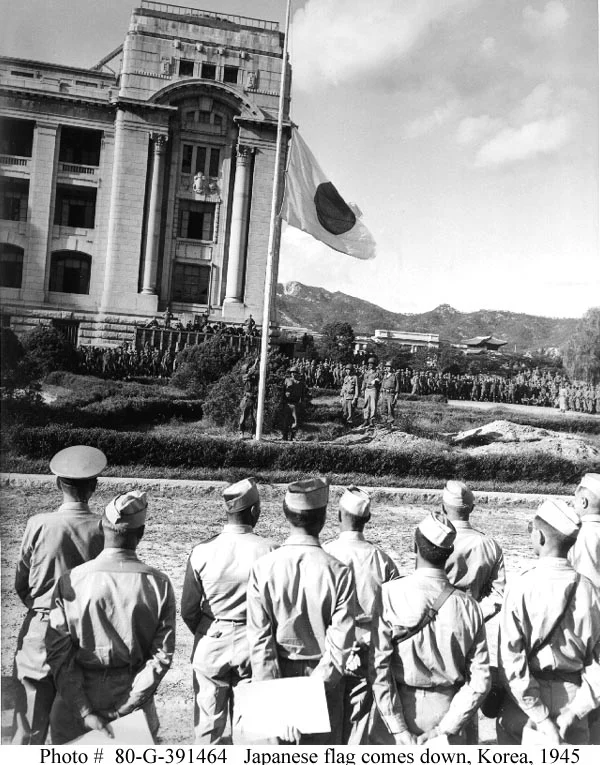
The unveiling of North Korea’s first domestic smartphone, the Arirang, marks a significant moment in the reclusive state’s attempt to project a modern image while simultaneously tethering its technological aspirations to a deeply rooted national identity. Named after the iconic Korean folk song, the device represents more than just an entry into the mobile communications market; it serves as a symbolic bridge between the Democratic People’s Republic of Korea’s (DPRK) rigid political ideology and the shared cultural heritage of the entire Korean peninsula. While the smartphone’s technical specifications may appear modest by global standards, its branding offers a profound look at the socio-cultural fabric of East Asia, where history, nationalism, and modern technology frequently collide.
The Launch of the Arirang Smartphone
In mid-2013, North Korean state media, the Korean Central News Agency (KCNA), released a series of images and reports detailing a visit by Supreme Leader Kim Jong-un to the "May 11 Factory." During this inspection, the leader was shown praising the production of the Arirang AS1201, a touch-screen device purportedly manufactured entirely within the country. Kim Jong-un emphasized the importance of using domestic technology to bolster national pride, stating that the production of such devices is essential for the North Korean people to lead a "highly civilized" life.
However, international technology analysts quickly noted that the Arirang was likely not a homegrown innovation. Evidence suggests the device is a rebranded version of a Chinese-manufactured smartphone, specifically the Uniscope U70, which was shipped to Pyongyang for final assembly or simply for packaging and software installation. Despite these claims of "domestic production," the choice of the name "Arirang" was a calculated move to resonate with the Korean people’s sense of history and emotional resilience.
The Cultural Significance of Arirang
To understand why the name "Arirang" carries such weight, one must examine its role in the collective Korean psyche. The song is often referred to as the unofficial national anthem of both North and South Korea. Unlike the official South Korean anthem, "Aegukga" (The Song of Love for Country), which is characterized by its formal, western-influenced brass instrumentation and patriotic fervor, "Arirang" is a simple folk melody that transcends political boundaries.
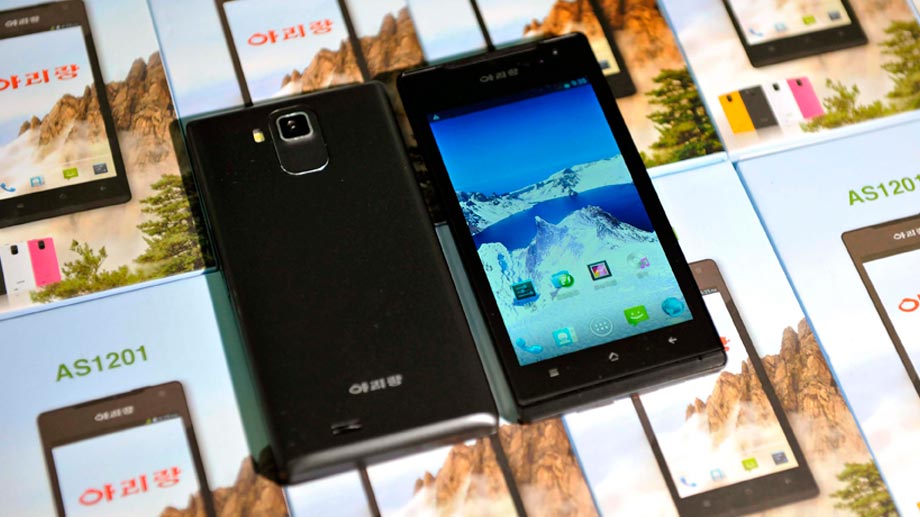
The lyrics of "Arirang" are deceptively simple, often described by scholars as nonsensical or fragmented. Most versions tell the story of a traveler crossing the "Arirang Pass," lamenting a lost lover. Despite this lack of overt political messaging, the song became a symbol of national resistance during the Japanese colonial occupation (1910–1945). During this period, the song served as a "national archive" where the historical trauma and emotions of the Korean people were deposited. It was a way for Koreans to express their identity and sorrow under the shadow of foreign imperialism.
In 2012, following a concerted effort by the Republic of Korea (ROK) government, "Arirang" was added to UNESCO’s List of the Intangible Cultural Heritage of Humanity. Two years later, the DPRK successfully petitioned to have its own version of the song added to the list as well. This dual recognition highlights the unique position the song holds: it is a rare point of cultural consensus in a region defined by decades of military and ideological hostility.
Chronology of Cultural and Technological Tensions
The development of the Arirang smartphone must be viewed through a timeline of regional tension and the competition for legitimacy on the peninsula:
- 1910–1945: The Japanese Empire occupies the Korean Peninsula. "Arirang" rises in popularity as a song of mourning and resistance.
- 1945–1953: Liberation is followed by the division of the peninsula and the Korean War, cementing the North-South split.
- 1960s–1990s: South Korea undergoes the "Miracle on the Han River," evolving into a global technology powerhouse led by giants like Samsung and LG.
- 2012: UNESCO recognizes "Arirang" as an intangible cultural heritage for South Korea.
- 2013: North Korea launches the Arirang smartphone, attempting to claim a stake in the digital age while utilizing the folk song’s name to invoke nationalist sentiment.
- 2014: UNESCO recognizes the North Korean version of "Arirang," acknowledging the song’s universal importance to the Korean people.
The Paradox of Modern Korean Identity
The North’s attempt to brand a smartphone after a traditional folk song mirrors a broader trend in East Asian geopolitics: the use of "soft power" and cultural heritage to navigate modern rivalries. While South Korea has successfully exported its culture through the Hallyu (Korean Wave), North Korea has remained largely isolated. However, the influence of South Korean pop culture—K-Dramas and K-Pop—has seeped into the North through illegal smuggling and border-region radio broadcasts.
Reports indicate that despite the risk of severe punishment, South Korean media is highly sought after in North Korea. In response, the Kim Jong-un administration has attempted to create its own versions of modern pop culture, such as the Moranbong Band, an all-female group that blends traditional themes with modern pop aesthetics. The Arirang smartphone is a continuation of this strategy—providing a controlled, "socialist-approved" version of modern convenience that mimics the high-tech lifestyle seen in the South.

Economic Rivalries and Technological Sovereignty
The competition between the two Koreas is not limited to military maneuvers or cultural claims; it is increasingly defined by technological sovereignty. South Korea’s Samsung is currently the world’s leading smartphone manufacturer, a fact that undoubtedly irks the leadership in Pyongyang. By releasing the Arirang, the DPRK is attempting to signal to its citizens that they, too, are capable of participating in the digital revolution, even if the underlying hardware is imported.
This technological rivalry also extends to Japan. The relationship between Seoul and Tokyo remains strained by historical grievances, such as the Liancourt Rocks (Dokdo/Takeshima) territorial dispute and the legacy of "comfort women." Yet, despite these diplomatic rifts, the economic and cultural exchange between Japan and South Korea is massive. Sony and Samsung compete fiercely for market share, yet Japanese audiences remain among the most dedicated consumers of K-Pop.
North Korea’s choice of the name "Arirang" for its smartphone is thus a subtle jab at both its neighbors. It asserts a "pure" Korean identity that predates the division of the country and the "corrupting" influences of Western-aligned South Korean or Japanese commercialism.
Expert Analysis and Implications
Analysts suggest that the Arirang smartphone is less about telecommunications and more about internal surveillance and propaganda. The device operates on a modified version of the Android operating system, likely stripped of features that would allow access to the global internet. Instead, it connects to the North Korean intranet, "Kwangmyong," where content is strictly curated by the state.
"The branding is genius from a domestic propaganda standpoint," notes one regional analyst. "By naming the phone Arirang, the government is telling its people that this technology is an extension of their soul and their history. It makes the device feel familiar and patriotic, rather than like a foreign tool of the elite."
The implications of this branding strategy are significant. It suggests that the North Korean leadership recognizes that it cannot keep the digital age at bay forever. Instead, it must find ways to "Koreanize" technology, ensuring that modern tools serve the state’s narrative of self-reliance (Juche).
Conclusion: A Shared Aesthetic in a Divided Land
The Arirang smartphone may be a modest, likely rebranded piece of hardware, but its existence highlights the enduring power of cultural symbols. Whether it is a folk song from the 19th century or a touch-screen device from the 21st, the name "Arirang" continues to serve as a vessel for Korean identity.
Despite the barbed wire of the Demilitarized Zone and the threat of nuclear escalation, a shared aesthetic remains. North Koreans, South Koreans, and even the Japanese—who once appropriated "Arirang" as a pop hit in the 1930s—all find resonance in the same melodies and cultural markers. This shared heritage suggests that beneath the layers of political ideology and economic competition, there remains a fundamental connection between the people of the region.
As the Korean peninsula continues to navigate its complex future, the Arirang smartphone stands as a testament to the fact that even in the most isolated of nations, the drive for modernity is inseparable from the pull of the past. The song of Arirang, with its themes of loss, endurance, and crossing the pass, remains a fitting metaphor for a people still seeking a way to reconcile their divided history with a rapidly changing world.