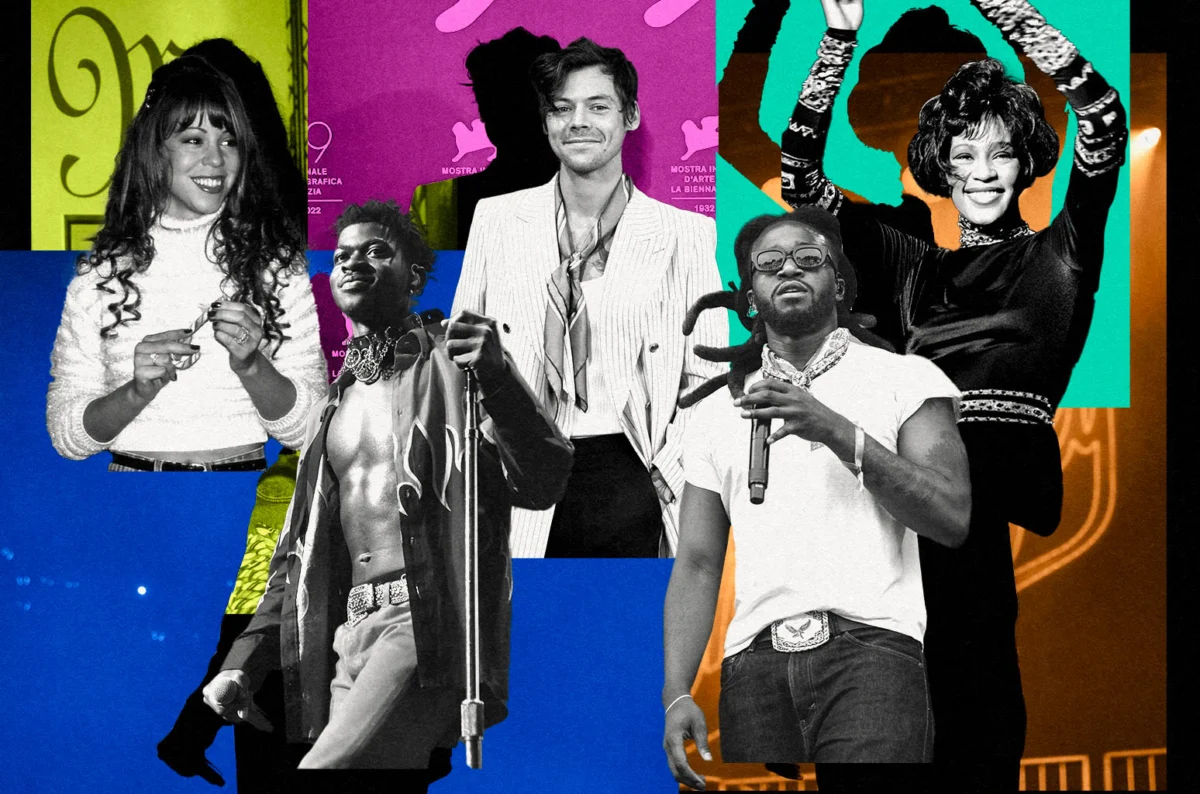
A mere 4% of all Billboard Hot 100 No. 1 hits dating back to the chart’s inception on August 4, 1958, have achieved the remarkable feat of remaining at the top for 10 consecutive weeks or more. This exclusive echelon of enduring chart-toppers represents a significant achievement in the music industry, underscoring the widespread and sustained popularity required to dominate the most influential music chart in the United States.

The Genesis of Extended Chart Dominance
The phenomenon of songs achieving multi-week reigns at the No. 1 position on the Billboard Hot 100 has evolved over the decades, influenced by shifts in music consumption, promotion, and, critically, the implementation of more sophisticated data tracking. While early chart successes were often driven by radio airplay and physical single sales, the advent of digital downloads and streaming has fundamentally altered the landscape of chart performance.
The first song to achieve a sustained double-digit run at No. 1 was Debby Boone’s "You Light Up My Life" in 1977. This inspirational ballad captivated the nation, spending a then-record 10 weeks atop the Hot 100. Its success marked a turning point, demonstrating the potential for a single song to capture the public’s imagination for an extended period.

A Shifting Landscape of Longevity
Following Boone’s groundbreaking achievement, the record for the longest-reigning No. 1 single remained a closely contested mark for years. Olivia Newton-John’s disco-infused anthem "Physical" held the top spot for an impressive 10 weeks during the 1981-1982 chart year. For over a decade, "You Light Up My Life" and "Physical" stood as the benchmarks for chart endurance.
The early 1990s witnessed a significant shift in chart dynamics, partly attributed to the introduction of electronically tracked data by Luminate (formerly Nielsen SoundScan) in late 1991. This more precise measurement of sales and, later, airplay and streaming, provided a clearer picture of song popularity and enabled longer chart runs.

In 1992, the R&B ballad "End of the Road" by Boyz II Men shattered the existing record, commanding the No. 1 position for a staggering 13 weeks. This marked a new era of sustained chart dominance, showcasing the power of a well-crafted ballad with broad appeal.
The reign of "End of the Road" proved to be short-lived. Later in 1992 and into early 1993, Whitney Houston’s powerful rendition of "I Will Always Love You," featured in the film "The Bodyguard," eclipsed Boyz II Men’s record, holding the No. 1 spot for 14 weeks. Houston’s vocal prowess and the song’s emotional depth resonated deeply with audiences worldwide, solidifying its place in music history.

The late 1990s saw another monumental achievement when Mariah Carey and Boyz II Men collaborated on "One Sweet Day." Released in 1995, this heartfelt ballad spent an unprecedented 16 weeks at No. 1 on the Billboard Hot 100. This record stood for over two decades, a testament to the song’s enduring appeal and its ability to connect with listeners across a vast span of time. The success of "One Sweet Day" highlighted the growing impact of collaborations and the sustained power of emotional resonance in achieving chart longevity.
The Digital Era and the Resurgence of Extended Runs
The dawn of the 21st century and the subsequent rise of digital music, followed by the streaming revolution, introduced new variables into the chart equation. While the sheer volume of available music increased, the mechanisms for achieving sustained popularity also evolved.

In 2017, the global phenomenon of "Despacito" by Luis Fonsi and Daddy Yankee, featuring Justin Bieber, tied the 16-week record previously held by "One Sweet Day." This Latin pop mega-hit, with its infectious rhythm and cross-cultural appeal, demonstrated the power of global collaborations and the increasing influence of non-English language music on the U.S. charts. The song’s multi-week dominance was fueled by massive digital sales and a significant surge in streaming numbers, indicating the shifting consumption habits of music listeners.
The following year, in 2019, Lil Nas X’s genre-bending anthem "Old Town Road," featuring Billy Ray Cyrus, redefined chart endurance once again. This viral sensation, which initially gained traction on platforms like TikTok, went on to spend an astonishing 19 weeks at the summit of the Hot 100. "Old Town Road" represented a new model for chart success, driven by internet virality, meme culture, and innovative marketing strategies, proving that a song could achieve record-breaking longevity through unconventional pathways.

The trend of extended chart runs continued into the 2020s. In July 2024, Shaboozey’s country-infused hit "A Bar Song (Tipsy)" matched the 19-week record set by "Old Town Road." This achievement further underscored the evolving musical landscape, where traditional genre boundaries are increasingly blurred, and songs with unique sonic identities can find widespread appeal.
A New Record Holder Emerges
Most recently, Mariah Carey’s iconic holiday classic "All I Want for Christmas Is You" has ascended to a new pinnacle of chart dominance. While a perennial favorite during the holiday season, the song has, since December 2019, consistently returned to the No. 1 position on the Billboard Hot 100, accumulating a remarkable 22 weeks at the top across multiple years. This unprecedented achievement solidifies its status not only as a holiday staple but as one of the most enduring and beloved songs in the history of the Billboard charts. The song’s repeated success highlights the cyclical nature of popularity for certain tracks and the unique power of seasonal songs to re-enter the public consciousness year after year.

The Elite Club of Double-Digit Reign Holders
The achievement of spending 10 or more weeks at No. 1 on the Billboard Hot 100 places a song and its artists in an exceptionally exclusive club. These are not just fleeting hits; they are cultural touchstones that have captured the zeitgeist and maintained their hold on the public’s attention for extended periods. The select group of songs that have achieved this feat, as of the latest data, includes:
- Debby Boone – "You Light Up My Life" (1977) – 10 weeks
- Olivia Newton-John – "Physical" (1981-82) – 10 weeks
- Boyz II Men – "End of the Road" (1992) – 13 weeks
- Whitney Houston – "I Will Always Love You" (1992-93) – 14 weeks
- Mariah Carey & Boyz II Men – "One Sweet Day" (1995-96) – 16 weeks
- Luis Fonsi & Daddy Yankee ft. Justin Bieber – "Despacito" (2017) – 16 weeks
- Lil Nas X ft. Billy Ray Cyrus – "Old Town Road" (2019) – 19 weeks
- Shaboozey – "A Bar Song (Tipsy)" (2024) – 19 weeks (as of initial reporting)
- Mariah Carey – "All I Want for Christmas Is You" (multiple holiday seasons since 2019) – 22 weeks (cumulative)
Analysis of Implications
The consistent emergence of songs with extended chart runs, particularly in the digital age, suggests a few key trends. Firstly, the accessibility of music through streaming platforms allows for sustained engagement with popular tracks. Listeners can repeatedly stream their favorite songs, contributing to their longevity on the charts. Secondly, viral moments, often amplified by social media, can propel songs to unprecedented levels of popularity and sustain that momentum for weeks. Finally, timeless anthems, such as holiday songs, demonstrate a unique ability to re-enter the cultural conversation annually, proving that nostalgia and tradition can also drive chart success.

The Billboard Hot 100, with its evolving methodology, continues to be the ultimate barometer of popular music in the United States. The songs that manage to stay at No. 1 for 10 weeks or more are not merely popular; they are phenomena that have deeply resonated with a vast audience, leaving an indelible mark on music history. As the industry continues to evolve, it will be fascinating to observe which artists and songs will next join this elite group of chart endurance champions.