
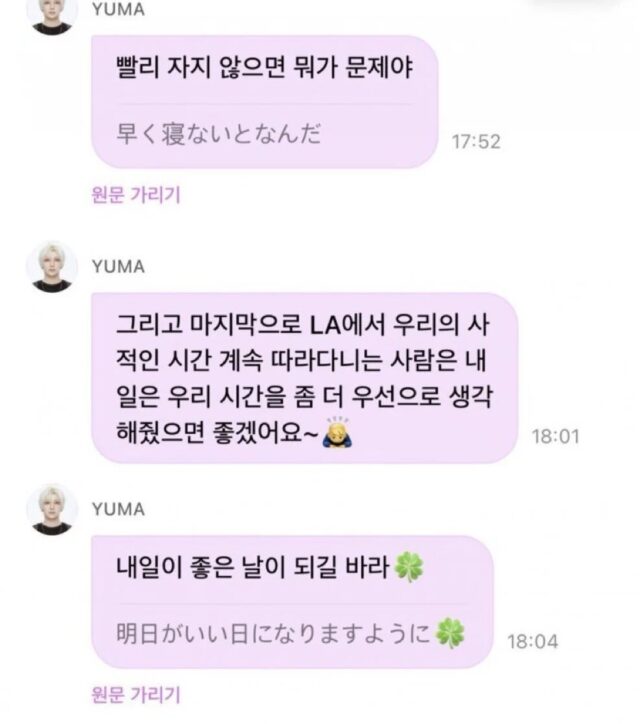
A recent communication from Yuma, a member of the HYBE Labels Japan group &TEAM, posted on a fan messaging platform, has ignited a significant controversy across online communities, leading to widespread condemnation from netizens. The incident, which occurred following the group’s activities in Los Angeles, California, has brought to the forefront delicate issues surrounding idol privacy, fan interactions, and the nuanced dynamics of multi-national K-Pop groups. The core of the backlash stems from Yuma’s decision to switch languages—from Japanese to Korean—within a single message specifically addressing fans who had reportedly followed the group during their personal downtime, an act widely interpreted as a direct public call-out of a particular fan or fansite master.
The Genesis of the Controversy: A Message from Yuma
The incident unfolded shortly after &TEAM concluded a series of engagements in Los Angeles. These activities included a fan sign event and other outdoor schedules. On a fan communication platform, &TEAM’s Yuma posted a message intended for his fanbase. The message, initially in Japanese, transitioned abruptly to Korean when addressing a specific concern, before reverting to Japanese for a general closing remark.

The critical portion of the message, translated, stated:
“(In Korean) Lastly, for those who followed us during our personal time in LA, I hope you will allow us our own time tomorrow. (In Japanese) I hope tomorrow is a good day.”
This linguistic switch immediately drew the attention of fans and observers. In the highly scrutinized world of K-Pop, where fan-idol interactions are meticulously analyzed, such a detail was not overlooked. The prevailing interpretation among online communities was that Yuma deliberately chose Korean to address specific individuals, given that it was known there were both Japanese and Korean fansite masters present during the LA schedules. The implication was that a Korean fansite master had been among those intruding on the group’s private time.
Contextualizing the Event: &TEAM’s Global Activities and Fan Culture
&TEAM, a nine-member boy group formed by HYBE Labels Japan, debuted in December 2022. Comprising members from diverse backgrounds, including Japanese, Korean, and other nationalities, the group aims for a global presence. Their activities in Los Angeles were part of their broader strategy to connect with international fans and expand their footprint. Such overseas schedules often involve a mix of official appearances, promotional activities, and, occasionally, designated personal time for the idols to rest or experience the local culture.

Fan sign events, like the one &TEAM held, are a common and cherished part of K-Pop culture, offering fans a rare opportunity for close interaction with their idols. However, the phenomenon of "sasaengs" – obsessive fans who engage in intrusive and privacy-violating behaviors – remains a persistent challenge for the industry. Sasaeng activities range from stalking and unauthorized photography to extreme measures like trespassing and sharing personal information. Idols frequently express distress over these intrusions, which blur the lines between public performance and private life.
In this specific instance, the presence of two prominent fansite masters—one Japanese and one Korean—during &TEAM’s LA itinerary became a crucial piece of contextual information. Fansite masters, while often dedicated and responsible for high-quality content, sometimes push boundaries in their pursuit of exclusive photos and videos, occasionally venturing into sasaeng-like behavior. The general understanding within the fandom was that the Korean fansite master was among those who had followed the group during their personal time, making Yuma’s Korean-language remark appear directly aimed at them.
The Immediate Aftermath and Netizen Outcry
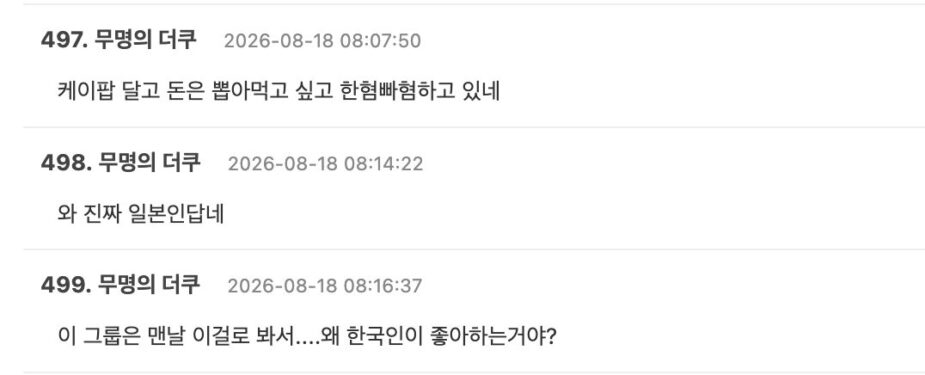
The message quickly circulated across various online platforms, including Twitter (now X), Instiz, and other K-Pop forums. Netizens swiftly reacted, and the overwhelming sentiment was one of disapproval and criticism towards Yuma’s approach.

One widely shared tweet, translated from Korean, encapsulated the prevailing sentiment:
"Everyone knows which Yuma fansite masters went to see him in LA, so if he’s writing that in Korean, then isn’t he calling out that fansite?"
The primary points of contention raised by netizens included:
-
Public Shaming: Many felt that Yuma’s message, particularly the targeted language switch, amounted to publicly shaming a specific fan or fansite. While acknowledging the intrusive nature of sasaeng behavior, critics argued that a public platform used for fan communication was not the appropriate venue for such a direct confrontation. They suggested that official channels, such as management intervention or private warnings, would have been more professional and less damaging.
-
Unprofessional Conduct: Idols are often trained to maintain a professional demeanor, even in the face of difficulties. Yuma’s message was seen by some as an emotional response that lacked the professionalism expected of a HYBE artist. The act of using a public platform for what should arguably be a private matter was deemed inappropriate.
-
Impact on Group Dynamics: &TEAM is a multinational group. Netizens expressed concern that Yuma, being a Japanese member, singling out a Korean fan in Korean could inadvertently create tensions or foster negative perceptions among different fan bases or even within the group itself, particularly towards the Korean members. Some comments indicated a sense of sympathy for the Korean members, who might be unfairly associated with the actions of a single fan.
-
Ineffectiveness of the Method: While Yuma’s intention might have been to deter intrusive behavior, many argued that such a public call-out could exacerbate the situation, potentially provoking the sasaeng further or leading to increased negative attention for the group. It also risked alienating a broader segment of the fanbase who might feel unjustly scrutinized.

Screenshots of Korean netizen comments further illustrated the outrage:
- "Whether it’s right or wrong, idols shouldn’t do this directly. This is why agencies exist."
- "This is really shocking. He should have just told his manager."
- "What about the other Korean fans who didn’t follow them? They’re all getting lumped together."
- "This will just make things worse. HYBE needs to step in."
- "It’s true that sasaengs are a problem, but this isn’t the way to handle it."
Broader Implications: Idol Privacy, Fan Boundaries, and Agency Responsibility
This incident is not isolated but rather indicative of the ongoing struggle within the K-Pop industry to manage the complex relationship between idols and their fans. The rise of social media and direct communication platforms has blurred traditional boundaries, creating both opportunities for closer fan engagement and avenues for increased privacy violations.
Idol Privacy vs. Fan Expectations: Idols, particularly those from major agencies like HYBE, live under intense scrutiny. While fans are crucial to their success, the expectation of constant access and insight into an idol’s life can become overwhelming. The demand for content often drives fansite masters to extreme measures, leading to a vicious cycle where idols feel constantly observed, even during their designated personal time.
The Role of Agencies: Entertainment agencies like HYBE are primarily responsible for protecting their artists, both professionally and personally. This includes implementing robust policies against sasaeng behavior, providing security, and handling direct communications with fans who cross boundaries. Many netizens criticized the perceived failure of HYBE Labels Japan to adequately protect Yuma and his group, forcing him to address the issue directly, or, alternatively, for not guiding him on how to handle such sensitive matters professionally. Agencies typically issue warnings or take legal action against sasaengs, rather than allowing idols to confront them publicly.
The Ethics of Public Call-Outs: While the frustration of idols dealing with sasaengs is understandable, the ethics of public call-outs remain contentious. On one hand, it highlights the severity of the problem and sends a direct message. On the other, it can lead to mob mentality, misidentification, and disproportionate punishment for individuals, some of whom might not be sasaengs but merely overly enthusiastic fans. It also shifts the burden of managing difficult fan behavior from the agency to the idol, potentially increasing their mental and emotional stress.
Multicultural Group Dynamics: For groups like &TEAM, with members and fanbases spanning multiple countries, incidents like this carry additional layers of complexity. Language choices become highly symbolic, and actions can be interpreted differently across cultural contexts. Maintaining harmony within the group and among diverse fanbases requires careful communication strategies.

The Path Forward: Learning from the Incident
As of the immediate aftermath, no official statement from HYBE Labels Japan or Yuma has been released regarding the backlash. However, the incident serves as a crucial case study for the K-Pop industry on several fronts:
- Revisiting Fan Communication Guidelines: Agencies may need to re-evaluate their guidelines for idol communication on fan platforms, especially concerning sensitive topics like privacy violations. Training on appropriate ways to address intrusive behavior, perhaps through indirect messages or official channels, could be beneficial.
- Strengthening Sasaeng Deterrence: While agencies have anti-sasaeng policies, their consistent and effective enforcement remains vital. This includes clear communication of boundaries, swift legal action where appropriate, and visible security measures.
- Prioritizing Idol Mental Health: The constant pressure and lack of privacy can significantly impact an idol’s mental well-being. Agencies must provide adequate support systems and ensure idols feel protected without having to resort to public confrontations.
- Fostering Healthy Fan Culture: Promoting a culture of respect for idols’ personal space and discouraging intrusive behaviors is a collective responsibility of agencies, fandoms, and media outlets.
The controversy surrounding &TEAM’s Yuma underscores the ever-present tension between the adoration of fans and the fundamental right to privacy for public figures. While the intention behind Yuma’s message might have been to assert personal boundaries, the method chosen has sparked a wider debate about idol-fan relationships, the responsibilities of entertainment agencies, and the ethical implications of public call-outs in the digital age. The incident will undoubtedly prompt further discussion within the industry on how to navigate these complex issues more effectively in the future, striving for a balance that protects both the artists and the integrity of the fan-idol connection.