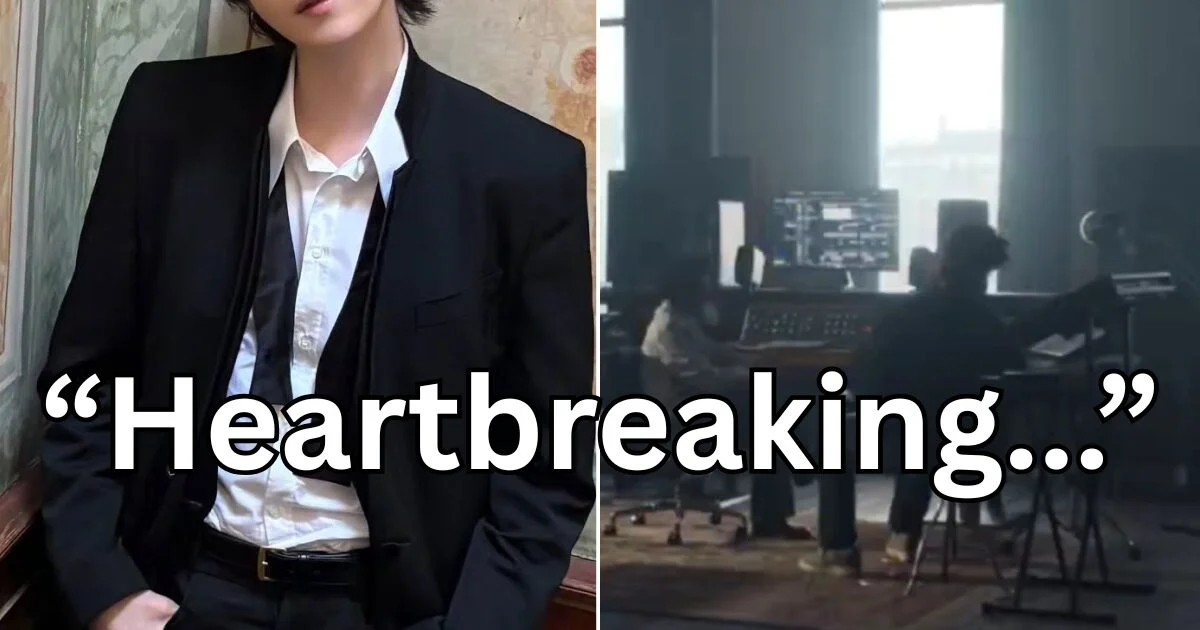
A recent advertising campaign featuring BTS member Suga for Google’s artificial intelligence (AI) platform, Gemini, has ignited a significant backlash among the global ARMY fandom, with many fans describing the promotional video as a "slap in the face" to their years of dedicated, voluntary labor. The controversy, which erupted on August 18, 2026, shortly after the release of individual member advertisements, centers specifically on Suga’s segment, where he is depicted using Gemini to translate Korean song lyrics into English. This particular scenario struck a raw nerve within the fandom, given the historical and ongoing reliance on volunteer fan translators who have been instrumental in BTS’s unprecedented global expansion.
The Genesis of the Controversy: Suga’s Google Gemini Advertisement
The collaboration between Google and the globally renowned K-pop group BTS was intended to highlight the advanced capabilities of Google’s AI, Gemini. As part of this promotional push, a series of solo advertisements featuring each BTS member were released. While all the ads aimed to showcase Gemini’s versatility in various tasks, it was Suga’s specific demonstration that quickly became the focal point of widespread fan discontent. In his segment, Suga utilizes Gemini to effortlessly translate Korean lyrics into English, seemingly illustrating how the AI tool can overcome language barriers in music. The advertisement’s tagline, "Music has no language barriers. Look how SUGA keeps the conversation flowing with Gemini," further emphasized the AI’s role in facilitating cross-cultural understanding.
On the surface, the ad appeared innocuous, a standard celebrity endorsement promoting a cutting-edge technology. However, for millions of ARMYs, particularly those who have dedicated countless hours to learning Korean and translating BTS content for the international community, the message was deeply problematic. The immediate and visceral reaction across social media platforms indicated a profound sense of betrayal and devaluation of their contributions. Tweets and posts swiftly proliferated, expressing heartbreak, anger, and a feeling that their tireless efforts had been dismissed by the very artists they support.
A Fandom’s Foundation: The Unsung Labor of ARMY Translators
To understand the depth of the fan reaction, it is crucial to appreciate the foundational role of fan translators in the K-pop phenomenon, and especially within the BTS ARMY. Long before K-pop achieved mainstream global recognition, and certainly before major entertainment agencies invested heavily in comprehensive, real-time official translation services, it was the passion and dedication of individual fans that bridged the language divide. These volunteer translators, often fluent in multiple languages, meticulously translated everything from song lyrics, interviews, variety show appearances, and social media updates to live broadcasts on platforms like V Live and Weverse.
This labor was not just about literal translation; it involved cultural contextualization, explaining nuances, inside jokes, and Korean societal references that would otherwise be lost on international audiences. This intricate web of fan-generated translations fostered an unparalleled sense of inclusivity and community, allowing non-Korean-speaking fans to connect deeply with BTS’s message, music, and personalities. It was a grassroots movement, driven by love and a collective desire to share their idols’ work with the widest possible audience. These translators often operated with little to no recognition, driven solely by their devotion to the group and the fandom. Their work was, in essence, the backbone of BTS’s early international growth, enabling the group to cultivate a truly global following years before official channels caught up.
Critically, many fans pointed out that even as BTS’s fame skyrocketed and their agency, HYBE (formerly Big Hit Entertainment), grew into a multinational corporation, official translation services often remained inadequate or lagged. Live translations, particularly, were frequently absent or placed behind paywalls, forcing fans to continue relying on the swift and accurate work of volunteer translators. This created a paradoxical situation where fans were performing essential services that the agency itself often failed to provide comprehensively, solidifying the perception that fan labor was not only valuable but indispensable.
The "Slap in the Face" Sentiment: Why Fans Felt Betrayed
The outrage stemmed from several interconnected grievances that crystallized around the "slap in the face" metaphor. For many, Suga’s advertisement, showcasing AI effortlessly performing a task that legions of fans had "busted their ass" to master and provide, felt like a direct invalidation of their years of hard work and emotional investment.
- Undermining Dedication and Skill: Fans spent countless hours, and often significant personal resources, learning Korean specifically to understand and translate BTS content. This was a challenging endeavor requiring linguistic skill, cultural understanding, and immense dedication. The ad, by implying that AI could simply replicate this complex human effort with a few clicks, was perceived as trivializing their expertise and commitment.
- Devaluation of Human Labor: The advertisement seemed to suggest that AI could easily replace nuanced human translation, a field that demands creativity, cultural sensitivity, and an understanding of context far beyond what current AI models can consistently achieve. This sparked fears not only for fan translators but also for professional human translators in general, reflecting a broader societal anxiety about AI’s impact on human employment and creativity.
- Perceived Hypocrisy: BTS’s global success is often attributed to their authentic connection with fans and their meaningful lyrics. The fandom was built on genuine human interaction and mutual effort. To see a member of the group endorse a technology that seemed to negate the very human-centric foundation of their global reach felt deeply contradictory. Fans argued that BTS, more than any other group, should understand and appreciate the human element that fueled their rise.
- Emotional Investment and Unpaid Labor: The translations provided by ARMYs were not just functional; they were acts of love and solidarity. They fostered community and allowed millions to feel closer to the artists. The advertisement, therefore, was not merely a commercial misstep but an emotional slight, suggesting that this deeply personal and impactful contribution was disposable or easily replaceable by a machine. As one fan articulated on social media, "This fandom was built on the hard work and dedication of individual fans that painstakingly and lovingly translated almost every piece of content BTS has put out. Lyrics, lives, posts. This is heartbreaking." Another expressed sorrow for "all our translators," while a third highlighted the irony: "it’s wild that all these ads want to imply they use their product (AI) for tasks that REAL PEOPLE do for them already like you have a translator!!!!" The trending hashtag #ARMYsAgainstAI encapsulated this collective sentiment.
The Broader Implications: AI, Fandom, and the Entertainment Industry
The controversy surrounding Suga’s Google Gemini ad extends beyond the immediate fan reaction, touching upon significant ethical, economic, and cultural implications for the K-pop industry and the entertainment world at large.
The Rise of AI in Media and Entertainment
The integration of AI into various aspects of media and entertainment is an undeniable trend. From content generation and personalized recommendations to deepfake technology and enhanced translation tools, AI promises efficiency and new possibilities. Google’s collaboration with BTS for Gemini is a clear strategic move to position its AI as a leading, user-friendly tool in this evolving landscape. For Google, featuring a globally influential artist like Suga offers unparalleled visibility and legitimizes AI’s role in everyday tasks, including creative ones like music translation.
Ethical Concerns and the Value of Human Creativity
However, this rapid AI adoption also brings a host of ethical concerns to the forefront. The "slap in the face" sentiment among ARMYs is a microcosm of a larger debate about job displacement and the devaluation of human creativity and labor. When AI is presented as a direct replacement for tasks traditionally performed by skilled humans, it sparks anxiety among professionals and volunteers alike. In the context of translation, while AI tools like Gemini can offer quick, functional translations, they often lack the nuance, cultural sensitivity, and emotional depth that a human translator, especially one deeply immersed in the culture, can provide. This raises questions about the authenticity and quality of AI-generated content in creative fields.
Moreover, the incident highlights the ongoing discussion about compensating or acknowledging fan labor. For years, K-pop fandoms have operated as unpaid marketing, promotional, and localization arms for their favorite groups. While this has been a mutually beneficial relationship, driving global growth for the artists and fostering community for fans, incidents like this underscore the fragility of that dynamic when commercial interests appear to disregard the very foundation of fan contributions.
Corporate Strategy vs. Fandom Sensitivity
From a corporate perspective, both Google and HYBE likely viewed this collaboration as a win-win. Google gains a high-profile endorsement for its AI, leveraging BTS’s immense global reach. HYBE, in turn, secures a lucrative partnership for its artists, aligning them with cutting-edge technology. However, the fan backlash suggests a miscalculation in understanding the unique sensitivities of the K-pop fandom, particularly the ARMY. The intricate, almost symbiotic relationship between K-pop idols and their fans means that commercial decisions must be carefully weighed against their potential impact on fan morale and loyalty.
This incident serves as a crucial reminder that while technology offers new avenues for engagement, it cannot entirely replace the human connection that defines K-pop fandom. For agencies managing global artists, the challenge lies in balancing commercial ventures with maintaining the integrity of the artist-fandom bond, especially when that bond is built on years of shared effort and mutual support.

A Timeline of Reaction and Unanswered Questions
The controversy unfolded rapidly:
- August 18, 2026: Google releases individual promotional videos for BTS members endorsing Gemini, including Suga’s segment on AI-powered lyric translation.
- Hours Immediately Following: Social media platforms, particularly X (formerly Twitter), explode with reactions from ARMYs. Hashtags like #ARMYsAgainstAI begin trending globally. Fans share their personal stories of learning Korean and the significance of human translation.
- Ongoing Discontent: The backlash continues to simmer, with fans debating the implications for their contributions and the broader K-pop industry.
- Lack of Official Response: As of the time of reporting, neither Google, HYBE/Big Hit Music, nor BTS members themselves have issued any official statements addressing the fan outrage. This silence, while common in K-pop controversies, often exacerbates fan frustration, leaving questions unanswered and sentiments unacknowledged.
The absence of an official response leaves fans in a state of lingering discontent, questioning whether their concerns are being heard or valued. This silence, while perhaps a strategy to let the controversy die down, can inadvertently deepen the rift between the agency and its most dedicated supporters.
Navigating the Future: AI, Fan Labor, and Artist-Fandom Dynamics
The incident involving Suga’s Google Gemini advertisement serves as a potent case study for the evolving dynamics between artists, agencies, technology companies, and fan communities. As AI continues to advance and integrate into various industries, the entertainment sector, with its deeply personal connections between creators and consumers, will face increasing challenges.
For K-pop agencies like HYBE, the key will be to navigate this technological shift with greater sensitivity to their fan bases. This may involve:
- Explicitly acknowledging and appreciating fan contributions: Regular, genuine recognition of the invaluable role fan translators and other fan laborers play could go a long way in fostering goodwill.
- Investing in official human translation: Rather than solely relying on AI or fan labor, a robust investment in professional, timely, and culturally sensitive human translation services would demonstrate a commitment to accessibility and quality.
- Using AI as an assistive tool, not a replacement: Positioning AI as a complement to human effort, rather than a substitute, could alleviate fears of job displacement and devaluation. For instance, AI could aid human translators in speeding up initial drafts, allowing them to focus on nuanced cultural adaptation.
- Careful messaging in endorsements: Agencies need to conduct thorough due diligence on how endorsements might be perceived by their highly engaged fan communities, especially when the products touch upon sensitive areas like creative labor.
Ultimately, the controversy highlights a crucial juncture. While technology offers unprecedented opportunities for global reach and efficiency, the human element – the passion, dedication, and emotional investment of fans – remains irreplaceable for artists like BTS. For many ARMYs, Suga’s ad was not just a commercial; it was a symbolic disregard for the very foundation of their community. The incident underscores the ongoing need for a delicate balance between commercial ambition and the nurturing of the profound, human connections that define modern fandoms. It is a lesson for the entire entertainment industry on how to honor the past while embracing the future, ensuring that technological progress does not come at the cost of alienating the very people who make global success possible.