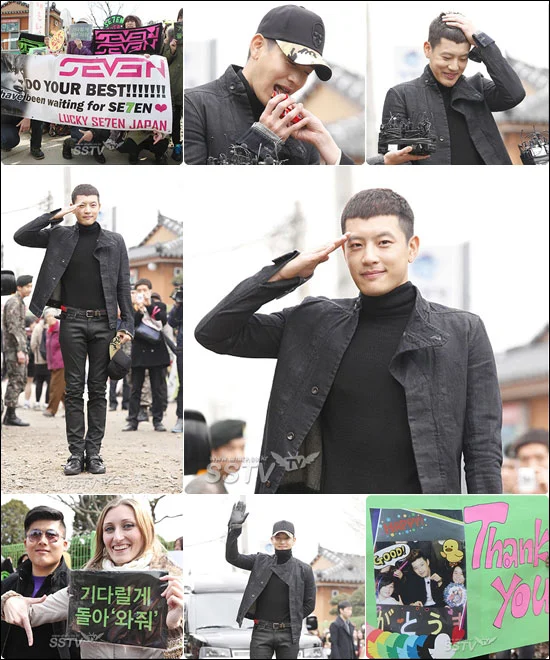
In the Republic of Korea, military service is viewed as an inescapable obligation for all able-bodied male citizens, standing alongside death and taxes as one of life’s few certainties. Since the signing of the 1953 Armistice Agreement, which halted active hostilities but left the Korean Peninsula technically at war, South Korea has maintained a robust conscription system to counter the unpredictable nature of its northern neighbor. For the vast majority of young men, this means dedicating approximately 21 months of their youth to rigorous training and service, often in remote border regions. However, a series of high-profile scandals involving "celebrity recruits"—public relations soldiers serving under the Defense Media Agency—has ignited a national debate regarding the fairness of the conscription system and the perceived double standards afforded to stars.
The controversy reached a boiling point following an investigative report by the SBS program On Site 21, which documented egregious breaches of military protocol by prominent entertainers. The fallout from these revelations has not only tarnished the reputations of the individuals involved but has also forced the Ministry of National Defense (MND) to re-evaluate the very existence of the celebrity soldier unit.
The Geopolitical and Social Context of Conscription
To understand the gravity of the current scandal, one must first consider the societal weight of military service in South Korea. Under the Military Service Act, all men between the ages of 18 and 35 are required to perform compulsory service. While the duration has fluctuated over the decades, the current requirement of 21 months for the Army remains a significant interruption to the education and early careers of young men.
Exceptions are notoriously rare. Only those with severe physical or mental disabilities, certain high-level athletes (such as Olympic medalists or Asian Games gold medalists), and award-winning classical musicians are typically granted exemptions or alternative service. For the general population, fulfilling one’s duty is a non-negotiable prerequisite for social acceptance and professional advancement. Those who attempt to evade the draft face not only legal imprisonment but also permanent social ostracization.
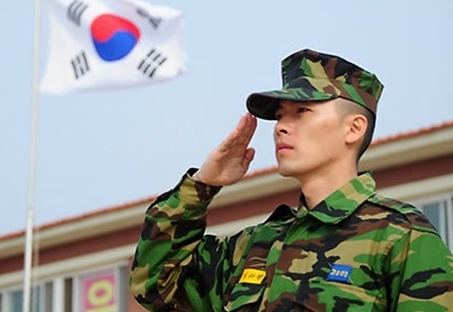
For the modern "digital generation," the transition from a life of high-tech convenience to the Spartan conditions of military barracks is a jarring experience. Conscripts are often stationed in isolated mountainous areas with restricted access to the internet, mobile phones, and civilian luxuries. This shared hardship is traditionally viewed as a "rite of passage" that fosters national unity and egalitarianism. However, the discovery that celebrity soldiers were exempt from many of these hardships has shattered the illusion of a level playing field.
Chronology of the 2013 Celebrity Recruit Scandal
The current crisis began to unfold in early 2013 but reached a crescendo in June of that year. The following timeline outlines the key events that led to the present state of public indignation:
January 2013: The world-renowned singer Rain (Jung Ji-hoon) faced disciplinary action after he was photographed meeting his girlfriend, actress Kim Tae-hee, while on official duty. The incident revealed that Rain had been allowed to wear his military cap improperly and had utilized excessive "official leave" to conduct personal business. The MND issued a light sentence of seven days of confinement, a move that many civilians criticized as a mere "slap on the wrist."
June 25, 2013: Following tips regarding the conduct of PR recruits, SBS’s On Site 21 aired a segment featuring hidden camera footage of several celebrity soldiers after a military-sponsored concert in Chuncheon. The footage showed soldiers, including Se7en (Choi Dong-wook) and Sangchu (Lee Sang-chul) of the group Mighty Mouth, engaging in several prohibited activities.
The Night of the Incident: After the concert, the recruits were seen checking into a motel rather than returning to military quarters. They were filmed wearing civilian clothing, using prohibited mobile phones, and consuming alcohol. Most damningly, at approximately 3:30 AM, Se7en and Sangchu were filmed entering an adult massage parlor known for providing illicit services.

The Altercation: When confronted by SBS reporters upon exiting the establishment, the two soldiers engaged in a physical struggle with the camera crew, attempting to seize the microphones and cameras. This aggressive behavior, caught on film, served as a stark contrast to the humble, disciplined image the military expects its soldiers to project.
The "Knee Therapy" Defense and Institutional Response
In the immediate aftermath of the SBS report, the Ministry of Defense and the representatives of the involved stars attempted to mitigate the damage with explanations that were widely ridiculed by the public. Official statements suggested that the soldiers had visited the massage parlor for "therapeutic purposes" related to knee injuries, a claim that became known colloquially as the "knee therapy" excuse.
Sangchu later attempted to take full responsibility for the incident, stating that as the senior soldier, he had led the younger Se7en to the establishment. However, public sentiment remained fiercely negative. The backlash was further exacerbated when Se7en appeared for a subsequent military investigation wearing civilian clothes, a move perceived as a blatant disregard for military dress codes and authority.
The investigation launched by the MND soon revealed a systemic culture of indulgence within the Defense Media Agency. Evidence surfaced indicating that celebrity recruits were provided with:
- Private gyms and recreational facilities not available to regular soldiers.
- PlayStation consoles, televisions, and personal computers with internet access.
- The ability to maintain a civilian wardrobe for "performance purposes."
- Frequent "performance-related" leaves that far exceeded the standard furlough allotment.
An anonymous recruit, referred to in reports as "Soldier A," defended the unit by claiming that celebrity soldiers worked "harder than frontline troops" due to the frequency of their performances, sometimes cited as up to 20 times a month. This comparison was met with derision from the public, particularly from families of conscripts serving in sub-zero temperatures along the Demilitarized Zone (DMZ).

Comparative Data: PR Recruits vs. Regular Conscripts
The disparity between the two classes of soldiers is supported by internal military data leaked during the investigation. According to reports from the MND’s personnel office, celebrity recruits between 2009 and 2013 received an average of 75 days of leave during their service. In contrast, the average regular soldier received approximately 43 days. Some high-profile stars were found to have spent nearly 20% of their total enlistment period on various forms of leave or "official" out-of-office assignments.
Furthermore, the disciplinary records showed a pattern of leniency. While a regular soldier might face several weeks of hard labor or a demotion for unauthorized cell phone use, celebrity recruits often received warnings or brief periods of "reflection" that did not impact their discharge dates.
Statements and Public Reaction
The public reaction has been characterized by a sense of betrayal. On online portals and social media, South Korean citizens—particularly those who have completed their service—expressed that the PR unit had outlived its purpose.
"The military is supposed to be the one place where your status in the outside world doesn’t matter," wrote one commenter on the portal site Nate. "If celebrities can’t handle the same 21 months that every other man endures, they shouldn’t be given a special title to hide behind."
Industry experts also noted that the "Hallyu" (Korean Wave) defense—the idea that stars are too valuable to the national economy to be removed from the public eye—is no longer tenable. With the market saturated with talent, the absence of one or two stars for two years does not impede the industry’s growth. Conversely, the negative publicity generated by these scandals arguably does more damage to South Korea’s international image than the stars’ temporary absence would.

Implications and the Future of the PR Unit
The scandal has placed the Ministry of Defense in a precarious position. The Defense Media Agency was originally established in 1997 to boost troop morale and promote the military’s image through television and radio broadcasts. However, the 2013 incidents have proven that the unit has become a liability rather than an asset.
Analysts suggest that the Ministry has two primary options: a complete overhaul of the disciplinary framework for celebrity recruits or the total abolition of the PR unit. Given the depth of public anger, the latter appears increasingly likely. If the unit is abolished, current celebrity recruits would be reassigned to regular field units, where they would serve alongside ordinary conscripts under standard regulations.
The case of Rain, who was discharged as scheduled on July 10, 2013, despite the controversy, served as a catalyst for further demands for reform. His lack of significant punishment for previous infractions was cited by critics as proof that the MND could not be trusted to police its own "star" soldiers.
Conclusion
The celebrity recruit scandal of 2013 represents a significant turning point in South Korean military history. It has exposed a deep-seated rift between the civilian expectation of "equal sacrifice" and the institutional reality of "special treatment." As the Ministry of Defense prepares to release its final investigation results, the nation remains watchful. The outcome will likely determine whether the military can restore its image as a bastion of fairness or if the "celebrity soldier" will remain a symbol of systemic inequality. For the young men currently patrolling the borders and the families who support them, nothing less than a total commitment to parity will suffice.