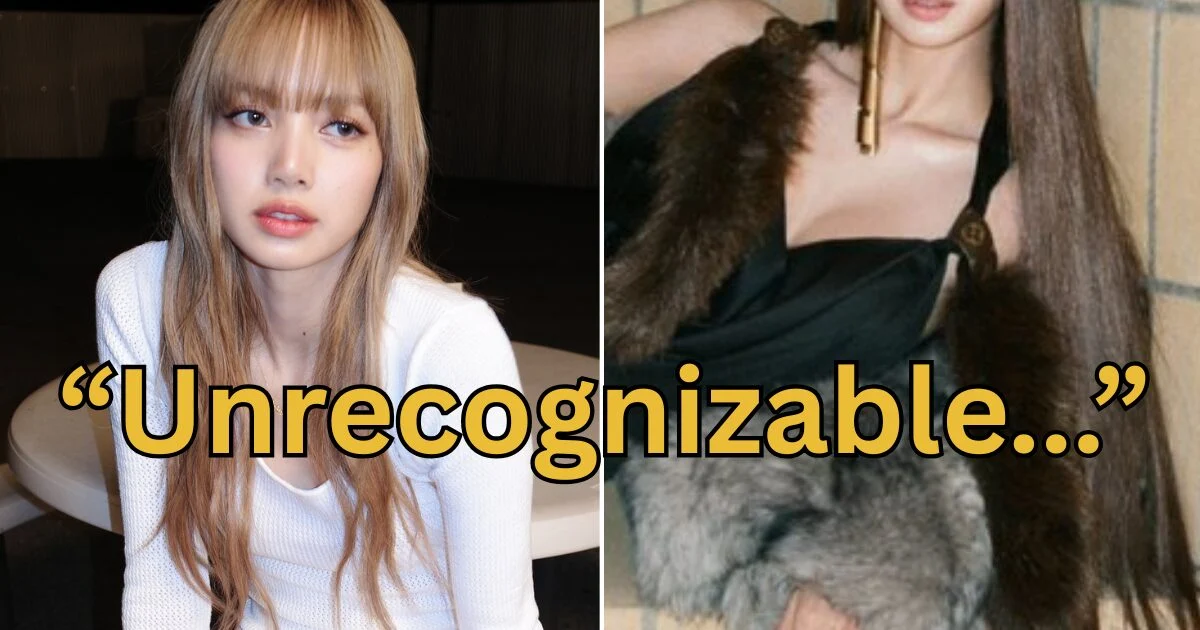
The globally recognized K-pop sensation, Lisa of BLACKPINK, has once again become the focal point of intense online scrutiny following the release of her recent photoshoot visuals, prominently featured in Vogue Korea. The images, intended to showcase her distinctive charisma and fashion prowess, instead triggered a wave of malicious comments and allegations regarding purported cosmetic enhancements, specifically a "nose job." This renewed discourse not only highlights the pervasive nature of appearance-focused criticism within the K-pop industry but also underscores the relentless pressure faced by public figures in the digital age.
The controversy erupted almost immediately after the Vogue Korea images began circulating across social media platforms on August 21, 2026. Fans and critics alike dissected every angle of Lisa’s face, with a significant portion of the online conversation pivoting away from her artistic expression or fashion choices to an obsessive focus on her facial features. Allegations of an "unrecognizable" appearance quickly gained traction, particularly centered around the perceived alteration of her nose. This incident marks a continuation of a pattern of speculation that has plagued Lisa and many other K-pop idols throughout their careers, where subtle or even imagined changes in appearance are magnified and subjected to public debate.
The Genesis of the Controversy: A Deep Dive into the Visuals and Initial Reactions
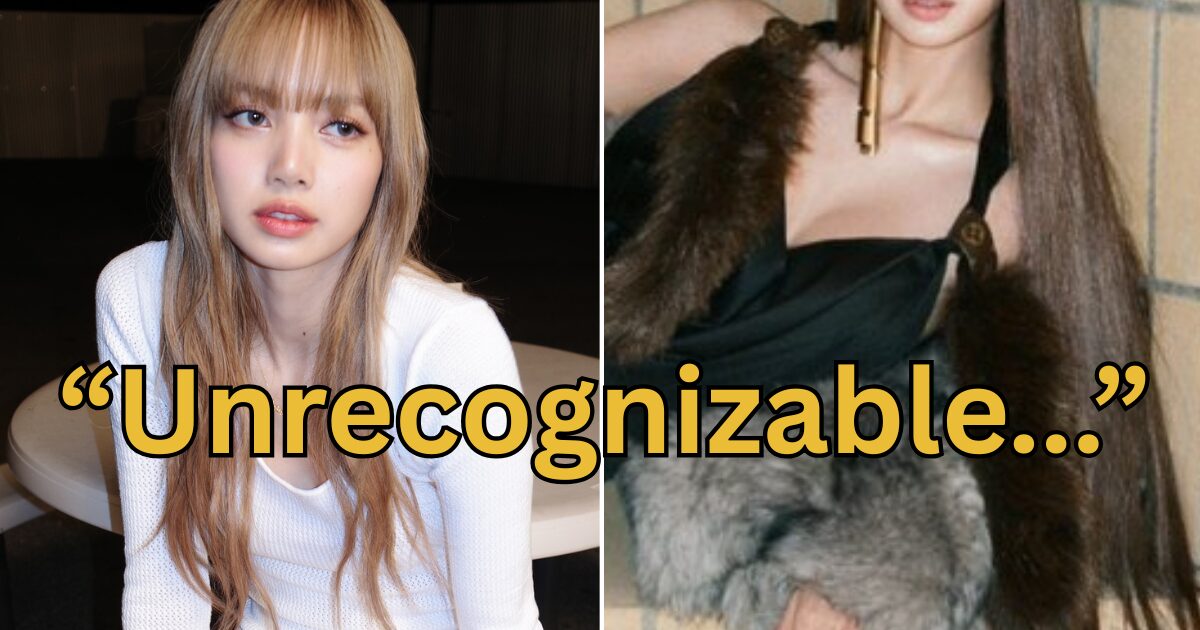
The photoshoot, a high-profile collaboration with Vogue Korea, aimed to present a sophisticated and perhaps more avant-garde side of Lisa, known for her powerful stage presence and striking visuals. The images depicted her in various artistic poses and stylistic ensembles, characteristic of high fashion editorials. However, the artistry was overshadowed by a sudden surge of comments fixated on her nose, with many social media users claiming it appeared different from her previous public appearances. The phrase "nose job" rapidly became a trending topic associated with her name.
Within hours of the photos’ release, the discourse escalated. On platforms like Reddit, particularly in communities known for critical discussions about K-pop idols such as r/BLACKPINKSNARK, threads emerged directly addressing the alleged changes. Users posted comparative analyses, often with highly filtered or selectively chosen older images, to substantiate their claims. Terms like "unrecognizable," "different," and "not the Lisa I know" dominated these discussions. While some comments expressed genuine surprise or a sense of loss for her "original" look, a substantial portion veered into outright malicious territory, employing derogatory language and harsh judgments about her appearance.
Simultaneously, on X (formerly Twitter), the sentiment mirrored that of Reddit. Numerous tweets expressed disappointment, shock, or outright condemnation. One notable tweet stated, "this f#ck ass nose. LISA WHYYYYYY," encapsulating the visceral negative reaction. Another user lamented, "I miss Lisa’s old nose. The new one takes some getting used to. It’s like she’s Lisa but also not Lisa. Don’t get me wrong, she’s still gorjas af. My eyes and my mind had just built a certain familiarity on her face so any change disrupts that familiarity." This particular comment, while attempting to soften the blow with a compliment, still highlighted the profound impact of perceived alteration on public perception and fan familiarity. The emotional intensity of these reactions underscores the deep connection fans feel with an idol’s image, and the strong reactions when that image appears to shift.
A Chronology of Scrutiny: Lisa’s Public Image and Beauty Standards

Lisa, whose full name is Lalisa Manobal, debuted with BLACKPINK in 2016 and quickly rose to global stardom. Her distinctive features, including her prominent eyes and natural nose, have long been celebrated as part of her unique charm and beauty. Throughout her career, like many K-pop idols, she has been subjected to constant visual assessment, a phenomenon deeply embedded within the industry’s culture.
- Pre-Debut/Early Career (Pre-2016 – 2018): Lisa’s visuals were lauded for their refreshing and exotic appeal, contributing to BLACKPINK’s diverse global image. Her features were often highlighted as unique among K-pop idols.
- Growing Global Recognition (2019 – 2023): As BLACKPINK achieved international acclaim, Lisa’s individual endorsements and fashion collaborations soared. Her image became increasingly polished and varied, adapting to different concepts and brands. During this period, minor changes in makeup, styling, or photography techniques would occasionally spark low-level speculation about cosmetic procedures, though never reaching the intensity of the current incident.
- Recent Public Appearances (Early 2026): Prior to the Vogue Korea photoshoot, there had been isolated murmurs on fan forums and social media about a perceived change in Lisa’s facial structure, particularly around her nose. These discussions, while not widespread, laid some groundwork for the more explosive reaction to the Vogue images.
- August 21, 2026: Release of Vogue Korea photoshoot images.
- Immediate Aftermath (Hours following release): Rapid proliferation of images and critical comments on Reddit (r/BLACKPINKSNARK) and X, focusing on alleged "nose job." The negative discourse quickly dominates online conversations related to Lisa.
This timeline illustrates a gradual intensification of scrutiny, culminating in the current widespread backlash. It’s crucial to note that neither Lisa nor her agency, YG Entertainment (or her new management if she has transitioned since the article’s implied date of 2026), have ever confirmed or addressed any cosmetic procedures.
The Broader Context: K-Pop’s Obsession with Aesthetics and Perfection
The K-pop industry is notoriously stringent about idol visuals. South Korea has one of the highest rates of cosmetic surgery per capita globally, and aesthetic perfection is often presented as a prerequisite for success in the entertainment world. Idols are frequently encouraged, directly or indirectly, to maintain a specific image, which can include undergoing various procedures. However, openly acknowledging these procedures is often taboo, leading to a culture of silence and speculation.

This creates a paradoxical situation: while cosmetic enhancements are widespread and largely accepted within society, public figures who are perceived to have undergone them are often met with harsh criticism, particularly from a segment of the audience that champions "natural beauty." The criticism often stems from a sense of betrayal among fans who feel an idol has deviated from their "authentic" self, or from anti-fans who use any perceived flaw or change as fodder for malicious attacks.
Moreover, the phenomenon of "celebrity doppelgänger" or "unrecognizable" claims is often exacerbated by changes in makeup, lighting, camera angles, or even just natural aging and weight fluctuations. Professional photoshoots, especially for high fashion magazines like Vogue, frequently employ extensive styling, sophisticated lighting, and post-production editing that can drastically alter an individual’s appearance, making direct comparisons to candid shots or older images inherently misleading. Despite this, online communities often disregard these factors in their pursuit of perceived "truth."
Supporting Data: The Digital Battleground and Psychological Toll
The vitriolic nature of the online discourse surrounding Lisa’s visuals is unfortunately not an isolated incident in the K-pop landscape. A 2023 study by the Korea Cyber Safety Council reported a 30% increase in cyberbullying cases targeting celebrities, with K-pop idols being particularly vulnerable. Appearance-based criticism consistently ranks as one of the most common forms of harassment. The anonymity afforded by online platforms often emboldens individuals to post comments they would never utter in person, contributing to a toxic environment.

The psychological impact on idols subjected to such intense scrutiny is profound. Constant public judgment of one’s appearance can lead to severe anxiety, depression, body dysmorphia, and other mental health issues. Several high-profile K-pop idols have openly discussed their struggles with mental health due to online harassment, and in tragic cases, some have succumbed to the immense pressure. While Lisa has not publicly commented on these specific allegations, the cumulative effect of such relentless negativity can be devastating.
Furthermore, the global reach of K-pop means that these discussions are no longer confined to specific national fanbases but become international phenomena, amplified by translation tools and global social media trends. This vastly expands the audience for both positive and negative commentary, making it nearly impossible for idols to escape the pervasive gaze of the public.
Official Responses and Industry Implications
As is typical in the K-pop industry, there has been no official statement from Lisa or her management regarding the "nose job" allegations. Agencies generally adopt a policy of silence on such rumors, as addressing them can often inadvertently legitimize the speculation or draw further unwanted attention. Their primary course of action, when the comments cross a line into defamation or malicious harassment, is to gather evidence and pursue legal action against the most egregious offenders. This legal recourse, however, is often a lengthy process and does little to immediately stem the tide of online negativity.

The implications of this incident extend beyond Lisa herself. It highlights a critical dilemma for the K-pop industry: how to balance the demand for aesthetically perfect idols with the imperative to protect their mental well-being and promote healthy body image. The industry’s heavy reliance on visual appeal, combined with the power of social media, creates a self-perpetuating cycle of unattainable beauty standards and relentless public judgment.
This situation also prompts a re-evaluation of fan culture. While many fans are fiercely protective and supportive, a segment engages in behavior that is detrimental to the idols they claim to admire. The distinction between constructive criticism (rarely applicable to physical appearance) and malicious attacks often blurs, leading to a hostile online environment. The incident with Lisa underscores the need for greater media literacy among consumers of K-pop content, encouraging critical thinking about edited images and a more empathetic approach to public figures.
Broader Impact and Future Outlook
The controversy surrounding Lisa’s photoshoot serves as a stark reminder of the intense pressure placed on K-pop idols and the often-unforgiving nature of online discourse. It forces a conversation about the ethics of celebrity scrutiny, the objectification inherent in parts of the entertainment industry, and the responsibilities of social media platforms in moderating harmful content.

For Lisa, an artist who has consistently pushed boundaries in music and fashion, this episode is a regrettable distraction from her creative endeavors. It risks overshadowing her talent and global influence with shallow, appearance-based criticisms. As K-pop continues its global expansion, these challenges will only intensify, demanding a more robust response from agencies, a more mature engagement from fanbases, and a broader societal shift towards valuing authenticity and well-being over superficial perfection. The dialogue sparked by Lisa’s latest visuals, while negative in its immediate manifestation, could serve as a catalyst for a much-needed re-evaluation of how beauty, identity, and public perception are navigated in the hyper-connected world of global entertainment.