
A recently released documentary-style vlog on the official BTS YouTube channel has ignited a widespread international conversation regarding the physical and mental demands placed on global icons. The footage, which provides a candid look at the preparations for the group’s 2026 FIFA World Cup halftime performance, reveals a logistics-heavy schedule that many fans and industry observers have described as remarkably taxing. The video documents the period surrounding the final match of the tournament, highlighting a timeline that left the seven members with almost no time for rest between a major European concert and one of the most-watched sporting events in the world.
The controversy centers on a specific segment of the vlog where a staff member briefs the members—RM, Jin, Suga, J-Hope, Jimin, V, and Jungkook—on their itinerary for the transition from their "ARIRANG" World Tour to the World Cup stage in New Jersey. According to the internal briefing captured on film, the group was required to perform a full-scale concert in Paris, France, on July 18, 2026. Immediately following the conclusion of the show, the members were scheduled to board a private flight at midnight. They arrived in New Jersey at approximately 2:30 a.m. local time on July 19, followed by a one-hour commute to their hotel. With a stadium call time of 7:45 a.m. for venue checks and rehearsals starting at 8:00 a.m., the members were effectively left with less than four hours of downtime after a trans-Atlantic flight and a high-energy stadium performance.
A Chronological Breakdown of the 24-Hour Transition
To understand the scale of the exhaustion cited by fans, a closer look at the chronological sequence of events is necessary. The group’s schedule represented a collision of two massive commitments: a sold-out leg of their global tour and a prestigious international invitation from FIFA.

- July 18, Late Evening (Paris): BTS concludes a performance for the "ARIRANG" World Tour. These concerts typically last between two and a half to three hours, involving intense choreography and vocal delivery.
- July 19, 00:00 (Paris Time): The members board a flight immediately after the concert. Post-concert adrenaline and the physical requirement of "winding down" often mean sleep is not immediate, even in a lie-flat business or first-class environment.
- July 19, 02:30 (Eastern Time): The flight touches down in New Jersey. Due to the six-hour time difference between Paris and the U.S. East Coast, the group gained time on the clock but faced the significant physiological hurdle of jet lag.
- July 19, 03:30 (Eastern Time): The group arrives at their hotel.
- July 19, 07:45 (Eastern Time): Call time at the FIFA World Cup venue. This allowed for only four hours and fifteen minutes between arriving at the hotel and departing for the stadium, a window that must also include hygiene, dressing, and breakfast.
- July 19, 08:00 (Eastern Time): On-site rehearsals and technical checks begin.
This sequence highlights a total lack of a recovery period. For elite athletes, a similar travel schedule would typically be followed by several days of acclimatization and physical therapy. For BTS, the transition was near-instantaneous.
The Magnitude of the 2026 FIFA World Cup Performance
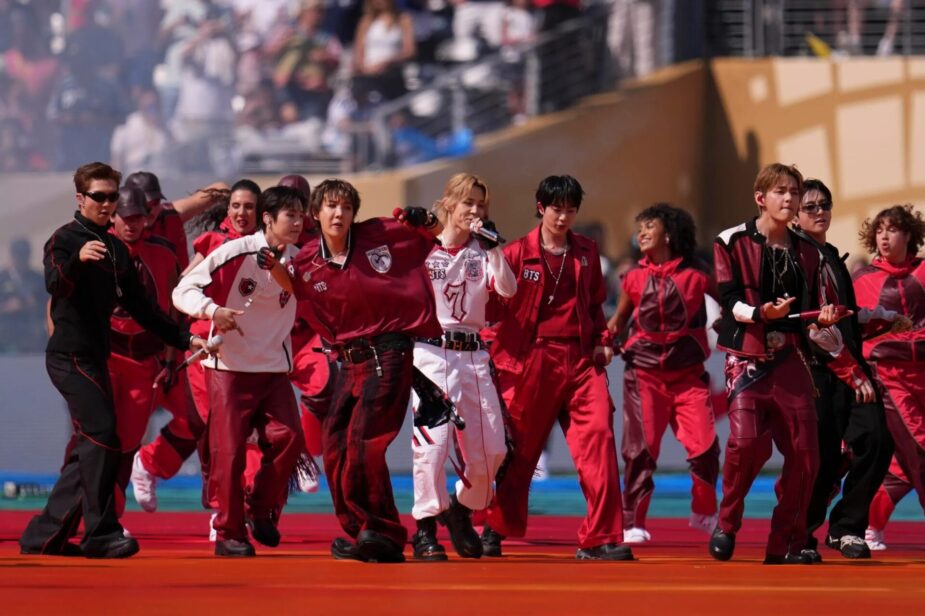
The 2026 FIFA World Cup, hosted across the United States, Canada, and Mexico, was a landmark event for the sport, and the final’s halftime show was designed to be a cultural spectacle of unprecedented proportions. BTS, having previously seen member Jungkook perform at the 2022 World Cup opening ceremony in Qatar, was invited as a full group to headline the final’s halftime show in New Jersey.
The pressure of such a performance cannot be overstated. With a global television audience numbering in the billions, the technical and physical requirements of the show were immense. The vlog shows the members looking visibly weary as the schedule is read aloud, a rare moment of transparency in an industry that often prioritizes an image of effortless perfection. Fans noted that while the members remained professional, the "unsettled" expressions on their faces spoke volumes about the reality of their workload.
Post-Military Context and the Pressure of Global Dominance
The concerns raised by the "ARIRANG" vlog are amplified by the broader context of BTS’s career trajectory. Following the completion of their mandatory South Korean military service, the group returned to the global stage with a momentum that has not abated. Since their full-group reunion, they have been involved in a continuous cycle of album releases, brand endorsements, and world touring.

Social media discourse has seen fans, known collectively as ARMY, expressing fear that the group is being pushed toward "irreversible damage." One viral post on X (formerly Twitter) noted, "Ever since they came back from the military, they haven’t truly stopped. Like not once. Which means they haven’t had a break at all in all these years. And then they even get into these inhuman situations."
This sentiment reflects a growing shift in fan culture. While fans remain eager for content and performances, there is an increasing emphasis on artist longevity and labor rights within the music industry. The "inhuman" nature of the schedule is seen by many as a byproduct of a "hyper-productivity" model that characterizes the K-pop industry, even for artists at the level of BTS who presumably have more leverage over their schedules.
Industry Implications and the "Katseye" Comparison
The debate has also touched upon comparisons with other artists under the HYBE umbrella and the wider industry. Some fans referenced "Katseye," a global girl group, in a hyperbolic manner to suggest that under such grueling conditions, any performer would be tempted to "go missing" or quit. The reference underscores a growing awareness of the mental health struggles that often accompany rapid-fire touring schedules.
From a management perspective, the logistics of a world tour are often dictated by venue availability and the massive overhead costs of moving a production that includes hundreds of staff members, dancers, and technical equipment. However, the decision to slot a World Cup halftime performance—an event that requires its own set of rehearsals and high-stakes preparation—directly after a European tour date is being questioned as a potential failure in "duty of care."

Professional Analysis of Physical Toll
Medical and athletic experts often point out that the combination of high-intensity performance, lack of sleep, and rapid time-zone changes (jet lag) creates a "perfect storm" for physical injury and immune system suppression. For vocalists, the lack of sleep is particularly detrimental to the vocal cords, which require hydration and rest to maintain elasticity and prevent nodules.
Furthermore, the cognitive load of remembering complex choreography and stage directions while sleep-deprived increases the risk of on-stage accidents. While BTS is renowned for their precision and professionalism, the 2026 vlog has pulled back the curtain on the "brute force" required to maintain that standard. It suggests that the "magic" of the performance is often built on a foundation of extreme physical sacrifice.
Public and Official Responses
As of the time of reporting, BIGHIT MUSIC and HYBE have not issued a formal statement regarding the specific criticisms of the July 2026 schedule. Historically, the agency has emphasized that schedules are coordinated with the artists’ consent and that medical staff are always on hand during tours. However, the visual evidence of the members’ reactions in the vlog has proven more persuasive to the public than standard corporate assurances.
The discourse has also sparked a debate about the role of major organizations like FIFA. While a halftime show is a massive promotional opportunity for any artist, the rigid timing of sporting events often forces performers into logistical "bottlenecks." Critics argue that if the industry is to move toward a more sustainable model, both talent agencies and event organizers must prioritize the health of the performers over the convenience of the schedule.
The Long-term Impact on the Music Industry
The reaction to the BTS vlog may serve as a turning point for how major labels document and share the "behind-the-scenes" reality of their artists. While "misery porn" or the documentation of hardship has sometimes been used in music documentaries to highlight an artist’s dedication, the modern audience is increasingly viewing such footage through the lens of labor ethics.
For BTS, a group that has spent over a decade at the forefront of the industry, the question of "sustainability" is paramount. As they move into the later stages of their careers, the demand for their presence remains at an all-time high, but the physical toll of a 20-year-old’s schedule on 30-year-old performers is a reality that management must eventually address.
The 2026 FIFA World Cup performance was undoubtedly a triumph for BTS, further cementing their legacy as the "Princes of Pop." However, the cost of that triumph, as revealed in their own documentary footage, has left a bittersweet taste for the millions who follow them. The conversation now moves toward how the industry can balance the global appetite for K-pop with the human needs of the individuals who create it. As the "ARIRANG" World Tour continues, all eyes will be on the group’s wellbeing, with fans calling for more transparency and, more importantly, more rest for the seven members who have carried the weight of global stardom for over a decade.