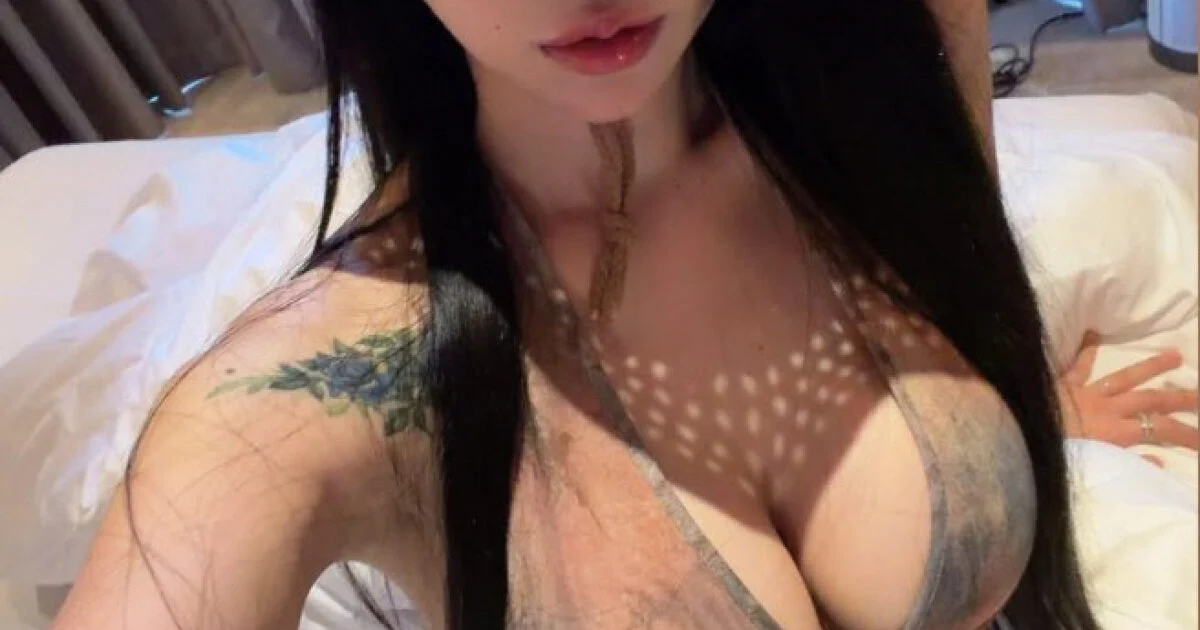
On August 20, Noh Seul Bi, a prominent figure in South Korea’s burgeoning "shaman-tainer" industry, took to social media to directly address mounting criticism regarding her choice of attire and public image. Known for her participation in high-profile variety programs and her status as a representative of the "MZ Generation" shamans, Noh’s response to her detractors has ignited a broader conversation regarding the intersection of traditional spiritual roles and modern individual expression in the digital age.
The controversy reached a peak when Noh posted several photographs from a trip to Thailand, showcasing a style of dress that some netizens deemed inappropriate for a practitioner of Mu-sok, or traditional Korean shamanism. Responding to a comment that accused her of being "a shaman showing off her body," Noh offered a firm rebuttal. She emphasized that her location played a significant role in her choice of clothing, stating, "I am a shaman in Thailand right now. No arguments. My grandmother also respects this country’s culture as a free woman." In the context of Korean shamanism, the "grandmother" typically refers to the ancestral spirit or deity that guides the practitioner, suggesting that Noh views her spiritual path as one that accommodates personal autonomy and cultural adaptability.
The Rise of the MZ Shaman and the Shifting Cultural Landscape
Born in 1998, Noh Seul Bi represents a new wave of spiritual practitioners in South Korea who are comfortably navigating the space between ancient rituals and contemporary celebrity culture. The "MZ Generation"—a term used in South Korea to encompass both Millennials and Gen Z—is characterized by a focus on self-expression, digital fluency, and a willingness to challenge long-standing societal hierarchies.
Traditionally, Korean shamans, or mudang, were expected to maintain a certain level of asceticism and gravity, often living on the fringes of society while performing essential spiritual services such as gut (rituals) to appease spirits or seek blessings. However, the 21st century has seen a dramatic shift in how these figures are perceived and how they present themselves. Noh Seul Bi’s rise to fame is emblematic of this shift; her stylish appearance and confident demeanor have garnered her a significant following, particularly among younger audiences who view her as a relatable figure rather than an unapproachable mystic.
Noh first gained widespread recognition through her appearance on the Disney+ reality survival show Battle of Fates (also known in some regions as Fortune Telling War or Possessed Love). The program, which features shamans, tarot readers, and experts in Saju (traditional four-pillars astrology), reflects a growing trend in South Korean media to treat spiritualism as a form of entertainment and psychological exploration. By participating in such a platform, Noh positioned herself at the center of the "occult craze" currently sweeping through the Korean entertainment industry.
Candid Admissions on Body Image and Plastic Surgery
In addition to defending her fashion choices, Noh Seul Bi has been remarkably transparent about her physical appearance, a move that is rare for traditional practitioners but common among modern influencers. In her August 20 social media update, she spoke candidly about undergoing cosmetic procedures, a topic that remains sensitive in many professional spheres.
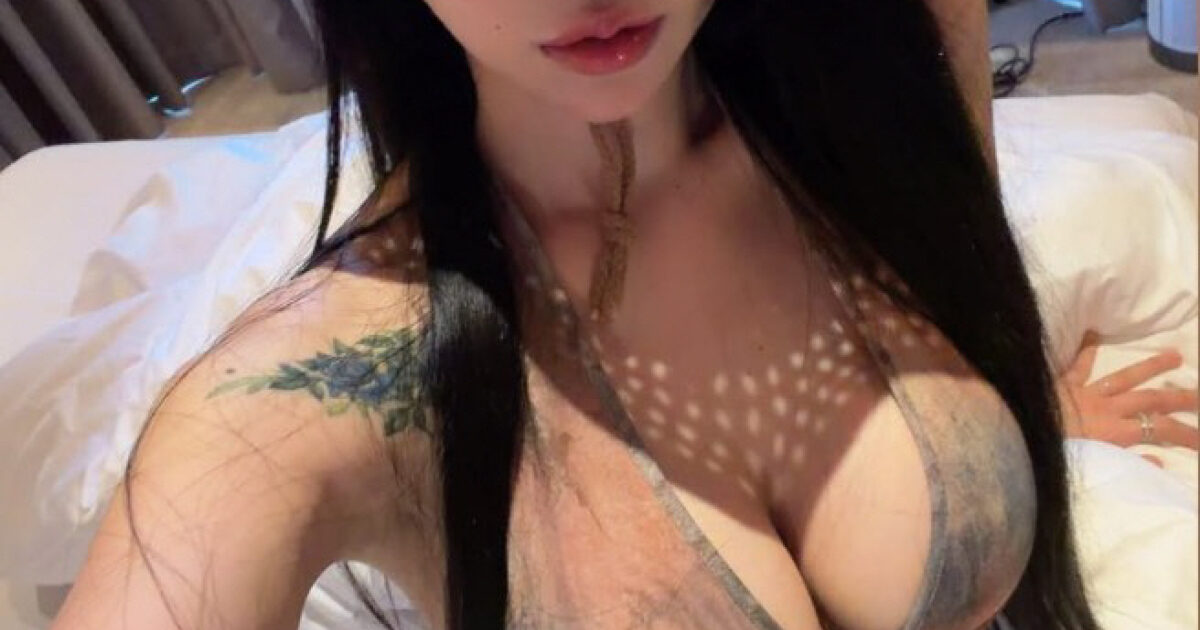
Noh confessed to having breast augmentation surgery, explaining the personal reasons behind the decision. "Actually, I want a body like [BLACKPINK member] Jennie’s, but since my breasts were originally large, after giving birth, they sagged like loose skin, so the smallest implants I got are these," she shared. This level of honesty regarding post-pregnancy body changes and the pursuit of a specific aesthetic standard—referencing global K-pop icon Jennie—highlights the influence of mainstream beauty ideals on all sectors of Korean society, including the spiritual community.
Her openness serves as a dual-edged sword in the public eye. While many of her followers praise her for her honesty and for de-stigmatizing the physical changes associated with motherhood, critics argue that such a focus on vanity and physical appearance is at odds with the spiritual discipline required of a shaman.
Previous Media Appearances and the "OnlyFans" Rebuttal
The recent backlash is not the first time Noh has faced scrutiny over her public persona. In April, she appeared on the popular YouTube channel No Back Tak, hosted by comedians Tak Jae-hoon and Shin Gyu-jin. During the interview, the hosts questioned the intent behind the bikini photos she frequently shares on her social media platforms.
When Shin Gyu-jin asked if she was "deliberately trying to attract men" through her online presence, Noh’s response was characteristically blunt. "If I wanted to make money from that, I would have done it on OnlyFans," she stated, referring to the paid-subscription platform often used for adult content. She further clarified her stance by asserting, "This is my freedom and personality," effectively drawing a line between her professional duties as a shaman and her private identity as a young woman.
This interaction underscored the tension between the public’s expectations of "purity" in religious figures and the individual’s right to self-determination. In South Korea, the concept of "Che-myeon," or "saving face" and maintaining social dignity, often dictates how professionals in sensitive fields behave. Noh’s refusal to adhere to these unspoken rules has made her a polarizing figure, yet it has also solidified her brand as a "transparent" and "modern" practitioner.
Contextualizing the Modern Interest in Shamanism
The controversy surrounding Noh Seul Bi comes at a time when shamanism and the occult are experiencing a resurgence in South Korean popular culture. The 2024 film Exhuma, which centers on shamanic rituals and feng shui, became a massive box-office success, indicating a deep-seated public fascination with traditional beliefs when presented through a modern lens.
According to market research, the fortune-telling and shamanic services industry in South Korea is estimated to be worth billions of dollars, with a growing number of young people seeking out Saju or shamanic consultations to navigate the uncertainties of the modern economy and dating market. This commercialization of the spiritual has paved the way for "shaman-tainers" like Noh to emerge.

However, as these practitioners move into the spotlight, they face the same pressures as traditional idols and actors. The scrutiny of their private lives, their fashion choices, and their past behaviors becomes a matter of public debate. For Noh, the challenge lies in maintaining her spiritual credibility while refusing to compromise on her personal lifestyle.
Societal Implications and the Evolution of Professional Boundaries
The case of Noh Seul Bi reflects a broader societal transition in South Korea. The nation is currently grappling with the friction between traditional Confucian values, which emphasize modesty and social roles, and the rising tide of individualism and digital transparency.
From a sociological perspective, Noh’s defense—that her "grandmother" spirit respects her freedom—is a significant reinterpretation of shamanic tradition. It suggests a democratization of the spiritual experience, where the practitioner is no longer a vessel subservient to the divine, but a partner in a modern life.
Furthermore, her response to criticism regarding her attire in Thailand highlights a growing awareness of global cultural contexts. By arguing that her dress was appropriate for the local environment, she challenged the parochial expectations of her Korean audience, suggesting that professional identity should not be a cage that dictates one’s behavior across all geographical and social boundaries.
Chronology of Key Events
To understand the trajectory of the current debate, it is helpful to look at the timeline of Noh Seul Bi’s public journey:
- 1998: Born in South Korea; later enters the path of Mu-sok (shamanism).
- Early 2024: Gains significant social media following for her "MZ Shaman" aesthetic, blending traditional practice with high-fashion and modern lifestyle content.
- April 2024: Appears on the YouTube show No Back Tak, where she defends her bikini photos as personal freedom and rejects the notion that she is seeking male attention for profit.
- Mid-2024: Joins the cast of Battle of Fates on Disney+, elevating her status from a social media personality to a mainstream television figure.
- August 20, 2024: Addresses criticism of her revealing outfits while in Thailand, citing cultural context and her "grandmother’s" approval, while also being transparent about her cosmetic surgery history.
Conclusion: The Future of the "Shaman-tainer"
As Noh Seul Bi continues to navigate her dual identity as a shaman and a celebrity, she remains a focal point for discussions on the modernization of Korean traditions. Her insistence on personal freedom and her refusal to hide her physical appearance or life choices represent a bold departure from the historical archetype of the mudang.
While traditionalists may continue to view her actions as a dilution of spiritual gravity, her popularity suggests that a significant portion of the public is ready for a more humanized, accessible version of shamanism. Whether Noh Seul Bi is seen as a pioneer of individual expression or a symptom of the over-commercialization of the sacred, her influence on the cultural landscape of South Korea is undeniable. As the "MZ Generation" continues to redefine what it means to be a professional in any field, the boundaries between the sacred and the secular will likely continue to blur, with figures like Noh leading the way.