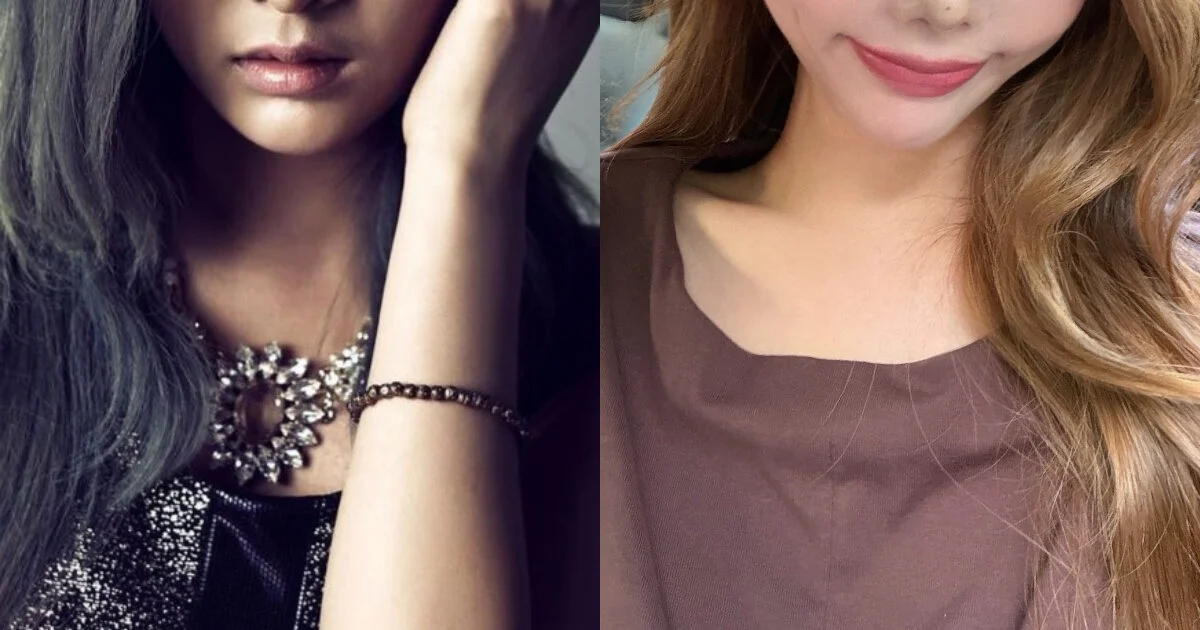
The appearance of K-Pop idol Qri, a prominent member of the iconic second-generation girl group T-ARA, has recently become the subject of intense online scrutiny and widespread discussion across various digital platforms, with many netizens speculating about potential cosmetic procedures. This sudden surge in interest follows the circulation of recent photographs and video clips that present a noticeable divergence from her previously recognized facial features, prompting a flurry of accusations and analyses regarding plastic surgery. The discussions highlight the ever-present pressure on K-Pop celebrities to maintain specific visual standards and the public’s keen observation of any perceived alterations.
The controversy ignited in late August 2026, when several popular South Korean online communities began featuring posts with provocative titles such as "Is it a side effect of plastic surgery? Qri can’t really smile," "Where did her old face go? Doll-like visuals," and "Is it true only Qri changed in T-ARA?" These headlines, designed to capture attention, quickly garnered thousands of comments and shares, propelling Qri’s name into trending topics. The core of the debate centers on a perceived transformation in her facial structure, with particular emphasis on her eyes, nose, and overall facial contours, which many argue appear significantly different from her earlier public image.
A Look Back: Qri’s Enduring Image and T-ARA’s Legacy
Born Lee Ji-hyun, Qri debuted in 2009 as a member of MBK Entertainment’s girl group T-ARA, quickly rising to prominence in the competitive K-Pop landscape. During the group’s heyday, particularly from 2010 to 2012 with hits like "Roly-Poly," "Lovey-Dovey," and "Bo Peep Bo Peep," Qri was celebrated for her distinct visuals. Her early image was characterized by a clean, innocent aesthetic, marked by softer features, natural-looking double eyelids, and a charming, approachable smile that endeared her to a wide fanbase. This "cute appearance," as often described by fans and media alike, contributed significantly to her individual popularity within the group, which was known for its innovative concepts and catchy music.
T-ARA, despite facing significant challenges including a highly publicized controversy in 2012, maintained a dedicated following and continued to release music, solidifying their status as one of the most influential groups of their generation. Even after the group’s members largely went their separate ways from their original agency in 2017, Qri, along with fellow members Eunjung, Hyomin, and Jiyeon, continued to engage with fans and occasionally perform, ensuring their legacy persisted. Qri herself has remained active in various capacities, including modeling, fashion endorsements, and social media, keeping her in the public eye. This longevity, however, also means a longer period for the public to observe changes in appearance, whether natural or otherwise.
The Emergence of Comparison Photos and Online Commentary
The current wave of speculation was largely fueled by the proliferation of side-by-side comparison photos. These digital collages juxtapose images of Qri from her earlier T-ARA days with more recent snapshots, often from her social media updates or public appearances. Netizens meticulously analyzed these comparisons, pointing out specific features that they believe have undergone alteration. Among the most frequently cited changes are "sharper eyes," "a higher nose bridge," and "changed double eyelids." Some observers also noted a general "puffier face" in recent images, which they linked to potential fillers or other non-surgical enhancements.
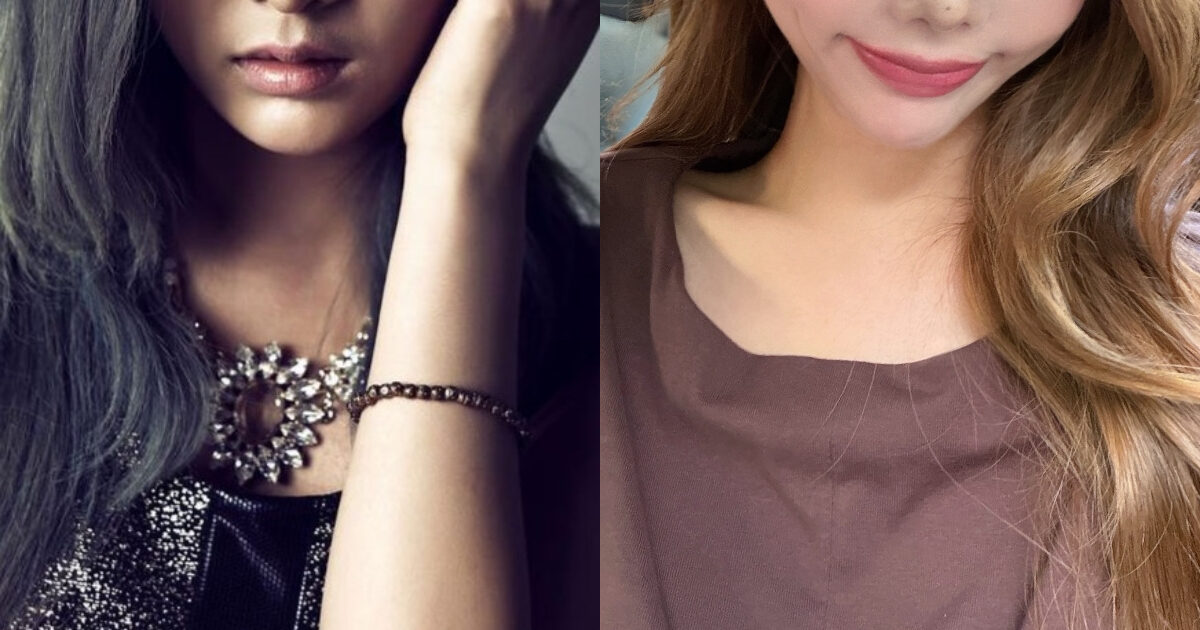
A short video clip, widely shared across various platforms, particularly caught the attention of the online community. In this video, Qri is seen attempting to smile, but her facial expressions appear somewhat restricted or "awkward," further fueling the speculation that cosmetic procedures might be affecting her natural movements. The combination of static comparison photos and dynamic video evidence created a compelling, albeit circumstantial, case for those convinced of a significant alteration. The commentary varied from outright accusations to expressions of concern about the perceived loss of her "old face," a sentiment frequently voiced when celebrities are believed to have undergone extensive cosmetic work.
The K-Pop Industry’s Relentless Pursuit of Visual Perfection
The intensity of the public reaction to Qri’s perceived transformation is not an isolated incident but rather a reflection of the deeply entrenched beauty standards and the pervasive culture of cosmetic enhancement within the South Korean entertainment industry. K-Pop idols are not merely performers; they are visual products, meticulously curated and marketed based on their aesthetics as much as their talent. The industry fosters an environment where an idol’s visual appeal is paramount, often influencing casting decisions, public perception, and commercial success. This pressure begins early in an idol’s career, with trainees often undergoing significant aesthetic "guidance" even before debut.
South Korea is globally recognized as a hub for cosmetic surgery, boasting one of the highest per capita rates of procedures worldwide. Common surgeries like double eyelid surgery (blepharoplasty), rhinoplasty (nose jobs), and jawline contouring are not only normalized but often openly discussed as ways to achieve the "idol standard" of beauty – characterized by large, bright eyes, a small, high-bridged nose, a V-shaped jawline, and fair, clear skin. While agencies rarely confirm or deny specific procedures for their artists, the prevalence of these operations creates a societal context where any noticeable change in an idol’s appearance is almost automatically attributed to surgical intervention.
Furthermore, beyond invasive surgeries, non-surgical procedures such as dermal fillers (for plumping lips, cheeks, or smoothing wrinkles), Botox injections (for muscle relaxation and wrinkle reduction), and various skin treatments are commonplace. These less invasive methods can also significantly alter facial contours and expressions, sometimes leading to the "puffy" or "frozen" appearance observed in some public figures. It is often challenging for the public, and even experts, to distinguish between the effects of natural aging, advanced makeup techniques, lighting, photo editing, and actual cosmetic procedures, leading to speculative debates like the one surrounding Qri.
Fan Reactions: A Spectrum of Support, Criticism, and Concern
The online discourse surrounding Qri’s appearance showcased a wide array of reactions from her fanbase and the broader public, illustrating the complex relationship between idols and their audience.
- Defenders and Supporters: Many fans rallied to Qri’s defense, attributing any changes to natural aging, professional makeup, or the effects of time. Comments like "Seems more like the effect of time than plastic surgery" and "She’s just pretty" sought to normalize her appearance and dismiss the accusations. Some emphasized individual choice, stating, "It’s fine as long as she’s pretty," highlighting a perspective that prioritizes the idol’s happiness and self-satisfaction over conforming to past images. Others praised her current look as "glamorous" or even "totally youthful," suggesting that the changes, if any, were positive.
- Critics and Concerned Observers: Conversely, a significant portion of netizens expressed disappointment or concern. Phrases like "Where did her old face go" and "Her eyes were too much" conveyed a sense of loss for her previous image or a belief that the perceived changes were excessive. The comparison to Park Bom, another prominent K-Pop idol whose appearance has been a frequent subject of plastic surgery discussions, indicated a shared perception among some that Qri might have followed a similar path of extensive cosmetic alteration. The "awkward smile" observation resonated deeply with those who felt her natural expressions were compromised.
- Neutral and Analytical Voices: A smaller segment of the public offered more nuanced observations, acknowledging the difficulty of definitively determining the cause of the changes without official statements. These individuals often highlighted the general pressures on celebrities and the subjective nature of beauty standards, attempting to steer the conversation away from harsh judgment.
The Typical Silence from Agencies and Idols

In situations like this, it is standard practice for K-Pop agencies and the idols themselves to remain silent. Direct confirmation or denial of plastic surgery rumors is exceedingly rare. This strategic silence serves multiple purposes: it avoids legitimizing the rumors by engaging with them, protects the artist’s privacy, and prevents setting a precedent for future inquiries into personal medical decisions. Agencies typically prefer to redirect public attention toward the artist’s professional activities – new music, acting roles, or endorsements – rather than engaging in discussions about physical appearance. Should an official statement be issued, it would likely be a vague denial attributing any changes to diet, exercise, makeup, or the natural process of aging, or simply a plea for respect for the artist’s personal life. As of late August 2026, Qri’s agency has not released any official statement regarding the ongoing speculation.
Broader Implications: Mental Health, Beauty Standards, and Public Scrutiny
The intense public debate surrounding Qri’s appearance underscores several broader issues within the K-Pop industry and society at large.
Firstly, the relentless scrutiny of idols’ physical appearances can have significant detrimental effects on their mental health. Living under a constant microscope, with every change, no matter how subtle, becoming a subject of public analysis and judgment, creates immense psychological pressure. Idols are often expected to project an image of perfection, yet are simultaneously criticized for any efforts they might make to achieve or maintain that ideal, creating a no-win situation.
Secondly, this discussion further highlights and reinforces the often unrealistic and increasingly homogenized beauty standards propagated by the K-Pop industry. The consistent pursuit of a narrow ideal of beauty can lead to a lack of diversity in appearance among idols and send a problematic message to young fans about what constitutes attractiveness. It implicitly suggests that natural features are insufficient and that cosmetic alterations are a necessary step towards achieving success or acceptance.
Finally, the incident reflects the evolving dynamics of public discourse in the digital age. Online communities and social media platforms amplify rumors and speculation, turning private matters into global debates within hours. While offering a space for fan engagement, these platforms also foster environments where critical and often harsh judgments can spread rapidly, impacting the individuals at the center of the storm.
In conclusion, while the debate over Qri’s seemingly changed appearance continues to captivate online audiences, the absence of official confirmation means the discussions remain firmly in the realm of speculation. Regardless of the truth behind the accusations, this incident serves as a poignant reminder of the immense pressure faced by K-Pop idols to conform to stringent beauty standards and the pervasive public scrutiny that accompanies celebrity status in an industry where visuals often speak as loudly as vocals. The ongoing dialogue compels a deeper reflection on privacy, body autonomy, and the ethical boundaries of public commentary on personal appearance in the entertainment world.