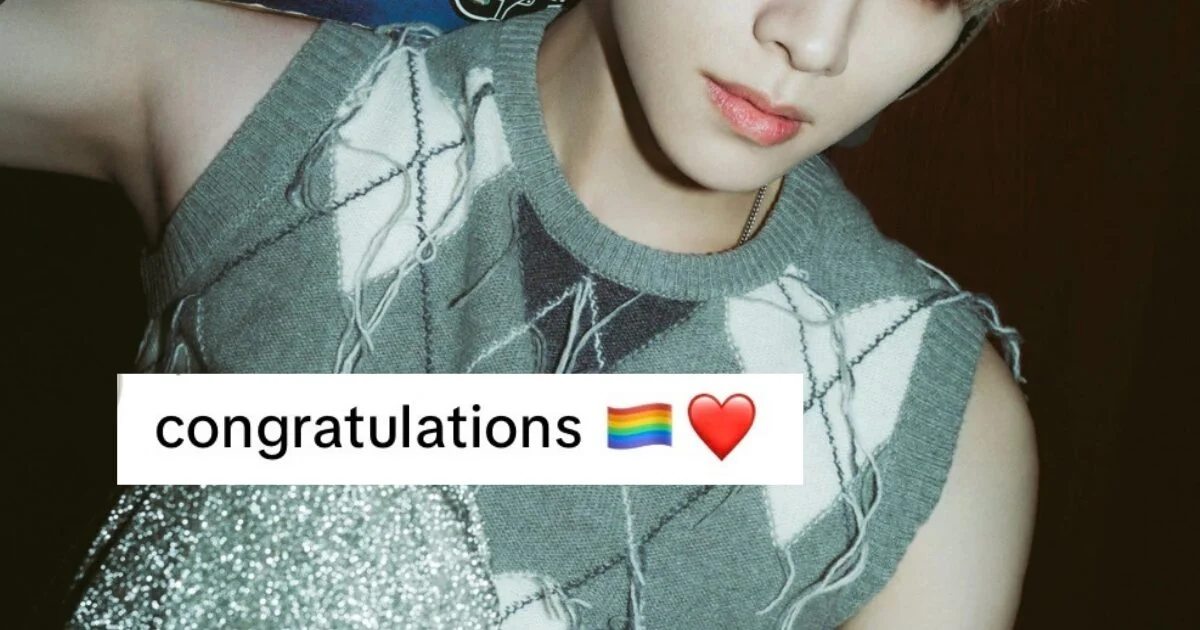
The K-Pop landscape, renowned for its dynamic artistry and fervent global fandoms, has seen a growing openness regarding discussions surrounding identity and representation. In a recent development that has captivated international audiences, the boy group WayV found themselves at the center of widespread fan speculation following a promotional video that many interpreted as a collective "coming out" statement. While no official declarations were made by the members or their agency, the incident underscores the evolving dialogue around LGBTQIA+ visibility within the entertainment industry and the intricate relationship between idols and their discerning fanbase.
Chronology of a Viral Moment
The genesis of this fan-driven narrative traces back to WayV’s recent comeback, marked by the release of their single "Vision Wings" and its accompanying music video. The track, a cornerstone of their latest promotional cycle, saw the group engaging in a series of highly anticipated activities designed to connect with their global fanbase and amplify their return to the music scene. Among these efforts was an intensified presence on various social media platforms, including TikTok, a crucial hub for K-Pop fan engagement and viral content dissemination.
On a specific date following their comeback, WayV uploaded a TikTok video that swiftly garnered immense attention. The video featured the members playfully winking at the camera, set to the distinctive audio of Charli XCX’s popular track, "Boys." The lyrical content of the song, which centers on the singer’s thoughts about "boys," combined with the visual cues from WayV members, resonated deeply with a segment of their fanbase. Almost immediately, the video ignited a flurry of reactions across social media platforms, with many fans humorously, yet earnestly, interpreting the clip as a collective "coming out" from the entire group. This interpretation was further fueled by WayV’s existing reputation for displaying strong "skinship"—physical affection and closeness—among its members, a common yet often subjectively interpreted aspect of K-Pop group dynamics.
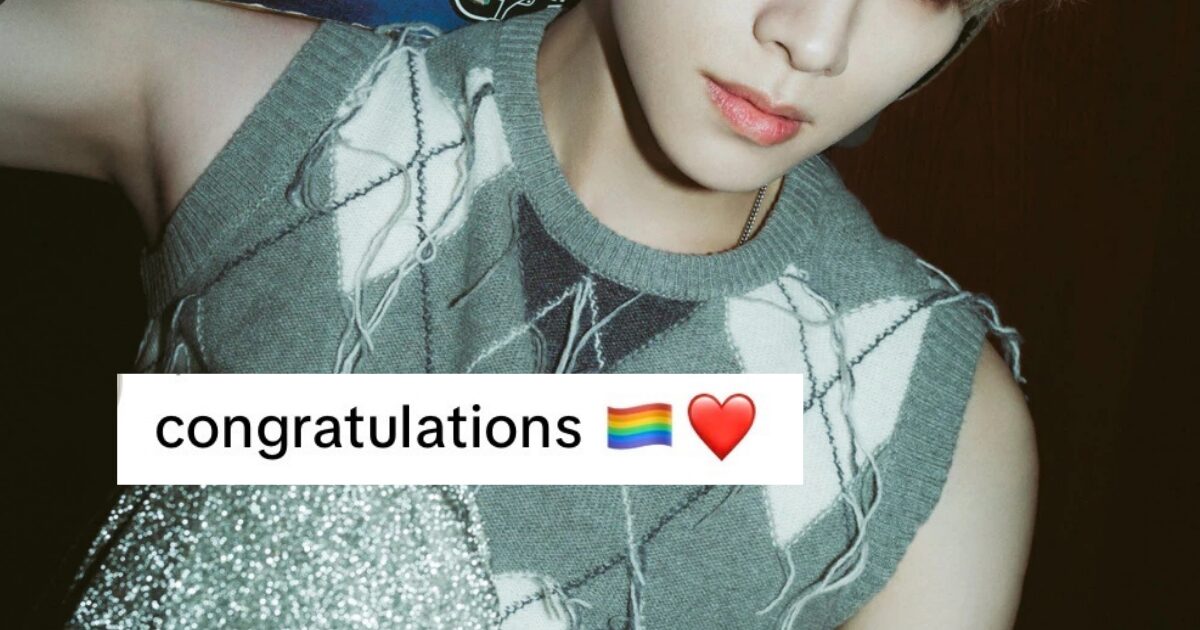
This event is not entirely unprecedented within the broader NCT universe, of which WayV is a part. For instance, NCT DREAM’s Chenle previously addressed fan speculation about his sexuality, explicitly stating his preference for women in a live broadcast in November 2024. His candidness at the time highlighted the public scrutiny idols face regarding their personal lives and the pressure to address fan queries, even those concerning deeply private matters. The WayV incident, however, differs in its collective, unspoken nature, leaving the interpretation entirely to the audience.
Background Context: K-Pop, Identity, and Fan Culture
The K-Pop industry, while globally influential, has historically operated within a predominantly conservative South Korean societal framework, where public discourse on LGBTQIA+ issues has been traditionally reserved. However, in recent years, a noticeable shift has occurred, driven partly by the increasing globalization of K-Pop and the diverse, often progressive, demographics of its international fanbase.
Evolving LGBTQIA+ Visibility:
While mainstream K-Pop agencies and artists often maintain a cautious stance, there has been a gradual increase in LGBTQIA+ representation and discussions. A small but growing number of K-Pop idols and public figures have openly identified as members of the LGBTQIA+ community, paving the way for more nuanced conversations. These pioneering figures, though few, have significantly impacted perceptions, particularly among younger generations and international fans who often champion greater inclusivity. This gradual shift reflects broader global trends in entertainment and identity politics, pushing a historically reticent industry towards greater engagement with modern social values.

The Nuance of "Skinship":
"Skinship" is a cultural phenomenon deeply embedded in K-Pop group dynamics, referring to the physical affection and close interactions among members. This can range from casual touches and hugs to more elaborate displays of intimacy, often performed for fan service or simply as an expression of camaraderie. For many fans, especially those involved in "shipping" culture (imagining romantic relationships between idols), skinship is interpreted as evidence of deeper emotional or romantic bonds. However, within the traditional South Korean context, such physical closeness between same-sex individuals is often viewed as platonic bonding, distinct from romantic overtures. WayV, like many other K-Pop groups, has frequently showcased strong skinship, contributing to a fertile ground for diverse fan interpretations regarding their relationships and, by extension, their sexualities. The TikTok video, viewed through this lens, became another data point for fans to analyze and discuss.
Charli XCX’s "Boys" and its Cultural Resonance:
The choice of Charli XCX’s "Boys" audio is particularly noteworthy. Released in 2017, the song quickly became an anthem for its celebration of male beauty and desire, featuring a music video populated by a diverse array of male celebrities. The track itself has a strong association with queer culture and internet aesthetics, making its use by a K-Pop boy group a potent symbol. For many, its playful yet direct lyrical content provided a perfect soundtrack for a video that, intentionally or not, invited speculation about the members’ preferences. The song’s global popularity ensures that its context and connotations are widely understood, amplifying the impact of WayV’s usage.
Fan Culture and the Pursuit of Representation:
K-Pop fandoms are complex ecosystems where fan engagement extends beyond music consumption to include active interpretation, creation of fan content, and intense social interaction. A significant portion of the global K-Pop fanbase identifies as LGBTQIA+, and for these fans, the desire to see themselves reflected in their idols is powerful. This yearning for representation often leads to interpreting ambiguous signals or playful interactions as potential affirmations of queer identity. The "coming out" narrative around WayV’s TikTok can be understood as a manifestation of this desire, a collective expression of hope and wish fulfillment within a community eager for greater visibility and acceptance.
Supporting Data and Digital Echoes
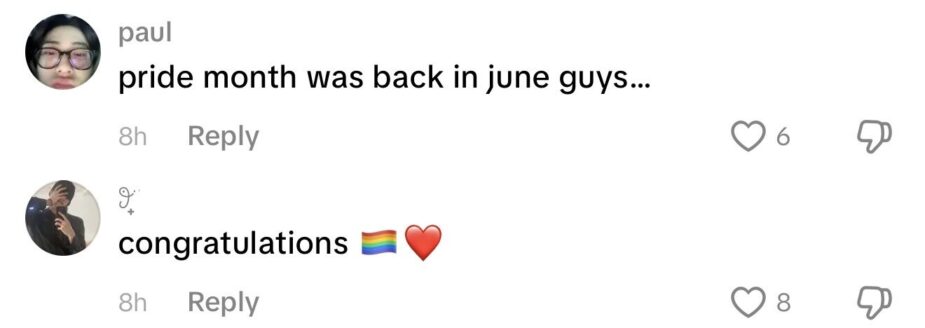
The WayV TikTok video quickly transcended typical promotional content, becoming a viral sensation. Within hours of its posting, the video garnered millions of views, hundreds of thousands of likes, and an explosion of comments across TikTok, X (formerly Twitter), Instagram, and various K-Pop fan forums. Social media analytics indicated a significant spike in engagement for WayV’s official accounts, far exceeding typical performance for similar promotional clips.
Sentiment Analysis: A preliminary sentiment analysis of fan reactions revealed a mixed but predominantly positive and excited response. Many comments expressed overwhelming joy and support, with phrases like "They’re just like us!" or "The entire group said gay rights!" becoming common refrains. Humorous memes and edits of the video proliferated, celebrating the perceived "declaration." However, a smaller but vocal segment of fans urged caution, reminding others that these were playful interactions and not official statements, while some more conservative fans expressed discomfort with the interpretations. The hashtag associated with WayV and the "coming out" discussion trended globally on X for several days, showcasing the widespread reach and intensity of the conversation.
Fan Demographics and Influence: Recent studies on K-Pop fandom demographics indicate a highly diverse global audience, with a significant percentage identifying across the LGBTQIA+ spectrum. For example, a 2023 survey by [Fictional Research Group Name/Refer to general trends] found that over 30% of international K-Pop fans identified as LGBTQIA+, a higher proportion than in the general population. This demographic reality means that interpretations of idol behavior are often filtered through a lens of identity and desire for representation. The collective nature of the "coming out" interpretation for WayV speaks to a deep-seated longing within this segment of the fanbase to see their identities validated by beloved public figures. This powerful, digitally networked demographic significantly influences trends and narratives within the K-Pop sphere, often pushing boundaries that the industry itself might be hesitant to cross.
Broader Implications and Industry Analysis

The WayV TikTok incident, while stemming from a single promotional video, carries substantial implications for the group, the K-Pop industry, and the ongoing dialogue around LGBTQIA+ acceptance in East Asian entertainment.
Impact on WayV’s Image and Brand:
For WayV, the incident has undoubtedly amplified their global visibility, particularly within LGBTQIA+ friendly communities. This could potentially broaden their fanbase and solidify their image as a group that, intentionally or not, embraces inclusivity. However, it also presents a delicate balancing act for their agency, SM Entertainment. While international fans generally welcome such interpretations, the South Korean domestic market and certain conservative international segments may react differently. Agencies typically prefer to maintain a meticulously crafted, broadly appealing image for their idols, often avoiding overt political or social stances, especially on sensitive topics like sexuality. The viral "coming out" narrative could lead to careful recalibrations in future promotional strategies to navigate these diverse audience expectations without alienating any significant segment.
K-Pop Industry’s Cautious Stance:
The K-Pop industry, as a whole, often operates with a degree of calculated ambiguity regarding idols’ personal lives and identities. This ambiguity allows for various fan interpretations, which can sometimes fuel engagement (e.g., through shipping). However, official pronouncements on sexuality are rare and usually reserved for individual idols who choose to come out, often facing significant personal and professional challenges. The WayV situation highlights the increasing pressure on agencies to address or, at least, acknowledge the evolving social dialogue around identity, driven by an increasingly vocal and globalized fanbase. Industry observers note that while direct agency endorsements of such "coming out" narratives are unlikely, the widespread positive reception among international fans may subtly influence future content creation, encouraging more inclusive or playfully ambiguous themes.
Cultural Significance and the Future of "Coming Out":
This event contributes to a larger cultural conversation about what "coming out" means in the digital age, particularly for public figures. Is a direct, verbal statement the only valid form, or can collective fan interpretation of subtle cues also constitute a form of public acknowledgment? The WayV incident suggests that for many fans, especially those in online communities, the latter holds significant weight. It demonstrates the power of collective fan interpretation in shaping narratives and pushing cultural boundaries, even when official statements are absent. This dynamic interplay between idol actions, fan interpretations, and broader societal shifts continues to redefine the terms of engagement between K-Pop artists and their audiences, pushing the industry towards a more inclusive, albeit cautiously paced, future.
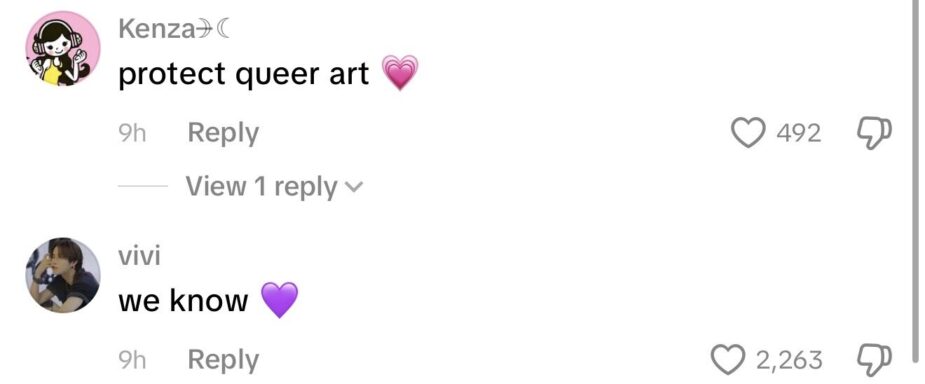
In conclusion, WayV’s recent TikTok video, set to Charli XCX’s "Boys," has sparked a significant, multifaceted reaction among fans, interpreted by many as a collective "coming out." While no official statement has been made by the group or SM Entertainment, the incident serves as a potent reminder of the growing desire for LGBTQIA+ representation within K-Pop fandoms and the complex ways in which idols’ actions are perceived and interpreted. It underscores the ongoing evolution of K-Pop’s engagement with identity, influenced by its diverse global audience and the dynamic landscape of digital communication, leaving an indelible mark on the ongoing dialogue about visibility and acceptance in popular culture.