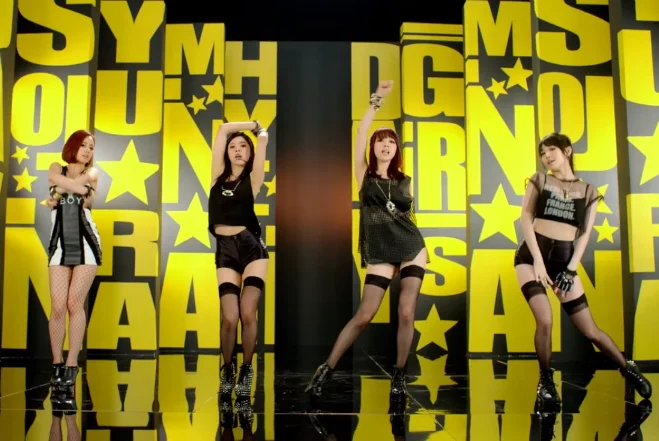
The 2012 presidential election in South Korea marked a significant turning point in the nation’s democratic history with the victory of Park Geun-hye, the first female head of state in East Asia. Representing the conservative Saenuri Party, Park secured a narrow but decisive victory, garnering 51.6% of the vote against her primary opponent, Moon Jae-in of the Democratic United Party. Her ascension to the Blue House (CheongWaDae) was met with international attention, as it signaled a potential shift in the patriarchal structures of South Korean society. However, the cultural response to this political milestone was varied, ranging from academic analysis of gender policy to pop-culture interpretations. One of the most visible cultural artifacts of this era was the release of the single "Female President" by the K-pop girl group Girl’s Day in June 2013. This release highlighted the complex relationship between political progress and commercial entertainment, raising questions about how women’s empowerment is defined and marketed within the South Korean media landscape.
Political Context: The Election of Park Geun-hye
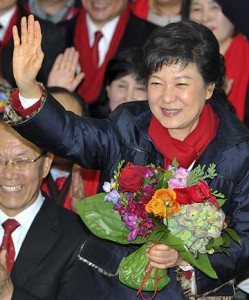
The election of Park Geun-hye on December 19, 2012, was an event steeped in both historical legacy and modern controversy. As the daughter of former President Park Chung-hee, who ruled South Korea for 18 years following a 1961 coup, Park Geun-hye’s candidacy was viewed through a polarized lens. Supporters revered her for her association with the "Miracle on the Han River"—the period of rapid economic growth under her father’s administration. Conversely, critics argued that her political rise was a byproduct of a dynastic legacy and expressed concern over her perceived reluctance to fully distance herself from the authoritarian aspects of her father’s rule.
Despite these divisions, her status as the first female president was objectively revolutionary for a nation that consistently ranked low on international gender equality indices. Upon her inauguration on February 25, 2013, Park promised a "second miracle on the Han River" and an era of "national happiness." Central to her platform was the concept of the "Creative Economy," which aimed to move South Korea beyond its traditional manufacturing roots into a technology-driven future. For many women in South Korea, her victory was seen as a symbolic shattering of the glass ceiling, regardless of their personal political affiliations.
Chronology of Cultural and Political Events (2012–2013)
The timeline leading to the intersection of political change and popular culture began in the late months of 2012:
- August 20, 2012: Park Geun-hye is officially nominated as the presidential candidate for the New Frontier (Saenuri) Party.
- December 19, 2012: Park wins the 18th South Korean presidential election, defeating Moon Jae-in.
- February 25, 2013: Park Geun-hye is inaugurated as the first female president of South Korea.
- March–April 2013: Girl’s Day gains significant public attention following their "Expectation" comeback, which marked a transition from their previous "cute" image to a more mature and "sexy" concept.
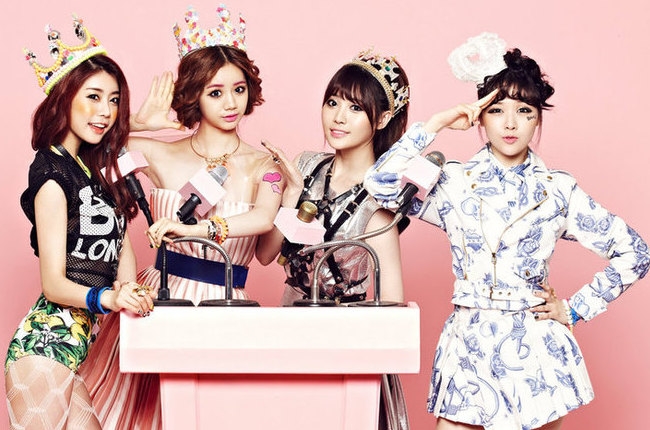
- June 24, 2013: Dream Tea Entertainment releases Girl’s Day’s repackaged album featuring the lead single "Female President," explicitly referencing the nation’s political climate in its title and marketing.
Supporting Data: The Socio-Economic Reality for Women in South Korea
While the election of a female president provided a symbolic victory, statistical data from the 2012–2013 period illustrated a stark contrast between political representation and the daily lives of South Korean women. According to reports from the Organisation for Economic Co-operation and Development (OECD), South Korea maintained the highest gender wage gap among all member nations during this time, with women earning approximately 36.3% less than their male counterparts.
Furthermore, the labor force participation rate for women in South Korea exhibited a distinct "M-curve." This phenomenon showed a high rate of participation for women in their 20s, which plummeted in their 30s as they left the workforce to marry and raise children, followed by a return to low-paying, part-time labor in their 40s and 50s. In 2013, the World Economic Forum’s Global Gender Gap Report ranked South Korea 111th out of 136 countries, placing it behind several developing nations in terms of economic opportunity and political empowerment for women.
Legal constraints also remained a significant point of contention. In 2013, abortion remained illegal in South Korea under most circumstances, with strict penalties for both medical providers and patients, except in cases where the mother’s health was at risk or in instances of rape or incest. This legislative environment provided the backdrop against which cultural products like "Female President" were consumed and critiqued.
Analysis of the K-pop Industry’s Use of Empowerment Narratives
The release of "Female President" by Girl’s Day served as a case study in how the K-pop industry utilizes social movements or political milestones as thematic dressing for commercial products. The song’s lyrics and music video were marketed as an anthem of female empowerment, yet critics noted that the scope of this empowerment was largely confined to the realm of romantic initiative.
The lyrics of "Female President" encourage women to be assertive in their romantic lives, specifically suggesting that women should not wait for men to initiate kisses or confessions of love. The chorus explicitly references the political landscape, stating: "The president of our country is now a woman / So what’s the problem? Why can’t a girl be the one to do it first?" This rhetorical question links the highest office in the land to the act of initiating a date, a comparison that several sociologists argued trivialized the systemic struggles women faced in the professional and legal spheres.
The visual presentation of the music video further complicated the message of empowerment. Utilizing high-budget sets, military-inspired fashion, and a narrative involving an androgynous portrayal by member Hyeri and a more traditionally feminine portrayal by member Minah, the video sought to project an image of strength. However, the use of "sexy" concepts—a staple of girl group marketing in the 2013 era—led to debates regarding whether the imagery was intended for female liberation or for the gratification of the male gaze, which remained the primary demographic for many third-tier girl groups at the time.
Official Responses and Industry Reactions
The reception of "Female President" within the music industry was largely focused on its commercial performance. The song was a significant hit for Girl’s Day, helping them solidify their position in the competitive "A-list" of girl groups following the success of their previous single, "Expectation." Dream Tea Entertainment, the group’s management agency, leaned heavily into the "girl power" branding, timing the release to capitalize on the media buzz surrounding the early months of the Park administration.
However, the Korea Communications Standards Commission (KCSC), which monitors broadcast content, maintained strict guidelines during this period regarding the "sexualization" of idols. While "Female President" did not face the same level of censorship as some of its contemporaries, the debate over "sexy concepts" vs. "empowerment" was a recurring theme in industry panel discussions. Critics from various media outlets, including cultural commentators in Seoul, noted that while the song was a catchy pop track, it lacked the depth to be considered a true social commentary. They pointed out that the "empowerment" offered was "safe" and did not challenge the underlying patriarchal norms of the corporate or political worlds.
Broader Impact and Implications for South Korean Society
The intersection of Park Geun-hye’s presidency and the cultural output of 2013 reflects a broader tension in South Korean society between symbolic progress and structural stagnation. The election of a female president did not immediately translate into improved rankings on the Gender Gap Index, nor did it lead to a significant narrowing of the wage gap during her tenure.
In the years following the release of "Female President," the discourse surrounding feminism in South Korea shifted dramatically. The 2016 "Megalian" movement and the subsequent "Escape the Corset" and "#MeToo" movements in South Korea brought a much more radical and policy-focused approach to women’s rights. Compared to these later movements, the 2013 "Female President" era is often viewed as a period of "soft feminism," where the language of empowerment was used primarily to sell music and reinforce consumerist identities.
Ultimately, the phenomenon of "Female President" serves as a historical marker. It captures a moment when South Korea was grappling with its identity as a modern, progressive democracy while still being firmly rooted in traditional social hierarchies. The song remains a notable entry in the K-pop canon, not necessarily for its contribution to feminist theory, but for its role as a mirror reflecting the aspirations and limitations of the time. As South Korea continues to navigate the complexities of gender equality, the 2012–2013 period remains a vital point of reference for understanding the gap between political symbols and lived reality.