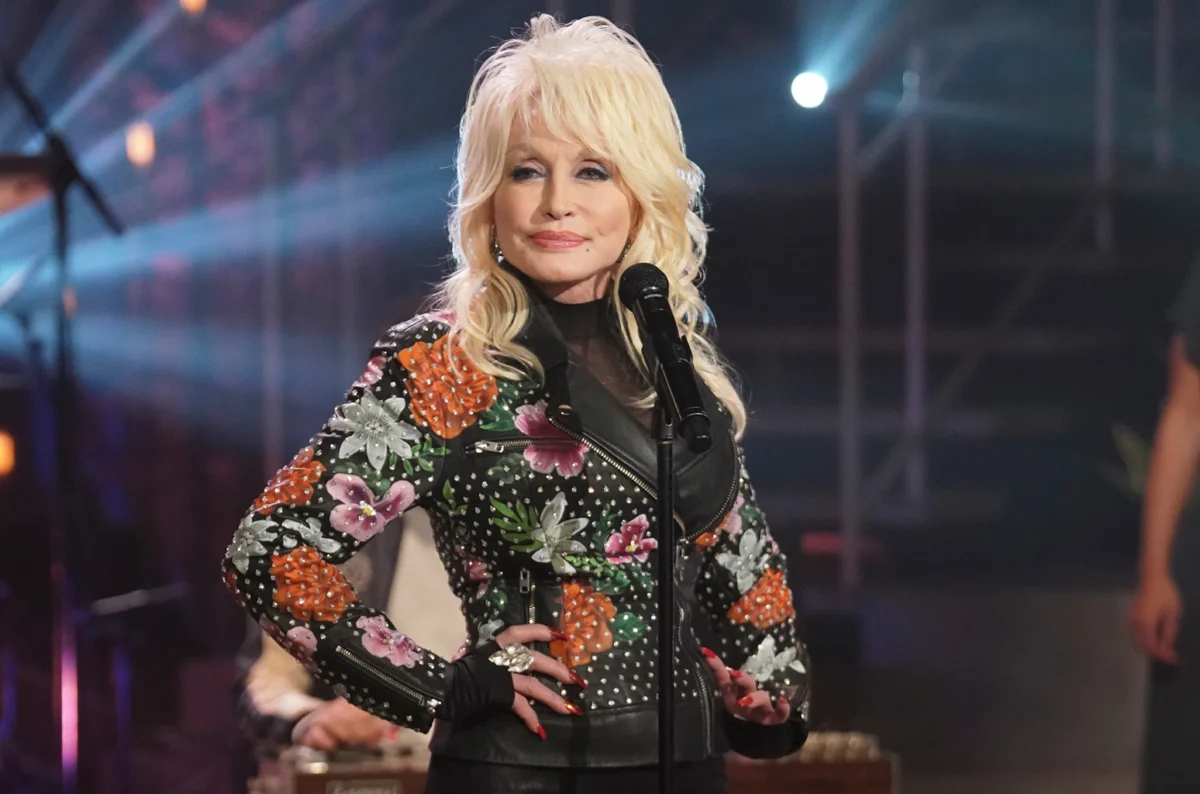
Dolly Parton, a titan of country music whose career has spanned over six decades, has not only dominated the genre’s charts but also demonstrated a remarkable ability to transcend musical boundaries, leaving an indelible mark on the Billboard dance charts. While her unparalleled success in country music, marked by over 100 charting hits on the Hot Country Songs ranking and a record-breaking 25 No. 1s among women, is widely celebrated, Parton’s ventures into the pulsating world of dance music reveal another facet of her enduring artistry and broad appeal. This exploration delves into her surprising and consistent presence on dance music charts, highlighting a career that consistently defied expectations and showcased her ability to connect with audiences across diverse musical landscapes.
Early Rhythms: The Disco Echoes of "Heartbreaker"
Parton’s initial flirtation with dance music began in 1978 with the release of her album Heartbreaker. While firmly rooted in country, the album incorporated disco-influenced elements, a testament to the prevailing musical trends of the era. Though Heartbreaker achieved a respectable No. 5 position on the Top Country Albums chart, its true impact on the dance scene would manifest through its singles.
The double-sided single "Baby I’m Burnin’" / "I Wanna Fall in Love" emerged as Parton’s first significant foray onto the dance charts. Released in early 1979, the tracks collectively reached No. 15 on the then-active Dance Club Songs chart. This early success signaled that Parton’s charismatic delivery and songwriting prowess could resonate beyond the confines of country music, captivating audiences in the burgeoning disco and club scene. The success of these tracks underscored a keen understanding of rhythm and arrangement, even within a country framework, hinting at a deeper musical versatility than many might have initially assumed.
"9 to 5" and Beyond: Charting a Course Through the 80s
The early 1980s saw Parton further cement her presence on the dance charts with another impactful release. In 1981, the pairing of "9 to 5" and "House of the Rising Sun" from the film 9 to 5, in which Parton co-starred, also found its way onto the Dance Club Songs chart. The iconic theme song, a staple of her live performances and a cultural touchstone, proved its mettle in dance environments, demonstrating its universal appeal. This period highlighted Parton’s ability to leverage her cinematic successes into broader musical impact, proving that her anthems could transcend their original contexts and find new life on the dancefloor.
Parton’s engagement with the Dance Club Songs chart continued throughout the 1980s. In 1983, "Potential New Boyfriend," bolstered by a nearly six-minute extended dance mix, further demonstrated her willingness to embrace and adapt to dance music production styles. The inclusion of extended mixes was a common practice in dance music to allow for greater DJ manipulation and extended playtime in clubs, and Parton’s participation in this format spoke to her commitment to reaching this audience. This period was crucial in establishing her as an artist who could consistently deliver material suitable for club play, not just as a novelty but as a genuine contender in the dance music space.
A Resurgence of Rhythms: The 90s and the Turn of the Millennium
The 1990s saw Parton continue to explore and expand her reach, even as the musical landscape evolved. Her 1997 cover of Cat Stevens’ "Peace Train" received a significant boost through various dance remixes. These remixes, including a notable version featuring the South African vocal group Ladysmith Black Mambazo, showcased a creative approach to reimagining classic tracks for a contemporary dance audience. The collaboration with Ladysmith Black Mambazo, in particular, demonstrated an adventurous spirit, blending Parton’s distinctive voice with world music influences and robust dance beats. This willingness to collaborate and experiment with different sonic palettes kept her relevant and introduced her music to a new generation of listeners.
Following a significant hiatus from the dance charts, Parton experienced a remarkable resurgence in the late 2010s and early 2020s, culminating in her most significant dance chart success.
"Faith" and the Apex of Dance Chart Dominance
In 2019, Parton collaborated with the Swedish electronic music duo Galantis and featured Mr. Probz on the track "Faith." This collaboration proved to be a watershed moment in her dance chart history. "Faith," a spirited dance reworking of John Hiatt’s 1987 song "Have a Little Faith in Me," became her first No. 1 hit on the Dance Airplay chart. The track also achieved a strong No. 10 position on the Hot Dance/Electronic Songs chart. This achievement was particularly significant, marking her first time topping a dance chart and solidifying her status as an artist capable of creating chart-topping hits across multiple genres well into the later stages of her career.
The release of "Faith" was accompanied by Parton’s public statements about her intention to create music that was uplifting and positive. At the Grand Ole Opry in 2019, she articulated her vision, stating, "This world is just so dark and ugly and awful… so I’m going to make it my business to try to do songs that are more uplifting, not all Christian-based songs, but songs about better things. Do better, and have a little more love, a little more light and don’t be so dark and dirty." This philosophy resonated deeply with audiences, and the infectious optimism of "Faith" served as a perfect embodiment of her message, propelling it to the top of the charts and demonstrating the enduring power of hope and positivity in music.
A Legacy of Genre-Bending: Beyond the Dancefloor
Parton’s success on the dance charts is part of a broader pattern of her willingness to explore and excel in genres beyond her country roots. Throughout her illustrious career, she has topped five of Billboard’s currently published radio charts: Adult Contemporary, Country Airplay, Christian Airplay, Christian AC Airplay, and, as noted, Dance Airplay. This remarkable versatility underscores her innate musicality and her ability to connect with a wide spectrum of listeners.
Her most recent studio album, Rockstar, released in 2023, further exemplifies this genre-spanning exploration. This album, her 49th studio release, marked another significant chart milestone, earning her first No. 1 on a Billboard rock chart when it topped the Top Rock Albums list. It also became her highest-charted entry on the Billboard 200, debuting and peaking at No. 3. The album featured covers of iconic rock anthems and collaborations with legendary artists such as Lynyrd Skynyrd, Joan Jett, Paul McCartney, and Ringo Starr, showcasing her continued ambition and her ability to engage with the rock community.
Analyzing the Implications: Dolly’s Universal Appeal
Dolly Parton’s consistent presence on Billboard’s dance charts, spanning from the late 1970s to the early 2020s, is a testament to several key factors. Firstly, it highlights her exceptional songwriting and vocal talent, which possess a universal appeal that transcends genre boundaries. Her ability to imbue even the most dance-oriented tracks with her signature warmth, authenticity, and emotional depth has allowed her to connect with diverse audiences.
Secondly, it reflects a strategic understanding of the music industry and a willingness to adapt to evolving trends. Parton and her team have consistently shown an openness to remixing her work and collaborating with contemporary artists, ensuring her music remained relevant and accessible to new generations. This forward-thinking approach has been instrumental in maintaining her long-term career trajectory.
Furthermore, her success on the dance charts speaks to the democratizing nature of modern music consumption. With the rise of streaming and digital platforms, the lines between genres have become increasingly blurred, allowing artists like Parton to find new audiences and achieve success in unexpected territories. The dance charts, in particular, have become a space where artists from various backgrounds can find a platform, and Parton’s consistent presence there underscores her ability to resonate with the energetic and inclusive spirit of dance music culture.
Finally, Parton’s dance chart achievements are a powerful reminder of her enduring cultural significance. She is not just a country music icon but a global entertainer whose influence continues to grow. Her ability to remain at the forefront of popular music for over half a century, while consistently reinventing herself and exploring new musical avenues, solidifies her status as one of the most influential and beloved artists of all time. Her dance chart successes, while perhaps less publicized than her country hits, are an integral part of this extraordinary legacy, demonstrating a remarkable capacity for reinvention and an unwavering connection with audiences across the musical spectrum. Her journey from the honky-tonks of country music to the pulsating beats of the dancefloor is a compelling narrative of artistic evolution and enduring star power.