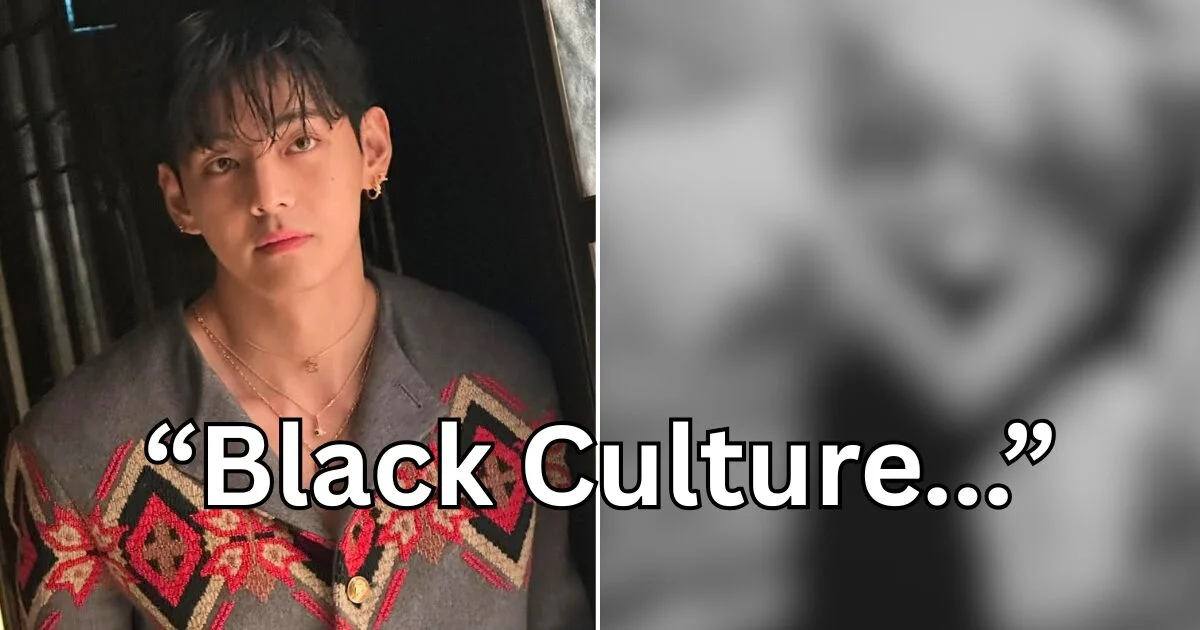
The global music landscape is no stranger to the polarizing nature of social media, particularly when it involves members of the world-renowned group BTS. Recently, Kim Taehyung, better known as V, found himself at the center of a heated online debate following the release of a new video on the social media platform TikTok. While the idol is often celebrated for his unique fashion sense, soulful voice, and eccentric personality, his latest digital appearance has drawn a wave of criticism that transcends mere fandom aesthetics, touching upon deeper issues of cultural sensitivity and perceived authenticity in the K-pop industry.
The controversy began in late August 2026, when V uploaded a short video to his official TikTok account. In the clip, the singer is seen engaging in a series of stylized movements and expressions, a common practice for idols looking to engage with the platform’s younger, trend-driven demographic. Initially, the video was met with the expected fervor from his dedicated fanbase, ARMY, who praised his visual appeal and charisma. However, the narrative shifted dramatically when the video was cross-posted to X (formerly Twitter) by the influential pop culture account @TheePopCore. Once the content reached a broader, more diverse audience, the tone of the conversation turned from admiration to sharp critique.
The Nature of the Backlash: From "Cringe" to Cultural Appropriation
The criticisms leveled against V’s TikTok video fall into two primary categories: aesthetic disapproval and allegations of cultural appropriation. The first wave of negative responses focused on the idol’s mannerisms in the video. Several netizens labeled the behavior as "stupid" or "cringy," suggesting that the performative nature of the clip felt forced or out of character for the 30-year-old artist. Comments on X, such as those from users @Toadtanked and @jen_ryw, highlighted a sense of disconnect between V’s established "cool" persona and the "try-hard" energy perceived in the video.
However, the more significant and socially charged criticism involved accusations of "blackfishing" or cultural appropriation. A segment of the online community argued that V was adopting mannerisms, gestures, and an overall "vibe" traditionally associated with Black culture and hip-hop aesthetics. This is not a new conversation in the realm of K-pop, an industry that has faced decades of scrutiny for its heavy reliance on Black musical genres and styles while sometimes failing to acknowledge the cultural origins or the systemic struggles of the communities it draws from.
One viral tweet from user @jentleggyu stated, "now he wants to be black so bad," reflecting a sentiment shared by several others who felt the idol was "performing" a caricature of Blackness. Other users pointed out the perceived hypocrisy in the industry, where idols are often praised for their "swag" or "hip-hop" image, while the Black creators and communities who originated those styles face discrimination or lack of representation within the same markets.
A Chronology of the Controversy
To understand the weight of this controversy, it is essential to look at the timeline of events that led to the current discourse.
- August 24, 2026: V uploads the TikTok video to his official account. Within hours, it garners millions of views and likes.
- August 24, 2026 (Midday): The account @TheePopCore reposts the video on X with the caption, "Taehyung looks insanely cool and fine in a new video." This post serves as the catalyst for the video’s migration into non-fandom circles.
- August 24–25, 2026: Negative quote-retweets begin to trend. Critics focus on the "cringe" factor, while others begin to raise concerns regarding the appropriation of Black mannerisms.
- August 25–26, 2026: The conversation evolves into a broader debate about the "K-pop to Black culture pipeline." Comparisons are made to other idols and groups, such as KISS OF LIFE and the trainee/artist referred to as Tarazzan, who have previously faced "cancellation" or heavy backlash for similar issues.
- August 27, 2026: The controversy reaches mainstream K-pop news outlets, sparking a wider discussion on the responsibilities of global superstars in navigating cultural boundaries.
The Context of Cultural Appropriation in K-Pop
The allegations against V do not exist in a vacuum. K-pop, as a genre, was founded on the fusion of Western pop, R&B, and hip-hop with Korean sensibilities. From the early days of Seo Taiji and Boys to the modern dominance of groups like BTS and BLACKPINK, the influence of Black culture is undeniable. However, the line between appreciation and appropriation has often been blurred.
In recent years, the global expansion of K-pop has led to increased accountability. International fans, particularly those from the African diaspora, have been vocal about the misuse of sacred or culturally significant symbols, such as cornrows, box braids, and the use of African American Vernacular English (AAVE). In V’s case, the criticism didn’t stem from a specific hairstyle or word, but rather from "gestural appropriation"—the adoption of specific physical ticks and attitudes that are perceived as an attempt to "act Black" for the sake of a "cool" aesthetic.
Netizens such as @eviln3ko_ expressed a common frustration: "they love taking black culture but hate black people for some reason." This sentiment points to a perceived disconnect where Korean idols utilize Black aesthetics to build a global "hip" brand, yet the industry at large remains insulated from the social realities of the people whose culture they are emulating.
Comparison and the "Double Standard" Argument
One of the most recurring themes in the backlash against V was the perceived double standard in how different idols are treated by the general public and fandoms. Users on X highlighted that smaller groups or female idols often face career-threatening backlash for minor cultural missteps, whereas members of "Big 3" or HYBE groups—particularly BTS—are often shielded by their massive, protective fandoms.
The mention of KISS OF LIFE and other artists who have faced "cancellation" serves as a point of comparison. Critics argue that if a rookie idol had posted a similar video, the repercussions would have been swifter and more severe. This dynamic creates a tension within the K-pop community, where "stan culture" often clashes with social justice advocacy, leading to a stalemate in productive dialogue.

The Role of HYBE and Artist Management
As of the time of this report, neither V nor his agency, BIGHIT MUSIC (a subsidiary of HYBE), has issued an official statement regarding the TikTok controversy. This silence is typical for the agency, which generally avoids addressing "netizen-led" controversies unless they involve legal matters or significant brand damage.
However, industry analysts suggest that as BTS members continue their solo careers and navigate their 30s, the management of their digital personas becomes increasingly complex. V, in particular, has leaned heavily into jazz, R&B, and soul influences for his solo work, such as his album Layover. While these genres are deeply rooted in Black history, V’s personal brand has largely been one of "classic elegance" and "vintage aesthetics." The TikTok video in question represented a departure from this brand, which may have contributed to the "cringe" reaction from those who found the shift in behavior jarring.
Broader Implications for the K-Pop Industry
The controversy surrounding V’s TikTok is a microcosm of the growing pains the K-pop industry is experiencing as it solidifies its place as a permanent fixture in the global music market. As idols become global ambassadors for luxury brands and cultural icons on the world stage, their every move is scrutinized through a global lens, not just a domestic one.
The implications of this event are twofold:
- The Need for Cultural Sensitivity Training: There is a growing demand for K-pop agencies to implement comprehensive cultural sensitivity training for their artists. Understanding the history and weight of the cultures they draw from is no longer optional; it is a necessity for maintaining a positive global reputation.
- The Evolution of Social Media Engagement: The "TikTok-ification" of K-pop—where idols are encouraged to participate in viral challenges and "low-effort" content—can sometimes backfire. What works for a teenager in a bedroom may not translate well for a global superstar, leading to moments that feel inauthentic or, in this case, culturally insensitive.
In conclusion, while V remains one of the most beloved figures in music, this latest controversy highlights the thin line that global icons must walk. The debate over his TikTok video is more than just a "fan war" or a moment of "cringe"; it is a reflection of the ongoing conversation regarding cultural ownership, the ethics of global pop music, and the high expectations placed upon those at the pinnacle of the industry. Whether this incident will lead to a change in how V or HYBE approaches social media remains to be seen, but it has undoubtedly added another layer to the complex relationship between K-pop and its global audience.