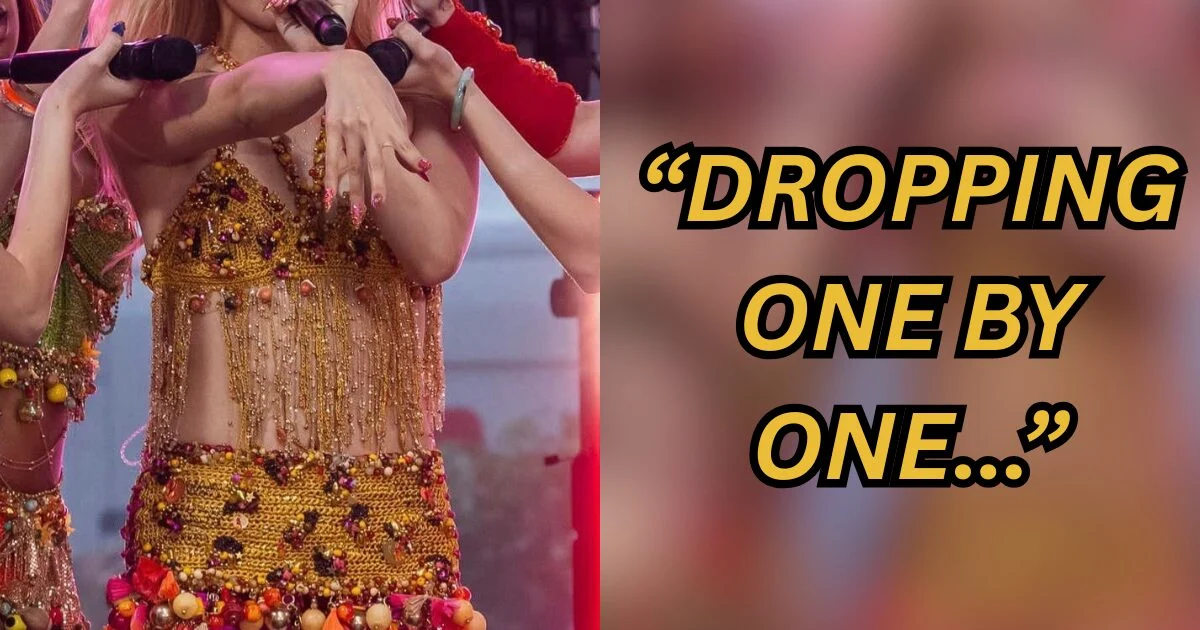
HYBE and Geffen Records’ highly anticipated global girl group, KATSEYE, faces a critical juncture in its nascent career following the abrupt withdrawal from Olivia Rodrigo’s Daisy Chain Fields festival. The decision, announced on August 28, 2026 (KST), was necessitated by member Megan sustaining an ankle sprain during rehearsals, leading to a doctor’s recommendation for rest. This latest setback has ignited a fresh wave of discontent among fans, exacerbating pre-existing anxieties about member welfare, management practices, and the group’s overall trajectory, with many voicing fears that their worst concerns about KATSEYE’s stability are materializing.
KATSEYE’s Genesis: A Global Ambition
KATSEYE was formed through the ambitious global audition program, The Debut: Dream Academy, a collaborative venture between South Korean entertainment giant HYBE Corporation and American record label Geffen Records, a subsidiary of Interscope Geffen A&M. Launched with the explicit goal of creating a truly international pop sensation, the program garnered significant global attention, drawing thousands of hopefuls from around the world. After a rigorous selection process that spanned several months and involved extensive fan voting and expert evaluations, six members – Sophia, Lara, Manon, Megan, Daniela, and Yoonchae – were unveiled to form KATSEYE. The group’s formation was heralded as a groundbreaking move, promising to blend K-pop’s rigorous training and production values with Western pop sensibilities, aiming for unprecedented global reach. Their debut was met with considerable hype, positioned as a flagship project for HYBE’s expansion into the global market beyond its established K-pop acts. The initial excitement was palpable, with fans eagerly anticipating a new era of global pop music.
A Troubling Chronology of Absences and Growing Discontent
Even prior to Megan’s recent injury, KATSEYE’s journey has been marked by a series of challenges that have progressively eroded fan confidence. A significant point of contention arose with the previously announced hiatus of member Manon. While specific details regarding the cause of her absence were not extensively disclosed by the agencies, fan discussions, as evidenced by social media posts, hinted at issues ranging from health concerns to allegations of "racist treatment from the agency." The lack of transparent communication surrounding Manon’s situation fueled widespread speculation and frustration among the fanbase, with many demanding clearer explanations and expressing solidarity with the member. This initial period of uncertainty left a lingering sense of unease, raising questions about the group’s internal dynamics and the management’s approach to member well-being and public relations.
The latest announcement regarding Megan’s ankle injury during rehearsal for the Daisy Chain Fields festival has unfortunately compounded these existing concerns. The official notice, disseminated through KATSEYE’s social media channels, stated that Megan had suffered a sprained ankle and was advised by medical professionals to rest for proper recovery. While such injuries are not uncommon in the physically demanding world of idol performance, the timing and context of this incident have amplified fan anxieties. Coming on the heels of Manon’s hiatus, Megan’s injury has created a pattern of member absences that has led many to critically re-evaluate the group’s management and the demanding schedule imposed on its artists.
The Daisy Chain Fields Festival: A Missed Opportunity
The Daisy Chain Fields festival, hosted by acclaimed artist Olivia Rodrigo, represented a significant opportunity for KATSEYE. Participating in such a high-profile event would have provided invaluable exposure to a broad, international audience, enhancing their visibility and solidifying their presence in the global music scene. For a relatively new group, live performances at major festivals are crucial for building a dedicated fanbase, showcasing their talent, and generating buzz. The festival’s association with Olivia Rodrigo, a globally recognized pop icon, would have offered an unparalleled platform for KATSEYE to reach millions of potential new listeners and demonstrate their performance capabilities.
Adding another layer of complexity, several fans on social media speculated about the financial implications of the withdrawal, particularly given the festival’s likely charitable or non-profit nature. Tweets suggested that HYBE X Geffen’s decision to pull out might have been influenced by the lack of direct financial gain, implying that the companies prioritize profit over opportunities for exposure or goodwill if a member is injured. This perception, whether accurate or not, further fueled fan resentment, contributing to a narrative of corporate indifference to both artist welfare and fan expectations. This particular angle of fan speculation highlights a broader distrust that can develop between fans and management, especially when transparency is perceived as lacking.
A Spectrum of Fan Reactions: Disappointment, Anger, and Fear
The announcement of KATSEYE’s withdrawal from the Daisy Chain Fields festival immediately triggered a diverse and intense array of reactions across social media platforms, predominantly Twitter (now X). These reactions underscore the deep emotional investment fans have in the group and their growing dissatisfaction with the perceived handling of KATSEYE’s career.
A significant portion of the fanbase expressed profound frustration over what they perceived as the group being overworked. Tweets flooded timelines demanding that the agencies, HYBE and Geffen, "give these girls a break" and acknowledge the intense physical and mental toll of a demanding idol schedule. Calls for the cancellation or postponement of KATSEYE’s upcoming tour gained traction, reflecting a widespread belief that the members’ health and well-being should take precedence over performance commitments. This sentiment is rooted in a broader K-pop industry discourse where rigorous training regimens, packed schedules, and constant promotional activities are often criticized for pushing idols to their physical and emotional limits.
Conversely, some fans reacted with anger, criticizing the decision to withdraw entirely. Drawing parallels to Manon’s previous hiatus, these fans argued that "the show must go on," suggesting that the group should perform as a quartet, or even a trio, rather than canceling a significant appearance. This viewpoint, while seemingly contradictory to the "overwork" narrative, stems from a desire for the group to maintain momentum and not miss opportunities, possibly reflecting a "tough love" approach or a belief that a group’s strength lies in its ability to adapt and perform even with fewer members. The tweets explicitly stating "KATSEYE IS BIGGER THAN ONE GIRL" or "three is okay too!" highlight this faction’s focus on the group’s collective entity and continued presence, even at the cost of a member’s temporary absence. This faction’s reaction also implicitly criticized what they saw as inconsistency in how member absences were handled, questioning why Manon’s hiatus seemed to invite a different response from the agency compared to Megan’s injury.
Perhaps the most alarming trend among fan reactions was the pervasive fear for KATSEYE’s long-term viability. Multiple tweets expressed a chilling sense of déjà vu, noting that "katseye members dropping one by one" and speculating that the group was "slowly losing members." The recurring theme of "down a member every two weeks" and "I rlly do fear for the longevity of this group sometimes" painted a grim picture of uncertainty. This cumulative anxiety culminated in outright calls for disbandment, with some fans arguing that the group’s current state – "going from a 6 member group to 3 with 2 sick members and 1 member facing racist treatment from the agency" – rendered its future unsustainable. These desperate calls reflect a profound loss of faith in the management’s ability to navigate these challenges and ensure the group’s stability and success. The sentiment that "at this point just disband" or "katseye disband by the end of the year" signifies a deep level of disillusionment and exhaustion among a segment of the fanbase.
Industry Context: Idol Welfare and Management Practices

The situation surrounding KATSEYE is not isolated but rather reflects a growing, industry-wide debate about idol welfare and the sustainability of demanding K-pop training and promotional systems. The K-pop industry is renowned for its intense competition, rigorous training, and relentless schedules, which often involve extensive rehearsals, recordings, promotional tours, and public appearances. While this demanding environment is credited with producing highly skilled and captivating performers, it also raises significant concerns about the physical and mental health of idols.
Recent years have seen increased scrutiny from fans, media, and even within the industry itself regarding how agencies manage idol well-being. Injuries like Megan’s ankle sprain are common due to the intricate choreography and high-energy performances required. However, the cumulative effect of such incidents, especially when paired with other absences and a perceived lack of transparency, can severely impact a group’s momentum and public image. Agencies are often caught in a delicate balance between fulfilling contractual obligations, maximizing promotional opportunities, and safeguarding their artists’ health. Public perception of how these dilemmas are handled can significantly sway fan loyalty and the group’s overall trajectory. The expectation for idols to maintain a flawless image and an almost superhuman work ethic often clashes with the reality of human limitations, leading to burnout, injuries, and mental health struggles that are increasingly being brought into public discourse.
Implications for KATSEYE and HYBE X Geffen
Megan’s injury and KATSEYE’s withdrawal from the Daisy Chain Fields festival carry significant implications for the group’s immediate future and its long-term prospects. For KATSEYE, this incident could further stall their momentum, particularly as a relatively new group striving to establish a firm foothold in a competitive global market. Consistent visibility and performance are paramount for rookie groups, and repeated absences or performance cancellations can hinder their ability to connect with fans and build a strong brand identity. The negative sentiment generated could also impact future album sales, streaming numbers, and attendance at their anticipated tour dates.
For HYBE and Geffen, the challenge lies in restoring fan trust and demonstrating a clear commitment to their artists’ well-being. The current wave of criticism highlights a potential disconnect between the companies’ global ambitions for KATSEYE and the execution of their artist management strategies. Transparent communication, swift and empathetic responses to health concerns, and a demonstrable prioritization of idol welfare over relentless schedules will be crucial. Failure to address these concerns effectively could lead to further erosion of fan loyalty, potentially impacting the group’s commercial success and the reputation of both parent companies. The perception that financial considerations influenced the festival withdrawal, even if unfounded, is damaging and requires careful public relations management.
Looking ahead, the agencies must meticulously re-evaluate KATSEYE’s schedule, ensuring that adequate rest and recovery periods are factored in. Proactive measures to prevent injuries and support mental health will be vital for the group’s sustained success. Clear and timely communication regarding member health and group activities can mitigate fan anxieties and prevent speculation from spiraling. The longevity of KATSEYE, a group envisioned as a global phenomenon, now hinges not only on their musical talent but also on the strength of their management’s ability to navigate these complex challenges with transparency, care, and strategic foresight. The path forward demands a delicate balance of ambitious promotion and unwavering commitment to the well-being of its members to ensure KATSEYE can overcome these early hurdles and fulfill its promising potential.