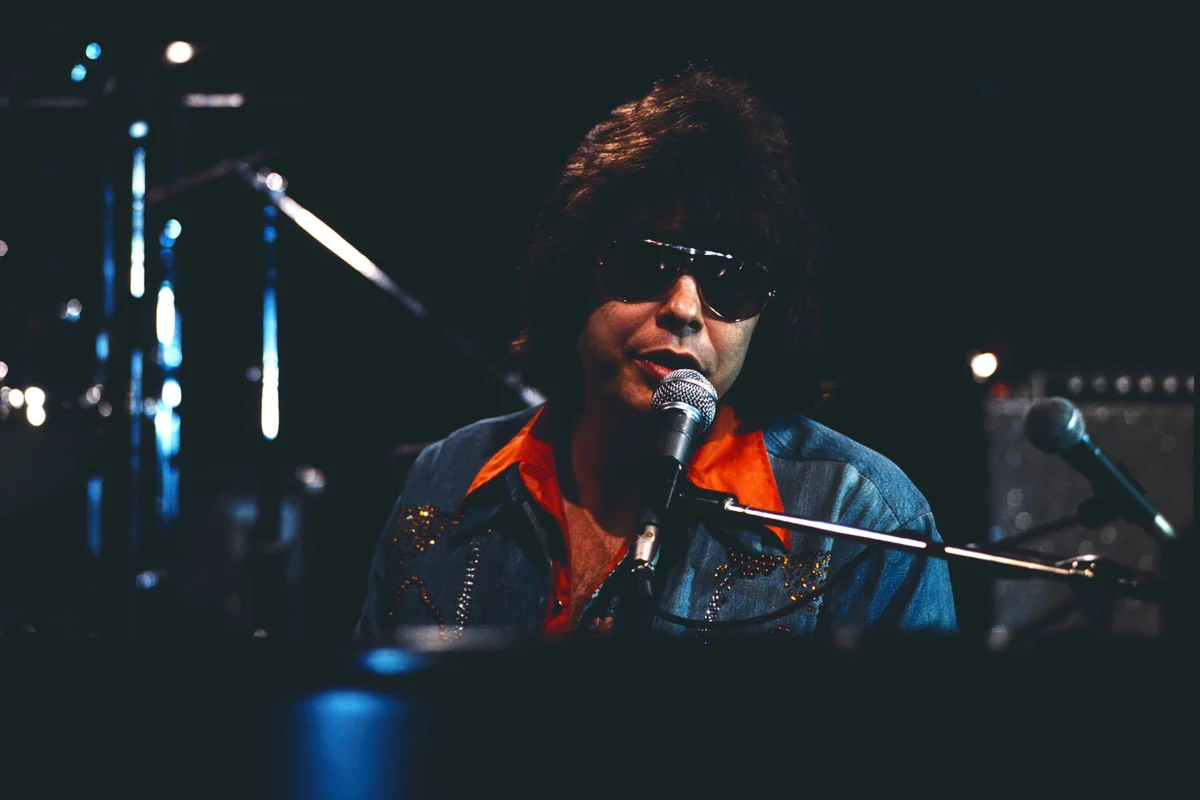
When Ronnie Milsap’s “(I’m a) Stand by My Woman Man” ascended to the pinnacle of Billboard’s Hot Country Songs chart on August 28, 1976, its public triumph masked a significant private dispute that would echo through the annals of music copyright. The signature piano lick, a seemingly innocuous melodic flourish, became the focal point of a copyright infringement claim that ultimately led to a revision of the song’s writing credits. This incident serves as a compelling case study in the intricate relationship between musical inspiration, artistic homage, and the legal frameworks designed to protect intellectual property in the music industry.
The Genesis of a Hit and a Dispute
The recording sessions for Milsap’s chart-topping single took place at the renowned RCA Studio A, a hallowed ground for country music production. Producer Tom Collins, a seasoned professional known for his work with artists like Barbara Mandrell and Steve Wariner, sought a particular musical texture for the chorus of “(I’m a) Stand by My Woman Man.” He enlisted the expertise of legendary session pianist Hargus “Pig” Robbins, a musician whose distinctive touch graced countless hit records. Collins’s request was for Robbins to craft a piano fill that evoked the style of George Jones or Tammy Wynette, two titans of country music whose vocal and musical signatures were deeply ingrained in the genre.
The song’s title, “(I’m a) Stand by My Woman Man,” bore an undeniable sonic resemblance to Tammy Wynette’s iconic 1968 anthem, “Stand by Your Man.” This parallel was not lost on Robbins. In his creative process, he devised a piano fill that, intentionally or not, echoed a similar melodic phrase he had previously played on Wynette’s monumental hit. This melodic echo, while perhaps intended as a subtle nod or a creative interpretation within the spirit of the genre, would soon become the catalyst for legal contention.
The Lawsuit and its Aftermath
Following the release of Milsap’s recording, which swiftly climbed the charts and secured the No. 1 position, publisher Al Gallico reportedly initiated legal proceedings against Tom Collins. The core of Gallico’s claim was copyright infringement, alleging that the piano lick in Milsap’s song constituted an unauthorized appropriation of material from “Stand by Your Man.” The specifics of the alleged infringement centered on the distinctive piano passage, which, in the eyes of the publisher, crossed the line from homage to infringement.
The legal ramifications of this claim were significant. While the exact terms of any settlement or court ruling are not publicly detailed, the outcome was a revision of the songwriting credits for “(I’m a) Stand by My Woman Man.” According to the BMI.com Songview database, the song’s original credited songwriter, Kent Robbins (who also penned hits for John Anderson and George Strait), now shares writing credit with Tammy Wynette and her influential producer and songwriter, Billy Sherrill. This posthumous addition of Wynette and Sherrill to the songwriting credits underscores the perceived connection to “Stand by Your Man” and the legal resolution that sought to acknowledge that connection. Kent Robbins, who passed away in 1997, is not related to Hargus “Pig” Robbins.
Chronology of Success and Legal Entanglement
The journey of “(I’m a) Stand by My Woman Man” from conception to chart-topping status and subsequent legal challenge can be traced through a specific timeline:
- August 28, 1968: Tammy Wynette records and releases “Stand by Your Man,” which becomes an enduring classic and a cultural touchstone.
- July 10, 1976: “(I’m a) Stand by My Woman Man” makes its debut on the Billboard Hot Country Songs chart.
- August 28, 1976: The song reaches the No. 1 position on the Billboard Hot Country Songs chart, marking the sixth of Ronnie Milsap’s 35 career chart-toppers. This date is notable for its coincidence with the original recording date of Wynette’s “Stand by Your Man.”
- Post-August 1976: Publisher Al Gallico reportedly files a copyright infringement lawsuit against producer Tom Collins.
- February 1977: Ronnie Milsap receives the Grammy Award for Best Country Vocal Performance by a Male for his performance on the song.
- Undetermined Date (post-lawsuit): Songwriting credits for “(I’m a) Stand by My Woman Man” are revised to include Tammy Wynette and Billy Sherrill, alongside Kent Robbins, as reflected in the BMI.com Songview database.
- Undetermined Date (post-lawsuit): Kent Robbins receives a Country Music Association nomination for Best Country Song for his work on “(I’m a) Stand by My Woman Man.”
Musical Context and Influences
The incident surrounding “(I’m a) Stand by My Woman Man” highlights a pervasive element within popular music: the subtle art of musical quotation and influence. Artists and producers often draw inspiration from the work of their predecessors, incorporating familiar melodic phrases, harmonic structures, or instrumental textures to evoke specific emotions or connect with established artistic traditions. In country music, in particular, a shared vocabulary of musical ideas and lyrical themes has historically fostered a sense of continuity and shared heritage.
Tammy Wynette’s “Stand by Your Man” is not merely a song; it is a cultural artifact. Its themes of unwavering marital devotion and its powerful, emotive delivery resonated deeply with audiences and set a benchmark for female country vocalists. The song’s musical arrangement, including its memorable instrumental breaks, became intrinsically linked to its meaning and impact.
Hargus “Pig” Robbins, a master of his craft, was known for his ability to craft piano parts that were both technically brilliant and emotionally resonant. His contributions to Milsap’s song were intended to enhance its narrative and sonic appeal. The fact that his fill bore a resemblance to a part he had played on “Stand by Your Man” speaks to the interconnectedness of musical ideas within the genre and the challenges of distinguishing between genuine inspiration and copyright infringement.
Broader Implications and Industry Analysis
The legal dispute over “(I’m a) Stand by My Woman Man” carries several significant implications for the music industry:
- The Subjectivity of Copyright: Copyright law in music often grapples with the subjective nature of creative expression. While clear instances of direct copying are actionable, the boundaries of what constitutes a derivative work or infringement based on melodic similarity can be a gray area. This case underscores the potential for legal challenges to arise from even subtle musical connections.
- The Role of the Publisher: Music publishers play a crucial role in both promoting artists and safeguarding the intellectual property of their catalog. Al Gallico’s actions demonstrate a publisher’s diligence in protecting what they perceive as their rights, even when it involves a chart-topping hit.
- The Impact on Songwriting Credits: The revision of songwriting credits has a direct impact on royalty distribution, legacy, and recognition. In this instance, it led to Wynette and Sherrill, icons in their own right, being formally acknowledged for their influence on a song that became a significant hit for another artist.
- A Precedent for Musical Homage: While this case involved a legal challenge, it also implicitly addresses the acceptable boundaries of musical homage. The outcome suggests that while borrowing melodic ideas is common, significant similarities, especially when linked to a well-known and protected work, can invite legal scrutiny.
Official Responses and Artist Perspectives (Inferred)
While direct quotes from the parties involved regarding the lawsuit are not readily available in the provided text, one can infer potential reactions and perspectives:
- Ronnie Milsap: As the performer, Milsap was likely focused on the success of his recording and the accolades it garnered. The legal dispute, while impacting the song’s credits, may have been largely handled by his management and the record label. His Grammy win and CMA nomination for the song suggest it was a creatively and commercially successful venture for him.
- Tom Collins (Producer): As the producer and the target of the lawsuit, Collins would have been directly involved in the creative decisions leading to the disputed piano lick. His role in prompting Robbins to create a fill in the vein of Jones or Wynette suggests an awareness of the genre’s traditions and a desire to leverage them. The lawsuit implies a disagreement over whether his production choices crossed a legal line.
- Hargus “Pig” Robbins (Pianist): Robbins, a consummate professional, was likely following artistic direction. The creation of the lick was a product of his skill and interpretation of the producer’s request. He may have been unaware of the extent to which his playing would later become a point of contention.
- Al Gallico (Publisher): As the plaintiff, Gallico’s motivation was to protect the copyright of “Stand by Your Man” and ensure fair compensation for its use. His actions reflect a strong stance on intellectual property rights within the music publishing realm.
- Kent Robbins (Songwriter): As the original credited songwriter, Kent Robbins would have been the primary party defending against the infringement claim. The subsequent sharing of credit suggests a resolution that acknowledged the publisher’s claim, potentially through a settlement that avoided a protracted legal battle.
The Enduring Legacy of a Song and a Dispute
The story of “(I’m a) Stand by My Woman Man” is more than just a footnote in music history; it is a testament to the complex interplay of creativity, commerce, and law. The song’s journey from a chart-topping hit to the subject of a copyright dispute highlights the challenges faced by artists and creators in navigating the legal landscape of intellectual property. The revised songwriting credits serve as a lasting reminder of the interconnectedness of musical ideas and the sometimes contentious process of assigning authorship and ownership in the collaborative world of music production.
The fact that the song achieved such widespread success, garnered a Grammy, and earned a CMA nomination, all while embroiled in a legal battle, speaks to the resilience of artistic creation. It also underscores the critical importance of understanding and respecting copyright laws, ensuring that inspiration and homage do not inadvertently lead to infringement. The legacy of “(I’m a) Stand by My Woman Man” continues to resonate, not only for its musical merits but also as an educational example in the ongoing dialogue surrounding music copyright.