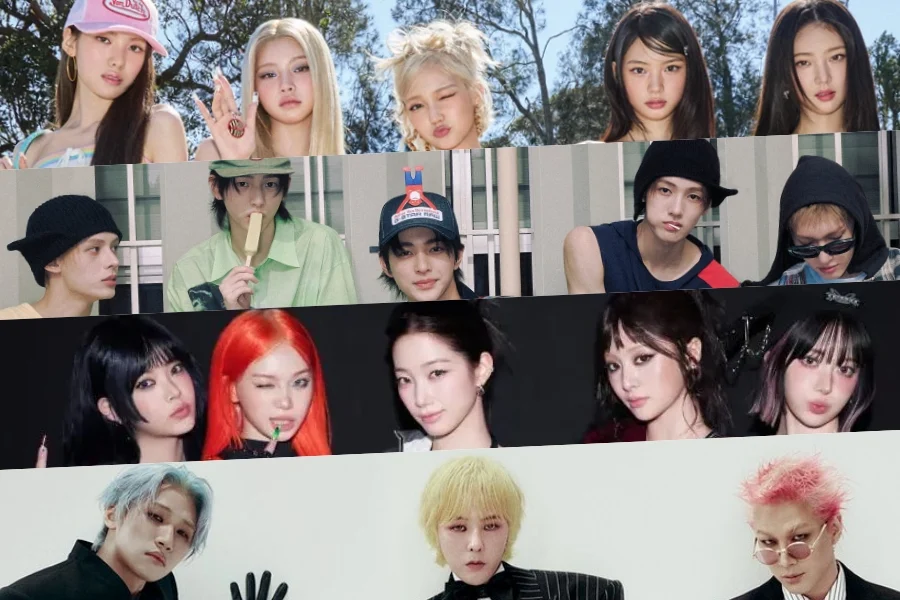
The sonic landscape of contemporary K-pop is currently experiencing a significant revival of the signature sounds that defined the early 2010s party anthems. This trend, characterized by infectious electronic dance music (EDM) influences, distinctive autotune vocalizations, and undeniably catchy melodies, is resonating deeply with a generation of listeners who came of age during that era, while also capturing the attention of newer audiences. This resurgence is not merely a fleeting trend but a testament to the enduring appeal of a musical style that prioritized infectious energy and communal celebration. The current wave of K-pop releases incorporating these elements serves as a potent trigger for Millennial nostalgia, offering a familiar yet fresh auditory experience that invites listeners to relive past moments of carefree revelry.
The Resurgence of 2010s Party Anthems in K-Pop
The early 2010s were a pivotal period for the global expansion of K-pop, marked by a distinct musical identity that blended K-pop’s inherent genre fluidity with burgeoning global trends. EDM, in particular, was a dominant force in Western music during this time, and K-pop artists adeptly incorporated its pulsating beats, synth-driven melodies, and often, its characteristic vocal processing techniques, such as autotune, into their tracks. This fusion created a unique sound that was both innovative and broadly accessible, contributing significantly to K-pop’s growing international appeal.
Today, a new generation of K-pop artists and groups are revisiting and reinterpreting these foundational sounds. This revival is particularly evident in songs designed for high-energy performance and widespread appeal, often labeled as "party tracks." These songs frequently feature a dynamic interplay between electronic beats and vocal performances, with autotune employed not just as a corrective tool but as a stylistic embellishment that adds a distinct, often playful, texture to the vocals. The lyrical themes often revolve around celebration, enjoyment, and a sense of liberation, mirroring the spirit of the original 2010s party anthems.
Case Studies: K-Pop Tracks Driving the Nostalgia Wave
Several recent K-pop releases stand out as prime examples of this trend, each offering a unique take on the 2010s party sound while catering to a broad spectrum of listeners.
1. KiiiKiii – "Pop Off Pop Off"
KiiiKiii’s comeback track, "Pop Off Pop Off," has been widely recognized for its direct evocation of the 2010s party vibe, drawing comparisons to the celebratory anthems of that era. The song masterfully fuses robust EDM elements with understated vocal lines that are enhanced by stylistic autotune. This combination creates an undeniably danceable track that serves as an immediate mood-lifter. The inherent optimism and energetic tempo of "Pop Off Pop Off" make it an ideal addition to any playlist aimed at boosting spirits. Furthermore, the accompanying music video’s fashion choices have been lauded for their "throwback chic," reinforcing the song’s nostalgic appeal. This track exemplifies how contemporary artists can channel the essence of a past era while delivering a fresh, engaging sound.
2. BIGBANG – "Biiig"
As pioneers of the 2010s party K-pop sound, BIGBANG’s return with "Biiig" was met with significant anticipation. This release delivers on expectations, offering a surprisingly laid-back yet impactful track. The understated groove is amplified by a prominent bassline that underpins the chorus, creating an irresistible rhythm that appeals to a wide audience. The vocal arrangements are characterized by their simplicity and smoothness, ensuring the melodies become instantly memorable. This approach to songcraft, where accessibility and infectiousness are paramount, was a hallmark of BIGBANG’s success in the 2010s and continues to resonate today. The track’s ability to lodge itself in the listener’s memory after a single play speaks to its expertly crafted, ear-worm quality.
3. BABYMONSTER – "SUGAR HONEY ICE TEA"
BABYMONSTER’s "SUGAR HONEY ICE TEA" immediately signals its 2010s party track intentions with its opening sequence featuring a classic autotune slide-up. This song is designed to be incredibly catchy, with its melodic hooks embedding themselves in the listener’s mind in the most enjoyable way. Its deceptive simplicity makes it an easy choice for impromptu dancing, regardless of the setting. The track builds towards a powerful conclusion, culminating in a "party remix" at the end that amplifies the energy and provides a satisfying, high-impact finish. This dynamic structure, combined with its infectious melody, makes "SUGAR HONEY ICE TEA" a standout example of the contemporary interpretation of the 2010s party sound.
4. SEVENTEEN’s BSS (BooSeokSoon) – "singasong"
SEVENTEEN’s sub-unit BSS (BooSeokSoon), known for their vibrant and energetic performances, delivers "singasong," a track that masterfully blends the 2010s party aesthetic with the nostalgic charm of old-school video game soundtracks. This fusion results in a song that is simultaneously chill and invigorating. "singasong" showcases the distinct sonic identities of SEVENTEEN’s sub-units, with BSS offering a sound that is uniquely their own. The light, airy melody is cleverly contrasted by Vernon’s bass-heavy, bouncy rap delivery, creating a dynamic juxtaposition that prevents the song from becoming monotonous. The track’s inherent vibe makes it a perfect fit for a house party setting, evoking the celebratory atmosphere of 2012. This track highlights the versatility of the 2010s party sound, demonstrating its adaptability across different K-pop units and styles.
5. LE SSERAFIM – "CELEBRATION"
LE SSERAFIM’s "CELEBRATION" is a meticulously crafted throwback track designed to appeal to both thirty-somethings seeking a dose of nostalgia and younger audiences discovering the sound for the first time. The song achieves a delicate balance by juxtaposing a robust EDM backing with LE SSERAFIM’s signature light and airy vocals, preventing the overall sound from becoming overwhelming. This careful arrangement results in what can be described as "2010s perfection." The chorus, in particular, is exceptionally memorable and possesses a distinctly "club-coded" energy, making it an instant anthem for celebratory occasions. This track demonstrates LE SSERAFIM’s ability to interpret and revitalize past musical trends with their unique artistic sensibility.
6. CORTIS – "REDRED"
CORTIS, in their very first comeback, has remarkably crafted what can be considered the quintessential 2010s party track with "REDRED." This song is an earworm, designed for repeated listening, and is complemented by equally mesmerizing choreography. The stylized, autotune-heavy vocal line is a clear nod to the sounds familiar to Millennials, ensuring immediate engagement. What makes "REDRED" particularly effective is its ability to feel both fresh and nostalgic simultaneously. The backing track manages to capture the essence of the 2010s party sound while incorporating modern production techniques, creating a unique sonic experience that resonates with a broad audience. This debut track positions CORTIS as a notable new contender in the K-pop scene, adept at leveraging popular retro trends.
The Cultural Context and Impact of the 2010s Party Sound Revival
The resurgence of the 2010s party sound in K-pop is occurring against a backdrop of increased global interest in the decade itself. The 2010s are increasingly being viewed through a nostalgic lens, with fashion, media, and music from that period experiencing renewed popularity. For Millennials, who were often in their late teens and twenties during the 2010s, these songs tap into a period of significant life transitions, social gatherings, and the formative years of their engagement with digital culture and global music trends.
The inclusion of these tracks in the K-pop landscape can be seen as a strategic move by entertainment companies to leverage existing cultural trends and cater to a significant demographic. The success of these songs indicates a strong market demand for music that evokes feelings of joy, freedom, and shared experience. This revival also highlights the cyclical nature of music trends, where sounds that were once cutting-edge can be reinterpreted and revitalized by new generations of artists.
Supporting Data and Industry Trends
The global K-pop market has seen exponential growth over the past decade, with South Korean music consistently breaking records on international charts and streaming platforms. According to IFPI (International Federation of the Phonographic Industry) reports, the global recorded music market has experienced sustained growth, with digital formats and streaming services playing a dominant role. K-pop’s share in this market has steadily increased, demonstrating its global appeal. The specific trend of 2010s-inspired music aligns with broader shifts in popular music, which often see revivals of sounds from 10-15 years prior. This phenomenon can be observed across various genres, suggesting a general consumer appetite for retro-inspired music.
Furthermore, the widespread adoption of social media platforms like TikTok has accelerated the discovery and dissemination of music. Short-form video content frequently utilizes trending audio clips, and the infectious nature of these 2010s-style K-pop tracks makes them ideal candidates for viral challenges and trends, further amplifying their reach and appeal. Data from streaming services often reflects surges in listening figures for songs that gain traction on these platforms.
Broader Implications and Future Outlook
The current wave of 2010s party K-pop revival suggests a dynamic and adaptive nature within the industry. Artists and producers are not only looking to current global trends but are also mining the rich history of K-pop and popular music for inspiration. This approach allows for the creation of music that is both familiar and innovative, appealing to a diverse fan base.
The success of these tracks also indicates a potential for further exploration of retro sounds within K-pop. As the genre continues to evolve, it is likely that we will see more artists drawing inspiration from different eras and musical styles, further enriching the K-pop soundscape. The ability to connect with listeners on an emotional level through nostalgia, while also delivering high-quality, contemporary music, is a key factor in the sustained success of K-pop on the global stage. The enduring appeal of the 2010s party sound is a testament to its inherent qualities of fun, energy, and communal spirit, qualities that remain timeless and universally appreciated. The continued presence of these anthems in K-pop playlists suggests that the party is far from over.