
The definition of a sasaeng fan extends far beyond the typical enthusiastic supporter. These individuals often hire specialized "sasaeng taxis"—drivers who charge exorbitant fees to pursue idol transport vehicles at high speeds—to track an artist’s movements throughout the day. Their methods include hacking into personal telecommunications to obtain private phone numbers, which are then used for incessant calling and texting. More invasive tactics involve the theft of personal items, such as clothing or undergarments, and the unauthorized entry into private residences. In some of the most egregious documented cases, sasaengs have been known to install hidden cameras in hotel rooms or break into dormitories to photograph idols while they sleep. Historically, the group TVXQ has been cited as having one of the most intense sasaeng followings in the industry, setting a grim precedent for the levels of intrusion a performer might endure.
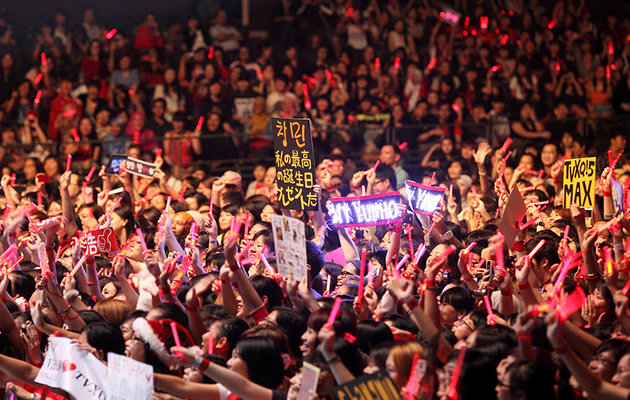
The Case of EXO: A Case Study in Escalation
Recently, the SM Entertainment group EXO has dominated headlines, not only for their musical success but for the alarming frequency of sasaeng-related incidents. Reports have surfaced of fans recording member Tao while he was singing in a hotel shower, as well as numerous instances of "elephant stampedes" at international airports. These mobs often result in physical harm; members have been documented falling due to aggressive shoving, and some fans have even attempted to link arms with the idols as they navigate through terminals.
In an interview with Sports Seoul, the members of EXO expressed a profound sense of burden regarding these intrusions. They described the psychological toll of being constantly watched and the physical danger posed by unruly crowds. The group’s plea for privacy highlights a growing tension within the industry: the conflict between the "accessible idol" marketing strategy and the fundamental human right to safety and personal space. The intensity of EXO’s following suggests that certain factors—such as the prestige of their management company and the specific ways they are marketed—may inadvertently exacerbate the sasaeng problem.

The Mechanics of Obsession: Why Certain Groups Face Greater Risks
The disparity in sasaeng activity between different K-pop groups can often be traced back to the institutional and marketing frameworks surrounding their debut. Groups debuting under "Big Three" agencies—SM Entertainment, YG Entertainment, and JYP Entertainment—enter the industry with a pre-existing infrastructure of anticipation. Much like a high-budget film franchise, a group from a major company is viewed as a "premium" product, which can lead to a sense of entitlement among fans who feel they have invested in the group’s success from day one.
Furthermore, the demographic targeting of a group plays a significant role in the nature of its fandom. Groups that cater primarily to teenage audiences often see higher rates of volatile behavior, as younger fans may lack the maturity or social boundaries found in older demographics. In contrast, groups that successfully target an "older" or "noonas" (older sisters) audience often report more respectful interactions.

Marketing strategies that utilize elaborate "backstories" or "universes"—such as EXO’s initial concept involving superpowers and an alien origin—can also fuel obsessive behavior. While these narratives are designed to build brand loyalty, they can blur the lines of reality for vulnerable fans, encouraging a level of "shipping" (the pairing of members in imaginary relationships) and deluded attachment that eventually manifests as sasaeng behavior.
Strategies for Mitigation and the Role of Direct Communication
The history of the K-pop industry offers several examples of how artists and agencies have attempted to manage or deter obsessive followers. One of the most famous instances involves Kim Dong-wan of the veteran group Shinhwa. During a promotional event early in the group’s career, Dong-wan famously told fans, "Shinhwa isn’t responsible for your lives." While this was considered a risky PR move at the time and resulted in an immediate loss of some followers, it established a clear boundary. Today, Shinhwa’s fanbase is noted for its longevity and relative maturity, suggesting that early, direct communication can curate a healthier fandom culture.

Industry experts often suggest that idols should refrain from being "pushovers" during invasive encounters. Smiling or attempting to maintain a polite conversation during instances of groping or physical shoving can inadvertently reinforce the behavior, signaling to the sasaeng that their proximity is acceptable. Instead, a firmer stance—often relayed through the most popular members to ensure maximum receptivity—has proven more effective in the long term.
Legal Recourse and the Digital Frontier
As sasaeng tactics have evolved with technology, the need for legal intervention has become more apparent. The hacking of private accounts and the distribution of stolen personal information are criminal acts, yet many idols and agencies have historically been hesitant to pursue legal action for fear of negative publicity. However, the tide is beginning to shift. Legal experts now advocate for a "lawyer up" approach, where agencies actively prosecute individuals who trespass or engage in cybercrimes.

The digital footprint of an idol is another area of concern. In an era of constant connectivity, maintaining a sense of mystery is increasingly difficult. Some industry analysts suggest that "stealth debuts"—where a group is introduced with minimal pre-debut hype, similar to SHINee’s entry into the market—can reduce the initial "information vacuum" that sasaengs often fill with invasive research. By focusing on musical talent and professional output rather than personal "vlogging" and constant social media updates, groups may be able to maintain a more professional distance from their audience.
The Psychological and Cultural Impact
The implications of the sasaeng phenomenon extend beyond the immediate safety of the artists. There is a documented psychological toll on performers who live in a state of constant surveillance. The stress of being followed, the fear of home invasion, and the lack of privacy can lead to long-term mental health struggles, including anxiety and paranoia.

Moreover, sasaeng activity poses a public safety risk. The "sasaeng taxis" frequently ignore traffic laws, leading to dangerous high-speed chases that put both the idols and the general public at risk. Airport stampedes have also resulted in injuries to non-fan travelers, tarnishing the reputation of the K-pop industry on a global scale.
The cultural cost is equally significant. K-pop is intended to be a source of entertainment and inspiration. When the narrative surrounding a group becomes dominated by reports of illegal activities and physical harm, the "fun" of the genre is diminished. The industry faces a critical juncture where it must decide whether to continue prioritizing the "all-access" idol model or to implement stricter boundaries that protect the human beings behind the performers.

Chronology of Sasaeng Evolution
- The First Generation (Late 1990s): Fandoms for groups like H.O.T. and Sechs Kies began showing signs of extreme behavior, primarily through physical stalking and camping outside residences.
- The TVXQ Era (Mid-2000s): The intensity reached a fever pitch with the rise of TVXQ, where sasaengs began using specialized taxis and hacking primitive cellular networks.
- The Digital Integration (2010s): With the advent of smartphones, sasaengs began utilizing GPS tracking and sophisticated hacking to monitor idols in real-time.
- The Global Expansion (Present): As K-pop moved into international markets, the sasaeng phenomenon followed, with incidents now occurring at major transit hubs and hotels worldwide, as seen with groups like EXO.
Official Responses and Industry Outlook
While management companies like SM Entertainment have issued statements condemning the actions of sasaengs, the consensus among critics is that more needs to be done. Statements from idols themselves, such as Shim Changmin’s blunt advice to fans to "please find a boyfriend," reflect a growing frustration with the lack of personal life afforded to them.
The future of K-pop’s global standing may depend on how the industry addresses these "unfortunate baggage" issues. By implementing more robust security protocols, pursuing legal consequences for stalkers, and fostering a culture of respect within fandoms, the industry can ensure that the music remains the primary focus. As the genre continues to grow, the hope is that the lessons learned from the experiences of TVXQ, Shinhwa, and EXO will lead to a safer and more sustainable environment for the next generation of stars. The "sasaeng" business is not just a nuisance; it is a systemic failure of boundaries that requires a collective effort from agencies, fans, and law enforcement to rectify.